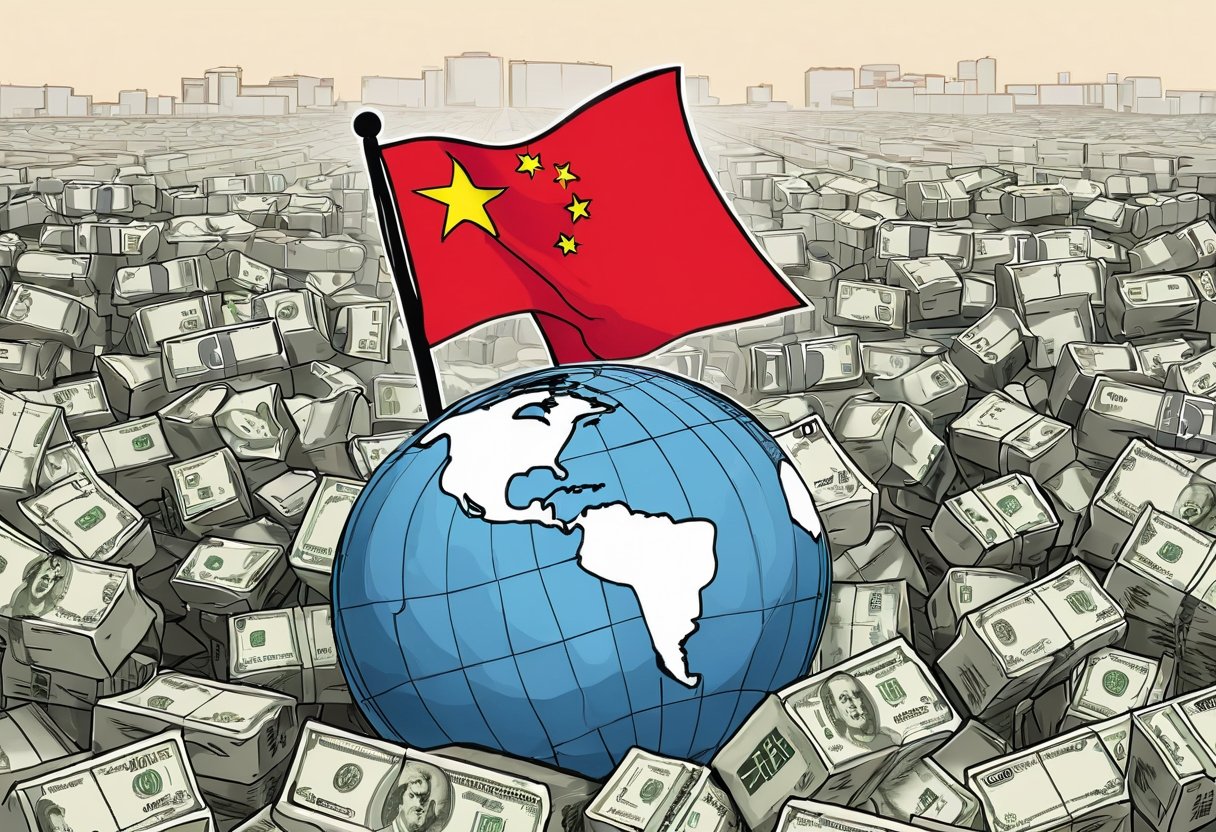
Introduction to China’s Economic Slowdown
China’s economic slowdown is no longer a headline — it’s a warning signal. A weakening housing market, sluggish investment, and falling exports are reshaping the world’s second-largest economy, with ripple effects across global markets and crypto sentiment. According to China Briefing, China’s economy in October 2025 showed mixed signals, with headline indicators pointing to weakness.
Key Indicators of China’s Economic Slowdown
Industrial output, retail sales, and investment slowed sharply, while exports declined for the first time in months. Yet, improving consumer confidence and stronger service spending suggest underlying resilience despite structural challenges. As Bloomberg reports, industrial production climbed 4.9% last month from a year earlier, the smallest gain since the start of this year.
Global Implications of China’s Economic Slowdown
The stagnation scenario: Beijing’s reform efforts flounder and China’s economy grinds slower and slower. Growth slows to 2.5% by 2030, according to Rhg. This slowdown will have significant implications for Africa and the global economy, highlighting key signposts that policymakers should look for in China’s economy.
Why China’s Economic Slowdown Understates Gains
As Rand notes, China’s GDP is below its pre-COVID trend. Household consumption of goods and services is down, while growth in total fixed asset investment has collapsed. Exports are propping up overall economic growth, with net exports in 2024 contributing the largest share to growth since 1997.
Conclusion and Future Implications
China’s economic slowdown is a complex issue with far-reaching implications. As Brookings suggests, the Chinese economy’s prospects and the adequacy of the government’s response are among the biggest uncertainties hanging over the global economy today. It’s essential to focus on the new economy, not the old, and understand the underlying resilience of China’s economy.