Introduction to Arm’s Physical AI Division
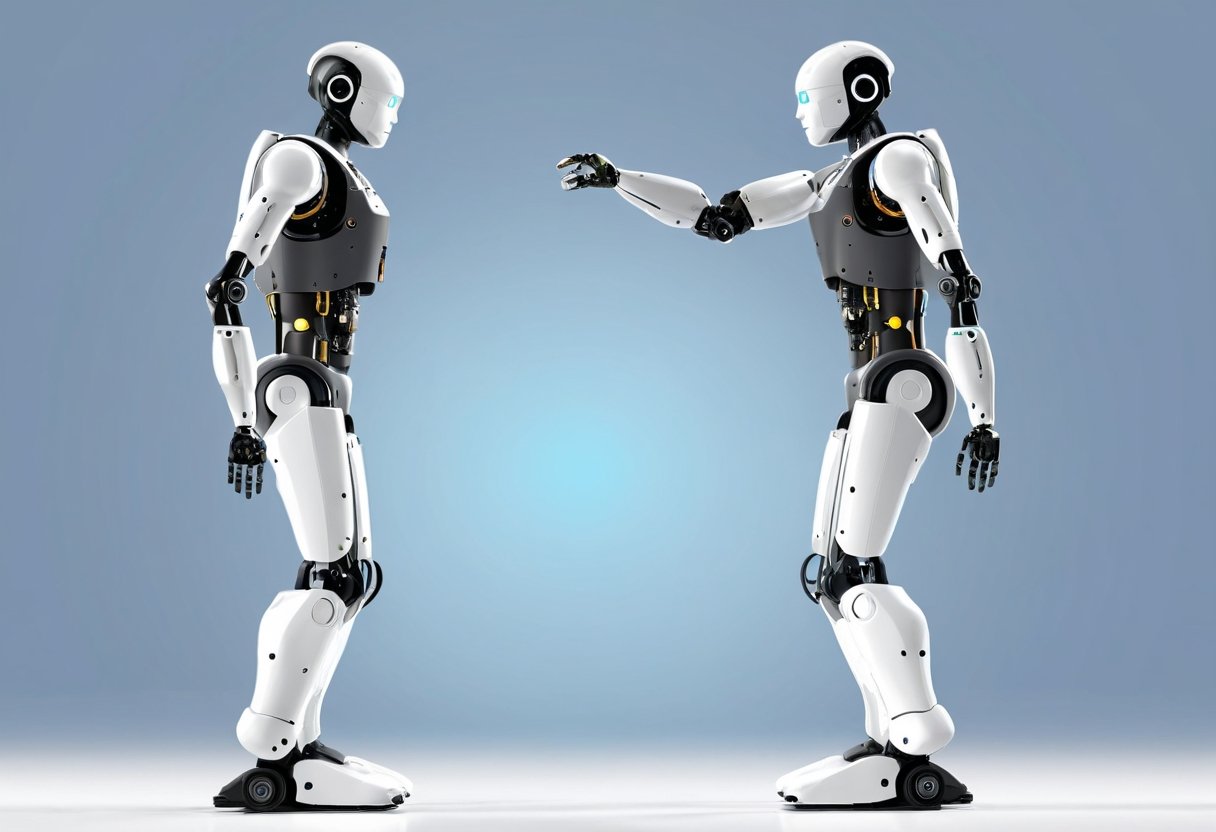
Chip technology company Arm Holdings has reorganized the company to create a Physical AI unit, aiming to expand its presence in the robotics market, as reported by Reuters at CES 2026. This move comes amidst a flurry of announcements and activity at CES around humanoid robots, where companies demonstrated robots that could help build cars, clean toilets, and deal games of poker.
Market Potential and Growth
Arm executives see robotics as a market with immense potential for growth in the long run. The head of the newly formed unit, Drew Henry, told Reuters that physical AI solutions could ‘fundamentally enhance labor, free up extra time’ and may have a considerable impact on gross domestic product as a result. The division plans to add staff dedicated to robotics, according to Arm Chief Marketing Officer Ami Badani.
Expansion into Robotics
Arm will now operate across three main lines of business: its Cloud and AI, Edge – which includes its mobile devices and PC products – and Physical AI, which also folds in its automotive business. The potential for growth in robotics spurred discussions inside Arm for months about how best to tackle the market. The company formally reorganized recently and created the Physical AI division, as TipRanks reported.
Impact and Future Implications
The creation of the Physical AI unit by Arm Holdings signifies a strategic move into the robotics market, which is expected to see significant growth. As Stocktwits noted, Arm executives believe that robotics could offer major long-term growth potential. This expansion could lead to advancements in humanoid and industrial AI applications, ultimately enhancing labor efficiency and freeing up human time.
The move also highlights the importance of safety, reliability, and power efficiency in robotics, as LinkedIn discussed. Arm’s collaboration with dozens of automakers and robotics companies, including Boston Dynamics, demonstrates its commitment to this field.
Conclusion and Takeaways
In conclusion, Arm’s launch of the Physical AI division marks a significant step into the robotics market. With its potential for growth and impact on labor efficiency, this move is expected to have far-reaching implications. As the company continues to expand its presence in this field, it will be interesting to see the developments and innovations that arise from this new division.