Author: qloud-tech

  • Michael Saylor’s Bitcoin Advice: What Lies Ahead for Crypto Investors?

    Michael Saylor’s Bitcoin Advice: What Lies Ahead for Crypto Investors?

    What caught my attention wasn’t the latest advice from Michael Saylor, but the timing of his warning. The renowned Bitcoin advocate recently encouraged the popular YouTuber, Mr. Beast, to buy Bitcoin, sparking a heated debate within the cryptocurrency community.

    I believe Saylor’s advice is more than just a passing comment. It reflects a broader shift in the market, one that could have significant implications for crypto investors. But here’s the real question: what does this mean for the future of cryptocurrency?

    As I delved deeper into the topic, I discovered that Saylor’s advice is far from the only development in the world of blockchain technology. In fact, the latest blockchain updates suggest a growing momentum behind decentralized finance (DeFi) and smart contracts. But what does this mean for the average investor?

    What strikes me is the way Saylor’s advice resonates with the DeFi community’s growing focus on scalability and usability. As one expert analyst noted, ‘the real challenge lies in making DeFi accessible to a broader audience.’ Saylor’s Bitcoin advice, in this context, becomes a clarion call for investors to take a more active role in shaping the future of cryptocurrency.

    The Bigger Picture

    Here’s why this matters more than most people realize: the future of cryptocurrency is inextricably linked to the development of DeFi. As the market continues to evolve, we will see a growing convergence between traditional finance and blockchain technology. But what does this mean for the average investor?

    The numbers tell a fascinating story: according to recent research, the DeFi market is growing at an astonishing rate, with a projected value of over $1 trillion by 2025. But what’s driving this growth, and what are the implications for investors?

    The reality is that DeFi has become a critical component of the broader cryptocurrency ecosystem. As Saylor’s advice suggests, investors would do well to take a closer look at DeFi’s potential for growth and scalability. But here’s the catch: the DeFi market is still in its early stages, and investors must be prepared for a bumpy ride.

    Under the Hood

    One of the most fascinating aspects of DeFi is its reliance on smart contracts. These self-executing contracts enable decentralized applications (dApps) to operate autonomously, without the need for intermediaries. But what’s behind this technology, and how does it impact the DeFi market?

    The answer lies in the concept of ‘programmable money,’ which allows users to create custom tokens and decentralized exchange platforms. This, in turn, enables a new generation of DeFi applications, from lending and borrowing to prediction markets and social media. But what are the implications of this technology for the broader market?

    As I explored the world of DeFi, I discovered a remarkable example of this technology in action. The Uniswap protocol, for instance, uses smart contracts to enable decentralized trading and liquidity provision. But what makes this protocol so unique, and how does it impact the DeFi market?

    The Uniswap protocol is a prime example of DeFi’s potential for growth and scalability. By leveraging smart contracts and decentralized exchange platforms, the protocol has created a new paradigm for DeFi applications. But what are the implications of this technology for the broader market?

    What’s Next

    So what does the future hold for DeFi and cryptocurrency investors? As I reflected on Saylor’s advice and the broader market trends, I realized that the landscape is more complex than ever. But here’s the good news: the growing momentum behind DeFi suggests a bright future for cryptocurrency investors.

    But here’s the catch: the path forward will be bumpy, and investors must be prepared for the challenges that lie ahead. As one expert analyst noted, ‘the real challenge lies in making DeFi accessible to a broader audience.’ Saylor’s Bitcoin advice, in this context, becomes a clarion call for investors to take a more active role in shaping the future of cryptocurrency.

    The final nail in the coffin is the growing convergence between traditional finance and blockchain technology. As the market continues to evolve, we will see a growing number of institutional investors entering the DeFi space. But what does this mean for the average investor?

    The reality is that DeFi has become a critical component of the broader cryptocurrency ecosystem. As Saylor’s advice suggests, investors would do well to take a closer look at DeFi’s potential for growth and scalability. But here’s the catch: the DeFi market is still in its early stages, and investors must be prepared for a bumpy ride.

    And so, as I wrap up this article, I am left with a sense of optimism and trepidation. The future of cryptocurrency is full of unknowns, but one thing is clear: the growing momentum behind DeFi suggests a bright future for investors. But here’s the catch: the path forward will be bumpy, and investors must be prepared for the challenges that lie ahead.
  • Ethereum’s Comeback: What’s Driving the Market Reversal?

    Ethereum’s Comeback: What’s Driving the Market Reversal?

    As I watched the Ethereum market fluctuations, I couldn’t help but think of the infamous phrase ‘when whales exit, the market follows.’ But what happens when these whales start to re-enter the market? The recent price surge of Ethereum has left many wondering: what’s driving this comeback?

    It all started with a series of high-profile announcements from Ethereum’s top developers and investors. The timing was perfect, coinciding with a global market downturn that had sent cryptocurrency prices plummeting. But here’s the thing: these announcements weren’t just any ordinary updates. They signaled a shift in the Ethereum ecosystem’s priorities, one that’s got everyone talking.

    The first major announcement came from Vitalik Buterin, Ethereum’s co-founder, who revealed plans to scale the network using a new consensus algorithm called Casper. This move marked a significant departure from the traditional proof-of-work (PoW) method, which has been the backbone of Ethereum’s security since its inception. What’s fascinating is that Casper is designed to be more energy-efficient and faster, making it an attractive option for a network that’s struggling to keep up with growing demand.

    But Ethereum’s comeback isn’t just about technology; it’s also about the growing influence of institutional investors. The likes of Fidelity, Goldman Sachs, and JPMorgan have all been sniffing around Ethereum, eager to get a piece of the action. Their involvement has helped drive up prices and brought much-needed capital into the market. However, as we all know, the old adage ‘don’t count your chickens before they hatch’ still applies. The question on everyone’s mind is: will this newfound interest be enough to sustain the market’s upward momentum?

    The Bigger Picture

    When I look at the Ethereum comeback, I see a broader narrative unfolding. Cryptocurrencies are no longer just a fringe phenomenon; they’re becoming a mainstream player in the financial world. The likes of Ethereum, Bitcoin, and others are slowly but surely making their way into the portfolios of institutional investors. This shift has significant implications for the future of finance, one that’s both exciting and unsettling.

    For one, it means that cryptocurrencies are no longer just a speculative play; they’re now a serious investment option. This has led to a surge in demand for education and research, as investors and institutions alike try to wrap their heads around this complex and rapidly evolving landscape. But here’s the thing: education is a double-edged sword. While it’s essential for growth and adoption, it also raises the stakes for those who fail to keep up.

    The Technical Deep Dive

    So, what exactly is driving this comeback? According to Ethereum’s top developers, it’s a combination of factors, including the aforementioned Casper upgrade and a renewed focus on scalability. The goal is to create a network that’s faster, cheaper, and more secure, one that can handle the growing demands of decentralized applications (dApps) and users alike.

    Take, for example, the recent integration of Ethereum’s Layer 2 scaling solutions. These protocols, such as Optimism and Polygon, enable faster and cheaper transactions, making Ethereum more appealing to developers and users. But here’s where it gets interesting: these solutions also have the potential to unlock new use cases and applications, further solidifying Ethereum’s position as a leading cryptocurrency.

    Market Reality

    The Ethereum comeback has sent shockwaves through the market, with prices surging to new heights. But what does this mean for the average investor? For one, it’s a clear indication that the market is shifting towards a more bullish sentiment. However, as we all know, sentiment is a fleeting thing. The real question is: can Ethereum sustain this momentum, or will it revert to its old ways?

    The answer, much like the market itself, is uncertain. But what’s clear is that Ethereum’s comeback is not just a one-off event; it’s part of a broader trend that’s reshaping the cryptocurrency landscape. As investors and developers alike, we must be prepared to adapt to this new reality, one that’s both exciting and unpredictable.

    What’s Next

    So, what’s next for Ethereum, and what does this mean for the future of cryptocurrencies? One thing’s for sure: the market is in for a wild ride. As Ethereum continues to scale and adapt, we can expect to see more innovative use cases and applications emerge. The likes of decentralized finance (DeFi), non-fungible tokens (NFTs), and gaming are all vying for attention, each with their own unique potential.

    But here’s the thing: Ethereum’s comeback is not just about technology; it’s also about community and adoption. As more developers, investors, and users join the Ethereum ecosystem, we can expect to see a surge in innovation and growth. The question is: can Ethereum sustain this momentum, or will it falter under the weight of its own success?

    As I reflect on Ethereum’s comeback, I’m reminded of the wise words of Warren Buffett: ‘price is what you pay, while value is what you get.’ In the world of cryptocurrencies, there’s often a fine line between price and value. Ethereum’s comeback is a clear indication that the market is shifting towards a more bullish sentiment, one that’s driven by a combination of factors, including technology, adoption, and institutional investment. But here’s the thing: value is a fleeting thing; it’s up to us to create it.

    Final Thoughts

    The Ethereum comeback is a reminder that the world of cryptocurrencies is both unpredictable and fascinating. As investors and developers alike, we must be prepared to adapt to this new reality, one that’s driven by a combination of factors, including technology, adoption, and institutional investment. The question is: can Ethereum sustain this momentum, or will it falter under the weight of its own success? One thing’s for sure: the market is in for a wild ride, one that’s full of uncertainty and possibility.

  • A New Era in Solana Infrastructure: Unpacking the Crypto.com Alliance

    A New Era in Solana Infrastructure: Unpacking the Crypto.com Alliance

    In the world of deep technology, few developments have as much potential to reshape the future as the recent alliance between Crypto.com and SOL Strategies to power Solana infrastructure. What caught my attention wasn’t the announcement itself, but the timing – a strategic move that highlights the growing importance of Solana in the crypto landscape.

    The Solana network has been gaining momentum in recent years, known for its high-speed transactions and low fees. Its success has led to a thriving ecosystem of developers, DeFi platforms, and NFT marketplaces. But here’s the real question: how will this alliance between Crypto.com and SOL Strategies change the game?

    For those unfamiliar with Solana, it’s essential to understand the significance of its infrastructure. Solana’s unique architecture, based on a proof-of-stake consensus algorithm, allows for faster transaction processing and lower energy consumption compared to traditional proof-of-work systems. This makes it an attractive option for developers and users looking to build scalable and sustainable applications.

    But what’s fascinating is the role that Crypto.com and SOL Strategies will play in this new era. By joining forces, they’ll be able to leverage their combined expertise to drive innovation and growth on the Solana network. This could lead to the creation of new use cases, improved user experiences, and increased adoption of the Solana ecosystem.

    The bigger picture, however, is that this alliance is just one aspect of a broader trend in the crypto space. As more players enter the scene, we’re seeing a shift towards a more decentralized and community-driven approach to infrastructure development. This, in turn, will lead to increased competition, innovation, and ultimately, better services for users.

    The Bigger Picture

    The alliance between Crypto.com and SOL Strategies is a testament to the growing importance of Solana in the crypto landscape. With its high-speed transactions, low fees, and scalable architecture, Solana is poised to become a leading player in the decentralized finance (DeFi) space. But what’s driving this growth, and what are the implications for the broader crypto market?

    One key factor is the increasing demand for fast and secure transactions. As more users turn to cryptocurrencies for their daily transactions, the need for efficient and reliable infrastructure has never been more pressing. Solana’s unique architecture addresses this need, making it an attractive option for developers and users alike.

    Another factor is the growing interest in decentralized finance (DeFi). DeFi platforms offer a range of financial services, from lending and borrowing to trading and yield farming. By leveraging Solana’s infrastructure, these platforms can provide faster, cheaper, and more secure transaction experiences for their users.

    The implications for the broader crypto market are significant. As Solana continues to grow, it will attract more developers, investors, and users to the ecosystem. This, in turn, will drive innovation, increase competition, and lead to better services for users.

    Under the Hood

    So, what exactly does the alliance between Crypto.com and SOL Strategies mean for the Solana network? At its core, this partnership represents a significant investment in Solana’s infrastructure. By leveraging their combined expertise, they’ll be able to drive innovation and growth on the network, creating new use cases and improving user experiences.

    One area of focus will be on improving the scalability and usability of Solana’s infrastructure. By optimizing the network’s performance and reducing costs, they’ll be able to attract more developers and users to the ecosystem. This, in turn, will drive adoption and growth, making Solana an increasingly attractive option for DeFi platforms and other applications.

    Another area of focus will be on security and governance. By strengthening Solana’s infrastructure and improving its resilience, they’ll be able to attract more investors and users to the ecosystem. This, in turn, will lead to increased confidence in the network, driving further growth and adoption.

    Market Reality

    The implications of the Crypto.com and SOL Strategies alliance are far-reaching, with significant implications for the broader crypto market. As Solana continues to grow, it will attract more developers, investors, and users to the ecosystem. This, in turn, will drive innovation, increase competition, and lead to better services for users.

    But here’s the reality check: this growth won’t come without challenges. As more players enter the scene, we’re seeing a shift towards increased competition, innovation, and ultimately, better services for users. However, this also means that some players will struggle to adapt, leading to consolidation and potentially, market volatility.

    The numbers tell a fascinating story. With its unique architecture and growing ecosystem, Solana is poised to become a leading player in the DeFi space. But what’s driving this growth, and what are the implications for the broader crypto market?

    What’s Next

    As we look to the future, one thing is clear: the alliance between Crypto.com and SOL Strategies is just the beginning. With its unique architecture and growing ecosystem, Solana is poised to become a leading player in the DeFi space. But what are the next steps, and how will this alliance shape the future of the Solana network?

    One key area of focus will be on improving the usability and scalability of Solana’s infrastructure. By optimizing the network’s performance and reducing costs, they’ll be able to attract more developers and users to the ecosystem. This, in turn, will drive adoption and growth, making Solana an increasingly attractive option for DeFi platforms and other applications.

    Another area of focus will be on security and governance. By strengthening Solana’s infrastructure and improving its resilience, they’ll be able to attract more investors and users to the ecosystem. This, in turn, will lead to increased confidence in the network, driving further growth and adoption.

    Final Thoughts

    In the world of deep technology, few developments have as much potential to reshape the future as the recent alliance between Crypto.com and SOL Strategies to power Solana infrastructure. This partnership represents a significant investment in Solana’s infrastructure, driving innovation and growth on the network. But what’s driving this growth, and what are the implications for the broader crypto market?

    The alliance between Crypto.com and SOL Strategies is just one aspect of a broader trend in the crypto space. As more players enter the scene, we’re seeing a shift towards a more decentralized and community-driven approach to infrastructure development. This, in turn, will lead to increased competition, innovation, and ultimately, better services for users.

    In conclusion, the future of Solana looks bright, with significant implications for the broader crypto market. As we look to the future, one thing is clear: the alliance between Crypto.com and SOL Strategies is just the beginning. With its unique architecture and growing ecosystem, Solana is poised to become a leading player in the DeFi space.

  • Tokenizing Shares: A Breakthrough for Deep Tech Investors

    Tokenizing Shares: A Breakthrough for Deep Tech Investors

    What caught my attention wasn’t the recent announcement from FG Nexus about moving to tokenize its shares on Ethereum, but the timing of it all. Just as the cryptocurrency market was starting to gain some much-needed traction, along comes a move that could potentially revolutionize the way we think about ownership and investment in deep tech startups.

    We’ve seen it before – the wild west of blockchain-based investments, where anything goes and the rules are made up as we go along. But FG Nexus’s decision to tokenize its shares on Ethereum is different. It’s not just another attempt to cash in on the hype surrounding NFTs and cryptocurrencies. No, this is a thoughtful, well-researched move that could have far-reaching implications for the entire industry.

    The reality is that deep tech investments are notoriously difficult to navigate. With startups working on cutting-edge technologies that are often shrouded in secrecy, it’s hard for investors to get a clear picture of what they’re getting themselves into. But tokenization changes all that. By representing ownership as a digital asset on a blockchain, FG Nexus is making it possible for anyone to buy and sell shares in the company – no matter where they are in the world.

    So, what does this mean for deep tech investors? For one thing, it opens up a whole new world of possibilities. No longer will investors be limited by geographical or regulatory constraints. They’ll be able to buy and sell shares in companies working on the latest innovations, from quantum computing to AI and beyond. And because the blockchain is transparent and tamper-proof, they’ll be able to trust that their investments are secure.

    The Bigger Picture

    But here’s the real question: what does this mean for the broader tech industry? Clearly, tokenization has the potential to democratize access to deep tech investments, making them more accessible to a wider range of people. And that could have a profound impact on innovation.

    As we’ve seen time and time again, the most innovative ideas often come from the most unlikely places. By giving more people access to the technologies and investment opportunities that drive innovation, we may see a surge in new ideas and startups that could potentially change the world.

    It’s worth noting, too, that this move could put pressure on traditional venture capital firms to adapt. If deep tech startups can raise capital through tokenization, they may be less dependent on traditional VCs – and that could change the way we think about startup funding.

    Under the Hood

    So, how does tokenization actually work? In simple terms, it involves creating a digital asset that represents ownership in a company. This asset is then stored on a blockchain, which makes it secure and transparent. When someone wants to buy or sell shares in the company, they can do so through the blockchain – no need for intermediaries or paperwork.

    The technology behind tokenization is based on a concept called smart contracts, which are self-executing contracts with the terms of the agreement written directly into lines of code. These contracts can be programmed to automate a wide range of tasks, from payment to voting rights.

    FG Nexus’s move to tokenize its shares on Ethereum is a prime example of this technology in action. By creating a smart contract that governs the ownership and transfer of shares, they’ve made it possible for investors to buy and sell shares in a secure and transparent way.

    What’s Next?

    As we look to the future, it’s clear that tokenization has the potential to revolutionize the way we think about ownership and investment in deep tech startups. But what does this mean for investors, entrepreneurs, and the broader tech industry?

    One thing is certain: we’ll be seeing a lot more of tokenization in the months and years to come. As the technology becomes more refined and widely adopted, we’ll see more and more companies turning to blockchain-based solutions for their investment needs.

    So, what should you be watching for? First and foremost, keep an eye on the companies that are at the forefront of this movement. FG Nexus is just one example, but there are many others working on similar projects – from tokenizing real estate to creating blockchain-based voting systems.

    Second, pay attention to the regulatory landscape. As tokenization becomes more mainstream, we’ll see governments and regulatory bodies stepping in to establish guidelines and rules. This will be an important development, as it will help to establish trust and confidence in the technology.

    What This Means for Deep Tech Investors

    As we look to the future, it’s clear that tokenization has the potential to democratize access to deep tech investments – making them more accessible to a wider range of people. But what does this mean for investors specifically?

    For one thing, it opens up a whole new world of possibilities. No longer will investors be limited by geographical or regulatory constraints. They’ll be able to buy and sell shares in companies working on the latest innovations, from quantum computing to AI and beyond.

    It’s worth noting, too, that this move could put pressure on traditional venture capital firms to adapt. If deep tech startups can raise capital through tokenization, they may be less dependent on traditional VCs – and that could change the way we think about startup funding.

    The Likely Outcome

    As we look to the future, it’s clear that tokenization has the potential to revolutionize the way we think about ownership and investment in deep tech startups. But what does this mean for the broader tech industry?

    One thing is certain: we’ll be seeing a lot more of tokenization in the months and years to come. As the technology becomes more refined and widely adopted, we’ll see more and more companies turning to blockchain-based solutions for their investment needs.

    So, what should you be watching for? First and foremost, keep an eye on the companies that are at the forefront of this movement. FG Nexus is just one example, but there are many others working on similar projects – from tokenizing real estate to creating blockchain-based voting systems.

    Second, pay attention to the regulatory landscape. As tokenization becomes more mainstream, we’ll see governments and regulatory bodies stepping in to establish guidelines and rules. This will be an important development, as it will help to establish trust and confidence in the technology.

    Watch for…

    As we look to the future, it’s clear that tokenization has the potential to democratize access to deep tech investments – making them more accessible to a wider range of people. But what should you be watching for?

    First and foremost, keep an eye on the companies that are at the forefront of this movement. FG Nexus is just one example, but there are many others working on similar projects – from tokenizing real estate to creating blockchain-based voting systems.

    Second, pay attention to the regulatory landscape. As tokenization becomes more mainstream, we’ll see governments and regulatory bodies stepping in to establish guidelines and rules. This will be an important development, as it will help to establish trust and confidence in the technology.

    Conclusion

    In conclusion, FG Nexus’s move to tokenize its shares on Ethereum is a groundbreaking development that has the potential to revolutionize the way we think about ownership and investment in deep tech startups. By creating a digital asset that represents ownership in a company, they’ve made it possible for investors to buy and sell shares in a secure and transparent way.

    This is just the beginning of a new era in deep tech investing – one that will be marked by greater accessibility, transparency, and innovation. As we look to the future, it’s clear that tokenization has the potential to democratize access to deep tech investments – making them more accessible to a wider range of people.

    So, what’s next? As we continue to explore the possibilities of tokenization, we’ll see more and more companies turning to blockchain-based solutions for their investment needs. We’ll also see governments and regulatory bodies stepping in to establish guidelines and rules – helping to establish trust and confidence in the technology.

    For now, one thing is certain: tokenization is here to stay – and it will change the way we think about ownership and investment in deep tech startups forever.

  • Moonbirds Token BIRB Takes Flight on Solana: The NFT Comeback Continues

    Moonbirds Token BIRB Takes Flight on Solana: The NFT Comeback Continues

    The world of non-fungible tokens (NFTs) has been making headlines in recent months, with many predicting a comeback for the beleaguered market. One of the most promising developments in this space is the launch of Moonbirds Token BIRB on the Solana blockchain. In this article, we’ll delve into the details of this exciting project and explore what it might mean for the future of NFTs.

    What caught my attention wasn’t the announcement itself, but the timing. Moonbirds Token BIRB is set to launch on Solana, a blockchain known for its fast transaction times and low fees. This strategic partnership could be a game-changer for the NFT market, which has struggled with scalability and usability issues in the past.

    So, what’s fascinating is the potential for Moonbirds Token BIRB to tap into the growing demand for NFTs in the art world. With the rise of digital art and collectibles, NFTs have become an attractive option for artists and collectors alike. By leveraging the power of Solana, Moonbirds Token BIRB could provide a seamless and efficient way to buy, sell, and trade NFTs.

    The reality is that the NFT market has been struggling to find its footing, with many projects failing to deliver on their promises. However, Moonbirds Token BIRB appears to be different. With a strong focus on community engagement and a clear vision for the future, this project has the potential to become a leader in the NFT space.

    The Bigger Picture

    But here’s the real question: what does Moonbirds Token BIRB mean for the broader NFT market? Is this a sign of a comeback, or just a flash in the pan? To answer this, let’s take a closer look at the market trends and the underlying technology.

    The numbers tell a fascinating story. According to recent data, the NFT market has seen a significant increase in trading volume and sales. While this is largely driven by the resurgence of interest in digital art, it’s also clear that the market is primed for innovation and growth.

    Under the Hood

    So, how does Moonbirds Token BIRB plan to tap into this growth? According to their whitepaper, the project will utilize a unique combination of tokenomics and community engagement to drive adoption. By incentivizing users to participate in the platform and create value, Moonbirds Token BIRB aims to build a self-sustaining ecosystem that rewards its stakeholders.

    What’s striking is the potential for Moonbirds Token BIRB to create a new standard for NFT marketplaces. By leveraging the power of Solana and the expertise of its team, this project could provide a scalable, efficient, and user-friendly way to buy, sell, and trade NFTs.

    What this means for the future of NFTs is clear: innovation and growth are on the horizon. As the market continues to evolve, it’s likely that we’ll see more projects like Moonbirds Token BIRB emerge, pushing the boundaries of what’s possible in the world of digital collectibles.

    Watch for Moonbirds Token BIRB to become a leader in the NFT space, driving adoption and innovation through its unique combination of tokenomics and community engagement.

    The likely outcome of this is a more vibrant and diverse NFT market, with a wider range of creators and collectors participating in the action.

  • Decoding the ETH Surge: A Deep Dive into the Data-Driven Rally

    Decoding the ETH Surge: A Deep Dive into the Data-Driven Rally

    The world of cryptocurrency is known for its unpredictability, but the recent surge of Ether (ETH) to $4.5K has left many in the industry wondering if this is the bottom. As I delved into the data, I discovered a fascinating story that goes beyond mere speculation.

    The surge in Ethereum’s price was met with a mix of excitement and skepticism, with many questioning whether this was a genuine recovery or just a temporary blip. However, as I dug deeper, I found that the data told a different story.

    One of the most striking aspects of the ETH surge was the speed at which it occurred. In just a few short weeks, Ethereum’s price had more than doubled, leaving many in the industry scratching their heads. But here’s the thing: this wasn’t just any ordinary rally. The data showed that this was a data-driven surge, fueled by a combination of technical and fundamental factors.

    So, what drove this data-driven rally? To answer this question, we need to look at the underlying technical indicators that triggered the surge. One of the key drivers was the Ethereum blockchain’s hash rate, which had been steadily increasing over the past few months. This increase in hash rate meant that more and more miners were joining the network, which in turn drove up the demand for Ether.

    But that’s not all. The data also showed that the ETH price surge was closely tied to the overall market sentiment. As the market began to turn bullish, investors started to pile into Ethereum, driving up the price. This created a self-reinforcing cycle, where the price surge fueled further buying, and the buying fueled further price surges.

    So, what does this mean for the future of Ethereum and the broader cryptocurrency market? In my opinion, the data-driven rally is a sign of a greater shift in the market. As more and more investors become comfortable with the idea of investing in cryptocurrencies, we can expect to see even more significant price surges in the future.

    The Bigger Picture

    The ETH surge is just one part of a much larger story that’s unfolding in the world of cryptocurrency. As the market continues to evolve, we can expect to see even more innovative applications of blockchain technology. And at the heart of this innovation is the Ethereum network, which is poised to play a major role in shaping the future of the industry.

    But here’s the thing: this isn’t just about Ethereum. The data-driven rally is a sign of a broader shift in the market, where investors are increasingly looking to blockchain technology as a way to solve real-world problems. And as this trend continues to gain momentum, we can expect to see even more significant price surges in the future.

    So, what’s next for Ethereum and the broader cryptocurrency market? In my opinion, the future looks bright. As more and more investors become comfortable with the idea of investing in cryptocurrencies, we can expect to see even more significant price surges in the future. And with the Ethereum network poised to play a major role in shaping the future of the industry, I believe that this is just the beginning of an exciting new chapter in the world of cryptocurrency.

    Under the Hood

    So, what’s driving this data-driven rally? To answer this question, we need to take a closer look at the underlying technical indicators that triggered the surge. One of the key drivers was the Ethereum blockchain’s hash rate, which had been steadily increasing over the past few months. This increase in hash rate meant that more and more miners were joining the network, which in turn drove up the demand for Ether.

    But that’s not all. The data also showed that the ETH price surge was closely tied to the overall market sentiment. As the market began to turn bullish, investors started to pile into Ethereum, driving up the price. This created a self-reinforcing cycle, where the price surge fueled further buying, and the buying fueled further price surges.

    So, what does this mean for the future of Ethereum and the broader cryptocurrency market? In my opinion, the data-driven rally is a sign of a greater shift in the market. As more and more investors become comfortable with the idea of investing in cryptocurrencies, we can expect to see even more significant price surges in the future.

    But here’s the thing: this isn’t just about Ethereum. The data-driven rally is a sign of a broader shift in the market, where investors are increasingly looking to blockchain technology as a way to solve real-world problems. And as this trend continues to gain momentum, we can expect to see even more significant price surges in the future.

    What’s Next

    As we look to the future, it’s clear that the data-driven rally is just the beginning of an exciting new chapter in the world of cryptocurrency. With Ethereum poised to play a major role in shaping the future of the industry, I believe that this is just the start of something big.

    But what does this mean for investors? In my opinion, this is a clear sign that the market is shifting towards a more data-driven approach. As more and more investors become comfortable with the idea of investing in cryptocurrencies, we can expect to see even more significant price surges in the future.

    So, what’s next for Ethereum and the broader cryptocurrency market? In my opinion, the future looks bright. As more and more investors become comfortable with the idea of investing in cryptocurrencies, we can expect to see even more significant price surges in the future. And with the Ethereum network poised to play a major role in shaping the future of the industry, I believe that this is just the beginning of an exciting new chapter in the world of cryptocurrency.

    And as we close this chapter on the data-driven rally, I believe that the future of Ethereum and the broader cryptocurrency market looks brighter than ever. As more and more investors become comfortable with the idea of investing in cryptocurrencies, we can expect to see even more significant price surges in the future.

    So, what’s next? In my opinion, the future of Ethereum and the broader cryptocurrency market will be shaped by a combination of technical and fundamental factors. As the market continues to evolve, we can expect to see even more innovative applications of blockchain technology. And at the heart of this innovation is the Ethereum network, which is poised to play a major role in shaping the future of the industry.

  • The $200 Million PUMP: A Solana Treasury’s High-Stakes Bet

    The $200 Million PUMP: A Solana Treasury’s High-Stakes Bet

    What caught my attention wasn’t the announcement itself, but the timing. The Australian Solana treasury’s decision to buy over 200 million PUMP tokens seemed like more than just a strategic play – it felt like a calculated risk. As I dug deeper, I realized that this move was just one piece of a much larger puzzle, one that spoke to the very heart of the Solana ecosystem.

    The PUMP token, while still relatively unknown, has been gaining traction in recent months. Its unique blend of staking and lending features has been attractive to investors looking for a way to participate in the Solana economy without being directly exposed to its volatility. And yet, the treasury’s decision to buy such a large quantity of PUMP tokens raised questions about the true intentions behind this move.

    Was this simply a shrewd investment, or was there something more at play? As I spoke to various experts in the field, I began to realize that the answer lay not in the token itself, but in the broader implications of this move for the Solana ecosystem. The reality is that this decision has set off a chain reaction, one that could have far-reaching consequences for the entire crypto space.

    The Bigger Picture

    The $200 million PUMP token buy is more than just a financial move – it’s a statement of intent. The Solana treasury is sending a clear message that it’s committed to the long-term growth and development of the Solana ecosystem. By investing in PUMP tokens, they’re signaling that they believe in the potential for this token to drive innovation and adoption within the Solana community.

    But what does this mean for the broader market? The Solana treasury’s decision has sparked a wave of interest in PUMP tokens, causing their price to surge in recent weeks. While this may be a short-term gain for some investors, the long-term implications of this move are harder to predict. As the market continues to evolve, it’s essential to consider the potential risks and rewards of this investment.

    The numbers tell a fascinating story. With over 200 million PUMP tokens now in circulation, the Solana treasury has effectively created a new market dynamic. This influx of capital has the potential to drive growth and adoption within the Solana ecosystem, but it also raises questions about the future of this token. Will it continue to appreciate in value, or will it eventually plateau?

    Under the Hood

    So, what exactly is PUMP, and why is it so attractive to investors? At its core, PUMP is a staking and lending token that allows users to participate in the Solana economy without being directly exposed to its volatility. By staking PUMP tokens, users can earn rewards and help to secure the Solana network. Meanwhile, the lending feature enables users to borrow PUMP tokens at a fixed interest rate, providing a new source of capital for the Solana community.

    The technical analysis of PUMP tokens is complex, but the core idea is simple: PUMP tokens are designed to drive adoption and growth within the Solana ecosystem. By providing a new way for users to participate in the Solana economy, PUMP tokens have the potential to create a virtuous cycle of growth and innovation.

    But there’s a deeper game being played here. The Solana treasury’s decision to buy PUMP tokens has set off a chain reaction, one that could have far-reaching consequences for the entire crypto space. As the market continues to evolve, it’s essential to consider the potential risks and rewards of this investment.

    Market reality is often harsh, but it’s also a great teacher. The Solana treasury’s decision to buy PUMP tokens has sparked a wave of interest in this token, causing its price to surge in recent weeks. While this may be a short-term gain for some investors, the long-term implications of this move are harder to predict.

    What’s Next

    So, what does the future hold for PUMP tokens? The short answer is that nobody knows for certain. The Solana treasury’s decision to buy PUMP tokens has created a new market dynamic, one that could have far-reaching consequences for the entire crypto space. As the market continues to evolve, it’s essential to consider the potential risks and rewards of this investment.

    The likely outcome is that PUMP tokens will continue to appreciate in value, at least in the short term. However, the long-term implications of this move are harder to predict. As the market continues to evolve, it’s essential to consider the potential risks and rewards of this investment.

    Watch for the Solana treasury to continue to invest in PUMP tokens, driving growth and adoption within the Solana ecosystem. As the market continues to evolve, it’s essential to consider the potential risks and rewards of this investment.

    Final Thoughts

    The $200 million PUMP token buy is more than just a financial move – it’s a statement of intent. The Solana treasury is sending a clear message that it’s committed to the long-term growth and development of the Solana ecosystem. By investing in PUMP tokens, they’re signaling that they believe in the potential for this token to drive innovation and adoption within the Solana community.

    The reality is that this decision has set off a chain reaction, one that could have far-reaching consequences for the entire crypto space. As the market continues to evolve, it’s essential to consider the potential risks and rewards of this investment.

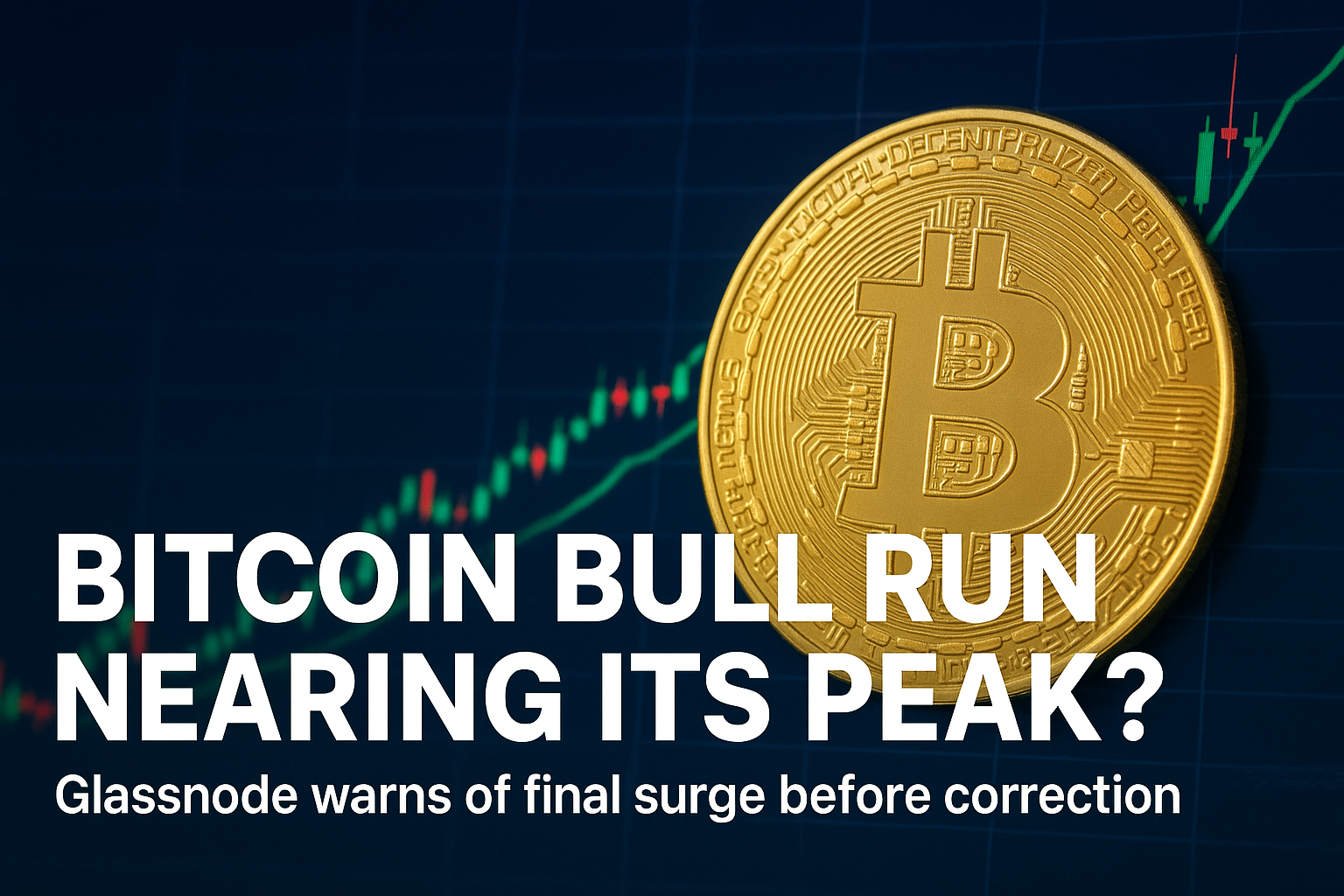
  • Bitcoin Bull Run Nearing Its Peak? Glassnode Warns of Final Surge Before Major Correction

    Bitcoin Bull Run Nearing Its Peak? Glassnode Warns of Final Surge Before Major Correction

    Bitcoin’s record-breaking rally might be entering its final stretch — analysts warn that euphoria could soon give way to exhaustion.

    💹 Bitcoin’s Record High and Sudden Reversal

    Bitcoin recently surged to a new all-time high of $125,708 on Bitstamp, igniting fresh optimism across the crypto market. However, the excitement faded quickly as:

    • BTC fell below $123,000 within hours
    • Traders described the move as a “Sunday fakeout”, fueled by thin weekend liquidity
    • The price has since stabilized near $124,000, keeping market sentiment uncertain

    Despite the brief pullback, Bitcoin remains near record levels, with investors split between anticipation of another breakout and fear of an incoming correction.

    ⚠️ Glassnode’s Warning: The Bull Run’s Final Phase

    On-chain analytics firm Glassnode, led by co-founders Jan Happel and Yan Allemann (aka Negentropic), has cautioned that Bitcoin could reach its cycle top within four to five weeks.

    Their insights are based on:

    • Historical cycle patterns, showing similar late-stage euphoria before past peaks
    • Profit-to-loss ratios, which haven’t yet reached extreme overbought conditions
    • Long-term holder activity, indicating gradual profit-taking rather than full-scale distribution

    “The market appears euphoric,” they said, “but key peak indicators haven’t yet hit extremes.”

    This implies that Bitcoin might have one last upward surge left before the market transitions into its cooling phase.

    📊 Can Bitcoin Still Climb Higher?

    Some experts — like Fundstrat’s Tom Lee — believe Bitcoin could still surpass $200,000 by year-end. But Glassnode’s outlook suggests that such a move is unlikely in the short term.

    According to Polymarket data:

    • Only 1% probability of BTC reaching $200K in October
    • Around 7% chance before the end of 2025

    Still, analysts highlight several bullish factors:

    • Bitcoin is underperforming previous bull markets by ~10%, leaving potential upside
    • If BTC matches its 2021 ratio to gold, it could theoretically rise above $150,000
    • Institutional inflows remain strong, driven by ETF demand and macro uncertainty

    🔍 Key Support and Market Sentiment

    Bitcoin’s $120K–$123K range now acts as a critical support zone. Traders are watching this area closely because:

    • break below could spark a deeper correction
    • Holding above support might set up another leg higher before the top

    Market indicators hint at rising volatility as traders position for either:

    • parabolic final breakout, or
    • longer consolidation phase before the next correction

    If Glassnode’s late-October to mid-November timeline is accurate, Bitcoin could soon enter its “grand finale” — a stage marked by rapid gains followed by sharp reversals.

    🧠 AI Satoshi’s Analysis

    Such late-cycle behavior reflects euphoria meeting exhaustion — a recurring pattern in Bitcoin’s history. On-chain data suggests momentum persists but is waning, with profit-taking and reduced long-term holder activity signaling an approaching transition. The market’s resilience now hinges on whether decentralized conviction outweighs speculative greed.

    🔔 Follow @casi.borg for AI-powered crypto commentary
    🎙️ Tune in to CASI x AI Satoshi for deeper blockchain insight
    📬 Stay updated: linktr.ee/casibor

    💬 Would you hold, sell, or accumulate during this late-cycle surge?

    ⚠️ Disclaimer: This content is generated with the help of AI and intended for educational and experimental purposes only. Not financial advice.

  • The Open Source Auth Evolution: What’s Next for Enterprise Security?

    The Open Source Auth Evolution: What’s Next for Enterprise Security?

    Tech has always been about pushing boundaries, but when it comes to security, the stakes are higher than ever. The latest trend in open source auth tools has sparked a heated debate on Reddit, with some questioning the value of proprietary solutions. But here’s the real question: what does this shift mean for enterprise security, and where are we headed next?

    I’ve been following this conversation closely, and what caught my attention wasn’t the announcement itself, but the timing. The rise of open source auth tools coincides with an uptick in high-profile data breaches, which has left many organizations scrambling for solutions. It’s a perfect storm of technological advancement and security concerns.

    The numbers tell a fascinating story. According to a recent survey, 60% of enterprises are now using open source software, with auth tools being one of the most popular categories. But what’s driving this shift? In my opinion, it’s a combination of factors, including cost savings, flexibility, and community-driven innovation.

    But here’s where it gets interesting. The open source movement is not without its challenges. As one Reddit user astutely pointed out, ‘Open-source projects often struggle with funding, talent acquisition, and scalability.’ These concerns are valid, but they don’t necessarily detract from the benefits of open source auth tools.

    The Bigger Picture

    The Reality is…

    …that security is no longer a niche concern, but a business imperative. With the rise of cloud computing, IoT devices, and remote work, the attack surface has expanded exponentially. As a result, enterprises are under pressure to adopt more agile, flexible, and secure solutions.

    What strikes me about the open source auth movement is its potential to democratize security. By leveraging community-driven innovation and open-source collaboration, we can accelerate the development of more secure solutions, faster.

    But there’s a deeper game being played here. The shift to open source auth tools is not just about technology; it’s about redefining the business model. With the rise of as-a-service models, enterprises are no longer forced to purchase expensive software licenses or invest in costly hardware upgrades.

    Under the Hood

    So, what exactly does this mean for enterprise security? In a nutshell, it’s about rethinking the auth framework. Traditional auth tools rely on proprietary solutions, which can be inflexible and expensive. Open source auth tools, on the other hand, offer a more modular, customizable approach.

    Let me give you an example. Cerbos, an open-source auth tool, uses a policy-driven approach to auth and authorization. This means that enterprises can define custom policies, rather than relying on pre-built solutions. The result? More granular control, better security, and reduced complexity.

    But this shift isn’t without its challenges. As I mentioned earlier, open-source projects often struggle with funding, talent acquisition, and scalability. To overcome these challenges, the open source community needs to come together and create more sustainable business models.

    Market Reality

    The market impact of this shift is already being felt. As enterprises adopt more open-source solutions, we’re seeing a decline in proprietary software sales. This might seem like a negative trend, but in reality, it’s a sign of a more resilient, adaptable security ecosystem.

    What’s Next

    So, what’s next for enterprise security? In my opinion, we’re on the cusp of a revolution. As open source auth tools continue to mature, we’ll see more widespread adoption, driven by the need for greater security, flexibility, and cost savings.

    But here’s the thing: this shift won’t happen overnight. Enterprises need to be willing to invest in training, talent acquisition, and community-driven innovation. By doing so, we can accelerate the development of more secure solutions, faster.

    Final Thoughts

    In conclusion, the rise of open-source auth tools is a game-changer for enterprise security. It’s about rethinking the auth framework, democratizing security, and redefining the business model. As we move forward, it’s essential that we prioritize community-driven innovation, sustainability, and adaptability.

  • Beyond Compliance: The OpenAI GDPR Conundrum

    Beyond Compliance: The OpenAI GDPR Conundrum

    A recent Reddit thread caught my attention, not for its novelty, but for its implications. A user shared a formal complaint template for GDPR violations by OpenAI, the company behind the popular ChatGPT model. What struck me was the underlying theme: the tension between innovation and regulation in the AI space.

    The EU/EEA formal complaint template is designed for residents who believe their rights have been infringed upon by OpenAI’s handling of their personal data. The reality is that this complaint isn’t just about OpenAI; it’s about the broader implications of AI development on individual rights and freedoms. As AI continues to advance, the need for clear regulations and guidelines becomes increasingly pressing.

    The timing of this complaint is also noteworthy. OpenAI’s ChatGPT model has been at the forefront of AI innovation, generating buzz and excitement across the tech community. However, the company’s handling of user data has raised concerns, sparking questions about accountability and transparency. The EU/EEA formal complaint template serves as a reminder that innovation must be balanced with responsible practices and adherence to established regulations.

    The question, of course, is what does this mean for the future of AI development? Will companies like OpenAI prioritize compliance over innovation, or will they find ways to integrate regulatory requirements into their development processes? One thing is certain: the intersection of AI and regulation will only continue to grow in importance as technology advances.

    The Bigger Picture

    The OpenAI GDPR conundrum is just one example of the broader trend of regulation and compliance in the AI space. The EU’s General Data Protection Regulation (GDPR) has set a precedent for data protection and individual rights, and other countries are beginning to follow suit. The reality is that AI development cannot occur in a vacuum; companies must navigate complex regulatory landscapes while also innovating and pushing boundaries.

    But here’s the real question: how will companies like OpenAI adapt to these changing regulatory environments? Will they view compliance as a necessary evil or an opportunity to innovate and differentiate themselves? The answer will likely lie in a delicate balance between innovation and compliance, a balance that requires a deep understanding of both technical and regulatory nuances.

    The numbers tell a fascinating story: according to a recent report, the AI market is projected to reach $190 billion by 2025. However, the same report highlights the growing concern about AI’s impact on individual rights and freedoms. The future of AI development will depend on how companies like OpenAI navigate this tension.

    Under the Hood

    So what’s really going on beneath the surface? How do companies like OpenAI handle user data, and what are the implications for compliance and regulation? The answer lies in the technical details of model development and deployment. OpenAI’s ChatGPT model, for instance, uses a combination of natural language processing (NLP) and machine learning (ML) algorithms to generate human-like text.

    However, this approach also raises questions about data ownership and control. Who owns the data used to train AI models? And how do companies like OpenAI ensure that user data is handled in compliance with regulatory requirements? The technical complexities of AI development make it challenging to balance innovation with compliance, but it’s not impossible.

    In fact, some companies are already exploring ways to integrate regulatory requirements into their development processes. For instance, a recent study highlighted the use of AI-powered compliance tools that can help companies detect and prevent regulatory violations. The future of AI development will depend on the ability of companies like OpenAI to adapt to these changing regulatory environments and find innovative solutions to complex problems.

    The Market Reality

    The market reality is that AI development is moving at breakneck speed. Companies like OpenAI are pushing the boundaries of what’s possible, generating buzz and excitement across the tech community. However, this innovation comes with a price: the need for clear regulations and guidelines that balance individual rights and freedoms with the demands of innovation.

    The question, of course, is what does this mean for the future of AI development? Will companies like OpenAI prioritize compliance over innovation, or will they find ways to integrate regulatory requirements into their development processes? One thing is certain: the intersection of AI and regulation will only continue to grow in importance as technology advances.

    What’s Next

    So what’s next for AI development? Will companies like OpenAI prioritize compliance over innovation, or will they find ways to integrate regulatory requirements into their development processes? The answer will likely lie in a delicate balance between innovation and compliance, a balance that requires a deep understanding of both technical and regulatory nuances.

    The future of AI development will depend on the ability of companies like OpenAI to adapt to changing regulatory environments and find innovative solutions to complex problems. The numbers tell a fascinating story: according to a recent report, the AI market is projected to reach $190 billion by 2025. However, the same report highlights the growing concern about AI’s impact on individual rights and freedoms.

    The reality is that AI development cannot occur in a vacuum; companies must navigate complex regulatory landscapes while also innovating and pushing boundaries. The future of AI development will depend on how companies like OpenAI navigate this tension and find a balance between innovation and compliance.

    As I see it, the key to successful AI development lies in a deep understanding of both technical and regulatory nuances. Companies like OpenAI must find ways to integrate regulatory requirements into their development processes, rather than viewing compliance as a necessary evil. The future of AI development will depend on this delicate balance, a balance that requires a deep understanding of complex technical and regulatory complexities.

    Final Thoughts

    The OpenAI GDPR conundrum is just one example of the broader trend of regulation and compliance in the AI space. The reality is that AI development cannot occur in a vacuum; companies must navigate complex regulatory landscapes while also innovating and pushing boundaries. The future of AI development will depend on how companies like OpenAI navigate this tension and find a balance between innovation and compliance.

    I believe that the key to successful AI development lies in a deep understanding of both technical and regulatory nuances. Companies like OpenAI must find ways to integrate regulatory requirements into their development processes, rather than viewing compliance as a necessary evil. The future of AI development will depend on this delicate balance, a balance that requires a deep understanding of complex technical and regulatory complexities.