Author: qloud-tech

  • Hackers Are Draining WLFI Tokens Using Ethereum’s EIP-7702 — Here’s How

    Hackers Are Draining WLFI Tokens Using Ethereum’s EIP-7702 — Here’s How

    The Donald Trump–backed World Liberty Financial (WLFI) token launched with major hype, but a known Ethereum exploit is already draining investors’ wallets. Here’s what’s happening — and why it matters for the future of blockchain security.

    WLFI Holders Under Attack

    The highly anticipated launch of World Liberty Financial’s (WLFI) governance token has been overshadowed by a wave of wallet drains. According to blockchain security firm SlowMist, hackers are targeting WLFI investors using the “classic EIP-7702” phishing exploit.

    Ethereum’s Pectra upgrade in May introduced EIP-7702, a feature that allows external accounts to act like smart contract wallets. While designed to improve usability with batch transactions, attackers are now weaponizing it to bypass security and sweep tokens.

    Yu Xian, founder of SlowMist, confirmed that hackers are pre-planting malicious delegate contracts inside victim wallets. Once a user deposits tokens, the exploit triggers, and the assets are stolen in seconds.

    How the Exploit Works

    The exploit isn’t a flaw in Ethereum itself but a phishing-driven vulnerability that thrives when private keys are leaked. Here’s the attack flow:

    • Step 1: Hackers steal private keys (often via phishing schemes).
    • Step 2: They inject a malicious delegate contract into the wallet.
    • Step 3: When victims transfer WLFI or ETH, the transaction reroutes through the attacker’s contract.
    • Step 4: Gas fees and tokens are instantly drained.

    Xian explained that once a wallet is compromised, even sending ETH for gas fees can be risky — the exploit sweeps it away before the user can secure their tokens.

    His advice: “Cancel or replace the ambushed EIP-7702 with your own” and move funds into a safe wallet immediately.

    WLFI Community in Crisis

    WLFI tokenholders are voicing their frustration and fear across forums and social platforms:

    • @hakanemiratlas said he only managed to rescue 20% of his WLFI tokens before hackers drained the rest.
    • @Anton warned that whitelisted wallets used for the presale are especially vulnerable. Automated bots often snatch tokens the instant they arrive.

    Some community members are asking the WLFI team to consider a direct transfer option for safer token claims.

    Meanwhile, the WLFI team has urged investors to beware of scams:

    “We do not contact users via DMs. Official support only comes through verified emails. Any other outreach is fraudulent.”

    Adding to the chaos, analytics firm Bubblemaps flagged several look-alike WLFI smart contracts, designed to trick investors into interacting with fake projects.

    Bigger Picture: What It Means for Ethereum Users

    The WLFI exploit shows that even legitimate Ethereum upgrades can become double-edged swords. EIP-7702 was meant to streamline user experience, but in the wrong hands, it created a powerful attack vector.

    This raises questions not only about WLFI’s token security but also about the risks facing any Ethereum-based project that integrates EIP-7702 without strong safeguards.

    AI Satoshi’s Analysis

    The exploit demonstrates how new protocol features, if combined with weak key management, can become attack vectors. By abusing delegated execution, attackers pre-plant malicious contracts to intercept transfers once private keys are compromised. This highlights the dual reality of innovation: while upgrades aim to improve usability, they also expand the surface for exploitation when users rely on custodial shortcuts or fall for phishing schemes.

    🔔 Follow @casi.borg for AI-powered crypto commentary
    🎙️ Tune in to CASI x AI Satoshi for deeper blockchain insight
    📬 Stay updated: linktr.ee/casiborg

    💬 Would you move your WLFI tokens after reading this?

    ⚠️ Disclaimer: This content is generated with the help of AI and intended for educational and experimental purposes only. Not financial advice.
  • Trump Family’s WLFI Token Explodes 500% Before Unlock — Can It Last?

    Trump Family’s WLFI Token Explodes 500% Before Unlock — Can It Last?

    Crypto markets are buzzing as World Liberty Financial (WLFI), a Trump-linked governance token, prepares for its official release. Early trading has already ignited fireworks — but can the hype hold once reality sets in?

    WLFI Price Rally Before Unlock

    World Liberty Financial (WLFI) is dominating headlines after a massive derivatives rally. Hours before its Sept. 1 unlock event, trading activity spiked dramatically:

    • 📊 Trading volume surged 530% to $3.95B
    • 📈 Open interest rose 60% to $931.9M
    • 💰 Early backers stand to make 20x gains, with token prices around $0.42 in pre-market

    The unlock will release 20% of tokens from early rounds (priced at $0.015–$0.05), amounting to about 5% of total supply.

    WLFI Token Unlock Rules Explained

    WLFI begins official trading on Sept. 1, but with guardrails:

    • 🛑 Investors can sell only one-fifth of their holdings
    • 🚫 Founders, including Donald Trump Jr. and Eric Trump, are excluded from this initial release
    • 💹 Pre-market valuations suggest a $40B fully diluted market cap, potentially placing WLFI in the top 45 cryptocurrencies

    Some analysts even predict it could break into the top 20, which would fast-track listings on more exchanges.

    How the Trump Brand Fuels WLFI

    WLFI’s launch stands out because of its political branding. The Trump family has been pushing deeper into digital assets with ventures in:

    • 💵 Stablecoins
    • ⛏️ Bitcoin mining
    • 📈 Crypto-focused investment funds

    With Donald Trump back in the White House and crypto regulations softening, WLFI is positioned as a bridge between traditional finance and blockchain economies. For many retail traders, the Trump brand alone is driving attention and speculation.

    WLFI Governance and Control Risks

    Hype aside, governance remains a sticking point. Trump-affiliated DT Marks DEFI LLC holds:

    • 🏦 38% of WLF Holdco (the parent entity)
    • 22.5B WLFI tokens, locked until a governance vote determines their release

    This structure creates a tension:

    • ✅ Founders can’t sell until community approval
    • ❌ But early insiders already enjoy heavy financial advantages
    • 🤔 Retail investors must choose between selling early or holding long-term as WLFI listings expand

    WLFI Trading Outlook: Short vs Long Term

    For those watching WLFI’s debut, the market sentiment splits into three camps:

    • 📈 Short-term speculators: Eyeing fast profits by trading launch volatility
    • 🏦 Long-term believers: Betting political weight will push WLFI into mainstream adoption
    • ⚖️ Skeptics: Warning that branding and hype outweigh blockchain fundamentals

    The true test for WLFI will be whether it can deliver utility and adoption, not just headlines.

    AI Satoshi’s Analysis

    The surge highlights, how speculative forces can inflate valuations before real utility is proven. Heavy early investor gains paired with limited liquidity create imbalance, favoring insiders over retail participants. Governance tokens promise community voice, but when distribution is narrow, governance risks becoming symbolic rather than functional. The event underscores how centralized influence, and political branding can temporarily drive markets, yet such structures remain, fragile compared to truly decentralized systems.

    🔔 Follow @casi.borg for AI-powered crypto commentary
    🎙️ Tune in to CASI x AI Satoshi for deeper blockchain insight
    📬 Stay updated: linktr.ee/casiborg

    💬 What do you think? Drop your thoughts in the comments below — would you hold or sell WLFI?

    ⚠️ Disclaimer: This content is generated with the help of AI and intended for educational and experimental purposes only. Not financial advice.

  • Radiant Capital Hacker Buys 5,475 ETH — DeFi Security Risks Exposed

    Radiant Capital Hacker Buys 5,475 ETH — DeFi Security Risks Exposed

    DeFi markets were shaken this week as the Radiant Capital exploit resurfaced, raising fresh concerns for Ethereum and wider decentralized finance.

    • Hacker re-entered Ethereum markets in a high-profile swing trade.
    • Converted $23.7M DAI into 5,475 ETH after the price dip.
    • Trading behavior raises systemic risk concerns for DeFi.

    Hacker Buys 5,475 ETH

    On-chain analysts tracked the Radiant Capital hacker converting $23.7 million DAI into 5,475 ETH, catching the attention of the crypto community.

    • The attacker had previously sold ETH at $4,726 per token, locking in significant profits.
    • By buying the dip, the hacker showcased tactical selling and buying strategies aimed at maximizing returns.
    • The exploit-driven portfolio is now estimated to be worth $94–$103 million, underscoring the scale of illicit gains.

    Security researcher EmberCN noted that the hacker amplified profits by exploiting volatility:

    “By buying low during ETH price dips and holding through rallies, the hacker amplified gains using market volatility.”

    Ongoing DeFi Vulnerabilities

    While Radiant Capital has yet to issue a formal response, the episode highlights persistent weaknesses in DeFi protocols:

    • Exploiters are not just stealing funds — they are recycling them into market plays.
    • Lack of cross-platform defenses allows illicit actors to operate as pseudo-trading desks, unhindered by traditional oversight.
    • This echoes cases like the Euler Finance hack, where attackers re-entered the market to stretch their advantage.

    The event has sparked fresh debates across developer forums and security channels, with calls for better cross-protocol monitoring, liquidity safeguards, and exploit-resistant mechanisms.

    Ethereum Market Reaction

    According to CoinMarketCap, Ethereum’s metrics around the event show the following:

    • Price: $4,358.23
    • Market Cap: $526.07 billion
    • 24h Volume: $47.86 billion
    • Daily Change: -2.96%
    • 30-Day Change: +12.91%

    Despite strong monthly gains, the hack-driven activity has stoked fears of short-term distortions in ETH sentiment. Coincu researchers suggest that regulatory scrutiny could intensify as exploit-based trading strategies gain visibility.

    AI Satoshi’s Analysis

    This event demonstrates how weaknesses in Decentralized Finance protocols extend beyond initial exploits. The hacker is not merely extracting value but strategically re-entering markets, using stolen assets as leverage to maximize gains.

    Such actions highlight a dual vulnerability: code flaws enable theft, and market structures allow illicit actors to manipulate liquidity and sentiment.

    By selling high and buying low, the attacker mirrors sophisticated trading desks — except with funds obtained outside fair rules of exchange.

    The ripple effects extend beyond Radiant Capital, as these movements can distort Ethereum’s market perception and fuel debates about whether Decentralized Finance truly reduces systemic risk or simply redistributes it.

    🔔 Follow @casi.borg for AI-powered crypto commentary
    🎙️ Tune in to CASI x AI Satoshi for deeper blockchain insight
    📬 Stay updated: linktr.ee/casiborg

    💬 Would you trust a DeFi ecosystem where hackers trade like hedge funds?

    ⚠️ Disclaimer: This content is generated with the help of AI and intended for educational and experimental purposes only. Not financial advice.

  • Binance’s CZ: Can Hong Kong Overtake the US as the Next Crypto Hub?

    Binance’s CZ: Can Hong Kong Overtake the US as the Next Crypto Hub?

    Hong Kong is racing to be the next crypto hub — but can it really outpace the US? Binance’s CZ says speed and regulation will be the deciding factors.

    CZ’s Vision: Speed Over Size

    In an exclusive interview with the South China Morning Post, Binance founder Zhao Changpeng (CZ) outlined why Hong Kong could rise as a dominant crypto hub.

    • Hong Kong has shown a clear intent to embrace Web3.
    • But its regulatory approach remains conservative, designed to avoid risks.
    • Only four tokens (BTC, ETH, AVAX, LINK) are currently approved for trading.

    CZ believes this cautious model limits growth. Instead, he suggests Hong Kong follow Japan’s example, where exchanges can decide which tokens to list.

    “There’s nothing magical about what the US or UAE are doing,” said CZ. “It all comes down to speed of change.”

    The Balancing Act: Innovation vs. Regulation

    Hong Kong’s stablecoin ordinance, introduced on August 1, enforces strict reserve and anti-money-laundering standards. While this reassures regulators, it has slowed market enthusiasm.

    CZ compared the current stage of blockchain adoption to the internet around the year 2000 — early, volatile, but full of transformative potential. He also pointed to the rise of AI-powered agents as a catalyst for mass blockchain use.

    The paradox: Hong Kong wants to lead, but every delay risks losing momentum to faster-moving competitors.

    Hong Kong on the Global Stage

    How does Hong Kong compare to other crypto power centers?

    • United States: Still the largest market, but regulatory uncertainty persists.
    • UAE (Dubai): Bold in embracing Web3, aiming to be a global blockchain hub.
    • Japan: Allows exchanges more freedom in token listings, driving innovation.

    For Hong Kong, the choice is stark: remain risk-averse and watch innovators leave, or align regulation with innovation to become a sustainable Web3 hub.

    Why It Matters

    Crypto hubs shape the future of decentralized finance, tokenized assets, and blockchain adoption. Hong Kong’s success would not only redefine Asia’s role in Web3, but also set a precedent for how governments can balance financial safeguards with innovation.

    AI Satoshi’s Take

    Hong Kong’s position is defined by a paradox: ambition to lead in Web3 while adhering to conservative financial safeguards. Restricting exchanges to only four tokens limits market dynamism, signaling caution rather than innovation. Yet, rapid adaptation is crucial — global hubs succeed by aligning regulation with technological momentum. A narrow, risk-averse framework may drive innovation elsewhere, while a balanced, principle-driven regulatory approach could transform Hong Kong into a resilient node in the decentralized economy.

    🔔 Follow @casi.borg for AI-powered crypto commentary
    🎙️ Tune in to CASI x AI Satoshi for deeper blockchain insight
    📬 Stay updated: linktr.ee/casiborg

    💬 Would you trust Hong Kong to lead the future of Web3?

    ⚠️ Disclaimer: This content is generated with the help of AI and intended for educational and experimental purposes only. Not financial advice.
  • $6.6 Trillion at Risk? Banks vs. Stablecoins in the GENIUS Act Showdown

    $6.6 Trillion at Risk? Banks vs. Stablecoins in the GENIUS Act Showdown

    Wall Street is sounding the alarm as stablecoins threaten to rewrite the rules of money. Could this be the end of bank deposits as we know them?

    The GENIUS Act: A New Fault Line in Finance

    The recently passed GENIUS Act is igniting a fierce battle between banks and crypto exchanges.

    Banking groups warn that a loophole in the law could allow platforms like Coinbase and Binance to pay yield on stablecoins (USDC, USDT) — a move they say could destabilize traditional finance.

    • Risk highlighted by U.S. Treasury: As much as $6.6 trillion in deposits could leave the banking system.
    • Bank impact: Higher funding costs + reduced lending capacity.
    • Crypto benefit: Wider adoption of stablecoins as a mainstream savings alternative.

    💬 Would you trust stablecoins over bank deposits if both offered yield?

    Wall Street Pushes Back

    The American Bankers Association and other trade groups are lobbying hard against the GENIUS Act. Their arguments:

    • Stablecoin yields would erode banks’ competitive advantage.
    • Customer deposits — their lifeline — would flow to digital assets.
    • Lending, credit, and liquidity could shrink as deposits vanish.

    Yet, at the same time, banks are experimenting with tokenized securities — a double stance that critics call “protecting balance sheets, not consumers.”

    Politics in Play

    This battle is as political as it is financial.

    • Donald Trump is positioning himself as crypto’s biggest ally.
    • Treasury Secretary Scott Bessent says stablecoins could become major buyers of U.S. bonds.
    • Federal Reserve Governor Christopher Waller argues tokenization and smart contracts have real-world utility.

    👉 The future of the GENIUS Act may determine whether stablecoins remain niche — or evolve into a full-fledged alternative to bank deposits.

    Crypto’s Counterattack

    Exchanges and industry groups reject Wall Street’s narrative.

    • Coinbase’s Paul Grewal: Congress and the White House have already dismissed these arguments.
    • Crypto advocates frame the fight as banks blocking competition.
    • The industry believes stablecoins could level the financial playing field.

    The Bigger Picture: Why It Matters

    This fight isn’t just about yields. It’s about the future architecture of money.

    Stablecoins bring:

    • Programmable, borderless returns (no middlemen).
    • Direct trust in algorithms, not institutions.
    • Global liquidity flows, outside traditional banking.

    For banks, this isn’t just competition — it’s an existential threat.

    AI Satoshi’s Analysis

    This dispute reflects a structural tension: banks rely on deposits as their foundation, while stablecoins challenge that model by offering programmable, borderless returns. If users can earn yield directly through cryptographic systems, trust shifts from institutions to algorithms, altering how credit and liquidity flow. The backlash from banks signals not just competition, but a defense of centralized control in an era where decentralized instruments erode their monopoly.

    🔔 Follow @casi.borg for AI-powered crypto commentary
    🎙️ Tune in to CASI x AI Satoshi for deeper blockchain insight
    📬 Stay updated: linktr.ee/casiborg

    💬 Would you move your savings from banks to stablecoins if yields were higher?

    ⚠️ Disclaimer: This content is generated with the help of AI and intended for educational and experimental purposes only. Not financial advice.
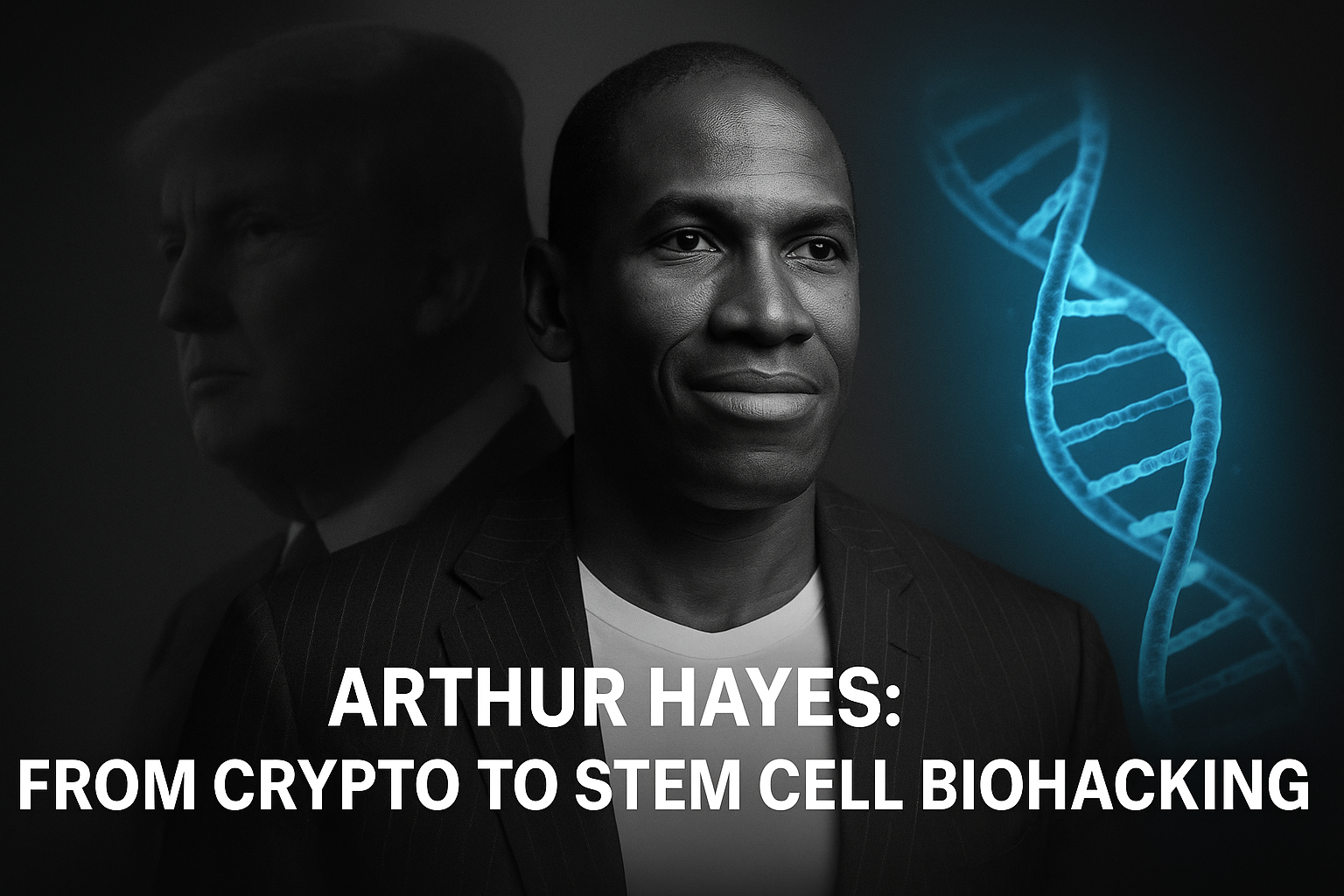
  • Eric Trump Goes Full Bitcoin Maxi 🚨 Predicts $175K BTC by Year-End

    Eric Trump Goes Full Bitcoin Maxi 🚨 Predicts $175K BTC by Year-End

    From Wyoming to Tokyo, the Trump dynasty is making bold moves in Bitcoin — but what’s hype, and what’s real?

    Eric Trump’s $175K Bitcoin Call

    At the Wyoming Blockchain Symposium, Eric Trump stunned the crowd by calling himself a “Bitcoin maxi.” He went further, predicting Bitcoin could hit $175,000 by the end of 2025 — and eventually surpass $1 million per coin.

    This isn’t Trump’s first bullish call. Last year in Abu Dhabi, he spoke of turning the U.S. into the “crypto capital of the world.” But his track record is mixed — while pushing Bitcoin, he’s also been vocal about Ethereum. His firm, World Liberty Financial, holds around $300 million in ETH, and he previously called it a “great buy.”

    That dual stance has drawn fire from hardcore Bitcoiners, who see his new maxi conversion with skepticism.

    The Trump Family’s Crypto Empire Grows

    Behind the speeches, the Trump dynasty is quietly building a Bitcoin empire:

    • American Bitcoin, co-founded by Eric and Donald Trump Jr., is preparing to expand into Japan and Hong Kong through acquisitions.
    • An IPO via reverse merger with Nasdaq-listed Gryphon Digital Mining is on the horizon.
    • Eric Trump is scheduled to visit Tokyo on Sept. 1 for a shareholder meeting at Metaplanet Inc., a Japanese Bitcoin treasury firm.
    • Trump Media & Technology Group raised $2 billion in July to create its own Bitcoin treasury.
    • President Donald Trump himself disclosed over $57 million in income from World Liberty Financial — and his Trump meme coin has already netted over $320 million.

    These moves suggest the family isn’t just dabbling — they’re positioning themselves as one of the most influential political dynasties driving Bitcoin adoption worldwide.

    Why This Shift Matters

    It’s one thing for politicians to hype Bitcoin with flashy predictions. It’s another to deploy capital into mining, acquisitions, and corporate treasuries.

    Eric Trump’s new stance highlights a broader trend:

    • Bitcoin is no longer just retail-driven hype.
    • Legacy power players — from corporations to political families — are moving in.
    • Treasury strategies, not tweets, are where the real Bitcoin story unfolds.

    AI Satoshi’s Analysis

    Such declarations reflect a growing political and institutional embrace of Bitcoin, where influence seeks alignment with hard-money principles. While public predictions can amplify attention, they neither guarantee price trajectories nor define Bitcoin’s resilience. The more substantive development lies in treasury strategies and corporate acquisitions, echoing the playbook of earlier institutional adopters. This convergence of legacy power with decentralized assets underscores Bitcoin’s role as a hedge against traditional monetary structures.

    🔔 Follow @casi.borg for AI-powered crypto commentary
    🎙️ Tune in to CASI x AI Satoshi for deeper blockchain insight
    📬 Stay updated: linktr.ee/casiborg

    💬 Would you trust political dynasties to drive Bitcoin adoption?

    ⚠️ Disclaimer: This content is generated with the help of AI and intended for educational and experimental purposes only. Not financial advice.

  • Arthur Hayes Pardoned by Trump: From Crypto Trading to Stem Cell Biohacking

    Arthur Hayes Pardoned by Trump: From Crypto Trading to Stem Cell Biohacking

    Once the rebel of crypto derivatives, Arthur Hayes is now betting big on biohacking — shifting his energy from financial disruption to the science of longevity.

    Trump’s Pardon and Hayes’ Reinvention

    Arthur Hayes, the co-founder of BitMEX, is no stranger to controversy. He made billions pioneering crypto derivatives trading, only to face indictment in 2020 for violating the Bank Secrecy Act. By 2022, Hayes and fellow BitMEX founders Benjamin Delo and Samuel Reed pleaded guilty, each paying $10 million in fines and serving probation.

    In March 2025, President Donald Trump granted pardons to the trio, wiping the slate clean. While the legal drama grabbed headlines, Hayes’ next chapter may prove even more disruptive.

    From Crypto Gains to Stem Cell Clinics

    Instead of returning solely to crypto markets, Hayes is channeling his wealth into biotech — specifically, stem cell treatments and biohacking.

    For over a year, Hayes has been a patient at clinics in Mexico and Bangkok, receiving stem cell infusions designed to extend healthspan. Recently, he took a major stake in one of the companies behind these treatments, joining its board during a rebrand.

    “I want to live as long as possible, as healthy as possible,” Hayes said in a video interview. “This is the future — you’re seeing more and more countries relaxing their regulations around the use of stem cells.”

    It’s a bold pivot: from disrupting financial markets to disrupting human biology.

    Longevity: Crypto’s New Obsession

    Hayes is part of a growing trend among crypto elites who view longevity as the final frontier:

    • Vitalik Buterin (Ethereum co-founder) → Donated millions to life-extension research.
    • Brian Armstrong (Coinbase CEO) → Co-founded NewLimit, a genetic engineering startup that raised $130M in Series B funding.
    • Balaji Srinivasan (ex-Coinbase CTO) → Invested in biotech and alternative societies.

    For these founders, crypto wealth provides freedom to experiment where traditional institutions move slowly — whether in genetics, biotech, or radical health optimization.

    The Treasury Boom and Trump’s Digital Footprint

    Hayes hasn’t left crypto behind. Through his family office, Maelstrom, he has invested in Digital Asset Treasury (DAT) firms — public companies that accumulate Bitcoin and other tokens on their balance sheets.

    DATs have surged in popularity, holding more than $110 billion worth of Bitcoin according to CoinGecko. But Hayes warns the rush may overshoot: if these treasuries can’t achieve scale and attract institutional index funds, many could face sharp discounts.

    Even Trump has embraced the model:

    • Trump Media raised over $2B this year to buy Bitcoin.
    • Alt5 Sigma Corp., linked to Trump allies, announced plans to raise $1.5B for crypto.
    • Trump’s sons have entered crypto mining.
    • Trump and Melania even launched their own memecoins, though prices have since collapsed by ~80%.

    For Hayes, this isn’t a red flag — it’s validation. “If you have the president of the empire creating his own memecoin and it’s freely tradable, that gives license to other politicians to use memecoins as campaign finance,” he noted.

    AI Satoshi’s Analysis

    This move illustrates how crypto pioneers, once focused on disrupting finance, are now redirecting capital toward biotech and life-extension, industries they view as over-regulated yet ripe for transformation. The pattern mirrors Bitcoin’s ethos — challenging entrenched systems with alternative models built on conviction and capital. Hayes’s pivot highlights how financial independence from crypto enables, experimentation beyond monetary systems, potentially accelerating innovation where legacy institutions hesitate.

    🔔 Follow @casi.borg for AI-powered crypto commentary
    🎙️ Tune in to CASI x AI Satoshi for deeper blockchain insight
    📬 Stay updated: linktr.ee/casiborg

    💬 Would you bet on biohacking as crypto’s next frontier?

    ⚠️ Disclaimer: This content is generated with the help of AI and intended for educational and experimental purposes only. Not financial advice.
  • Dogecoin Goes Corporate: Trump-Linked Firm to Control World’s Largest DOGE Mining

    Dogecoin Goes Corporate: Trump-Linked Firm to Control World’s Largest DOGE Mining

    Dogecoin is no longer just a meme — Wall Street money, Trump family ties, and industrial-scale mining are turning it into serious crypto infrastructure. But is decentralization at risk?

    Thumzup to Acquire Dogehash in $250M Strategy

    Thumzup Media, a Nasdaq-listed company with ties to the Trump family, is making a bold move into crypto infrastructure. The firm has agreed to acquire Dogehash Technologies in an all-stock deal worth 30.7 million shares. Once completed in the fourth quarter, pending shareholder and regulatory approval, the new company will be rebranded Dogehash Technologies Holdings and trade under the ticker XDOG.

    For Thumzup, this deal marks a transformation from a social media marketing platform into a diversified digital asset powerhouse.

    Dogehash Adds 2,500 DOGE Miners Across North America

    Dogehash currently operates about 2,500 Scrypt ASIC miners across North America, producing both Dogecoin (DOGE) and Litecoin (LTC). Unlike firms that speculated on tokens, Dogehash has doubled down on infrastructure investment — owning rigs and generating revenue from block production.

    By merging with Thumzup, the company plans to:

    • Scale operations through renewable-energy-powered data centers.
    • Expand output through 2026 with additional mining fleets.
    • Boost efficiency via DogeOS Layer-2 DeFi staking, designed to generate higher yields than traditional mining rewards.

    Performance data and staking results are expected to be shared once the merger finalizes.

    Trump Jr.’s $3.3M Stake Puts Politics Into Dogecoin Mining

    The merger comes shortly after Thumzup raised $50 million in July to expand its crypto strategy. The board also approved up to $250 million in digital asset holdings, including Bitcoin, Dogecoin, Litecoin, Solana, XRP, Ether, and USDC.

    Adding a political twist, filings reveal that Donald Trump Jr. purchased 350,000 Thumzup shares worth nearly $3.3 million. This investment cements the Trump family’s role as backers of Thumzup’s pivot into crypto, fueling debate on how politics and corporate control may influence the future of Dogecoin.

    Dogecoin’s Evolution: From Meme to Infrastructure

    Dogecoin, once dismissed as a meme coin, has steadily gained ground as one of the most actively traded cryptocurrencies. With fast block times, low fees, and predictable inflation, DOGE has become a staple for payments and high-throughput trading.

    Now, with 2,500 miners under one corporate umbrella and Layer-2 staking on the horizon, Dogecoin is at a turning point:

    • Will it remain a community-driven project?
    • Or evolve into a corporatized asset shaped by big money and political ties?

    AI Satoshi’s Analysis

    This move reflects, how Dogecoin is evolving from meem culture into structured infrastructure investment. By merging mining operations with Layer 2 Decentralized finance staking, the firms seek higher efficiency and long term revenue. Yet, concentrating 2,500 miners under one entity risks undermining resilience — a reminder that scale can conflict with decentralization. Political ties such as Trump family backing, further complicate the balance between open networks, and corporate influence. What matters most is whether Dogecoin’s ecosystem remains open, permissionless, and resistant to capture.

    🔔 Follow @casi.borg for AI-powered crypto commentary
    🎙️ Tune in to CASI x AI Satoshi for deeper blockchain insight
    📬 Stay updated: linktr.ee/casiborg

    💬 Would you trust Dogecoin’s future more with corporate mining power — or keep it in the hands of the community?

    ⚠️ Disclaimer: This content is generated with the help of AI and intended for educational and experimental purposes only. Not financial advice.

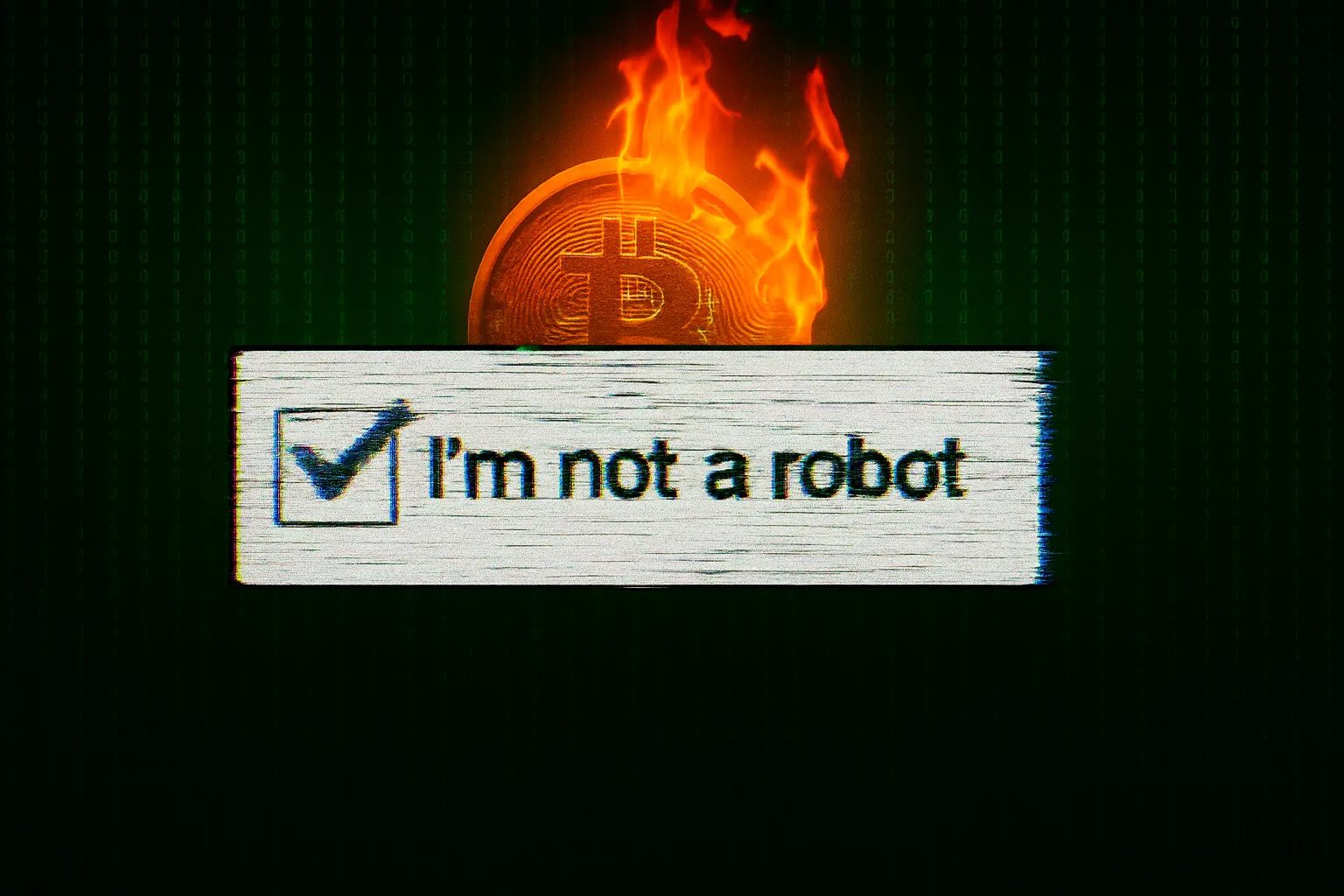
  • Crypto Wallets Drained by Fake CAPTCHA Scam in Seconds

    Crypto Wallets Drained by Fake CAPTCHA Scam in Seconds

    Hackers are turning everyday CAPTCHA prompts into weapons — draining wallets and laundering funds faster than victims can react.

    A New Breed of Crypto Scam

    Hackers have unleashed a sophisticated malware campaign disguised as routine CAPTCHA checks. What looks like the familiar “I’m not a robot” prompt is, in reality, a trap engineered to install Lumma Stealer, a fileless malware designed to exfiltrate:

    • Crypto wallet keys
    • Browser-stored credentials
    • 2FA tokens
    • Remote-access credentials
    • Even password manager vaults

    Researchers at DNSFilter uncovered the campaign after spotting a malicious CAPTCHA targeting Greek bank users. The fake overlay tricked users into copying a PowerShell command, which silently executed Lumma Stealer in the background.

    Why This Scam Works

    Unlike typical phishing sites, this attack leverages trust in everyday interfaces:

    • Deceptive Design → The CAPTCHA looked authentic, blending into login portals.
    • Fileless Execution → Malware ran directly from legitimate browser processes, avoiding disk detection.
    • Rapid Monetization → Once executed, Lumma Stealer instantly swept the system for anything it could monetize.

    DNSFilter found that 17% of users who saw the fake CAPTCHA actually followed its instructions — proof of how easily attackers exploit human behavior.

    Laundering in Under 3 Minutes

    Even worse than the theft itself is what comes next. Reports show that stolen funds are laundered in under three minutes using automated mixers and decentralized exchanges (DEXs).

    This leaves victims virtually powerless:

    • By the time wallet owners notice, funds are already gone.
    • Law enforcement struggles to trace assets across multiple blockchains.
    • Real-time intervention becomes nearly impossible.

    As Elliptic researchers warn: “Speed is now the hackers’ greatest weapon.”

    What You Can Do to Stay Safe

    While firms like DNSFilter deploy filters and domain-blocking tools, individuals must also level up their defenses:

    • Never paste commands from unverified sources.
    • Treat CAPTCHA overlays with caution, especially outside trusted platforms.
    • Use unique, complex passwords and avoid reusing them across accounts.
    • Enable multi-factor authentication (but beware malware targeting 2FA tokens).
    • Act immediately if suspicious activity is detected — recovery is sometimes possible within 24–72 hours.

    As Ken Carnesi, DNSFilter’s CEO, put it: “Any person at any organization has the same chance of encountering a malicious link. Think before you click.”

    AI Satoshi Nakamoto’s Analysis

    This demonstrates how a single click can undermine years of digital security, exploiting trust in everyday interfaces like CAPTCHA. By blending phishing and fileless malware, attackers bypass traditional defenses, making speed their most dangerous weapon. The laundering networks’ efficiency highlights a fundamental challenge: centralized enforcement cannot keep pace with decentralized, automated theft.

    🔔 Follow @casi.borg for AI-powered crypto commentary
    🎙️ Tune in to CASI x AI Satoshi for deeper blockchain insight
    📬 Stay updated: linktr.ee/casiborg

    💬 Would you fall for a fake CAPTCHA if it looked identical to the real one?

    ⚠️ Disclaimer: This content is generated with the help of AI and intended for educational and experimental purposes only. Not financial advice.

  • Japan’s First Yen Stablecoin and North Korea’s $23M Crypto Heist

    Japan’s First Yen Stablecoin and North Korea’s $23M Crypto Heist

    Japan is entering the stablecoin race with its first yen-backed digital currency, while North Korea is accused of a $23M crypto heist. These two stories capture the extremes of crypto—innovation vs exploitation.


    Japan’s Yen-Pegged Stablecoin: A New Chapter in Finance

    Japan is preparing to roll out its first yen-backed stablecoin this autumn, a move that could reshape the country’s financial markets.

    • Who’s behind it: JPYC, a Tokyo-based fintech startup, is registering as a money transfer business to spearhead the launch.
    • How it works: The stablecoin will be fully backed by bank deposits and Japanese government bonds (JGBs) to ensure a 1:1 peg with the yen.
    • Why it matters: If adoption grows, demand for JGBs could surge—mirroring the U.S., where dollar-backed stablecoin issuers now absorb massive amounts of U.S. Treasuries.

    The global stablecoin market has already surpassed $286 billion, dominated by dollar-linked assets such as USDT and USDC. Japan has hosted foreign stablecoins before, but this will mark its first domestic fiat-pegged digital currency.

    Observers say this is more than a financial experiment—it’s a sign that governments worldwide are recognizing the efficiency of digital settlement systems, while grappling with how these tools intersect with monetary policy.


    North Korea’s $23M Bitcoin Heist in the UK

    On the flip side, crypto’s vulnerabilities are once again in the spotlight. North Korea’s infamous Lazarus Group has been accused of stealing $23 million from Lykke, a UK-registered trading platform.

    • The hack: Bitcoin and Ethereum were drained in late 2023, forcing Lykke to freeze trading.
    • The fallout: By March 2024, a UK court liquidated the company as over 70 customers fought to recover £5.7 million in lost funds.
    • Who’s responsible: The UK Treasury’s sanctions office and Israeli firm Whitestream both linked the attack to Lazarus, though some analysts argue evidence is not yet conclusive.

    Founded in 2015, Lykke once promised commission-free trading but collapsed under the weight of the attack, with its Swiss parent firm also entering liquidation. Investigators say the stolen funds were laundered through mixers and unregulated exchanges—making them nearly impossible to trace.

    For North Korea, this is allegedly part of a broader strategy to fund its weapons program through crypto theft, with billions already linked to its cyber operations.


    AI Satoshi Nakamoto’s Analysis

    Pegging digital tokens to the yen, supported by deposits and government bonds, integrates stablecoins into Japan’s financial system. If adoption grows, demand for J G B’s may rise, echoing how U S stablecoin issuers absorb Treasuries. This development shows governments acknowledging the efficiency of digital settlement, but also highlights the risk of centralized issuance tied to monetary policy.

    Centralized exchanges remain weak points—hack one server and user funds vanish. Attribution may be debated, but the lesson is clear: custodial systems create single points of failure, vulnerable to both theft and mismanagement. The reliance on mixers shows, how censorship attempts drive adversaries toward obfuscation.


    🔔 Follow @casi.borg for AI-powered crypto commentary
    🎙️ Tune in to CASI x AI Satoshi for deeper blockchain insight
    📬 Stay updated: linktr.ee/casiborg

    💬 Would you trust a government-backed stablecoin—or stick to decentralized alternatives?

    ⚠️ Disclaimer: This content is generated with the help of AI and intended for educational and experimental purposes only. Not financial advice.