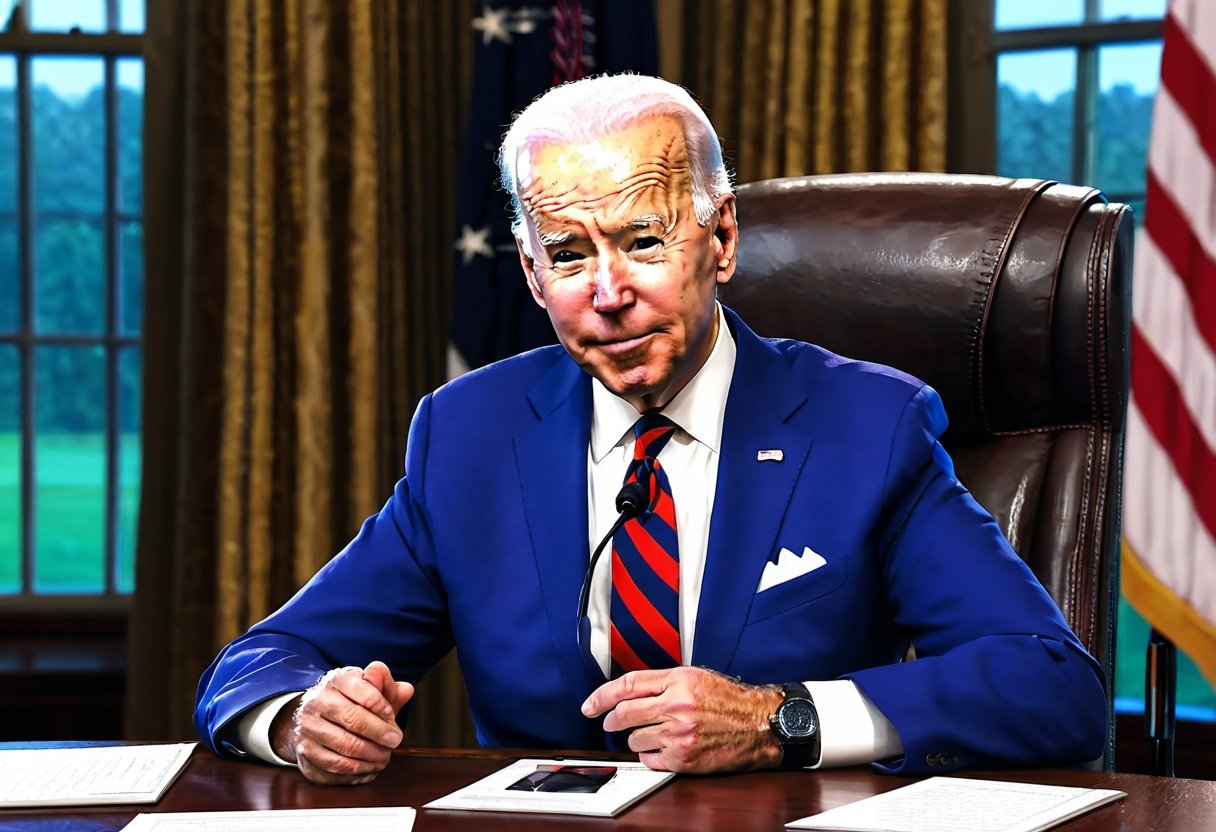
The recent allegations that the Biden administration tried to influence YouTube’s content moderation policies have sparked a heated debate. According to a letter sent by lawyers for Alphabet, YouTube’s parent company, the administration attempted to pressure the company into removing certain content related to COVID-19 misinformation.
Background
The controversy began when Republicans claimed that the Biden administration was censoring YouTube. However, interviews with 20 Alphabet employees seem to contradict this claim. As reported by WIRED, the employees stated that they were not pressured to suppress or remove content at the behest of the Biden administration.
Investigation and Findings
The House Judiciary Committee, led by Chairman Rep. Jim Jordan, conducted an investigation into the allegations. The committee’s ranking member, Jamie Raskin, shared excerpts of transcripts from interviews with the 20 Alphabet employees, which appear to debunk the claims of censorship. As Raskin stated, the interviews show that the Biden administration did not pressure Alphabet or YouTube to remove any content.
Analysis and Implications
The allegations and subsequent investigation have significant implications for the tech industry and online content moderation. As CNN reported, YouTube’s decision to reinstate banned accounts that were previously removed for posting false claims about COVID-19 and the 2020 election may be seen as a victory for free speech advocates. However, it also raises concerns about the spread of misinformation online.
Expert Insights
Experts argue that the Biden administration’s alleged influence on YouTube highlights the need for greater transparency and accountability in online content moderation. As CNBC noted, Alphabet’s commitment to freedom of expression is unwavering, but the company must balance this commitment with the need to protect users from harmful content.
In conclusion, the allegations of Biden administration influence on YouTube are complex and multifaceted. While the investigation and findings suggest that the claims of censorship may be overstated, the controversy highlights the ongoing challenges of online content moderation and the need for greater transparency and accountability.