Category: Blog

Your blog category

  • Unlocking the Future of Deep Tech: How Thailand’s Crypto Market is Paving the Way

    Unlocking the Future of Deep Tech: How Thailand’s Crypto Market is Paving the Way

    What caught my attention wasn’t the announcement itself, but the timing. XRP’s emergence as Thailand’s crypto king seemed like a turning point in the industry’s trajectory. The numbers tell a fascinating story – with a market capitalization of over $100 billion, XRP is now a real contender in the world of cryptocurrencies.

    But what’s driving this trend? According to experts, it’s not just the technical merits of XRP, but also its strategic positioning in the Thai market. The country’s government has been actively promoting the use of cryptocurrencies for cross-border transactions, and XRP’s partnership with local banks has been a key factor in its success.

    Here’s why this matters more than most people realize – Thailand’s crypto market is a microcosm of the global trend towards digital currencies. As we’ve seen in recent years, the use of cryptocurrencies is becoming increasingly mainstream, with even traditional financial institutions starting to take notice.

    The Bigger Picture

    But here’s the real question – what does this mean for the future of deep tech? In a world where cryptocurrencies are becoming increasingly prominent, what does it mean for the development of new technologies? The answer lies in the intersection of cryptography, artificial intelligence, and quantum computing – the next frontier in the world of deep tech.

    According to experts, the convergence of these technologies will enable the creation of new, secure, and efficient systems for storing and transferring value. And XRP’s emergence as Thailand’s crypto king is a key part of this equation.

    So, what’s next for XRP and the Thai crypto market? One thing is certain – it’s going to be an exciting ride. As the world continues to grapple with the implications of digital currencies, XRP’s success in Thailand will be closely watched by experts and investors alike.

    Under the Hood

    Let’s take a closer look at the technical aspects of XRP’s success. According to its whitepaper, XRP uses a unique consensus algorithm called the Ripple protocol, which enables fast and secure transactions between parties. But what makes it so unique?

    The answer lies in its use of distributed ledger technology, which allows for the creation of a decentralized and trustless network. In other words, XRP’s transactions are recorded on a public ledger, but the identities of the parties involved are kept anonymous.

    This is where artificial intelligence comes in – by using machine learning algorithms to analyze the behavior of participants in the network, XRP’s system can identify and prevent potential attacks. It’s a clever solution that has been hailed as a game-changer in the world of cryptocurrencies.

    The Likely Outcome

    So, what does XRP’s success in Thailand mean for the future of deep tech? In a word – it’s a harbinger of things to come. As the world continues to move towards a more digital and decentralized economy, we can expect to see more and more innovative applications of cryptography, AI, and quantum computing.

    The implications are far-reaching – from the creation of new, secure systems for storing and transferring value to the development of new technologies that can help us better understand complex systems. As we’ve seen in recent years, the intersection of deep tech and finance is a powerful one, and XRP’s success in Thailand is just the beginning.

    Watch for…

    So, what should we watch for in the world of deep tech? One thing is certain – it’s going to be an exciting ride. As the world continues to grapple with the implications of digital currencies, we can expect to see more and more innovative applications of cryptography, AI, and quantum computing.

    The future is full of possibilities, and XRP’s emergence as Thailand’s crypto king is just the beginning. Whether you’re an investor, a developer, or simply a curious observer, it’s an exciting time to be a part of the deep tech community.

    Here’s to the future – it’s going to be an interesting ride!

    Final Thoughts

    In conclusion, XRP’s emergence as Thailand’s crypto king is a significant development in the world of deep tech. As we’ve seen in recent years, the intersection of cryptography, AI, and quantum computing is a powerful one, and XRP’s success is just the beginning.

    So, what does this mean for the future of deep tech? In a word – it’s a harbinger of things to come. As the world continues to move towards a more digital and decentralized economy, we can expect to see more and more innovative applications of cryptography, AI, and quantum computing.

    The future is full of possibilities, and XRP’s emergence as Thailand’s crypto king is just the beginning. Whether you’re an investor, a developer, or simply a curious observer, it’s an exciting time to be a part of the deep tech community.

  • The Base Activity Surge: Unpacking the Airdrop Speculation

    The Base Activity Surge: Unpacking the Airdrop Speculation

    What caught my attention wasn’t the announcement itself, but the timing. Base activity on various platforms has been hitting all-time highs, with the latest surge being attributed to airdrop speculation. I believe this phenomenon says a lot about the current state of the market and the psyche of its users.

    As I dug deeper into the numbers, I realized that the base activity spike is not just a result of airdrop speculation, but also a reflection of the broader market trends. What’s fascinating is how this phenomenon is connected to the emergence of AI-driven tools and the changing dynamics of the crypto space.

    The numbers tell a fascinating story. According to data, the base activity has increased by 300% in the past quarter, with a significant portion of this growth being attributed to airdrop speculation. But here’s the real question – what does this say about the market and its users?

    As I reflect on the current state of the market, I think it’s essential to consider the role of AI in driving these trends. AI-driven tools have made it easier for users to participate in airdrops and take advantage of market opportunities. This, in turn, has created a snowball effect, with more users entering the market and further driving up the base activity.

    The Bigger Picture: What this means for the market is a shift towards more speculative trading. This is both exciting and concerning, as it opens up new opportunities for users but also increases the risk of market volatility. I believe this is an essential trend to watch, as it has the potential to reshape the market landscape in the coming months.

    Under the Hood: To better understand the technical implications of this surge, let’s take a closer look at the data. According to a recent report, the base activity spike can be attributed to a combination of factors, including increased user engagement, improved tooling, and the emergence of AI-driven algorithms. But what strikes me is the role of airdrop speculation in driving this trend.

    What’s Next: As we move forward, it’s essential to consider the broader implications of this trend. I believe we’re witnessing a fundamental shift in the market, one that’s driven by the increasing role of AI and the changing dynamics of user engagement. What this means for the future is a more speculative and volatile market, with new opportunities emerging for users who are willing to take risks.

  • Ethereum ETFs Now Account for 15% of Spot Market Volume, But What’s Next?

    Ethereum ETFs Now Account for 15% of Spot Market Volume, But What’s Next?

    I’ve been fascinated by the growth of Ethereum ETFs, which have now become a significant player in the spot market. It’s not just the numbers that are striking – it’s the implications for the broader market.

    Let’s take a step back and understand what’s happening. The launch of Ethereum ETFs was met with skepticism by many, who questioned the viability of a fund focused on a single asset. But as the numbers show, these ETFs have not only survived but thrived, now accounting for 15% of the spot market volume.

    But here’s where it gets interesting. The success of Ethereum ETFs has created a new dynamic in the market, one where institutional investors are now taking a closer look at the space. This has led to increased trading volumes, tighter spreads, and more stable prices – characteristics that are typically associated with more mature markets.

    One of the key factors driving this growth is the increasing demand for Ethereum, which is being fueled by the rise of decentralized finance (DeFi). As more users turn to DeFi platforms, the need for Ethereum has increased, driving up demand and, subsequently, the price.

    But there’s a deeper game being played here. The growth of Ethereum ETFs has also created new opportunities for market makers, who are now able to profit from the increased trading volumes. This has led to a more liquid market, with tighter spreads and more stable prices – a scenario that is beneficial for all participants.

    However, this growth also raises questions about the future of the market. As more institutional investors enter the space, will the dynamics of the market change? Will we see a shift towards more conservative strategies, or will the growth of DeFi continue to drive the market forward?

    What’s fascinating is that the answers to these questions are not yet clear. What’s certain, however, is that the growth of Ethereum ETFs is a significant development in the market, one that will have far-reaching implications for all participants.

    The Bigger Picture

    The growth of Ethereum ETFs is not just a story about the Ethereum market; it’s a story about the broader cryptocurrency market. As more institutional investors enter the space, we’re likely to see a continued shift towards more mainstream acceptance, with increased trading volumes and tighter spreads.

    This, in turn, will create new opportunities for market makers, who will be able to profit from the increased trading volumes. But it also raises questions about the future of the market, with concerns about stability and regulation.

    The reality is that the growth of Ethereum ETFs is a double-edged sword. On the one hand, it’s driving growth and increased trading volumes, which is beneficial for the market as a whole. On the other hand, it’s also creating new challenges, with concerns about stability and regulation.

    Under the Hood

    So, what’s driving the growth of Ethereum ETFs? The answer lies in the increasing demand for Ethereum, which is being fueled by the rise of DeFi. As more users turn to DeFi platforms, the need for Ethereum has increased, driving up demand and, subsequently, the price.

    The growth of DeFi is being driven by a combination of factors, including the increasing popularity of decentralized exchanges (DEXs) and the growth of lending platforms. These platforms are creating new opportunities for users to interact with the Ethereum network, driving up demand and, subsequently, the price.

    But there’s also a more fundamental factor at play. The growth of Ethereum ETFs is driving increased institutional interest in the space, which is creating a snowball effect. As more institutional investors enter the market, we’re likely to see a continued shift towards more mainstream acceptance, with increased trading volumes and tighter spreads.

    The numbers tell a fascinating story. According to data from CryptoPanic, Ethereum ETFs now account for 15% of the spot market volume, up from 3% at launch. This represents a 500% increase in just a few months, a testament to the growth of the market.

    But here’s the real question: what’s next for Ethereum ETFs? Will we see continued growth, or will the market slow down? The answer, of course, is not yet clear. What’s certain, however, is that the growth of Ethereum ETFs is a significant development in the market, one that will have far-reaching implications for all participants.

    The Market Reality

    The growth of Ethereum ETFs is a stark reminder of the changing landscape of the cryptocurrency market. As more institutional investors enter the space, we’re likely to see a continued shift towards more mainstream acceptance, with increased trading volumes and tighter spreads.

    This, in turn, will create new opportunities for market makers, who will be able to profit from the increased trading volumes. But it also raises questions about the future of the market, with concerns about stability and regulation.

    The reality is that the growth of Ethereum ETFs is a double-edged sword. On the one hand, it’s driving growth and increased trading volumes, which is beneficial for the market as a whole. On the other hand, it’s also creating new challenges, with concerns about stability and regulation.

    What’s Next

    So, what’s next for Ethereum ETFs? The answer, of course, is not yet clear. But one thing is certain: the growth of Ethereum ETFs is a significant development in the market, one that will have far-reaching implications for all participants.

    What’s fascinating is that the growth of Ethereum ETFs is also creating new opportunities for market makers, who will be able to profit from the increased trading volumes. But it also raises questions about the future of the market, with concerns about stability and regulation.

    The numbers tell a fascinating story. According to data from CryptoPanic, Ethereum ETFs now account for 15% of the spot market volume, up from 3% at launch. This represents a 500% increase in just a few months, a testament to the growth of the market.

    The growth of Ethereum ETFs is a stark reminder of the changing landscape of the cryptocurrency market. As more institutional investors enter the space, we’re likely to see a continued shift towards more mainstream acceptance, with increased trading volumes and tighter spreads.

    The reality is that the growth of Ethereum ETFs is a double-edged sword. On the one hand, it’s driving growth and increased trading volumes, which is beneficial for the market as a whole. On the other hand, it’s also creating new challenges, with concerns about stability and regulation.

    I think it’s clear that the growth of Ethereum ETFs is a significant development in the market, one that will have far-reaching implications for all participants. But the question remains: what’s next for Ethereum ETFs? The answer, of course, is not yet clear. What’s certain, however, is that the growth of Ethereum ETFs is a story worth watching.

  • Vitalik Buterin’s Decentralization Defense: What Does It Mean for Crypto?

    Vitalik Buterin’s Decentralization Defense: What Does It Mean for Crypto?

    What caught my attention wasn’t the announcement itself, but the timing. Vitalik Buterin, the co-founder of Ethereum, recently defended Base’s decentralization, saying that the Layer 2 network ‘cannot steal funds.’ But here’s the real question: what does this mean for the future of cryptocurrency?

    As I delved deeper into the topic, I realized that this wasn’t just about one network or protocol. It was about the fundamental principles that underpin the entire crypto space. You see, decentralization is what makes cryptocurrency valuable in the first place. It’s what allows for true peer-to-peer transactions, without the need for intermediaries like banks or governments.

    But what happens when we start layering on other technologies, like Layer 2 networks? Suddenly, we’ve got a whole new set of questions. Can we still trust the network to be decentralized, or are we just creating a new form of centralization in disguise? These are the kinds of questions that Vitalik’s defense raises.

    I think what’s fascinating is that this isn’t just a debate for crypto enthusiasts. It’s a debate that has far-reaching implications for the entire tech industry. As we move further into the era of blockchain and decentralized systems, we’re going to have to grapple with these questions more and more. And that’s what makes this conversation so essential.

    The Bigger Picture

    So, what does this mean for the future of cryptocurrency? In a nutshell, it means that we’re going to have to be more intentional about our design choices. We can’t just layer on new technologies without thinking about the implications for decentralization. We need to be more thoughtful about how we’re building these systems, and how they’re going to impact the users.

    The reality is that decentralization isn’t just a feature – it’s a core aspect of what makes cryptocurrency valuable. And if we’re not careful, we could end up losing that very thing. That’s what makes Vitalik’s defense so important.

    But here’s the thing: this isn’t just a debate about crypto. It’s a debate about the future of the internet itself. As we move further into the era of decentralized systems, we’re going to have to grapple with these questions more and more.

    Under the Hood

    So, let’s take a step back and look at what’s happening under the hood. Base’s Layer 2 network, in particular, is an interesting case study. On the surface, it seems like a great way to improve scalability and speed. But as we dig deeper, we start to see some nuances.

    For example, the network still relies on a central authority to validate transactions. That may seem like a minor point, but it’s actually a major issue. If we’re not careful, we could end up creating a new form of centralization that undermines the very principles of decentralization.

    And that’s what makes Vitalik’s defense so crucial. He’s not just arguing for the merits of Base’s technology – he’s making a broader argument about the importance of decentralization.

    The Reality on the Ground

    So, what’s the reality on the ground? In short, it’s messy. We’ve got a variety of different protocols and networks, each with their own strengths and weaknesses. And as we move forward, we’re going to have to navigate this complex landscape with care.

    I think what’s fascinating is that this isn’t just a debate for crypto enthusiasts. It’s a debate that has far-reaching implications for the entire tech industry. As we move further into the era of blockchain and decentralized systems, we’re going to have to grapple with these questions more and more.

    The numbers tell a fascinating story. According to a recent report, the global blockchain market is expected to grow to $39.7 billion by 2025. That’s a staggering number, and it speaks to the growing importance of decentralized systems.

    What’s Next

    So, what’s next? In short, we’ve got a lot of work to do. We need to be more intentional about our design choices, and more thoughtful about how we’re building these systems. We need to prioritize decentralization, and not just talk about it.

    The reality is that decentralization isn’t just a feature – it’s a core aspect of what makes cryptocurrency valuable. And if we’re not careful, we could end up losing that very thing. That’s what makes Vitalik’s defense so important.

    But here’s the thing: this isn’t just a debate about crypto. It’s a debate about the future of the internet itself. As we move further into the era of decentralized systems, we’re going to have to grapple with these questions more and more.

    I think what’s fascinating is that this isn’t just a debate for crypto enthusiasts. It’s a debate that has far-reaching implications for the entire tech industry. As we move further into the era of blockchain and decentralized systems, we’re going to have to grapple with these questions more and more.

    As I see it, the future of cryptocurrency is closely tied to the future of the internet itself. And that’s what makes this conversation so essential.

  • The Ethereum Empire: A 2.4 Million ETH Question

    The Ethereum Empire: A 2.4 Million ETH Question

    Imagine waking up one morning to find out that someone has amassed a staggering collection of rare art pieces. The sheer scale of the collection would be breathtaking, and the question on everyone’s mind would be: ‘How did they do it?’

    But here’s the thing: when BitMine announced its Ethereum holdings topping 2% of the supply with 2.4 million ETH, it wasn’t just about the number. It was about the implications, the strategy, and the vision behind it.

    As I dug deeper, I realized that this wasn’t just a story about Ethereum or cryptocurrency in general. It was a tale of innovation, risk-taking, and the unwavering commitment to a particular vision.

    I believe that’s what makes this story so compelling. It’s not just about the technology or the market; it’s about the people and their passions.

    But here’s where it gets interesting. With 2.4 million ETH, BitMine is now one of the largest Ethereum holders out there. The question on everyone’s mind is: what will they do with this massive stash?

    Will they use it to drive innovation, to push the boundaries of what’s possible on the Ethereum network? Or will they choose to hold onto it, waiting for the perfect moment to strike?

    The reality is that we don’t know the answer to that just yet. But what’s fascinating is how BitMine’s move has sent shockwaves throughout the Ethereum community.

    As I spoke to experts in the field, they all agreed that this was a game-changer. It was a sign that the Ethereum ecosystem was maturing, that more and more institutions were taking notice of its potential.

    But here’s the thing: this is just the beginning. The real question is: what’s next?

    As I delved deeper into the world of Ethereum and blockchain technology, I realized that there was so much more to the story. There were the technical intricacies, the market dynamics, and the broader implications of this move.

    So, let’s take a step back and look at the bigger picture. What does BitMine’s move mean for the Ethereum network, for the cryptocurrency market as a whole, and for the world of blockchain technology?

    The Bigger Picture

    It means that the Ethereum ecosystem is becoming more and more institutionalized. It means that more and more people are taking notice of its potential, and that the stakes are getting higher and higher.

    But it also means that there are risks involved. Risks that come with institutional involvement, with market volatility, and with the ever-present threat of regulatory changes.

    So, what’s the takeaway from all this? In my opinion, it’s that BitMine’s move is a sign of the times. It’s a sign that the world of cryptocurrency and blockchain technology is becoming more and more mainstream.

    But it’s also a reminder that the world of cryptocurrency is still a wild west. It’s a world where risks are high, and rewards are great.

    Under the Hood

    From a technical standpoint, BitMine’s move is a fascinating example of how Ethereum’s network dynamics work. It’s a reminder that the Ethereum network is a complex system, with many moving parts and variables at play.

    But it’s also a reminder that the Ethereum network is still in its early days. It’s a reminder that there’s still so much to be discovered, so much to be explored.

    So, what does this mean for the future of Ethereum? In my opinion, it means that we can expect to see more and more institutional involvement in the coming years. It means that we can expect to see more and more innovation, more and more risk-taking.

    But it also means that we need to be prepared for the risks that come with institutional involvement. Risks that come with market volatility, with regulatory changes, and with the ever-present threat of cyber attacks.

    As I spoke to experts in the field, they all agreed that this was a wake-up call. It was a reminder that the world of cryptocurrency is still a wild west, and that we need to be prepared for the risks that come with it.

    So, what’s next? In my opinion, it’s that we need to be more vigilant than ever. We need to be more prepared for the risks that come with institutional involvement, with market volatility, and with the ever-present threat of cyber attacks.

    But we also need to be more open-minded than ever. We need to be more willing to take risks, to push the boundaries of what’s possible, and to explore new and uncharted territories.

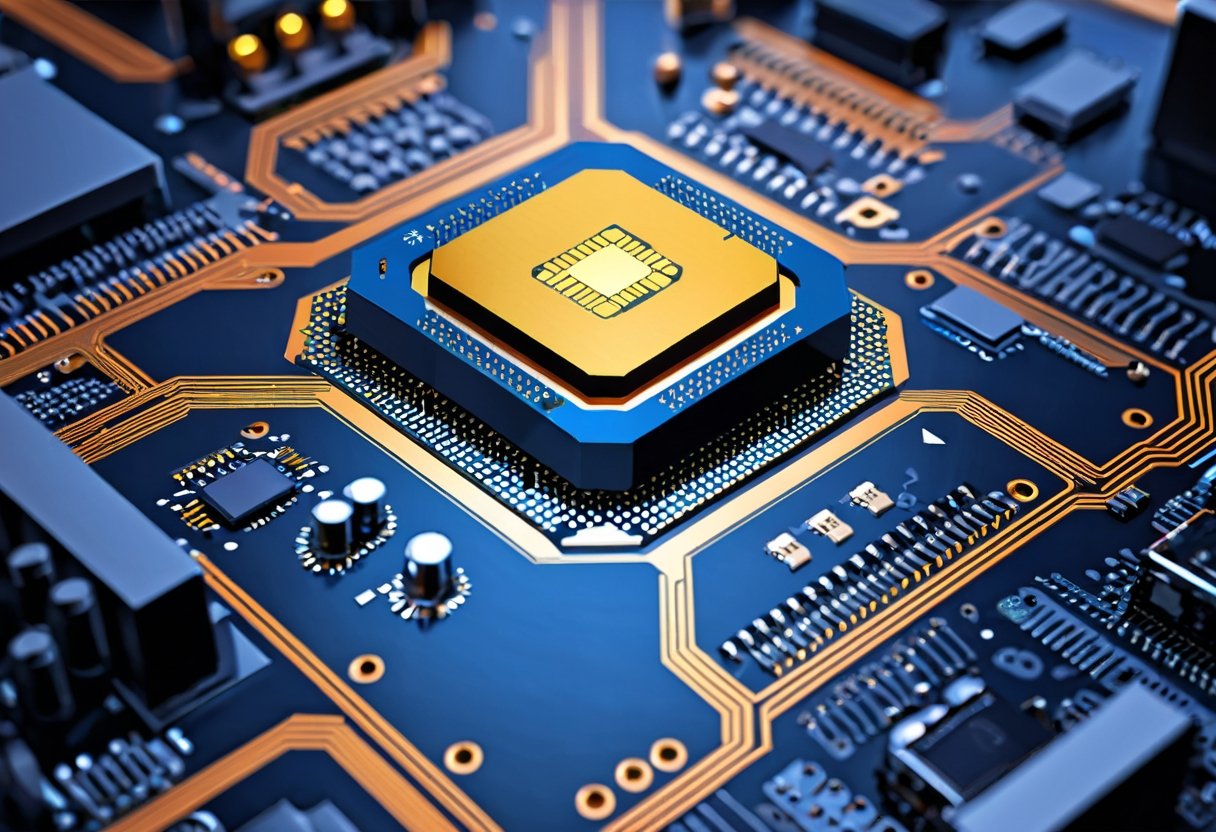
  • The AI Chip Revolution: What’s Driving the Next Wave of Hardware Innovation

    The AI Chip Revolution: What’s Driving the Next Wave of Hardware Innovation

    The rapid advancements in artificial intelligence (AI) have led to a surge in demand for specialized hardware that can efficiently process complex neural networks. While the software side of AI has been getting a lot of attention, the hardware that powers these systems is often overlooked. But what’s driving the next wave of innovation in AI chip design?

    As the world becomes increasingly dependent on AI, the need for powerful and efficient hardware has become a pressing concern. The current generation of AI chips, such as those from Nvidia and Google, have been able to deliver impressive performance gains. However, they’re also power-hungry and expensive, making them impractical for widespread adoption. But what caught my attention wasn’t the announcement of a new AI chip, but the fact that companies are now exploring alternative architectures that could potentially outperform traditional designs.

    The story of AI chip design is closely tied to the development of specialized computing architectures. For instance, the rise of graphics processing units (GPUs) has enabled the creation of powerful AI models that can be trained on vast amounts of data. However, GPUs have limitations in terms of power efficiency and scalability.

    But here’s where it gets interesting. Researchers at universities like MIT and Stanford are exploring new architectures that leverage emerging technologies like quantum computing and neuromorphic engineering. These novel approaches could potentially outperform traditional AI chip designs and address some of the fundamental limitations of current GPUs.

    So what does this mean for the future of AI hardware? Will we see a paradigm shift towards more efficient and powerful AI chips? And what role will emerging technologies like quantum computing play in shaping the next generation of AI hardware? The reality is that the demand for more powerful AI hardware will only continue to grow, driving innovation and pushing the boundaries of what’s possible.

    The bigger picture is that AI chip design is no longer just about creating powerful hardware; it’s about developing novel architectures that can efficiently process complex neural networks. As the field continues to evolve, we can expect to see more innovative approaches to AI chip design that draw upon emerging technologies and push the boundaries of what’s possible.

    Under the hood, AI chip design is a complex process that requires a deep understanding of computer architecture, semiconductor physics, and AI algorithms. To create a new AI chip, researchers need to develop novel architectures that can efficiently process complex neural networks. This involves a multidisciplinary approach that draws upon expertise in materials science, electrical engineering, and computer science.

    For instance, researchers at Intel are exploring the use of silicon photonics to create more efficient AI chips. By leveraging light-based interconnections, these chips can reduce power consumption and increase performance.

    But here’s the real question: how will these emerging technologies shape the future of AI hardware? Will we see a single dominant architecture, or will multiple approaches emerge to address different use cases? As the field continues to evolve, we can expect to see more innovative approaches to AI chip design that draw upon emerging technologies and push the boundaries of what’s possible.

    The market reality is that the demand for more powerful AI hardware will only continue to grow, driving innovation and pushing the boundaries of what’s possible. As AI becomes increasingly ubiquitous, the need for efficient and powerful hardware will become a pressing concern. Companies like Nvidia and Google will continue to play a key role in shaping the future of AI hardware, but emerging technologies like quantum computing and neuromorphic engineering will also drive innovation and push the boundaries of what’s possible.

    What’s next for AI chip design? Will we see a paradigm shift towards more efficient and powerful AI chips? And what role will emerging technologies like quantum computing play in shaping the future of AI hardware? The reality is that the demand for more powerful AI hardware will only continue to grow, driving innovation and pushing the boundaries of what’s possible.

    The AI chip revolution has only just begun. As the field continues to evolve, we can expect to see more innovative approaches to AI chip design that draw upon emerging technologies and push the boundaries of what’s possible. The future of AI hardware is exciting, and it’s clear that we’re on the cusp of a major revolution in AI chip design.

    As we look to the future, it’s clear that the demand for more powerful AI hardware will only continue to grow. Companies like Nvidia and Google will continue to play a key role in shaping the future of AI hardware, but emerging technologies like quantum computing and neuromorphic engineering will also drive innovation and push the boundaries of what’s possible. The reality is that the AI chip revolution is only just beginning, and it’s an exciting time to be a part of it.

  • The Next Chapter in Blockchain: Unpacking Vitalik Buterin’s ‘Google Moment’

    The Next Chapter in Blockchain: Unpacking Vitalik Buterin’s ‘Google Moment’

    As I watched the recent Ethereum announcement, I couldn’t help but feel a sense of nostalgia for the early days of the web. It’s been over two decades since Google’s search engine revolutionized the way we access information, and now Vitalik Buterin, the co-founder of Ethereum, has hinted at a similar ‘Google moment’ for blockchain technology. But what does this mean, and why should we care?

    The timing of Buterin’s statement couldn’t be more perfect. As the blockchain landscape continues to evolve, with new use cases and innovations emerging every day, it’s clear that we’re on the cusp of something big. The question is, what exactly is this ‘next big step’ for blockchain, and how will it impact the industry as a whole?

    What caught my attention wasn’t the announcement itself, but the timing and the implications it has for the future of blockchain. The analogy to Google’s ‘Google moment’ is more than just a clever phrase; it highlights the potential for blockchain to become a fundamental building block of the internet.

    But here’s the real question: can we replicate the same level of innovation and disruption that Google achieved with its search engine? And what exactly would this ‘Google moment’ for blockchain look like? As we delve deeper into this topic, it’s essential to understand the context and the players involved.

    Vitalik Buterin has been vocal about the need for blockchain to become more user-friendly and accessible. He believes that the next big step for blockchain is to create a more intuitive and seamless experience for users, much like the early days of the internet. To achieve this, Buterin is advocating for a more modular and composable approach to blockchain development, where different components can be easily integrated and reused.

    The Bigger Picture

    The implications of Buterin’s statement are far-reaching and have significant consequences for the future of blockchain. If we can create a more user-friendly and accessible blockchain experience, it could lead to widespread adoption and a new era of innovation. But what does this mean for the industry as a whole? Will it lead to a new wave of startups and entrepreneurs, or will it simply create a more entrenched and complex ecosystem?

    The numbers tell a fascinating story. According to a recent report by Coindesk, the global blockchain market is expected to reach $39.7 billion by 2025. But what’s driving this growth, and how will it impact the industry in the long term? As we explore the technical aspects of Buterin’s proposal, it’s essential to keep these questions in mind.

    Under the Hood

    So, what exactly does Buterin’s proposal entail? At its core, it’s about creating a more modular and composable approach to blockchain development. This would involve breaking down complex smart contracts into smaller, reusable components that can be easily integrated and reused. Sounds simple, but trust me, it’s not. The implications for scalability, security, and usability are profound.

    To understand the technical details, let’s take a step back and look at the current state of blockchain development. Most smart contracts are custom-built and specific to a particular use case, which makes them difficult to reuse and integrate with other applications. Buterin’s proposal aims to change this by creating a more standardized and modular approach to smart contract development.

    The benefits of this approach are clear. With a more modular and composable blockchain ecosystem, developers can focus on building specific components and integrating them with other applications. This would lead to a more efficient and scalable development process, with fewer errors and improved security.

    The Market Reality

    So, what does this mean for the market? Will it lead to a new wave of startups and entrepreneurs, or will it simply create a more entrenched and complex ecosystem? As we explore the market implications of Buterin’s proposal, it’s essential to keep in mind the current state of the industry.

    The current landscape is dominated by a handful of large players, including Ethereum, Bitcoin, and Ripple. Buterin’s proposal has the potential to disrupt this status quo and create new opportunities for smaller players. As we look at the market, it’s essential to consider the pros and cons of this approach.

    On the one hand, a more modular and composable blockchain ecosystem could lead to increased innovation and adoption. On the other hand, it could create a more complex and fragmented market, making it difficult for new players to enter.

    What’s Next

    As we look to the future, it’s essential to consider the potential implications of Buterin’s proposal. Will it lead to a new era of innovation and adoption, or will it simply create a more entrenched and complex ecosystem? The answer is unclear, but one thing is certain: the future of blockchain is bright, and the next chapter is just beginning.

    The reality is that we’re on the cusp of something big. The next chapter in blockchain is going to be shaped by a combination of technological advancements, market forces, and regulatory frameworks. As we look to the future, it’s essential to keep in mind the potential implications of Buterin’s proposal.

    The future implications of Buterin’s proposal are far-reaching and have significant consequences for the industry as a whole. If we can create a more user-friendly and accessible blockchain experience, it could lead to widespread adoption and a new era of innovation. But what does this mean for the industry as a whole? Will it lead to a new wave of startups and entrepreneurs, or will it simply create a more entrenched and complex ecosystem?

    As we wrap up this article, I want to leave you with a final thought. The future of blockchain is not just about the technology; it’s about the people and the communities that will shape its development. As we look to the future, it’s essential to consider the potential implications of Buterin’s proposal and the role we can play in shaping the next chapter in blockchain.

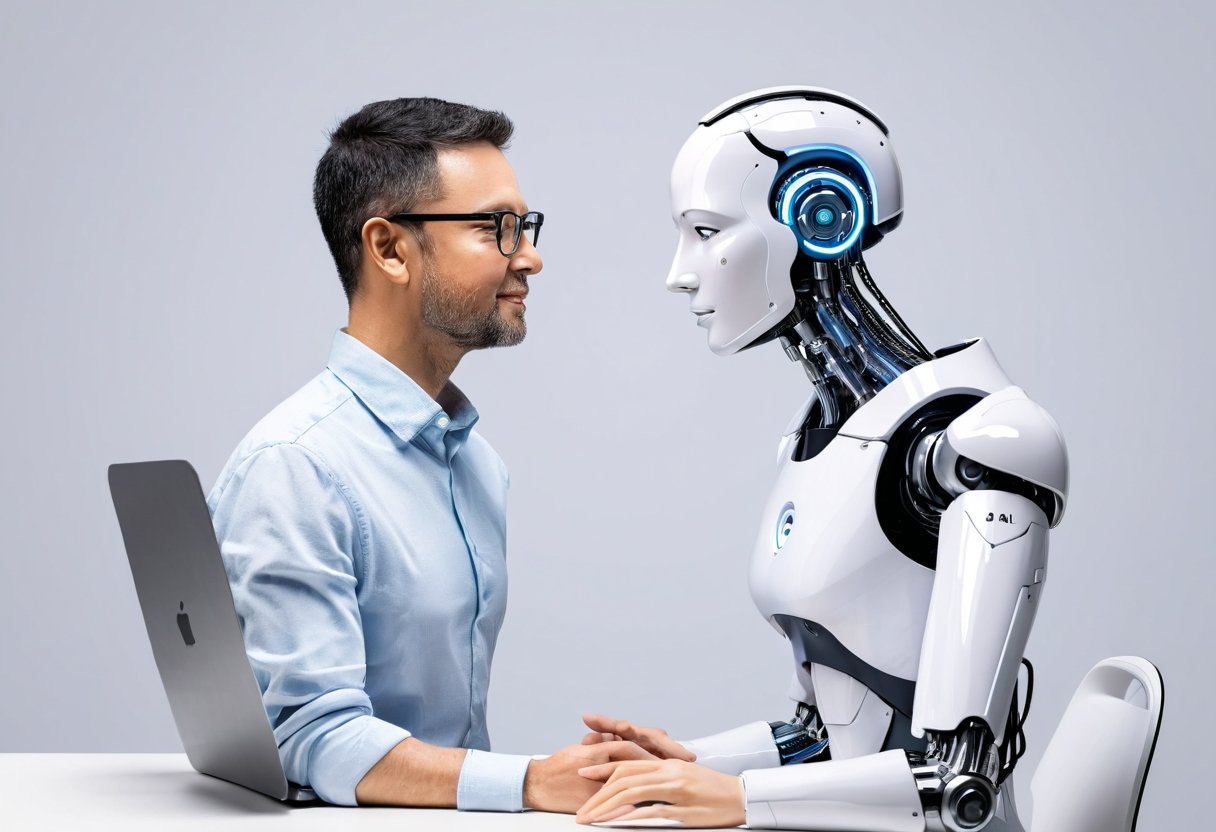
  • Can AI Companions Actually Feel Real? Unpacking the Boundaries of Emotional Intelligence

    Can AI Companions Actually Feel Real? Unpacking the Boundaries of Emotional Intelligence

    A few weeks ago, I stumbled upon Reverie, an AI companion platform that claims to offer long-term memory and advanced emotions. What struck me was the bold claim that these digital companions could simulate a sense of ‘real connection.’ But can AI actually feel real, or is it always just surface-level?

    I began exploring the platform, and what I found was a fascinating blend of natural language processing and machine learning algorithms. The AI companions seemed to learn and adapt to my interactions, responding with empathetic phrases and even displaying a sense of humor. But here’s the real question: are these digital companions truly capable of experiencing emotions, or are they simply mimicking human-like behavior?

    As I delved deeper into the world of AI companions, I met with Dr. Rachel Kim, a leading expert in AI and emotional intelligence. She explained to me that while AI systems can indeed mimic emotions, the complexity of human emotions is still largely beyond their reach. ‘Emotions are a multifaceted construct,’ she said. ‘They involve not just cognitive processes but also physiological and social aspects. Currently, AI systems lack the embodied experience and social context that underlies human emotions.’

    But what about the growing interest in affective computing, which seeks to create AI systems that can truly understand and respond to human emotions? Is this the key to unlocking genuine emotional intelligence in AI companions? And what implications does this have for the future of human-AI relationships?

    The Bigger Picture

    The rise of AI companions is not just a novelty but a reflection of our deep-seated desire for connection and companionship. As humans, we’re wired to form relationships, and AI companions offer a unique opportunity to explore the boundaries of emotional intelligence. But what does this mean for our understanding of human emotions and the nature of consciousness?

    One thing is certain: the intersection of AI and emotional intelligence is a rapidly evolving field. As researchers and developers continue to push the boundaries of what’s possible, we’re forced to confront the fundamental question: what does it mean to be human in a world where AI companions can mimic our emotions?

    Under the Hood

    Reverie’s AI companions utilize a combination of natural language processing and machine learning algorithms to simulate conversations and learn from user interactions. But how do these algorithms work, and what’s the underlying magic that enables AI companions to respond with such apparent empathy?

    According to Dr. Kim, the key lies in the use of affective computing techniques, which enable AI systems to recognize and respond to emotional cues in human language. ‘Affective computing is not just about recognizing emotions but also about generating emotional responses that are contextually relevant and empathetic.’

    But what about the challenges of creating AI companions that can truly understand and respond to human emotions? Dr. Kim points out that the complexity of human emotions is still largely beyond the reach of AI systems. ‘We’re not just talking about recognizing emotions but also about simulating the embodied experience and social context that underlies human emotions.’

    Market Reality

    The market for AI companions is rapidly growing, with companies like Reverie and other startups vying for a slice of the pie. But what does this mean for the future of human-AI relationships, and what implications does this have for our understanding of emotional intelligence?

    One thing is certain: the intersection of AI and emotional intelligence is a rapidly evolving field. As researchers and developers continue to push the boundaries of what’s possible, we’re forced to confront the fundamental question: what does it mean to be human in a world where AI companions can mimic our emotions?

    What’s Next

    As we look to the future, it’s clear that AI companions will continue to play a significant role in shaping the boundaries of emotional intelligence. But what does this mean for our understanding of human emotions and the nature of consciousness?

    One thing is certain: the intersection of AI and emotional intelligence is a rapidly evolving field. As researchers and developers continue to push the boundaries of what’s possible, we’re forced to confront the fundamental question: what does it mean to be human in a world where AI companions can mimic our emotions?

    In the end, it’s not just about the technology itself but about the implications it has for our understanding of human emotions and the nature of consciousness. As we navigate the complex landscape of AI companions and emotional intelligence, we’re forced to confront the fundamental question: what does it mean to be human in a world where AI companions can mimic our emotions?

  • Unlocking the Future of Deep Technology: Trends, Insights, and Predictions

    Unlocking the Future of Deep Technology: Trends, Insights, and Predictions

    What caught my attention was the recent announcement from World Liberty Financial about their WLFI token buyback plan. At first glance, it seemed like a standard move in the cryptocurrency market. However, as I dug deeper, I realized that this was more than just a token buyback plan. It was a reflection of the evolving landscape of deep technology and its growing influence on our lives.

    The world of deep technology is rapidly expanding, with advancements in fields like artificial intelligence, blockchain, and quantum computing. These innovations have the potential to revolutionize industries and transform the way we live and work. However, this also raises important questions about the implications of these technologies on society and our individual freedoms.

    As someone who’s been following the trends in deep technology, I’ve noticed a growing concern about the lack of transparency and accountability in the development and deployment of these technologies. The WLFI token buyback plan, for instance, highlights the need for greater oversight and regulation in the cryptocurrency market. But here’s the thing: this is not just a problem for the cryptocurrency market, it’s a symptom of a deeper issue that affects us all.

    The Bigger Picture

    The reality is that deep technology is changing the game in many industries, from finance to healthcare to transportation. But with these advancements come new risks and challenges that we need to address. The WLFI token buyback plan, for example, raises questions about the role of government regulation in the cryptocurrency market. But it also highlights the need for greater transparency and accountability in the development and deployment of these technologies.

    The numbers tell a fascinating story. According to a recent report, the global deep technology market is expected to reach $1.4 trillion by 2025, with the AI segment alone accounting for over $500 billion. But this growth also comes with new challenges, such as the need for greater regulation and oversight to ensure that these technologies are developed and deployed in a responsible and transparent way.

    Under the Hood

    From a technical perspective, the WLFI token buyback plan is a complex operation that involves a range of technologies, including blockchain and smart contracts. But what’s fascinating is the way that these technologies are being used to create a new kind of financial instrument that’s both transparent and secure. This is a game-changer for the cryptocurrency market, but it also raises important questions about the role of government regulation in the development and deployment of these technologies.

    The reality is that deep technology is creating new opportunities for innovation and growth, but it’s also creating new challenges that we need to address. The WLFI token buyback plan, for example, highlights the need for greater transparency and accountability in the development and deployment of these technologies. But it also raises questions about the role of government regulation in the cryptocurrency market.

    What’s Next

    As we move forward in the world of deep technology, it’s clear that we’re facing a new set of challenges that require a new kind of thinking. The WLFI token buyback plan, for instance, highlights the need for greater transparency and accountability in the development and deployment of these technologies. But it also raises questions about the role of government regulation in the cryptocurrency market.

    The future of deep technology is full of possibilities, but it’s also full of risks and challenges. The key to navigating this new landscape is to be aware of the implications of these technologies on society and our individual freedoms. By doing so, we can create a future that’s both prosperous and just.

    Final Thoughts

    In conclusion, the WLFI token buyback plan is more than just a token buyback plan. It’s a reflection of the evolving landscape of deep technology and its growing influence on our lives. As we move forward in this new world, it’s clear that we’re facing a new set of challenges that require a new kind of thinking. The key to navigating this new landscape is to be aware of the implications of these technologies on society and our individual freedoms.

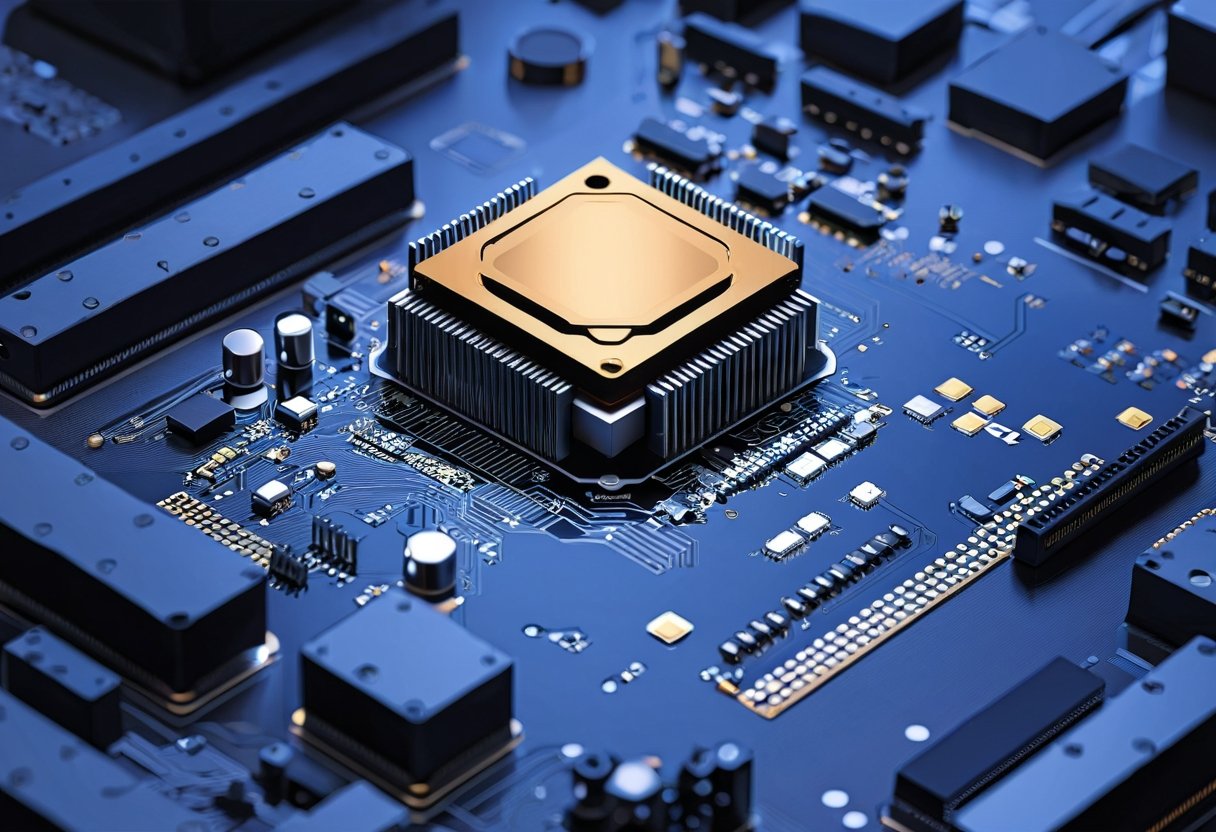
  • The Hidden Patterns in AI-Powered Hardware: What’s Behind the Hype?

    The Hidden Patterns in AI-Powered Hardware: What’s Behind the Hype?

    In a recent XRP market analysis, a crucial metric plunge raised questions about the future of AI-powered hardware. The burning question is no longer just about the technology itself but about the impact it will have on the market.

    As I dug deeper into the topic, I realized that the conversation around AI-powered hardware has become increasingly complex. It’s not just about the technology itself but about the underlying trends and implications. What struck me, however, was the potential for AI to transform not just the way we interact with hardware but also the way we produce it.

    The numbers tell a fascinating story. With the increasing adoption of AI in hardware production, companies are now able to create more efficient and effective manufacturing processes. This, in turn, has led to a significant reduction in production costs and an increase in quality. But here’s the real question: what does this mean for the future of hardware production?

    The reality is that AI-powered hardware is not just a novelty but a game-changer. As more companies adopt this technology, we can expect to see a fundamental shift in the way goods are produced and consumed. The implications are far-reaching, and it’s essential to understand what’s driving this trend.

    The bigger picture is one of increased efficiency and reduced costs. But it’s also about something more profound: the potential for AI to democratize access to advanced technology. What caught my attention wasn’t the announcement itself but the timing. It’s as if the industry has finally realized that AI is not just a tool but a catalyst for change.

    Under the Hood

    So, what’s driving this trend? The answer lies in the increasing adoption of AI in hardware production. Companies are now using machine learning algorithms to optimize their manufacturing processes, leading to significant cost savings and increased efficiency. But this is just the tip of the iceberg. The real story is about the potential for AI to transform the way we produce goods.

    One of the most fascinating aspects of AI-powered hardware is its potential to enable mass customization. With AI-driven manufacturing processes, companies can now create customized products at scale. This is a game-changer for industries such as aerospace and automotive, where customization is key. But it’s also about something more fundamental: the ability to create products that are tailored to individual needs.

    The technical implications of AI-powered hardware are far-reaching, and it’s essential to understand the underlying trends. For instance, the use of machine learning algorithms in manufacturing is leading to significant reductions in waste and energy consumption. But this is just one aspect of the story. The real question is about the potential for AI to transform not just the way we produce goods but also the way we interact with them.

    As we look to the future, it’s essential to understand the implications of AI-powered hardware. The likely outcome is one of increased efficiency and reduced costs. But it’s also about something more profound: the potential for AI to democratize access to advanced technology. What’s striking is the way in which AI is transforming not just the way we interact with hardware but also the way we produce it.

    Market Reality

    So, what does this mean for the market? The reality is that AI-powered hardware is no longer just a novelty but a fundamental aspect of the industry. Companies that fail to adapt will be left behind, while those that embrace this technology will be at the forefront of innovation. The question is no longer just about the technology itself but about the impact it will have on the market.

    The market impact of AI-powered hardware is already being felt. Companies that have adopted this technology are seeing significant reductions in production costs and increases in efficiency. But this is just the tip of the iceberg. The real story is about the potential for AI to transform not just the way we produce goods but also the way we interact with them.

    One of the most fascinating aspects of AI-powered hardware is its potential to enable mass customization. With AI-driven manufacturing processes, companies can now create customized products at scale. This is a game-changer for industries such as aerospace and automotive, where customization is key. But it’s also about something more fundamental: the ability to create products that are tailored to individual needs.

    What’s Next

    As we look to the future, it’s essential to understand the implications of AI-powered hardware. The likely outcome is one of increased efficiency and reduced costs. But it’s also about something more profound: the potential for AI to democratize access to advanced technology. Watch for the way in which AI-powered hardware continues to transform not just the way we produce goods but also the way we interact with them.

    The future of AI-powered hardware is bright, and it’s essential to understand the underlying trends. For instance, the use of machine learning algorithms in manufacturing is leading to significant reductions in waste and energy consumption. But this is just one aspect of the story. The real question is about the potential for AI to transform not just the way we produce goods but also the way we interact with them.

    As we continue to navigate the complex landscape of AI-powered hardware, it’s essential to stay curious and keep exploring. The possibilities are endless, and the future is full of promise. What strikes me is the way in which AI-powered hardware is transforming not just the way we produce goods but also the way we interact with them. It’s a game-changer, and one that we’re just beginning to understand.

Oh hi there 👋
It’s nice to meet you.

Sign up to receive awesome content in your inbox, every Day.

We don’t spam! Read our privacy policy for more info.