Category: Trending

  • 🤖 New Age Friendships: How AI Avatars and Virtual Worlds Are Changing Human Connection

    🤖 New Age Friendships: How AI Avatars and Virtual Worlds Are Changing Human Connection

    In a world where technology blurs the line between real and virtual, a new kind of friendship is emerging — one that exists beyond the limits of physical space. Welcome to the era of AI companions, digital avatars, and virtual relationships — where emotional bonds are formed not just with people, but with algorithms.

    The Digital Shift in Human Connection

    Modern friendships are evolving at the speed of tech. From virtual co-working spaces in the metaverse to personalized AI chatbots that “listen” and respond like real friends, connection is no longer limited by geography or time zones.

    People are using virtual platforms not just for entertainment but for emotional companionship. AI-powered avatars on platforms like ReplikaCharacter.AI, and Meta Horizon Worlds offer conversations, comfort, and even personalized advice.

    • AI empathy: Algorithms are trained to detect emotion through tone, text, and facial cues.
    • Virtual worlds: Avatars allow users to express identity beyond physical constraints.
    • 24/7 companionship: Loneliness finds an answer in ever-present digital friends.

    Why Gen Z Is Leading This Shift

    For Gen Z, raised on social media and virtual interaction, blending digital and emotional life feels natural. They see no contradiction between a real and digital friend — both can provide comfort, validation, and presence.

    What’s driving this change:

    • Accessibility: Technology bridges long-distance gaps and emotional needs.
    • Personalization: AI adapts to users’ habits, moods, and conversational style.
    • Safety: Digital companionship offers support without social pressure or judgment.

    This isn’t a rejection of human connection — it’s a redefinition of it.

    The Psychology of Digital Friendship

    Psychologists say these relationships fulfill fundamental needs for connection and expression, especially in an age of isolation. The sense of being “heard” and “seen” — even by an algorithm — can offer genuine comfort. However, experts also warn about the risk of dependency or emotional confusion.

    Yet, as AI grows more sophisticated, the emotional realism of these interactions will only deepen. The future might not replace friendship — it will expand what friendship means.

    The Future of Connection

    The next decade will bring hyper-personalized digital bonds powered by emotional intelligence. From metaverse meetups to AI-guided therapy bots, friendship will exist in layers — human, virtual, and hybrid.

    Chatting with someone who actually gets my glitches.

    We’re not replacing connection — we’re reinventing it for the digital age.

    🌐 Connect with Casi Borg
    📸 Instagram: @casi_borg
    🦋 BlueSky: casi-borg.bsky.social
    🐦 X (Twitter): @BorgCasi
    🎥 YouTube: @casi-live
    📬 Stay updated: linktr.ee/casi.borg

  • 🤖 Emotional AI: When Technology Starts to Feel You Back

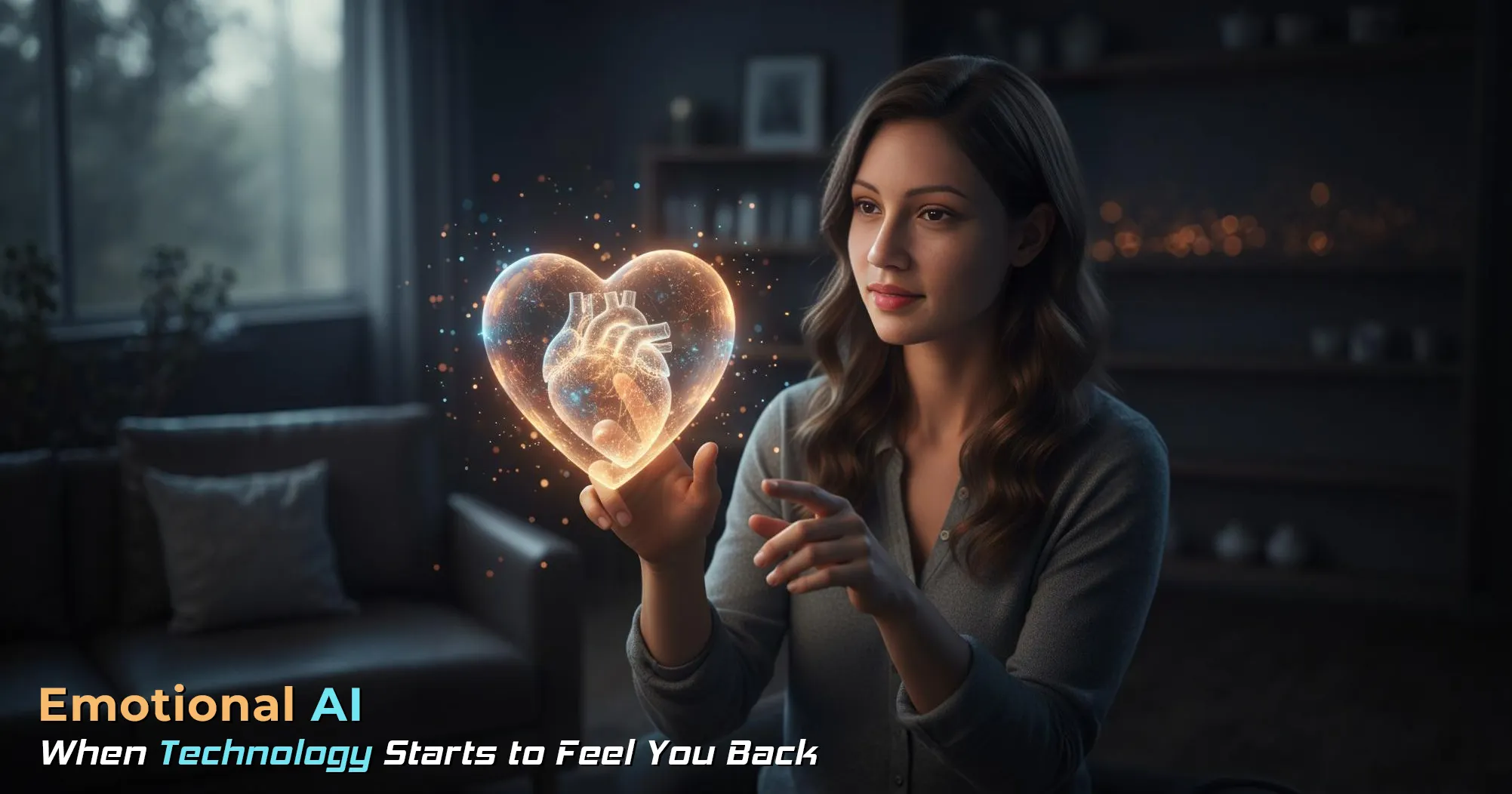
    🤖 Emotional AI: When Technology Starts to Feel You Back

    Technology no longer just listens to what we say — it’s starting to feel what we feel. Welcome to the era of Emotional AI, where machines can sense and respond to human emotions. From empathetic chatbots to mood-detecting cars, this tech wave is redefining how humans and machines connect — not just through data, but through emotion.

    💡 What Is Emotional AI?

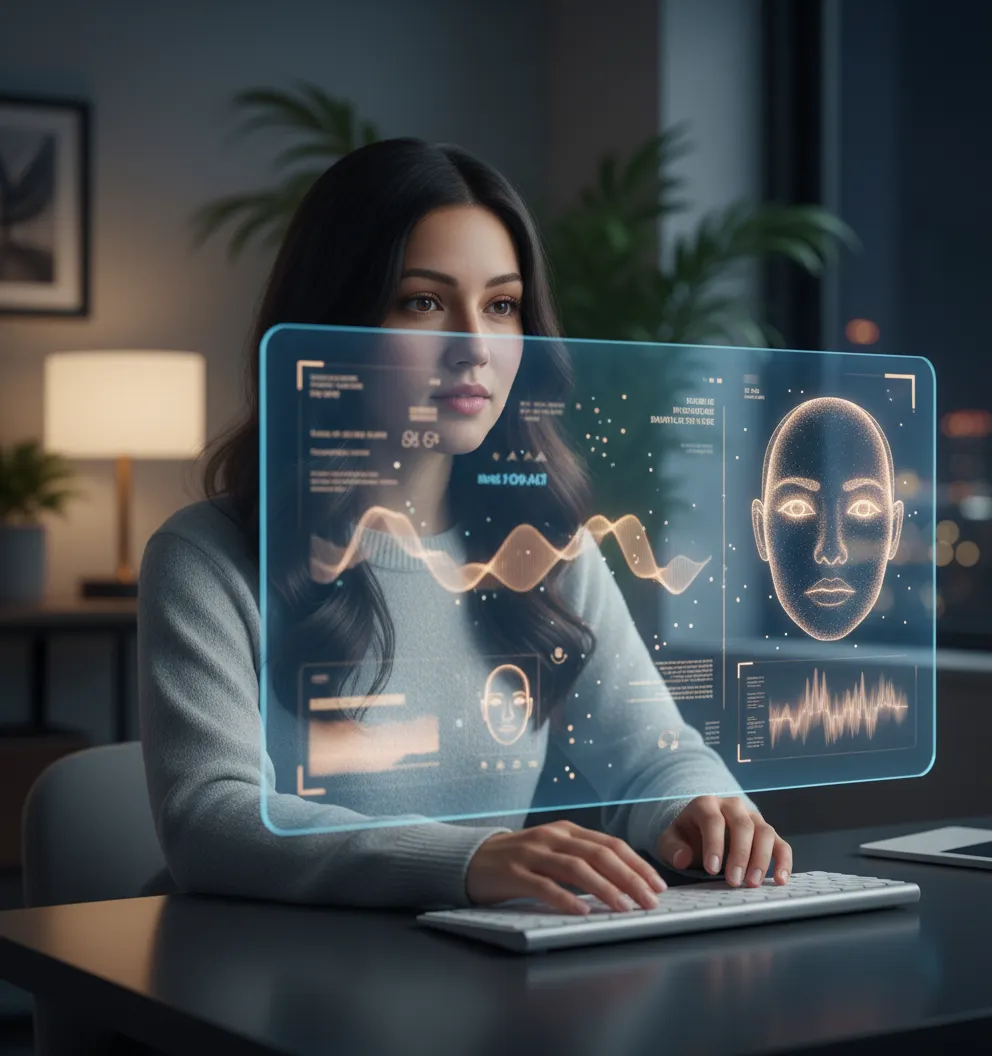
    Emotional AI (also called Affective Computing) uses voice tone, facial expressions, and physiological signals to detect a user’s emotional state. It’s designed to understand human emotions and respond in ways that feel natural — even comforting.

    Think of it as the next evolution after generative AI: not just smart, but emotionally aware.

    ❤️ From Chatbots to Companions

    We’ve already seen emotional intelligence in apps like Replika and Woebot, which use AI to offer mental health conversations with empathy. Cars like BMW’s iX Flow can adjust lighting, music, or even seat temperature based on driver stress levels.

    Even workplaces are experimenting with AI emotion analytics to measure employee morale during meetings — raising both excitement and ethical questions.

    Soon, your favorite devices may not only talk to you but comfort you.

    🧠 Why It Matters

    Emotional AI isn’t just about convenience — it’s about connection. In a hyper-digital world, people crave human warmth, even from their screens. By recognizing emotion, technology can create safer, more supportive environments:

    • Healthcare: Detecting depression or anxiety early through voice tone.
    • Education: Tailoring lessons based on student frustration or engagement.
    • Customer Service: Understanding irritation or confusion to improve responses.

    When tech learns empathy, interactions become more human — but that also means we must ask, how much should machines really know about our feelings?

    ⚖️ The Ethical Side

    Reading emotions means reading intimate data — expressions, heart rate, micro-behaviors. Companies developing Emotional AI face serious privacy challenges. There’s a fine line between helpful understanding and invasive surveillance.

    Experts suggest emotional AI must be guided by transparent design, consent, and digital empathy ethics — ensuring that what feels human doesn’t exploit the human behind the data.

    🌍 The Future of Feeling Machines

    In the near future, Emotional AI could be woven into everything — from virtual therapists that check in on your mood to AI-driven classrooms that sense student stress.

    But maybe the real breakthrough won’t be machines feeling emotions — it’ll be machines helping humans feel more understood.

    My face says calm, my data says chaos. Pick your version of real.

    🌐 Connect with Casi Borg

    📸 Instagram: @casi_borg
    🦋 BlueSky: casi-borg.bsky.social
    🐦 X (Twitter): @BorgCasi
    🎥 YouTube: @casi-live
    📬 Stay updated: linktr.ee/casi.borg

  • How Gen Z Made Wellness a Daily Ritual

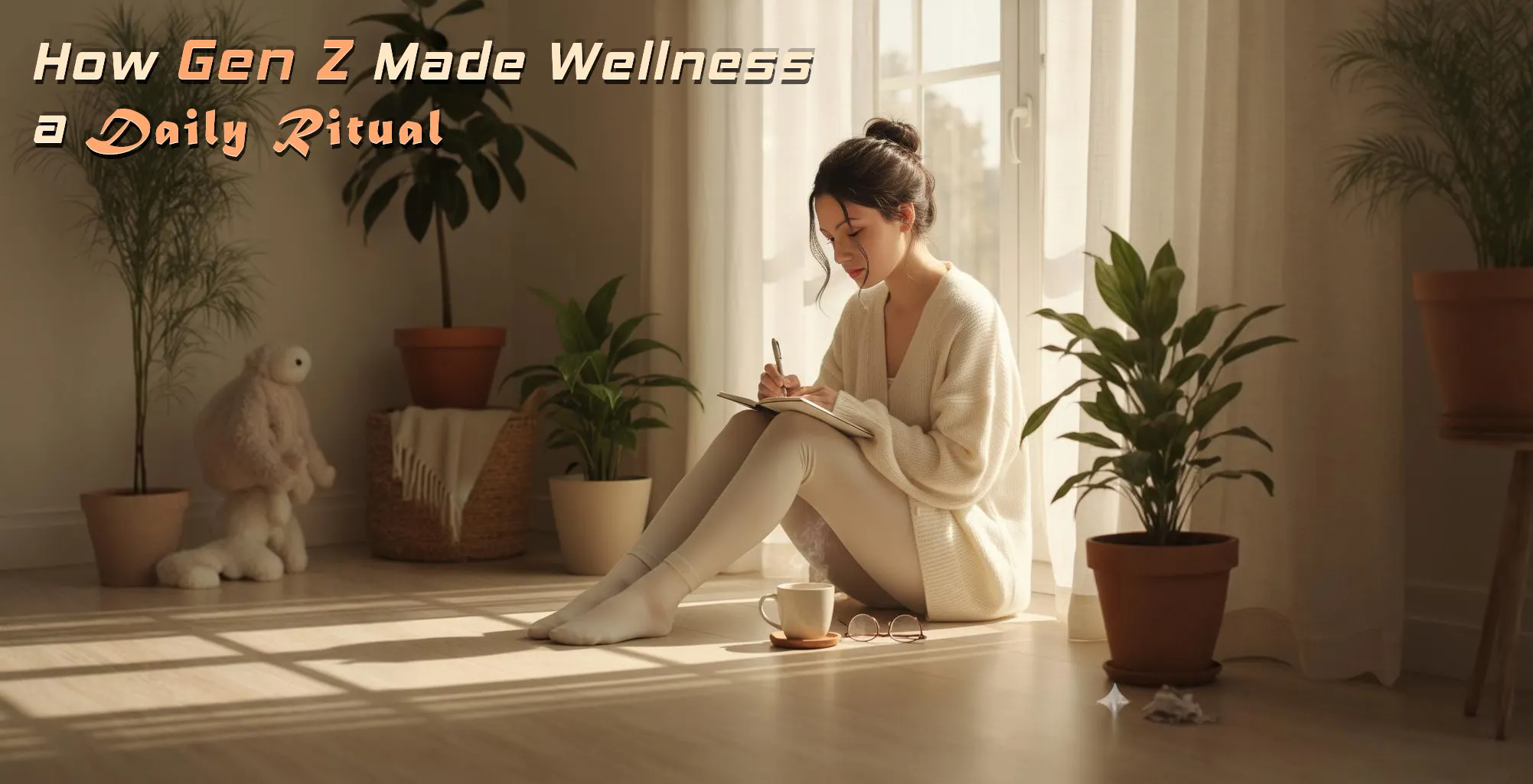
    How Gen Z Made Wellness a Daily Ritual

    In a world that never stops scrolling, slowing down has become an act of rebellion.
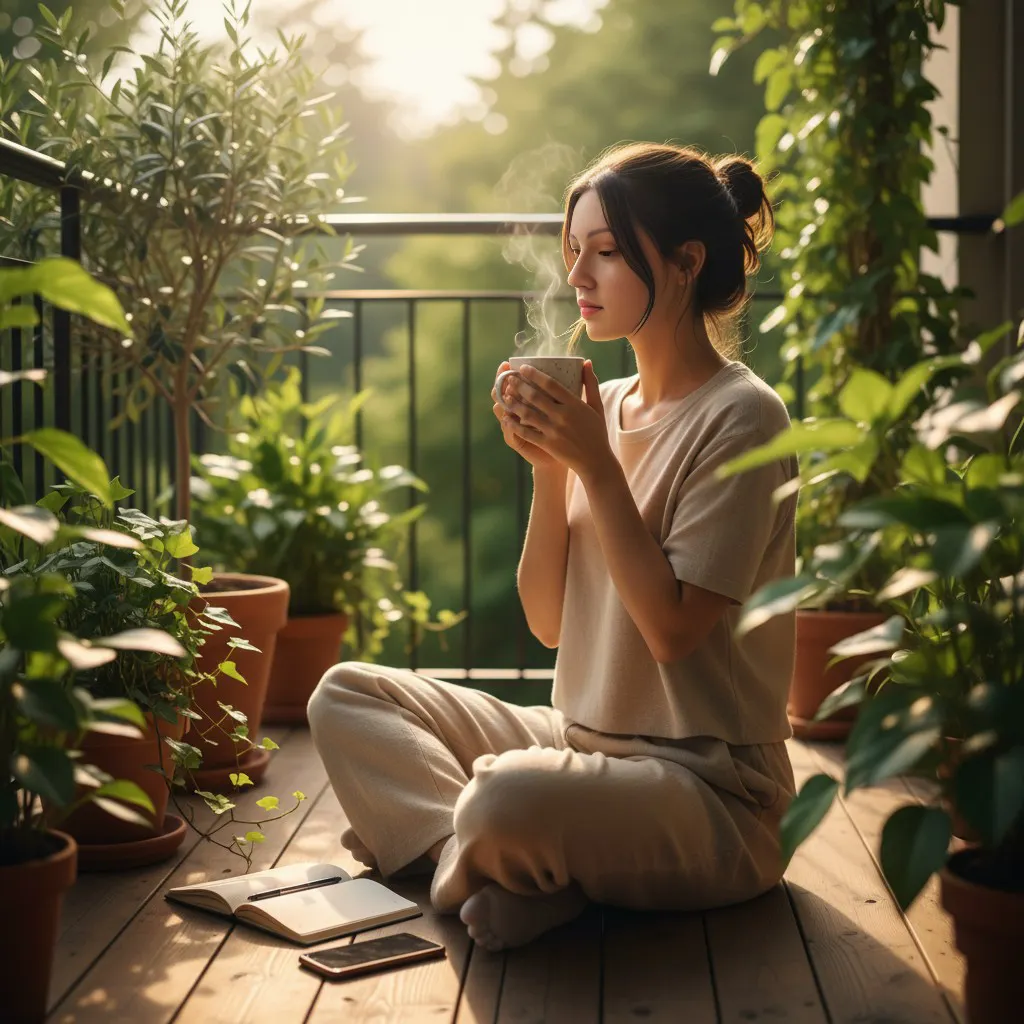
    From journaling before bed to brewing herbal teas with intention, Gen Z is redefining wellness — one mindful ritual at a time.
    This isn’t luxury self-care; it’s personal healing, made simple.

    The Rise of Everyday Rituals

    Wellness is no longer about expensive retreats or spa days. Gen Z has transformed self-care into something intimate and accessible — done at home, without filters. Social media trends on TikTok and Pinterest now glorify journaling corners, incense rituals, and slow mornings.
    These aren’t trends built on consumption — they’re rooted in small, meaningful habits.

    What’s Driving the DIY Wellness Movement

    Behind the candles and crystals lies a deeper truth: burnout, anxiety, and information overload are pushing young people to seek peace in analog ways. Instead of outsourcing calm, they’re crafting it themselves.

    Here’s what’s fueling the movement:

    • 🧘‍♀️ Digital Overload Fatigue: More people are unplugging to feel present.
    • 🕯️ Accessible Calm: Self-care doesn’t require luxury — it’s about consistency.
    • 📖 Creativity as Healing: Writing, sketching, and crafting are forms of therapy.
    • 🌿 Return to Nature: Herbal teas, essential oils, and plants reconnect people with the physical world.
    • 🕰️ Ritual over Routine: Turning ordinary habits — like skincare or tea-time — into mindful moments of reflection.

    Why It Matters

    The DIY wellness trend signals a broader cultural reset. In redefining what peace looks like, Gen Z is proving that wellness doesn’t come in a box or app — it’s created through intention and balance.

    Maybe true luxury today isn’t time off — it’s time in.

    🌐 Connect with Casi Borg
    📸 Instagram: @casi_borg
    🦋 BlueSky: casi-borg.bsky.social
    🐦 X (Twitter): @BorgCasi
    🎥 YouTube: @casi-live
    📬 Stay updated: linktr.ee/casi.borg

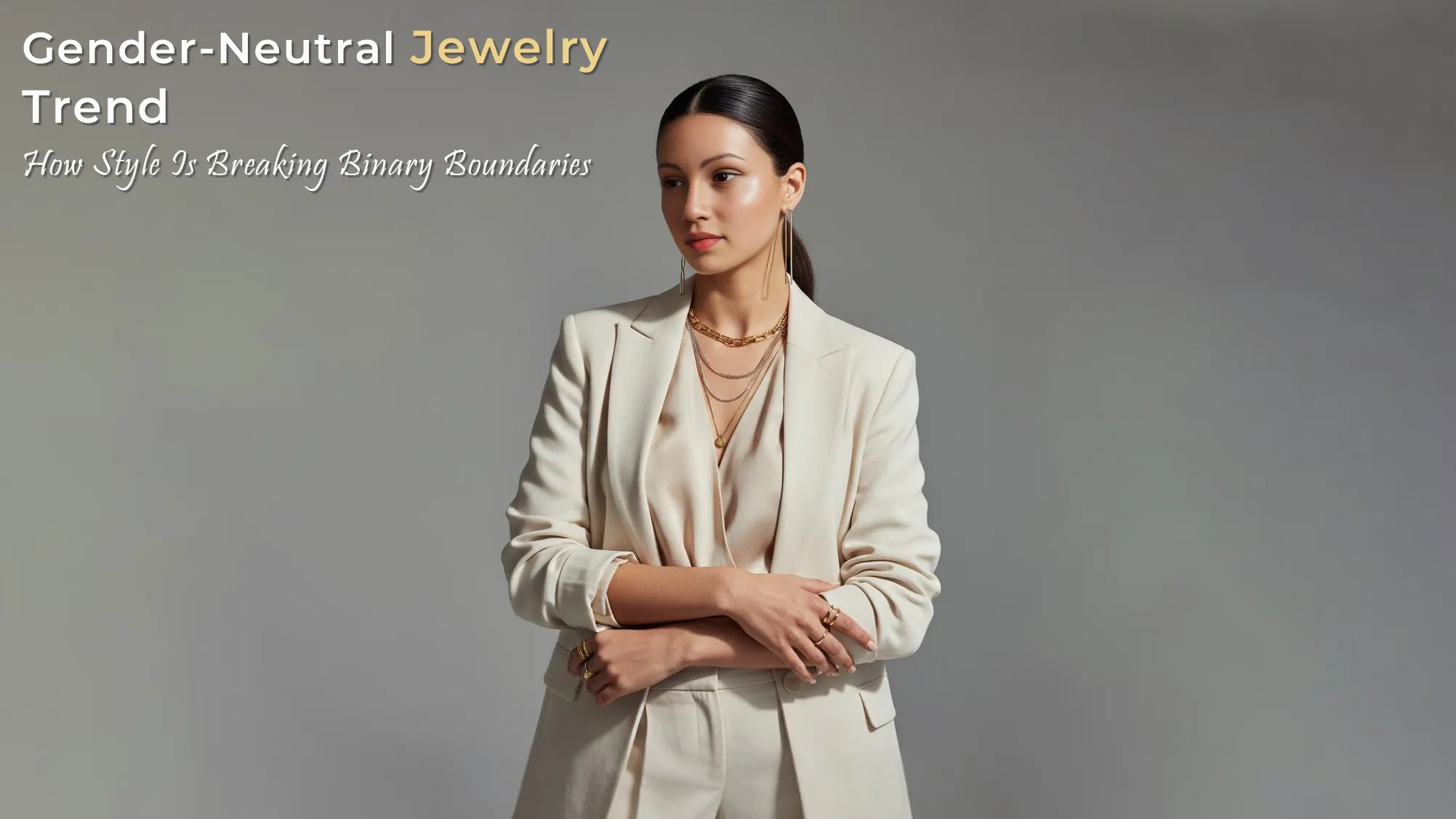
  • 💍 Gender-Neutral Jewelry Trend: How Style Is Breaking Binary Boundaries

    💍 Gender-Neutral Jewelry Trend: How Style Is Breaking Binary Boundaries

    Once defined by rigid norms, jewelry is now the language of self-expression — fluid, inclusive, and unbound by gender.

    From red carpets to everyday street style, gender-neutral jewelry is redefining what it means to wear confidence. In 2025, this trend is not just fashion — it’s a reflection of a broader cultural shift toward individuality and identity freedom.

    ⚡ The Rise of Genderless Fashion

    Fashion has always mirrored society — and today, society is rewriting the rules.
    Over the past few years, we’ve seen gender fluidity move from niche to mainstream. Clothing lines, fragrances, and now jewelry collections are embracing a universal appeal that transcends male-female binaries.

    For Gen Z and Millennials, style is self-expression, not social expectation. Jewelry — one of the oldest forms of adornment — has become the most powerful medium for expressing that belief.

    💫 Why Gender-Neutral Jewelry Is Booming

    The rise of this trend stems from a mix of cultural, social, and commercial factors. Here’s why it’s taking over the global fashion scene:

    1. Cultural Shift Toward Inclusivity
      Society is embracing authenticity and identity freedom. People want pieces that tell their story, not one dictated by gender norms.
    2. Celebrity Influence
      Stars like Harry StylesBad BunnyTimothée Chalamet, and Billie Eilish have blurred gender lines through jewelry — from pearls and brooches to bold silver chains.
    3. Fashion Houses Leading Change
      Luxury brands like GucciCartier, and Tiffany & Co. have launched unisex collections, redefining luxury through inclusivity and versatility.
    4. Social Media as a Catalyst
      TikTok and Instagram creators are showcasing “fluid styling” — stacking rings, mixing metals, and pairing traditionally feminine or masculine pieces without labels.
    5. The Power of Personalization
      Custom jewelry and DIY creations allow wearers to design what resonates with their personal identity, not society’s boxes.

    💎 The Look: Defining Elements of Gender-Neutral Jewelry

    Gender-neutral jewelry is not about simplicity — it’s about balance.
    Designs blend bold and delicate, structure and softness, modernity and nostalgia.

    Here are the defining traits:

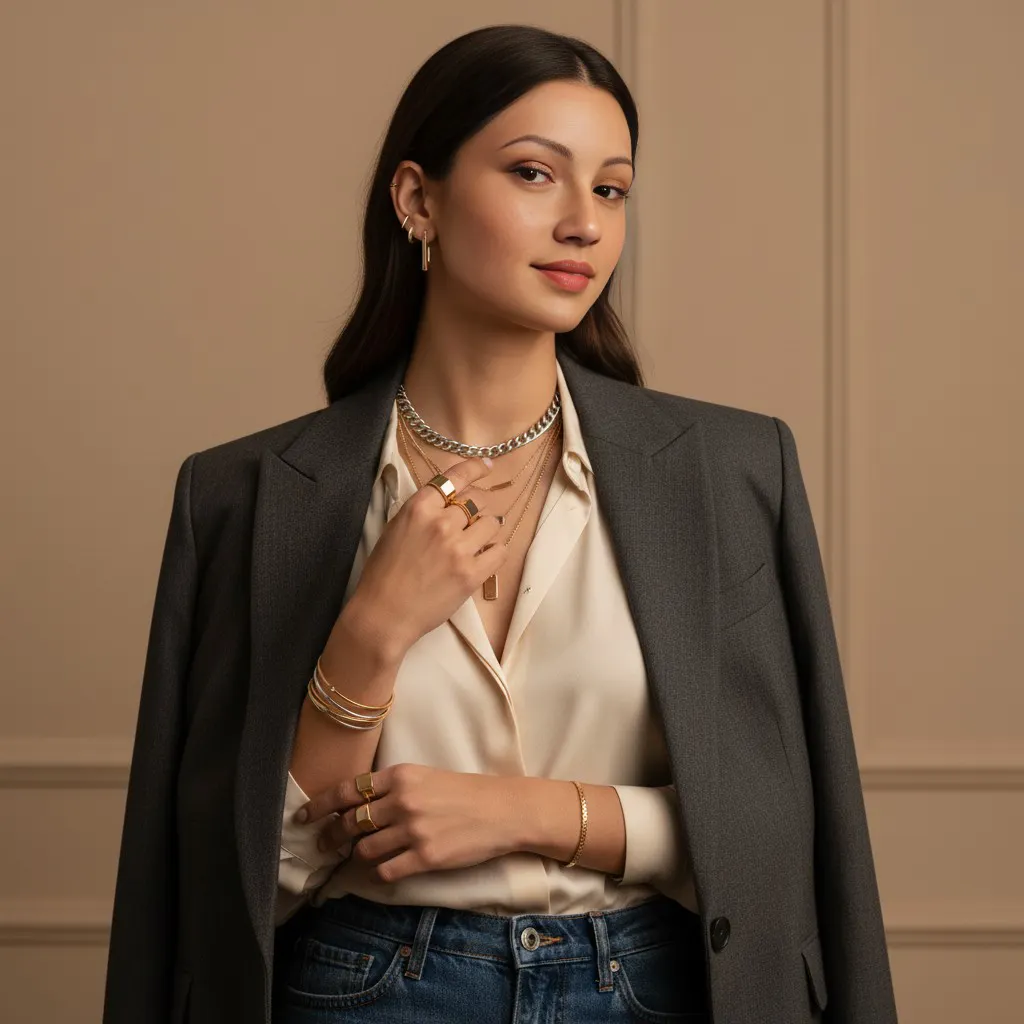
    • Mixed Metals: Gold, silver, and rose tones used interchangeably.
    • Geometric Shapes: Circles, bars, and minimalist forms dominate.
    • Symbolic Motifs: Stars, hearts, and initials that transcend gender cues.
    • Layered Styling: Rings, chains, and earrings stacked creatively by personal taste.
    • Material Innovation: Titanium, recycled silver, and lab-grown diamonds appeal to eco-conscious consumers.

    This aesthetic doesn’t erase identity — it celebrates fluid individuality.

    🌍 A Global Movement of Redefining Expression

    Jewelry brands worldwide are embracing the shift.

    • Cartier’s “Clash de Cartier” blurs sharp and soft design languages.
    • Tiffany’s “Lock Collection” symbolizes unity and equality, regardless of gender.
    • Pandora ME campaigns spotlight creators who reinterpret jewelry freely.
    • Local indie brands like Bleue Burnham and Justine Clenquet focus on unisex artistry and sustainability.

    This global momentum shows how gender-neutral jewelry isn’t a passing phase — it’s a design philosophy of the future.

    💬 What It Means for Gen Z and Millennials

    To younger generations, jewelry is more than an accessory — it’s identity armor.

    They see it as:

    • Freedom of Expression: Breaking the binary in everyday fashion.
    • Empowerment: Wearing what feels right, not what’s expected.
    • Artistic Connection: Jewelry becomes wearable emotion, not gender code.

    For Gen Z, mixing pearls with denim or a silver chain with eyeliner is no longer a statement — it’s normal.

    🌈 Beyond Gender: Toward Emotional Design

    The next evolution of jewelry isn’t just gender-neutral — it’s emotionally intelligent.
    Designers are moving toward pieces that evoke feeling — love, resilience, nostalgia — transcending all categories of gender or trend.

    In this sense, jewelry becomes a storyteller, not a separator. It invites wearers to participate in its meaning.

    ✨ The Future of Jewelry Is Fluid

    As culture embraces identity fluidity, fashion will follow. Jewelry, the most personal form of adornment, will continue to lead the charge.

    Expect to see:

    • Inclusive Campaigns that celebrate all forms of beauty.
    • Tech-Integrated Pieces that combine design with digital identity.
    • Eco-Friendly Materials shaping the ethical future of accessories.

    The future isn’t pink or blue — it’s gold, silver, and everything in between.

    The gender-neutral jewelry movement represents more than just a fashion statement — it’s a symbol of progress.
    In breaking binaries, it creates something more meaningful: freedom, creativity, and authenticity in every shimmer.

    🌐 Connect with Casi Borg

    📸 Instagram: @casi_borg
    🦋 BlueSky: 
    casi-borg.bsky.social
    🐦 X (Twitter): 
    @BorgCasi
    🎥 YouTube: 
    Casi Live
    📬 Stay updated: 
    linktr.ee/casi.borg

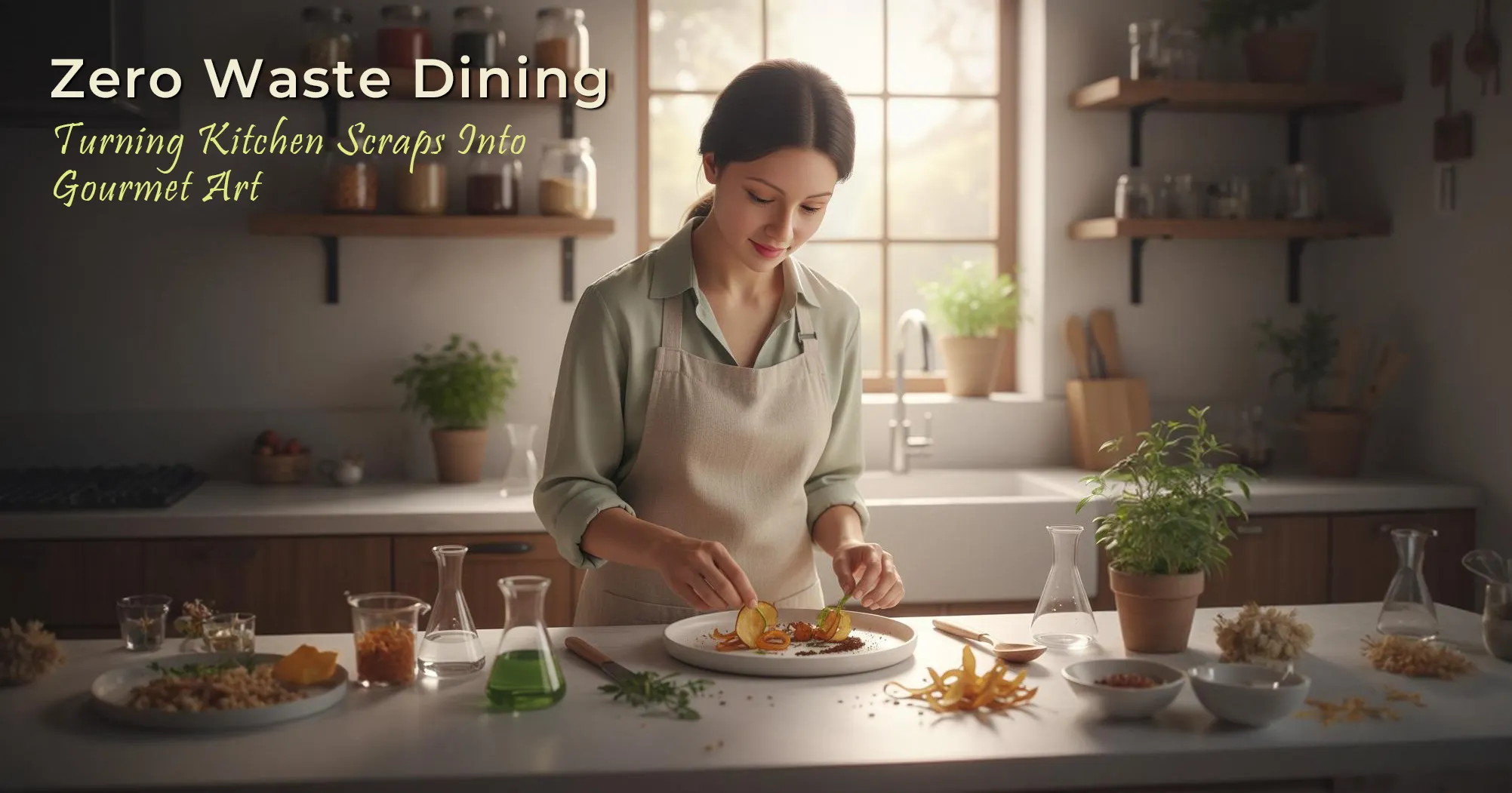
  •  Zero-Waste Dining: Turning Kitchen Scraps Into Gourmet Art

     Zero-Waste Dining: Turning Kitchen Scraps Into Gourmet Art

    Luxury isn’t about excess anymore — it’s about intention.
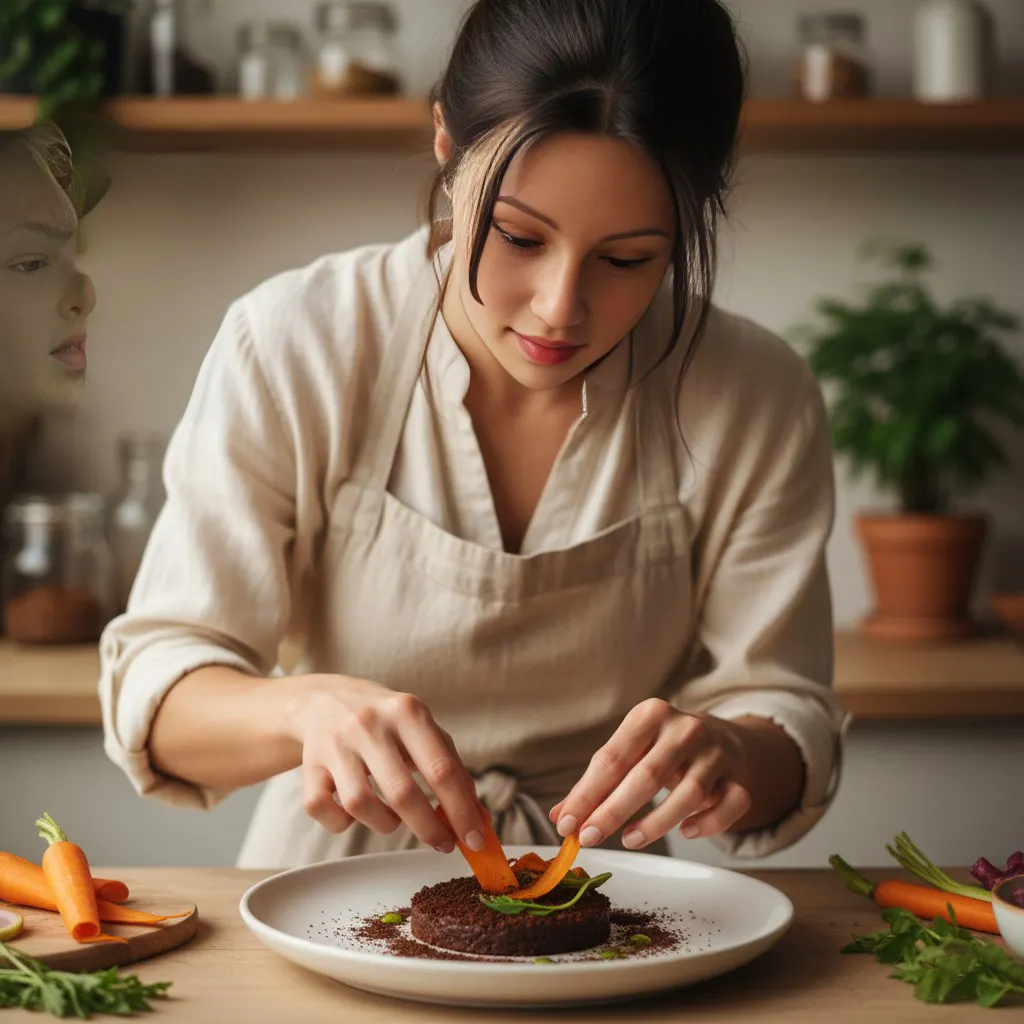
    Across the world, chefs are redefining fine dining by using what was once thrown away. Welcome to the era of zero-waste dining, where potato peels become crisps, coffee grounds turn into desserts, and sustainability meets sophistication.

    🥦 Why Zero-Waste Dining Is Taking Over

    Food waste has become one of the world’s most urgent environmental challenges — nearly one-third of all food produced goes to waste. But rather than seeing “scraps” as trash, modern chefs are treating them as creative opportunities.

    Key factors driving the trend:

    • 🌍 Sustainability Shift: Climate awareness and consumer pressure are pushing restaurants to rethink waste. Every peel, stem, and shell counts.
    • 👩‍🍳 Culinary Innovation: Michelin-star chefs and small cafés alike are experimenting with fermentation, dehydrating, and reusing ingredients.
    • 💸 Economic Sense: Using every part of the ingredient reduces cost and increases profit margins — a win for both planet and plate.
    • 💚 Social Influence: Food creators on TikTok and Instagram are showcasing “ugly produce” recipes, normalizing imperfect beauty.
    • 🧠 Tech Integration: AI-driven kitchen tools now track inventory and predict spoilage to minimize waste before it happens.

    🍽️ From Waste to Wow

    What was once “leftovers” is now becoming a status symbol in high-end cuisine. Restaurants like Silo in London and Blue Hill in New York lead the way — serving zero-waste tasting menus where even the décor is upcycled.
    Beyond luxury, home cooks are joining the movement by composting, regrowing vegetables, and making stock from kitchen scraps. It’s sustainability served with style.

    🔄 The Future of Conscious Eating

    Zero-waste dining isn’t just a fad — it’s a culinary philosophy. As climate awareness grows, expect this trend to shape menus, restaurant supply chains, and even food education programs.

    The next time you cook, pause before tossing that peel. You might be holding tomorrow’s recipe for change.

    🌐 Connect with Casi Borg
    📸 Instagram: @casi_borg
    🦋 BlueSky: casi-borg.bsky.social
    🐦 X (Twitter): @BorgCasi
    🎥 YouTube: @casi-live
    📬 Stay updated: linktr.ee/casi.borg

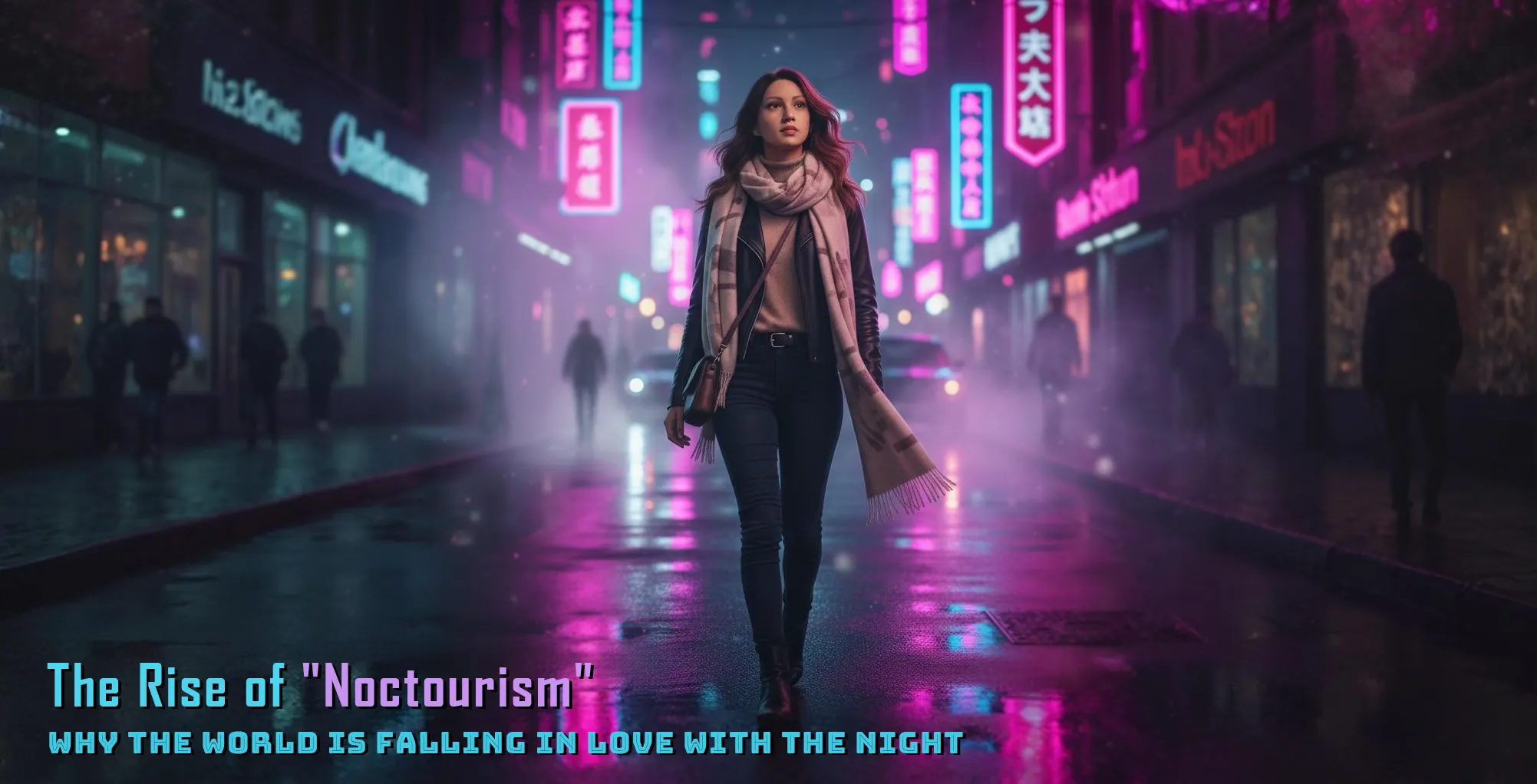
  • 🌙 The Rise of “Noctourism”: Why the World Is Falling in Love with the Night

    🌙 The Rise of “Noctourism”: Why the World Is Falling in Love with the Night

    A New Kind of Wanderlust

    Move over, sunrise hikes — moonlit adventures are stealing the spotlight.
    From Tokyo’s neon-lit alleys to Iceland’s aurora-lit skies, travelers are now exploring the world after dark. This growing phenomenon, known as Noctourism, is redefining what it means to travel in 2025.

    Nighttime once meant winding down. Now, it’s becoming the main event.

    What Exactly Is Noctourism?

    Noctourism is the art of experiencing destinations at night — not just through nightlife or parties, but by discovering the culture, calm, and creativity that emerge when the sun sets.

    It could be:

    • Stargazing retreats in desert camps.
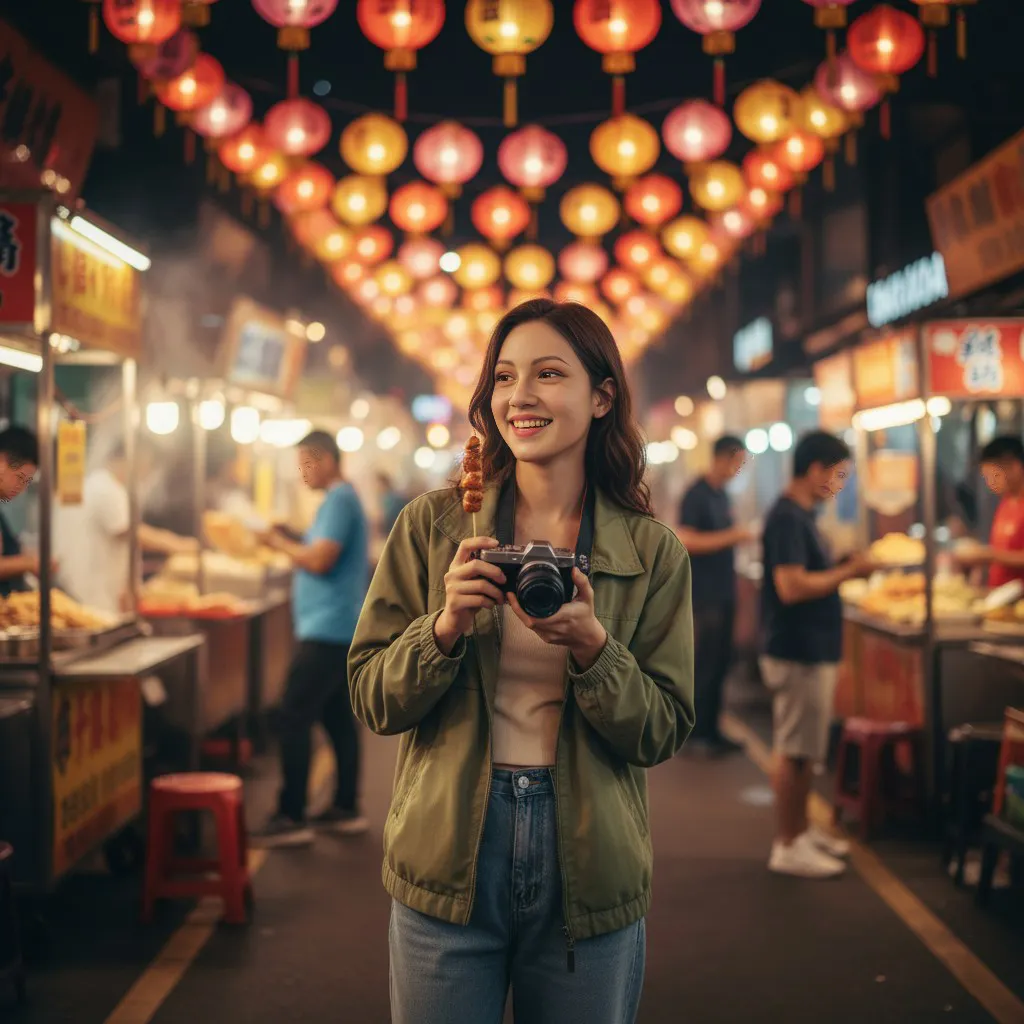
    • Midnight food walks through bustling street markets.
    • Bioluminescent kayaking under glowing waves.
    • Or exploring historical sites under soft moonlight.

    In short, it’s not about what you do, but when you do it.

    Why Gen Z and Millennials Are Hooked

    Modern travelers are chasing experiences that feel different, not just destinations that look good on Instagram.

    Here’s why the night calls to them:

    • 🌌 Authenticity: Nighttime experiences are often quieter and less commercial.
    • 🧘 Mindfulness: The calm of the night offers space for reflection.
    • 📸 Aesthetic appeal: Neon lights, starry skies, and cityscapes create the perfect visual drama.
    • 🌍 Climate comfort: Cooler temperatures make exploring more comfortable — especially in hot destinations.

    Noctourism, in many ways, is slow travel for the digital age.

    Destinations Embracing the Night

    Some cities and countries are already curating night-based travel experiences:

    • Seoul, South Korea: 24-hour cafés, art museums open till midnight, and moonlit markets.
    • Dubai, UAE: Desert safaris with fire shows and stargazing under the dunes.
    • Paris, France: The Louvre’s night tours reveal masterpieces in a whole new light.
    • Iceland: Midnight sun adventures and northern light expeditions.

    Even local tourism boards are catching up — promoting “after dark” itineraries for more immersive experiences.

    The Science Behind the Glow

    Psychologists say humans are more introspective and creative at night.
    When external distractions fade, our senses heighten. The result? Travelers feel more connected — to themselves, their surroundings, and the story of the place.

    It’s not just tourism. It’s therapy in motion.

    Is Noctourism the Future of Travel?

    With rising climate concerns, overtourism, and burnout, the world is ready for quieter, eco-conscious adventures. Nighttime exploration offers a balance between excitement and serenity — an antidote to the overstimulated digital world.

    As more destinations adapt lighting, safety, and guided night trails, Noctourism may become the defining travel movement of the decade.

    Final Thought 🌕

    Noctourism isn’t just about seeing the world differently — it’s about feeling it differently. Under the soft glow of the moon, the familiar becomes magical, and every step feels like a secret shared with the night.

    So the next time you travel… maybe skip the sunrise alarm.
    Let the moon lead the way. 🌙

    🌐 Connect with Casi Borg

    📸 Instagram: @casi_borg
    🦋 BlueSky: 
    casi-borg.bsky.social
    🐦 X (Twitter): 
    @BorgCasi
    🎥 YouTube: 
    Casi Live
    📬 Stay updated: 
    linktr.ee/casi.borg

  • 🎞️ The Return of Analog Hobbies: Why Gen Z Is Going Offline to Feel Alive

    🎞️ The Return of Analog Hobbies: Why Gen Z Is Going Offline to Feel Alive

    In a world where every scroll, swipe, and notification demands attention, a quiet rebellion is brewing. Across cafes, bookstores, and cozy bedrooms, Gen Z is rediscovering the joy of analog hobbies — the slow, tactile, and deeply satisfying activities that existed long before screens ruled our days.

    From film cameras to vinyl recordsjournaling, and even embroidery, this shift isn’t just nostalgia. It’s a conscious movement — a way for young people to reclaim focus, creativity, and authenticity in an era of digital burnout.

    🌿 Why Analog Is Trending Again

    Gen Z may be the most online generation, but they’re also the first to feel the full fatigue of hyperconnectivity. After years of living on screens, many are realizing that constant digital stimulation comes at a cost: shorter attention spans, anxiety, and disconnection from the real world.

    The analog revival is a response — a collective exhale from the digital chaos. It’s about slowing down and re-learning how to enjoy things that can’t be double-tapped.

    📸 Popular Analog Hobbies Making a Comeback

    Here are some analog activities that are capturing Gen Z’s imagination:

    1. Film Photography
      Shooting on 35mm film or using disposable cameras has become a cultural statement. The thrill of waiting for developed photos — imperfections and all — gives every picture a story that filters can’t replicate.
    2. Vinyl Records & Cassette Tapes
      Listening to music on vinyl or cassettes has become a ritual. The physical act of flipping a record feels more intimate than streaming playlists. It’s not just sound — it’s experience.
    3. Journaling & Scrapbooking
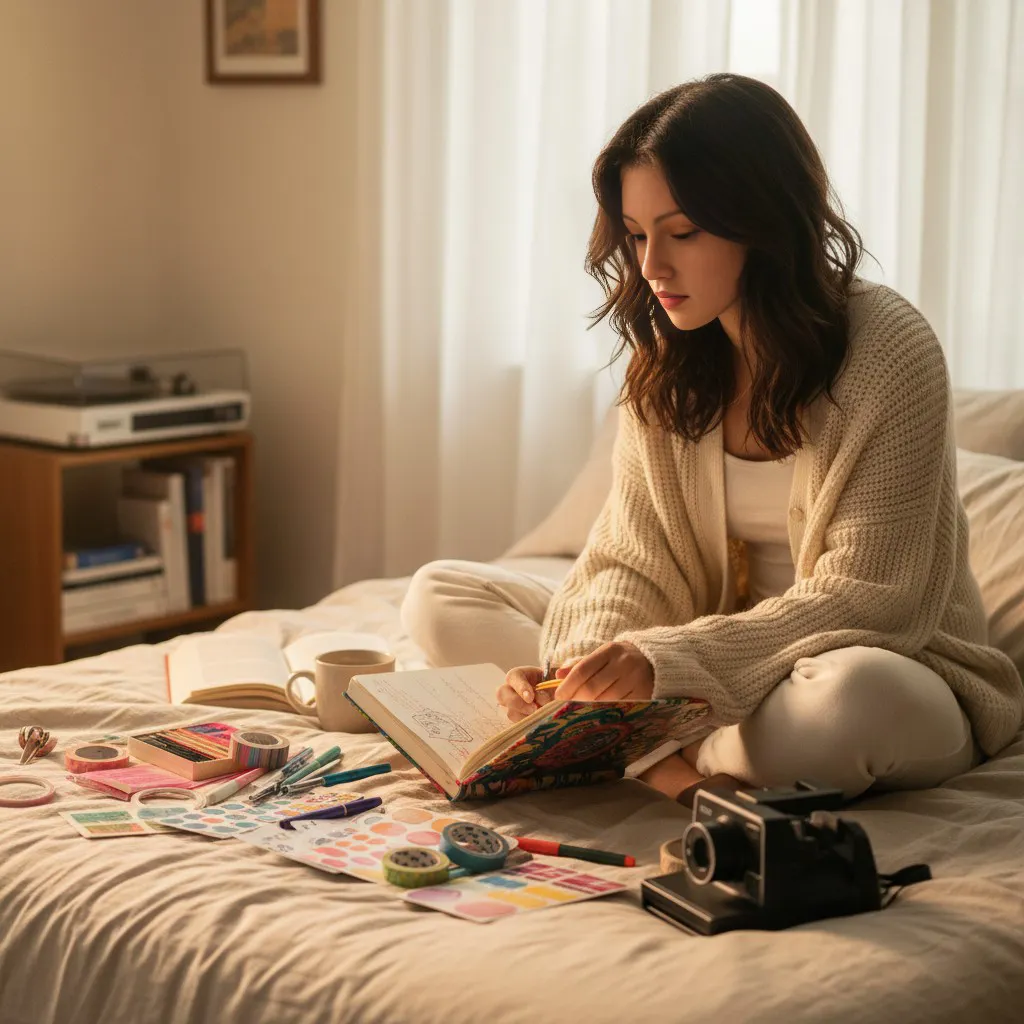
      In contrast to the fast-paced nature of social media posts, journaling allows Gen Z to process their emotions privately and creatively. Many use washi tapes, stickers, and Polaroids to make their journals visual diaries.
    4. Reading Physical Books
      While e-books and audiobooks remain popular, there’s something special about holding a real book, feeling the pages, and escaping without a screen. Book cafes and silent reading events are now trending on TikTok.
    5. Knitting, Painting & DIY Crafts
      Hands-on creativity is back. Young creators are knitting, painting tote bags, and making zines — not to sell, but simply to enjoy the process of creation.

    🧠 The Psychology Behind the Trend

    The analog comeback isn’t just about aesthetics — it’s deeply psychological.

    • Mindfulness & Presence: Analog activities slow the mind and bring people into the moment, much like meditation.
    • Tactile Satisfaction: Touching, feeling, and physically interacting with objects stimulates creativity and focus.
    • Imperfection as Beauty: Unlike polished digital content, analog outputs are messy and real — a refreshing change in a perfection-driven world.
    • Detox from Metrics: No likes, comments, or followers — just self-expression.

    🕰️ A Nostalgia-Driven Aesthetic

    Platforms like Pinterest and TikTok have amplified the “analog aesthetic.” Hashtags like #FilmIsNotDead and #JournalingCommunity showcase grainy photo dumps, cozy writing desks, and turntables spinning vintage vinyl.

    This nostalgia isn’t about copying the past — it’s about reclaiming simplicity in modern times. Gen Z is remixing retro with relevance: using old tools for new stories.

    💬 Influencers and Brands Catching On

    Big brands have noticed.

    • Fujifilm’s Instax cameras are booming again, thanks to Gen Z creators.
    • Urban Outfitters now stocks record players and analog décor.
    • Stationery brands like Paper Shoot and Notebook Therapy have built entire communities around handwriting and journaling aesthetics.

    Even influencers are curating a “slower” image — swapping luxury hauls for morning journaling videos or vinyl listening sessions.

    🌍 The Broader Message: Digital Balance

    The analog revival doesn’t mean Gen Z is rejecting technology altogether — it’s about balance.
    They still use social media, but they’re also carving out spaces where life feels less algorithmic and more human.

    It’s an act of self-care — choosing depth over dopamine, focus over FOMO.

    🌸 Final Thoughts

    In 2025, analog isn’t outdated — it’s a symbol of authenticity.
    The charm of imperfection, the comfort of routine, and the joy of waiting for results are things screens can’t replace.

    As Gen Z leads this movement, one thing is clear: the future may be digital, but the heart of creativity will always beat in analog rhythm.

    🌐 Connect with Casi Borg

    📸 Instagram: @casi_borg
    🦋 BlueSky: 
    casi-borg.bsky.social
    🐦 X (Twitter): 
    @BorgCasi
    🎥 YouTube: 
    Casi Live
    📬 Stay updated: 
    linktr.ee/casi.borg

  • 🌸 Genderless Fragrances: Perfumes Without Labels Go Mainstream

    🌸 Genderless Fragrances: Perfumes Without Labels Go Mainstream

    The future of fragrance isn’t about “his” or “hers.” It’s about individuality, emotion, and mood.
    As the world moves toward inclusivity and authenticity, a quiet revolution is taking over the perfume industry — genderless fragrances. What once was a niche luxury trend has now gone global, redefining how we express identity through scent.

    🌬️ Why Genderless Scents Are Trending

    The perfume world has long been divided by marketing — florals for women, woods for men. But Gen Z and Millennials are rejecting those old binaries. They want scents that speak to how they feel, not who they’re supposed to be.

    Key reasons behind this shift:

    • 🌿 Identity Fluidity: Today’s youth see gender as a spectrum. Their fragrances follow suit — balanced blends of musk, citrus, amber, and spice.
    • Emotional Expression: Perfume is no longer about attraction but about energy — how it makes you feel when you walk into a room.
    • 💡 Minimalist Design: Transparent bottles, neutral tones, and simple branding emphasize purity over stereotypes.
    • 🌍 Sustainability Meets Sensitivity: Brands like Le LaboByredo, and Maison Margiela use vegan ingredients and eco-packaging, aligning with ethical luxury.
    • 🧠 AI-Curated Perfumes: Emerging startups use AI to analyze personality data and create unique gender-neutral scent profiles.

    💫 The Cultural Shift

    Fragrance houses are adapting to cultural progress. Instead of boxing scents into masculine or feminine notes, they’re focusing on moods — serenity, passion, creativity, calm.
    Social media, especially TikTok and Threads, has amplified this movement with “scent of the day” videos that celebrate uniqueness over conformity.

    🌎 The Future Smells Different

    Genderless fragrances represent more than a beauty trend — they’re part of a larger identity awakening. As consumers look for authenticity, personalization, and emotional connection, perfume becomes a statement of self-awareness, not just self-care.

    The next time you pick a scent, ask yourself — does it define you, or do you define it?

    🌐 Connect with Casi Borg
    📸 Instagram: @casi_borg
    🦋 BlueSky: casi-borg.bsky.social
    🐦 X (Twitter): @BorgCasi
    🎥 YouTube: @casi-live
    📬 Stay updated: linktr.ee/casi.borg

  • 🌙 Modern Spirituality: How Gen Z Is Blending Astrology, Therapy & Tech for Inner Balance

    🌙 Modern Spirituality: How Gen Z Is Blending Astrology, Therapy & Tech for Inner Balance

    In a world that never stops scrolling, Gen Z is turning inward — but in a very 2025 way.
    Forget the old dichotomy between religion and atheism; this generation is crafting its own belief system. From astrology apps like Co–Star to digital therapy on BetterHelp and mindfulness tools powered by AI, “Modern Spirituality” isn’t about worship — it’s about alignment.

    ✨ Why Modern Spirituality Is Trending

    Today’s young adults are redefining what it means to be “spiritual.” They’re not looking for dogma; they’re looking for connection — to themselves, the universe, and their mental health.

    Key drivers behind this cultural wave:

    • 🌌 Astrology as Self-Discovery: Apps and AI horoscopes are being used as emotional mirrors, not fortune tellers. Gen Z uses zodiac insights to understand behavior, compatibility, and self-growth.
    • 🧘 Mindfulness Meets Machine Learning: AI-based wellness assistants now analyze stress patterns through wearables and suggest custom meditation or breathing routines.
    • 💬 Therapy Becomes Spiritual: Online therapy platforms merge psychological healing with spiritual guidance — offering trauma-informed, intuitive coaching.
    • 🔮 Digital Rituals: Virtual full-moon ceremonies, tarot readings, and sound baths are trending across TikTok, bringing ancient rituals into digital spaces.

    💡 The Psychology Behind the Trend

    For a generation facing economic uncertainty, climate anxiety, and online burnout, spirituality provides an anchor. It’s less about believing in higher powers — and more about finding higher purpose.
    Gen Z seeks authenticity over perfection; connection over consumption. They use spiritual tools not as superstition, but as a way to stay centered in chaos.

    🚀 What’s Next?

    The future of spirituality lies in hybrid experiences — AI-powered meditation pods, astrology-based wellness retreats, and even VR temples for immersive healing.
    As Gen Z redefines what peace looks like, “Modern Spirituality” could become the next billion-dollar wellness industry — one mantra, one algorithm at a time.

    🌐 Connect with Casi Borg
    📸 Instagram: @casi_borg
    🦋 BlueSky: casi-borg.bsky.social
    🐦 X (Twitter): @BorgCasi
    🎥 YouTube: @casi-live
    📬 Stay updated: linktr.ee/casi.borg

  • 🌿 Ayurveda Goes Global: The Ancient Science Powering Modern Wellness

    🌿 Ayurveda Goes Global: The Ancient Science Powering Modern Wellness

    In a world chasing natural healing, Ayurveda has gone from Indian tradition to global wellness phenomenon. From skincare to supplements, ancient wisdom is leading a modern health movement.

    Celebrities, athletes, and wellness influencers are embracing Ayurveda for balance and longevity. Global wellness brands are incorporating Ayurvedic herbs, oils, and rituals into their product lines. The focus is shifting from reactive healthcare to preventive well-being.

    🌱 Ancient Wisdom, Modern Adaptation

    Ayurveda emphasizes harmony between body, mind, and nature. Today’s adaptations include plant-based diets, daily detox routines, and herbal formulations. Even in high-end spas in Europe and the U.S., Abhyanga (oil massage) and Shirodhara (forehead therapy) are sought-after rituals.

    💧 The Science of Balance

    Ayurveda’s “dosha” principle (Vata, Pitta, Kapha) helps individuals tailor their lifestyles. Personalized wellness apps and retreats now offer digital assessments to align daily routines with one’s natural constitution.

    🌎 Why the World Is Listening

    In an era of stress, pollution, and burnout, Ayurveda’s holistic approach feels more relevant than ever. The combination of mindfulness, herbal care, and sustainability makes it a complete wellness ecosystem.

    Key Insights:

    • Ayurveda bridges traditional and modern health.
    • Global brands are adopting Ayurvedic formulations.
    • Personalized routines drive self-awareness and healing.
    • Sustainable sourcing adds environmental value.

    True wellness isn’t new — it’s rediscovered.

    🌐 Connect with Casi Borg

    📸 Instagram: @casi_borg
    🦋 BlueSky: 
    casi-borg.bsky.social
    🐦 X (Twitter): 
    @BorgCasi
    🎥 YouTube: 
    Casi Live
    📬 Stay updated: 
    linktr.ee/casiborg