Introduction to Jobless Growth
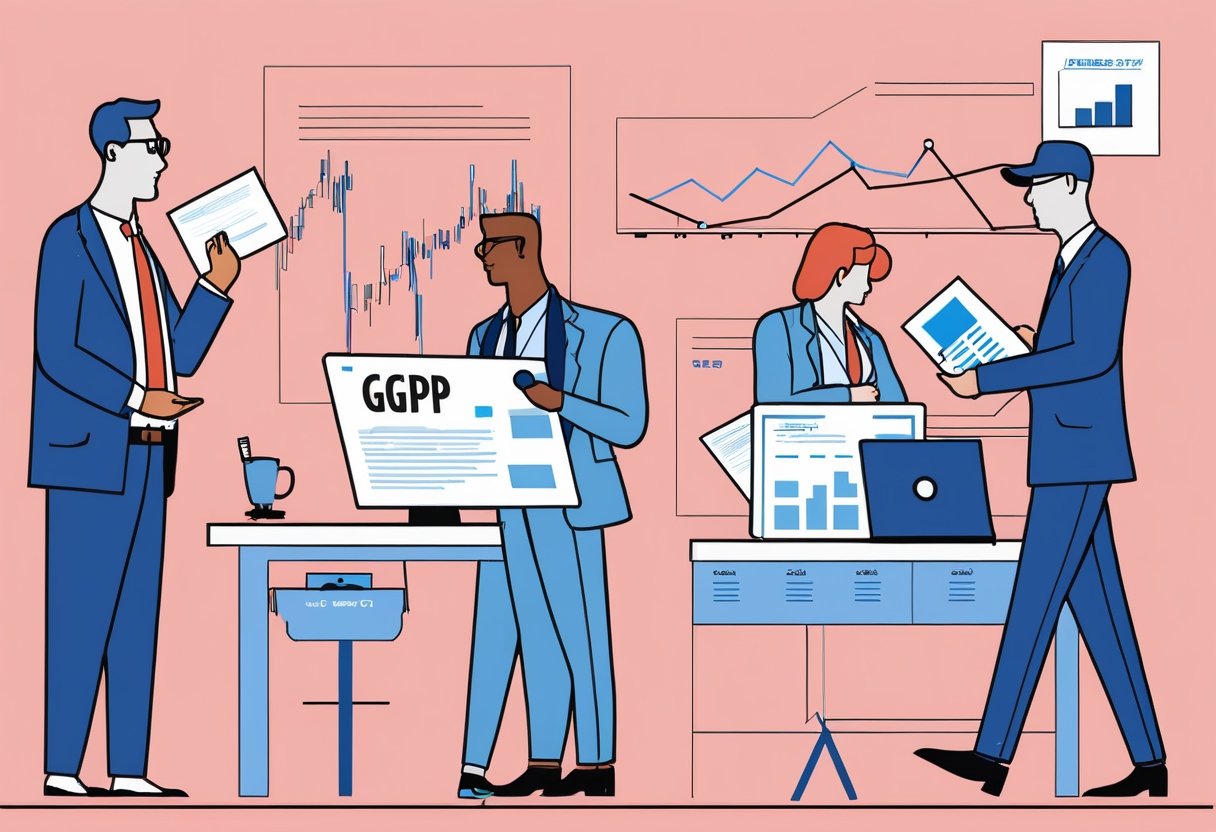
The recent GDP data has confirmed what many have been fearing: the era of jobless growth is here. As reported by Eva Roytburg on Yahoo Finance, the GDP number arrived just before Christmas, wrapped like good news, but the lived economy does not reflect this optimism. The term ‘jobless growth’ refers to an economy where GDP climbs, but hiring doesn’t. This phenomenon is largely driven by AI-driven productivity rather than fresh hires.
Understanding the K-Shaped Economy
The concept of a K-shaped economy, where some groups thrive while others struggle, is becoming increasingly relevant. According to Fortune, the next era of workplace innovation is here, and the old playbook is being rewritten. The K-shaped economy is characterized by a divergence in the fortunes of different groups, with some experiencing significant growth while others face stagnation or decline.
The Impact on Gen Z
Gen Z is disproportionately affected by the era of jobless growth. As Goldman Sachs economists argue, most of the growth will come from AI-driven productivity rather than fresh hires. This means that younger workers, including Gen Z, face significant challenges in finding entry-level roles. The data is sobering, with job growth outside healthcare turning negative, despite a strong GDP.
Low-Hire, Low-Fire Economy
The concept of a ‘low-hire, low-fire’ economy, coined by Goldman Sachs, suggests that companies will keep their existing employees but stop hiring new ones. This is largely driven by AI, which is driving productivity up by 15% but squeezing out entry-level roles. As a result, young workers face the biggest challenge, with tech roles being especially at risk.
Practical Takeaways
So, what can be done to mitigate the effects of jobless growth? Firstly, it’s essential to develop skills that are complementary to AI, such as critical thinking, creativity, and emotional intelligence. Secondly, companies must prioritize innovation and invest in employee development programs. Finally, policymakers must implement policies that support workers who are displaced by automation.