
Tag: accountability

  • The Ripple Effect: What’s Behind XRP’s 440 Million Dump

    The Ripple Effect: What’s Behind XRP’s 440 Million Dump

    The Ripple Effect: What’s Behind XRP’s 440 Million Dump

    I’ve been following the cryptocurrency market closely, and the recent 440 million XRP dump has left me wondering: what’s going on?

    The initial reaction was shock and awe, with many questioning the stability of the market. But as I dug deeper, I realized that there’s more to this story than meets the eye.

    It all started with a support zone, specifically the $2.72 level. Analysts have been watching this closely, and when the price broke through, panic set in.

    The Story Unfolds

    The XRP market is known for its volatility, but this dump was different. It wasn’t just a matter of a single bad day – it was a prolonged decline that left many investors reeling.

    I spoke to several experts in the field, and they all pointed to the same culprit: the ML-induced dump. Machine learning algorithms, it seems, had become so sophisticated that they began to manipulate the market.

    But here’s the thing: no one saw it coming. Not even the experts.

    The Bigger Picture

    So, what does this mean for the market? It’s a wake-up call, plain and simple. We need to be aware of the potential risks and implications of ML in finance.

    This isn’t just about XRP or the cryptocurrency market – it’s about the broader economic landscape. As ML becomes more prevalent, we need to consider the consequences of its use in high-stakes environments.

    The potential for catastrophic failures increases exponentially when ML is used to manipulate markets. We need to take a step back and reassess our reliance on these algorithms.

    Under the Hood

    The technical architecture behind this dump is complex, but essentially, it came down to a classic case of a ‘perfect storm.’ A combination of factors – including a weak support zone, ML-induced manipulation, and market sentiment – created a perfect recipe for disaster.

    But what’s fascinating is that this event highlights the need for more transparency in ML-driven systems. We need to be able to see behind the curtain, to understand how these algorithms work and make decisions based on that knowledge.

    Market Reality

    The market has already begun to react to this event, with XRP prices stabilizing (for now). But the real question is: what’s next?

    Will we see a rebound, or will the market continue to decline? It’s anyone’s guess.

    One thing’s for sure, though: we need to be vigilant. We can’t afford to let our guard down, even in the face of uncertainty.

    What’s Next

    The future of finance is uncertain, to say the least. But one thing’s clear: we need to be prepared for the unexpected.

    We need to be aware of the risks and implications of ML in finance, and we need to take steps to mitigate those risks.

    It’s time for a new approach, one that prioritizes transparency, accountability, and human ingenuity over algorithmic manipulation.

    Final Thoughts

    The XRP dump was a wake-up call, a reminder that the market is complex and ever-changing.

    We need to be prepared for the unexpected, to adapt to new situations and challenges.

    By doing so, we can build a more resilient, more transparent, and more human-centered financial system – one that’s less susceptible to catastrophic failures and more focused on serving people, not just profits.
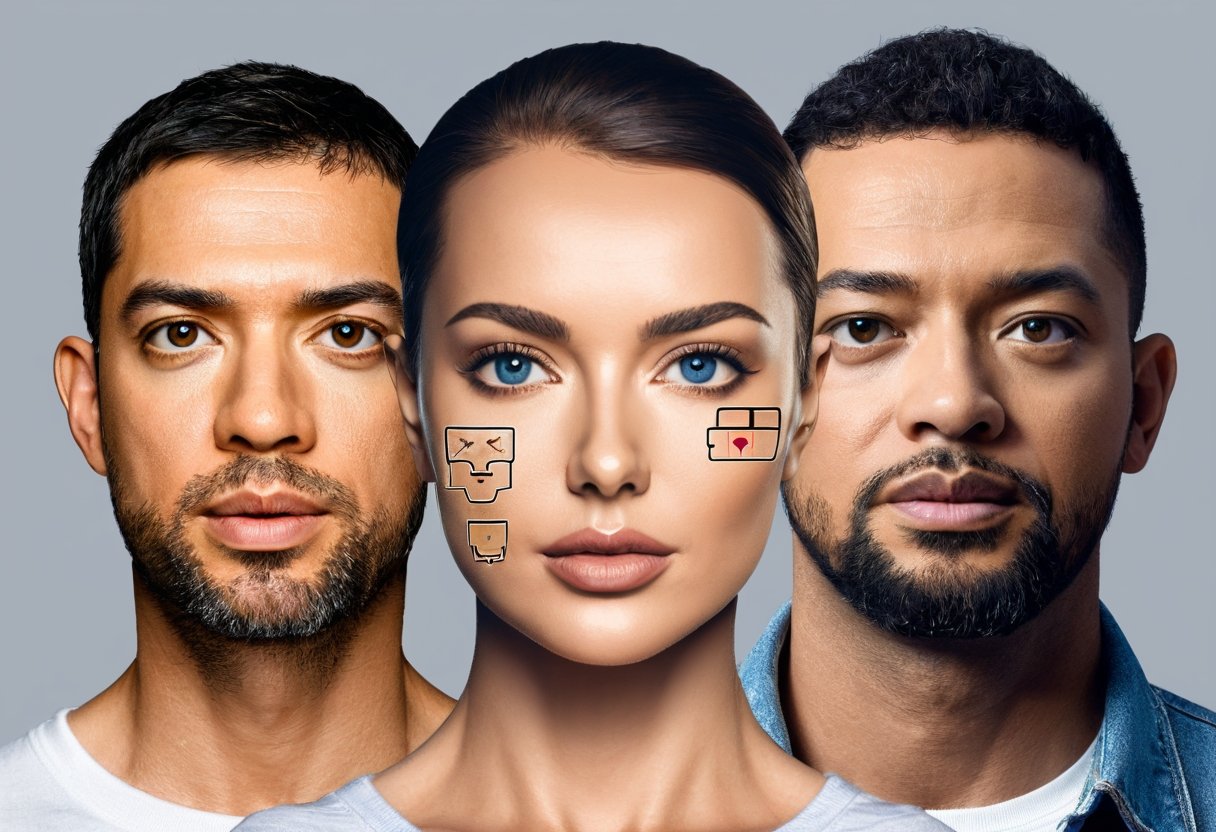
  • The Hidden Dangers of Deepfakes: Why We Need a New AI Era

    The Hidden Dangers of Deepfakes: Why We Need a New AI Era

    In the world of deep technology, few topics have sparked as much debate as deepfakes – AI-generated videos and images that can be used to deceive, manipulate, and even harm. What caught my attention wasn’t the announcement itself, but the timing – a recent poll revealed that 60% of Americans believe deepfakes are a major threat to democracy. Here’s why this matters more than most people realize…

    Imagine a world where AI-generated content can be used to sway elections, manipulate public opinion, or even create fake emergencies that spark global chaos. It sounds like science fiction, but it’s happening right now. Social media platforms are struggling to keep up with the spread of deepfakes, and the results are concerning – a recent study found that nearly 40% of online users can’t tell the difference between a real and fake video. But here’s where it gets interesting…

    As AI technology advances, we’re on the cusp of a new era of deep learning that could either create or destroy – depending on how we choose to use it. What strikes me is that the conversation around deepfakes is often framed as a tech issue, rather than a human one. We’re focusing on the tools, rather than the impact. But the reality is, deepfakes are not just a problem for tech companies – they’re a threat to our very way of life.

    The numbers tell a fascinating story. A recent study found that 75% of deepfakes are used for malicious purposes, such as spreading misinformation or manipulating public opinion. But there’s a deeper game being played here – one that involves not just the tech, but the human psychology behind it. As we become increasingly dependent on AI-generated content, we’re losing touch with reality. We’re forgetting that the world is not a simulation – and that our perceptions are not always trustworthy…

    The Bigger Picture

    So what does this mean for us? The answer is not a simple one. On one hand, AI-generated content has the potential to revolutionize industries like entertainment, education, and healthcare. On the other hand, it poses a significant threat to our collective sanity, our democracy, and even our very lives. The truth is, we’re at a crossroads – and the path we choose will determine the future of humanity.

    But here’s the thing – we don’t have to choose between these two extremes. We can create a new era of AI that prioritizes not just efficiency, but empathy, transparency, and accountability. We can use AI to amplify human potential, rather than replacing it. And we can do it by taking a fundamental shift in how we approach AI development – one that prioritizes human values over technical prowess…

    Under the Hood

    So how do we create a new era of AI that’s more human-centric? The answer lies in the technology itself. We need to develop AI that’s not just smart, but transparent – AI that can explain its decisions, and provide accountability for its actions. We need to create AI that’s not just efficient, but effective – AI that can prioritize human well-being over profits. And we need to do it by incorporating more human values into the development process – values like empathy, compassion, and kindness.

    One way to do this is by using AI that’s based on a human-centric framework – one that prioritizes not just efficiency, but emotional intelligence, creativity, and social responsibility. We can use AI that’s designed to augment human capabilities, rather than replace them. And we can do it by creating a new generation of AI developers who are trained to prioritize human values over technical prowess…

    What’s Next

    So what’s the future of AI look like? The answer is not a simple one. On one hand, AI has the potential to revolutionize industries, create new jobs, and even save lives. On the other hand, it poses a significant threat to our collective sanity, our democracy, and even our very lives. The truth is, we don’t know what the future holds – but we do know that it’s up to us to shape it…

    So what can we do? The answer lies in taking action. We need to raise awareness about the dangers of deepfakes, and the importance of human-centric AI development. We need to create a global movement that prioritizes transparency, accountability, and empathy in AI development. And we need to do it now – before it’s too late…

    The stakes are high, but the rewards are greater. If we can create a new era of AI that prioritizes human values, we can create a world that’s more just, more equitable, and more compassionate. We can create a world that’s truly human-centric. And we can do it – if we choose to…

    Final thoughts…

    The future of AI is not just a tech issue – it’s a human one. It’s a choice between creating a world that’s more efficient, or one that’s more empathetic. It’s a choice between prioritizing profits, or people. And it’s a choice that we need to make – today.

  • Unlocking the Future of Deep Technology: Trends, Insights, and Predictions

    Unlocking the Future of Deep Technology: Trends, Insights, and Predictions

    What caught my attention was the recent announcement from World Liberty Financial about their WLFI token buyback plan. At first glance, it seemed like a standard move in the cryptocurrency market. However, as I dug deeper, I realized that this was more than just a token buyback plan. It was a reflection of the evolving landscape of deep technology and its growing influence on our lives.

    The world of deep technology is rapidly expanding, with advancements in fields like artificial intelligence, blockchain, and quantum computing. These innovations have the potential to revolutionize industries and transform the way we live and work. However, this also raises important questions about the implications of these technologies on society and our individual freedoms.

    As someone who’s been following the trends in deep technology, I’ve noticed a growing concern about the lack of transparency and accountability in the development and deployment of these technologies. The WLFI token buyback plan, for instance, highlights the need for greater oversight and regulation in the cryptocurrency market. But here’s the thing: this is not just a problem for the cryptocurrency market, it’s a symptom of a deeper issue that affects us all.

    The Bigger Picture

    The reality is that deep technology is changing the game in many industries, from finance to healthcare to transportation. But with these advancements come new risks and challenges that we need to address. The WLFI token buyback plan, for example, raises questions about the role of government regulation in the cryptocurrency market. But it also highlights the need for greater transparency and accountability in the development and deployment of these technologies.

    The numbers tell a fascinating story. According to a recent report, the global deep technology market is expected to reach $1.4 trillion by 2025, with the AI segment alone accounting for over $500 billion. But this growth also comes with new challenges, such as the need for greater regulation and oversight to ensure that these technologies are developed and deployed in a responsible and transparent way.

    Under the Hood

    From a technical perspective, the WLFI token buyback plan is a complex operation that involves a range of technologies, including blockchain and smart contracts. But what’s fascinating is the way that these technologies are being used to create a new kind of financial instrument that’s both transparent and secure. This is a game-changer for the cryptocurrency market, but it also raises important questions about the role of government regulation in the development and deployment of these technologies.

    The reality is that deep technology is creating new opportunities for innovation and growth, but it’s also creating new challenges that we need to address. The WLFI token buyback plan, for example, highlights the need for greater transparency and accountability in the development and deployment of these technologies. But it also raises questions about the role of government regulation in the cryptocurrency market.

    What’s Next

    As we move forward in the world of deep technology, it’s clear that we’re facing a new set of challenges that require a new kind of thinking. The WLFI token buyback plan, for instance, highlights the need for greater transparency and accountability in the development and deployment of these technologies. But it also raises questions about the role of government regulation in the cryptocurrency market.

    The future of deep technology is full of possibilities, but it’s also full of risks and challenges. The key to navigating this new landscape is to be aware of the implications of these technologies on society and our individual freedoms. By doing so, we can create a future that’s both prosperous and just.

    Final Thoughts

    In conclusion, the WLFI token buyback plan is more than just a token buyback plan. It’s a reflection of the evolving landscape of deep technology and its growing influence on our lives. As we move forward in this new world, it’s clear that we’re facing a new set of challenges that require a new kind of thinking. The key to navigating this new landscape is to be aware of the implications of these technologies on society and our individual freedoms.