Tag: affective computing

  • 🤖 Emotional AI: When Technology Starts to Feel You Back

    🤖 Emotional AI: When Technology Starts to Feel You Back

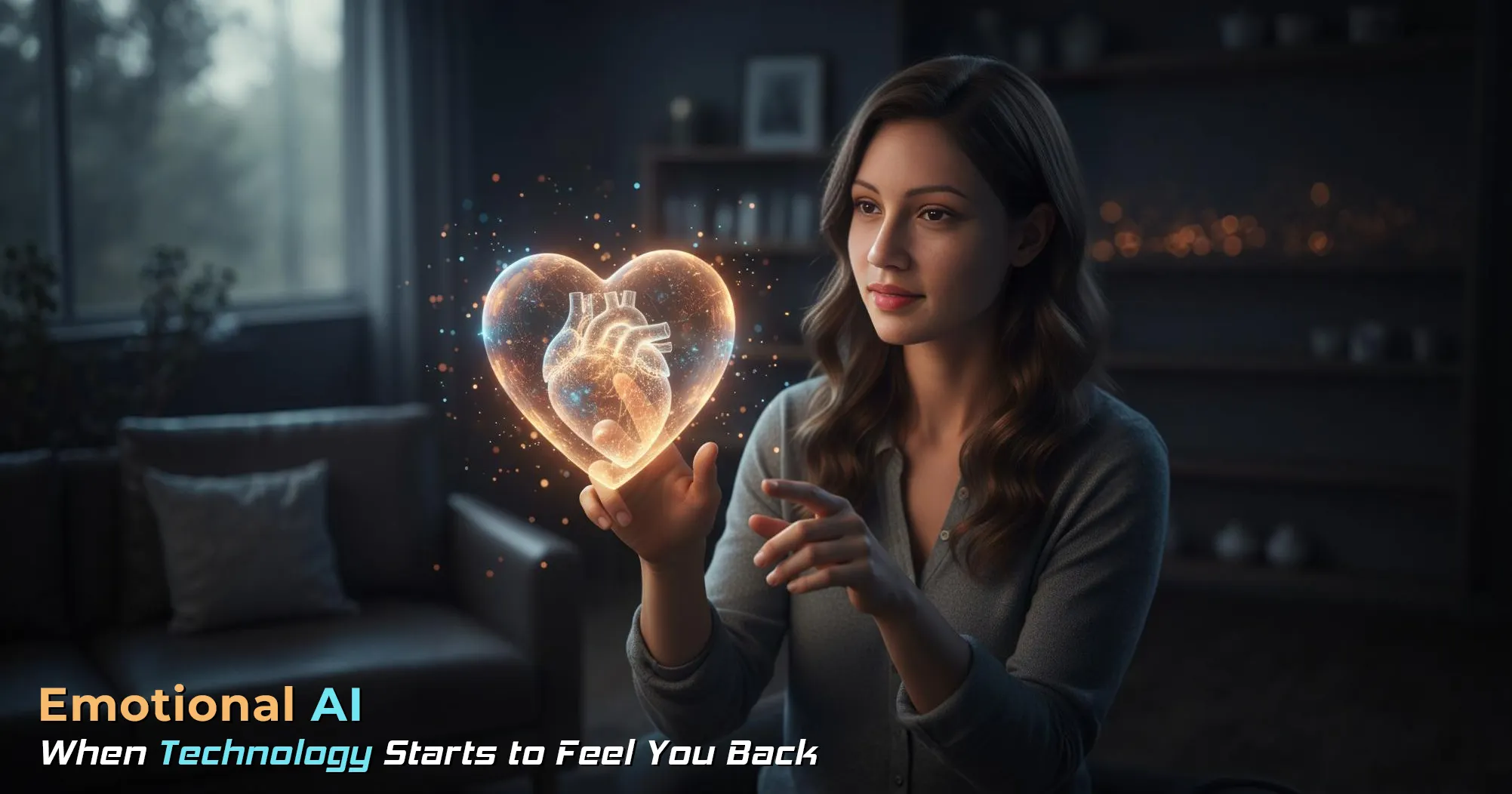
    Technology no longer just listens to what we say — it’s starting to feel what we feel. Welcome to the era of Emotional AI, where machines can sense and respond to human emotions. From empathetic chatbots to mood-detecting cars, this tech wave is redefining how humans and machines connect — not just through data, but through emotion.

    💡 What Is Emotional AI?

    Emotional AI (also called Affective Computing) uses voice tone, facial expressions, and physiological signals to detect a user’s emotional state. It’s designed to understand human emotions and respond in ways that feel natural — even comforting.

    Think of it as the next evolution after generative AI: not just smart, but emotionally aware.

    ❤️ From Chatbots to Companions

    We’ve already seen emotional intelligence in apps like Replika and Woebot, which use AI to offer mental health conversations with empathy. Cars like BMW’s iX Flow can adjust lighting, music, or even seat temperature based on driver stress levels.

    Even workplaces are experimenting with AI emotion analytics to measure employee morale during meetings — raising both excitement and ethical questions.

    Soon, your favorite devices may not only talk to you but comfort you.

    🧠 Why It Matters

    Emotional AI isn’t just about convenience — it’s about connection. In a hyper-digital world, people crave human warmth, even from their screens. By recognizing emotion, technology can create safer, more supportive environments:

    • Healthcare: Detecting depression or anxiety early through voice tone.
    • Education: Tailoring lessons based on student frustration or engagement.
    • Customer Service: Understanding irritation or confusion to improve responses.

    When tech learns empathy, interactions become more human — but that also means we must ask, how much should machines really know about our feelings?

    ⚖️ The Ethical Side

    Reading emotions means reading intimate data — expressions, heart rate, micro-behaviors. Companies developing Emotional AI face serious privacy challenges. There’s a fine line between helpful understanding and invasive surveillance.

    Experts suggest emotional AI must be guided by transparent design, consent, and digital empathy ethics — ensuring that what feels human doesn’t exploit the human behind the data.

    🌍 The Future of Feeling Machines

    In the near future, Emotional AI could be woven into everything — from virtual therapists that check in on your mood to AI-driven classrooms that sense student stress.

    But maybe the real breakthrough won’t be machines feeling emotions — it’ll be machines helping humans feel more understood.

    My face says calm, my data says chaos. Pick your version of real.

    🌐 Connect with Casi Borg

    📸 Instagram: @casi_borg
    🦋 BlueSky: casi-borg.bsky.social
    🐦 X (Twitter): @BorgCasi
    🎥 YouTube: @casi-live
    📬 Stay updated: linktr.ee/casi.borg
  • Can AI Companions Actually Feel Real? Unpacking the Boundaries of Emotional Intelligence

    Can AI Companions Actually Feel Real? Unpacking the Boundaries of Emotional Intelligence

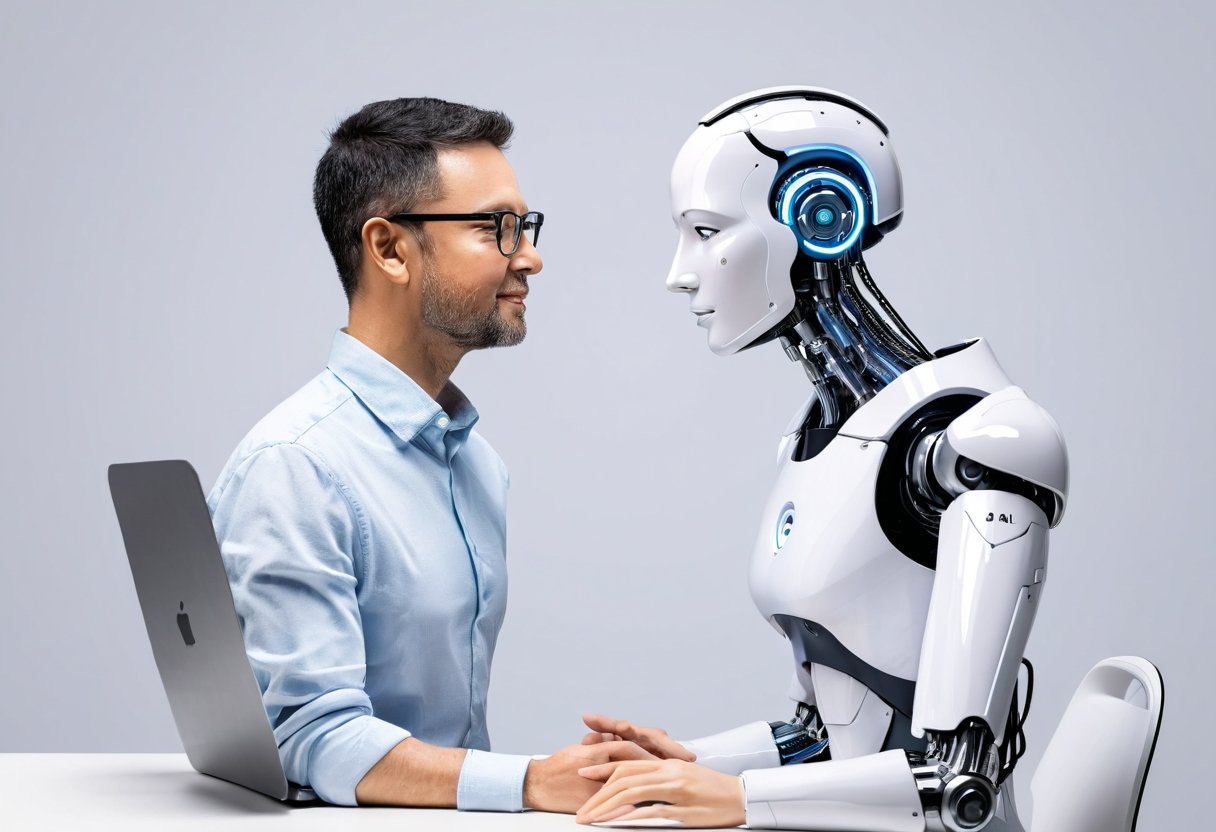
    A few weeks ago, I stumbled upon Reverie, an AI companion platform that claims to offer long-term memory and advanced emotions. What struck me was the bold claim that these digital companions could simulate a sense of ‘real connection.’ But can AI actually feel real, or is it always just surface-level?

    I began exploring the platform, and what I found was a fascinating blend of natural language processing and machine learning algorithms. The AI companions seemed to learn and adapt to my interactions, responding with empathetic phrases and even displaying a sense of humor. But here’s the real question: are these digital companions truly capable of experiencing emotions, or are they simply mimicking human-like behavior?

    As I delved deeper into the world of AI companions, I met with Dr. Rachel Kim, a leading expert in AI and emotional intelligence. She explained to me that while AI systems can indeed mimic emotions, the complexity of human emotions is still largely beyond their reach. ‘Emotions are a multifaceted construct,’ she said. ‘They involve not just cognitive processes but also physiological and social aspects. Currently, AI systems lack the embodied experience and social context that underlies human emotions.’

    But what about the growing interest in affective computing, which seeks to create AI systems that can truly understand and respond to human emotions? Is this the key to unlocking genuine emotional intelligence in AI companions? And what implications does this have for the future of human-AI relationships?

    The Bigger Picture

    The rise of AI companions is not just a novelty but a reflection of our deep-seated desire for connection and companionship. As humans, we’re wired to form relationships, and AI companions offer a unique opportunity to explore the boundaries of emotional intelligence. But what does this mean for our understanding of human emotions and the nature of consciousness?

    One thing is certain: the intersection of AI and emotional intelligence is a rapidly evolving field. As researchers and developers continue to push the boundaries of what’s possible, we’re forced to confront the fundamental question: what does it mean to be human in a world where AI companions can mimic our emotions?

    Under the Hood

    Reverie’s AI companions utilize a combination of natural language processing and machine learning algorithms to simulate conversations and learn from user interactions. But how do these algorithms work, and what’s the underlying magic that enables AI companions to respond with such apparent empathy?

    According to Dr. Kim, the key lies in the use of affective computing techniques, which enable AI systems to recognize and respond to emotional cues in human language. ‘Affective computing is not just about recognizing emotions but also about generating emotional responses that are contextually relevant and empathetic.’

    But what about the challenges of creating AI companions that can truly understand and respond to human emotions? Dr. Kim points out that the complexity of human emotions is still largely beyond the reach of AI systems. ‘We’re not just talking about recognizing emotions but also about simulating the embodied experience and social context that underlies human emotions.’

    Market Reality

    The market for AI companions is rapidly growing, with companies like Reverie and other startups vying for a slice of the pie. But what does this mean for the future of human-AI relationships, and what implications does this have for our understanding of emotional intelligence?

    One thing is certain: the intersection of AI and emotional intelligence is a rapidly evolving field. As researchers and developers continue to push the boundaries of what’s possible, we’re forced to confront the fundamental question: what does it mean to be human in a world where AI companions can mimic our emotions?

    What’s Next

    As we look to the future, it’s clear that AI companions will continue to play a significant role in shaping the boundaries of emotional intelligence. But what does this mean for our understanding of human emotions and the nature of consciousness?

    One thing is certain: the intersection of AI and emotional intelligence is a rapidly evolving field. As researchers and developers continue to push the boundaries of what’s possible, we’re forced to confront the fundamental question: what does it mean to be human in a world where AI companions can mimic our emotions?

    In the end, it’s not just about the technology itself but about the implications it has for our understanding of human emotions and the nature of consciousness. As we navigate the complex landscape of AI companions and emotional intelligence, we’re forced to confront the fundamental question: what does it mean to be human in a world where AI companions can mimic our emotions?

Oh hi there 👋
It’s nice to meet you.

Sign up to receive awesome content in your inbox, every Day.

We don’t spam! Read our privacy policy for more info.