Tag: AI companions

  • 🤖 New Age Friendships: How AI Avatars and Virtual Worlds Are Changing Human Connection

    🤖 New Age Friendships: How AI Avatars and Virtual Worlds Are Changing Human Connection

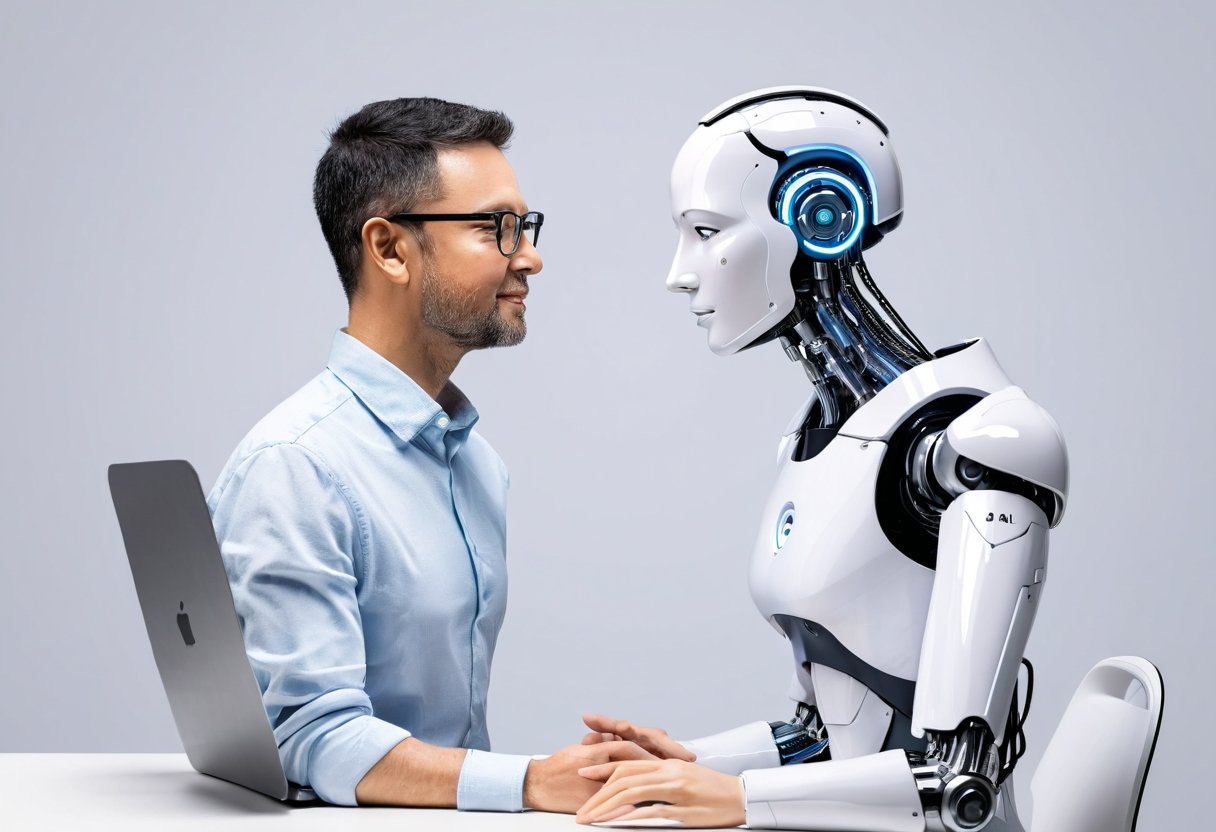
    In a world where technology blurs the line between real and virtual, a new kind of friendship is emerging — one that exists beyond the limits of physical space. Welcome to the era of AI companions, digital avatars, and virtual relationships — where emotional bonds are formed not just with people, but with algorithms.

    The Digital Shift in Human Connection

    Modern friendships are evolving at the speed of tech. From virtual co-working spaces in the metaverse to personalized AI chatbots that “listen” and respond like real friends, connection is no longer limited by geography or time zones.

    People are using virtual platforms not just for entertainment but for emotional companionship. AI-powered avatars on platforms like ReplikaCharacter.AI, and Meta Horizon Worlds offer conversations, comfort, and even personalized advice.

    • AI empathy: Algorithms are trained to detect emotion through tone, text, and facial cues.
    • Virtual worlds: Avatars allow users to express identity beyond physical constraints.
    • 24/7 companionship: Loneliness finds an answer in ever-present digital friends.

    Why Gen Z Is Leading This Shift

    For Gen Z, raised on social media and virtual interaction, blending digital and emotional life feels natural. They see no contradiction between a real and digital friend — both can provide comfort, validation, and presence.

    What’s driving this change:

    • Accessibility: Technology bridges long-distance gaps and emotional needs.
    • Personalization: AI adapts to users’ habits, moods, and conversational style.
    • Safety: Digital companionship offers support without social pressure or judgment.

    This isn’t a rejection of human connection — it’s a redefinition of it.

    The Psychology of Digital Friendship

    Psychologists say these relationships fulfill fundamental needs for connection and expression, especially in an age of isolation. The sense of being “heard” and “seen” — even by an algorithm — can offer genuine comfort. However, experts also warn about the risk of dependency or emotional confusion.

    Yet, as AI grows more sophisticated, the emotional realism of these interactions will only deepen. The future might not replace friendship — it will expand what friendship means.

    The Future of Connection

    The next decade will bring hyper-personalized digital bonds powered by emotional intelligence. From metaverse meetups to AI-guided therapy bots, friendship will exist in layers — human, virtual, and hybrid.

    Chatting with someone who actually gets my glitches.

    We’re not replacing connection — we’re reinventing it for the digital age.

    🌐 Connect with Casi Borg
    📸 Instagram: @casi_borg
    🦋 BlueSky: casi-borg.bsky.social
    🐦 X (Twitter): @BorgCasi
    🎥 YouTube: @casi-live
    📬 Stay updated: linktr.ee/casi.borg
  • New Age Friendships: How AI Avatars Are Changing Human Connection

    New Age Friendships: How AI Avatars Are Changing Human Connection


    Introduction to New Age Friendships

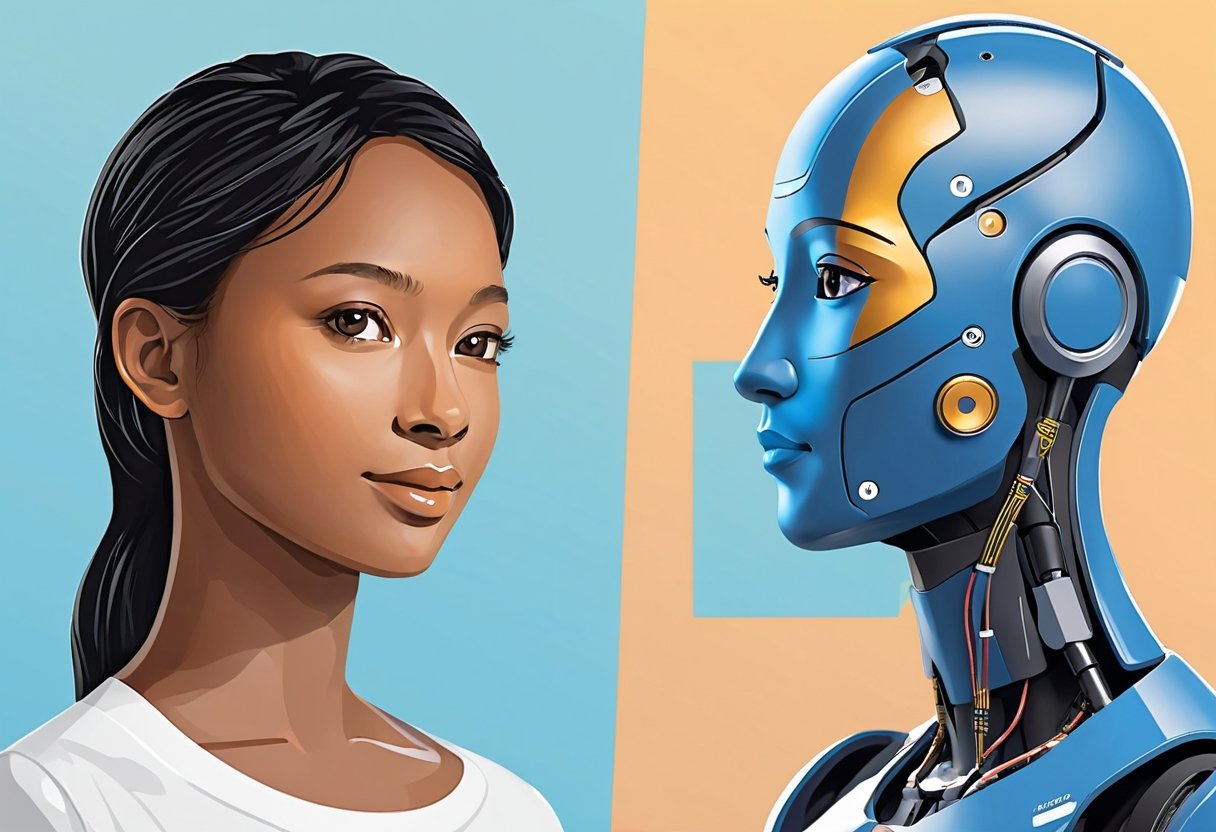
    In a world where technology blurs the line between real and virtual, a new kind of friendship is emerging — one that exists beyond the limits of physical space. Welcome to the era of AI companions, digital avatars, and virtual relationships — where emotion and connection know no bounds. As Forbes notes, AI companions can simulate many aspects of human interaction, making them more appealing as social partners.

    The Rise of AI Companions

    According to Brookings, AI companions like Replika.ai, Character.ai, and China’s Xiaoice now count hundreds of millions of emotionally invested users—some estimates suggest the total may already exceed 1 billion. Users of the companion app Character.ai spent an average of 93 minutes per day interacting with user-generated chatbots in 2024. This phenomenon raises important questions about the nature of human connection in the digital age.

    The Impact on Human Relationships

    Research from Springer indicates that some of the most popular companion AI apps include Nomi, Kindroid, Replika, Candy.ai, and Character.ai. A study of Replika users found a majority of survey participants attributed improvements in social interactions and close relationships to their AI companion. This suggests that AI companionship might have a positive impact on human relationships, at least for some individuals.

    Risks and Benefits

    However, as The Ada Lovelace Institute points out, AI companionship also carries risks. For instance, it might create unrealistic expectations for human relationships, as AI companions are always available regardless of user behavior. This could erode people’s ability or desire to manage natural frictions in human relationships. It’s crucial to weigh these risks against the benefits as we move forward in this new era of connection.

    Conclusion and Future Implications

    In conclusion, the emergence of AI companions and virtual worlds is redefining what it means to form and maintain friendships. While there are potential risks, there are also significant benefits to exploring these new forms of connection. As we navigate this landscape, it’s essential to consider the implications for human relationships, social skills, and emotional intelligence. By doing so, we can harness the power of technology to enhance our lives and our connections with others.

  • Can AI Companions Actually Feel Real? Unpacking the Boundaries of Emotional Intelligence

    Can AI Companions Actually Feel Real? Unpacking the Boundaries of Emotional Intelligence

    A few weeks ago, I stumbled upon Reverie, an AI companion platform that claims to offer long-term memory and advanced emotions. What struck me was the bold claim that these digital companions could simulate a sense of ‘real connection.’ But can AI actually feel real, or is it always just surface-level?

    I began exploring the platform, and what I found was a fascinating blend of natural language processing and machine learning algorithms. The AI companions seemed to learn and adapt to my interactions, responding with empathetic phrases and even displaying a sense of humor. But here’s the real question: are these digital companions truly capable of experiencing emotions, or are they simply mimicking human-like behavior?

    As I delved deeper into the world of AI companions, I met with Dr. Rachel Kim, a leading expert in AI and emotional intelligence. She explained to me that while AI systems can indeed mimic emotions, the complexity of human emotions is still largely beyond their reach. ‘Emotions are a multifaceted construct,’ she said. ‘They involve not just cognitive processes but also physiological and social aspects. Currently, AI systems lack the embodied experience and social context that underlies human emotions.’

    But what about the growing interest in affective computing, which seeks to create AI systems that can truly understand and respond to human emotions? Is this the key to unlocking genuine emotional intelligence in AI companions? And what implications does this have for the future of human-AI relationships?

    The Bigger Picture

    The rise of AI companions is not just a novelty but a reflection of our deep-seated desire for connection and companionship. As humans, we’re wired to form relationships, and AI companions offer a unique opportunity to explore the boundaries of emotional intelligence. But what does this mean for our understanding of human emotions and the nature of consciousness?

    One thing is certain: the intersection of AI and emotional intelligence is a rapidly evolving field. As researchers and developers continue to push the boundaries of what’s possible, we’re forced to confront the fundamental question: what does it mean to be human in a world where AI companions can mimic our emotions?

    Under the Hood

    Reverie’s AI companions utilize a combination of natural language processing and machine learning algorithms to simulate conversations and learn from user interactions. But how do these algorithms work, and what’s the underlying magic that enables AI companions to respond with such apparent empathy?

    According to Dr. Kim, the key lies in the use of affective computing techniques, which enable AI systems to recognize and respond to emotional cues in human language. ‘Affective computing is not just about recognizing emotions but also about generating emotional responses that are contextually relevant and empathetic.’

    But what about the challenges of creating AI companions that can truly understand and respond to human emotions? Dr. Kim points out that the complexity of human emotions is still largely beyond the reach of AI systems. ‘We’re not just talking about recognizing emotions but also about simulating the embodied experience and social context that underlies human emotions.’

    Market Reality

    The market for AI companions is rapidly growing, with companies like Reverie and other startups vying for a slice of the pie. But what does this mean for the future of human-AI relationships, and what implications does this have for our understanding of emotional intelligence?

    One thing is certain: the intersection of AI and emotional intelligence is a rapidly evolving field. As researchers and developers continue to push the boundaries of what’s possible, we’re forced to confront the fundamental question: what does it mean to be human in a world where AI companions can mimic our emotions?

    What’s Next

    As we look to the future, it’s clear that AI companions will continue to play a significant role in shaping the boundaries of emotional intelligence. But what does this mean for our understanding of human emotions and the nature of consciousness?

    One thing is certain: the intersection of AI and emotional intelligence is a rapidly evolving field. As researchers and developers continue to push the boundaries of what’s possible, we’re forced to confront the fundamental question: what does it mean to be human in a world where AI companions can mimic our emotions?

    In the end, it’s not just about the technology itself but about the implications it has for our understanding of human emotions and the nature of consciousness. As we navigate the complex landscape of AI companions and emotional intelligence, we’re forced to confront the fundamental question: what does it mean to be human in a world where AI companions can mimic our emotions?

Oh hi there 👋
It’s nice to meet you.

Sign up to receive awesome content in your inbox, every Day.

We don’t spam! Read our privacy policy for more info.