Tag: AI fintech

  • Revolut Integrates Solana Payments for 65 Million Users

    Revolut Integrates Solana Payments for 65 Million Users


    Introduction to Revolut and Solana

    Revolut, a leading digital banking app, has taken a significant step into the cryptocurrency space by integrating Solana payments for its 65 million users worldwide. This move marks a crucial expansion for Solana in mainstream finance, positioning the blockchain as infrastructure for high-volume payments across one of Europe’s largest digital banks.

    What This Means for Users

    According to Finbold, users can now send, receive, and pay using SOL, USDT, and USDC directly within the Revolut app. This integration also enables peer-to-peer transfers, withdrawals to external wallets, and participation in staking through the banking interface.

    Technical and Market Implications

    The integration underscores a growing trend of established financial technology companies turning to Solana for its high-performance infrastructure, as noted by AInvest. This move signals increasing confidence from major financial institutions in Solana’s ability to support scalable, low-cost payment and staking services for a mass-market audience.

    Future Outlook

    As StableDash points out, this development could catalyze institutional interest in Solana, particularly with Revolut’s large user base gaining seamless access to stablecoin transactions and native crypto services. The future implications of this integration are vast, with potential for further mainstream adoption of cryptocurrency.

  • The Great Silicon Scramble: AI’s Soul

    The Great Silicon Scramble: AI’s Soul


    The Battle for AI Supremacy

    The world of artificial intelligence (AI) is witnessing a significant shift, with tech titans engaging in a fierce battle for dominance. At the heart of this struggle lies the development of AI chips, specialized hardware designed to optimize AI workloads. As Google, Amazon, and Microsoft invest heavily in this arena, a small startup in Palo Alto might just hold the key to disrupting the entire landscape.

    The Rise of AI Chips

    AI chips, such as Google’s Tensor Processing Units (TPUs) and NVIDIA’s Graphics Processing Units (GPUs), have become essential for training and deploying AI models. These chips offer significant performance boosts and energy efficiency, making them crucial for applications like natural language processing, computer vision, and predictive analytics. According to a report by McKinsey, the market for AI chips is expected to reach $50 billion by 2025, growing at a compound annual rate of 40%.

    The Startup Disruptor

    In a small living room in Palo Alto, a team of engineers is working on a revolutionary new chip design that could potentially outperform current AI chips. This startup, backed by prominent venture capital firms, is focusing on developing a chip that can efficiently handle both training and inference workloads. If successful, this could significantly reduce the cost and complexity of AI deployments, making it more accessible to businesses and organizations worldwide.

    Market Implications

    The outcome of this battle for AI supremacy will have far-reaching implications for the tech industry and beyond. As AI becomes increasingly pervasive, the ability to develop and deploy AI models efficiently will become a key differentiator for businesses. The startup’s innovative approach could potentially disrupt the entire AI chip market, forcing established players to rethink their strategies and invest in new technologies.

  • The Future of Data Analysis: AI Takes the Lead

    The Future of Data Analysis: AI Takes the Lead


    Introduction to AI-Driven Data Transformation

    In 2025, India is experiencing a massive shift toward AI-driven data transformation. According to a recent IDC–Qlik report, generative AI adoption is rising quickly, and India’s AI spending is projected to reach US$ 9.2 billion by 2028, driven by enterprises adopting smarter data tools. This rapid growth is enabling organizations to automate a large part of their analytical workflows, making way for faster and more accurate insights.

    Why Data Analysis Is Becoming More Automated

    Data analysis traditionally involved manual work across multiple stages. Today, AI is transforming each of these steps, allowing organizations to automate up to 80% of their traditional data analysis tasks, as noted by SOURCE 1. With these capabilities, teams can focus on strategic decision-making.

    Top Data and AI Solution Companies in India

    Three strong contributors to India’s data automation ecosystem are:

    1. Tata Consultancy Services (TCS)

    AI Spending in India

    According to IDC, AI spending will grow at 2.2x the rate of overall digital technology spending in the next three years, generating an India economic impact of over $115 billion by the end of 2027.

    Market Impact and Future Implications

    The IDC MarketScape names Qlik as a Leader in Data Integration Software Platforms. This, combined with the projected growth of the generative AI market to US $59.01 billion in 2025, indicates a significant shift in how data analysis is approached.

    Practical Takeaways

    For businesses looking to leverage AI for data analysis, it’s crucial to invest in solutions that can automate a significant portion of their analytical workflows, thereby enhancing efficiency and accuracy.

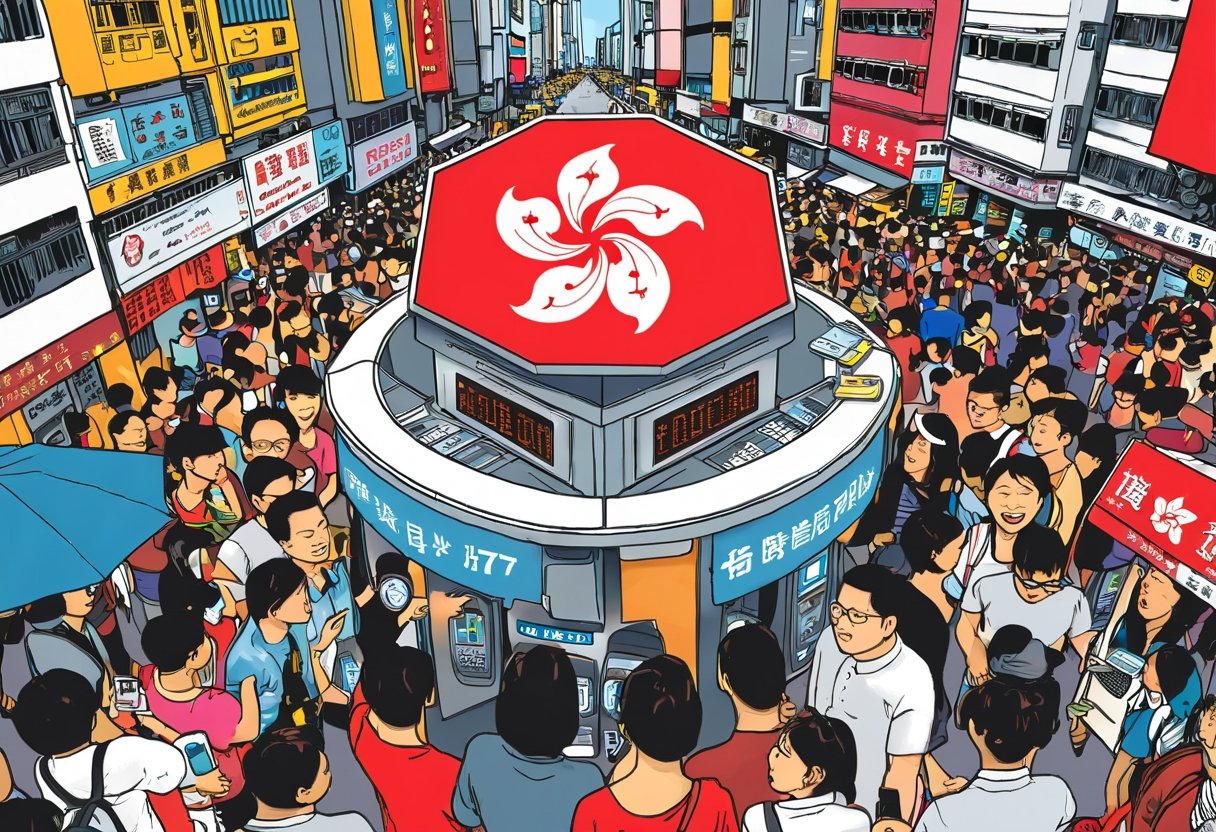
  • Hong Kong Embraces 24/7 Tokenised Banking Revolution

    Hong Kong Embraces 24/7 Tokenised Banking Revolution


    Introduction to Tokenised Banking

    Hong Kong is taking a significant leap into the future of finance by introducing 24/7 tokenised banking. As reported by Blockhead, the Hong Kong Monetary Authority (HKMA) has launched a pilot program called EnsembleTX, enabling real-value transactions involving tokenised deposits and digital assets. This move is part of Hong Kong’s Fintech 2030 strategy, which aims to build a financial tokenisation ecosystem and create data and payment infrastructure.

    How Tokenised Banking Works

    Tokenised banking involves the use of blockchain technology to represent traditional assets in a digital form. As South China Morning Post explains, this allows for faster, more transparent, and more efficient transactions. The HKMA’s pilot program will initially facilitate interbank settlement through Hong Kong’s existing Real Time Gross Settlement system for Hong Kong dollars, with plans to progressively upgrade the infrastructure to support settlement in tokenised central bank money on a 24/7 basis.

    Benefits of Tokenised Banking

    The introduction of tokenised banking in Hong Kong is expected to bring numerous benefits, including round-the-clock access, lower costs, and improved cash management. As Yahoo Finance reports, tokenised deposits will also enable businesses to automate payments and apply rules based on predefined conditions. This will make it easier for companies to manage their finances and make transactions more efficiently.

    Participating Banks and Future Plans

    Seven major banks in Hong Kong, including Bank of China, China Construction Bank, and HSBC, will participate in the pilot program. As HKMA’s report outlines, the program will operate throughout 2026, with the goal of establishing a strong foundation for further innovation in Hong Kong’s tokenisation ecosystem. The HKMA also plans to explore the use of an e-HKD, a digital version of the Hong Kong dollar, for interbank settlement of tokenised deposits.

  • The Toxic Workplace Culture: How One Tech CEO’s Humiliation Led to Murder

    The Toxic Workplace Culture: How One Tech CEO’s Humiliation Led to Murder

    The Dark Side of Tech: How Workplace Humiliation Can Have Deadly Consequences

    Discover the shocking story of a tech CEO who allegedly humiliated his employees before his murder, revealing the dark side of workplace culture and its devastating consequences.

    The Toxic Workplace Culture

    The alleged humiliation of employees by a tech CEO is a stark reminder of the toxic workplace culture that can be prevalent in the tech industry.

    Leadership plays a crucial role in shaping the culture of an organization, and a toxic leader can have far-reaching consequences.

    The intersection of technology and humanity is a delicate one, and companies must prioritize the well-being and dignity of their employees.

    Practical Takeaways

    Companies must prioritize creating a positive and inclusive work culture to remain competitive in the market.

    Leadership plays a crucial role in shaping the culture of an organization, and a toxic leader can have far-reaching consequences.

    The intersection of technology and humanity is a delicate one, and companies must prioritize the well-being and dignity of their employees.

  • Halo in the White House: What Microsoft’s Silence Reveals About the Future of Tech

    Halo in the White House: What Microsoft’s Silence Reveals About the Future of Tech

    Halo in the White House: What Microsoft’s Silence Reveals About the Future of Tech

    The US government’s recent use of Halo images in a call to ‘destroy’ immigration has left many in the tech industry scratching their heads. What’s striking is Microsoft’s decision not to comment on the matter. In this article, we’ll explore the implications of this silence and what it might mean for the future of tech.We all know the story of Halo, the popular Xbox game that has become a cultural phenomenon. But what we might not know is the extent to which the US government has co-opted its imagery for its own purposes. The images used in the call to ‘destroy’ immigration are strikingly similar to those from the game. What’s more, they seem to have been chosen deliberately to evoke a sense of martial fervor and nationalistic zeal.But here’s the real question: what does this say about the relationship between tech and politics? We’re living in an age where technology is increasingly being used as a tool of social control. From AI-powered surveillance to propaganda-fueled social media, the lines between tech and politics are becoming increasingly blurred.In this context, Microsoft’s silence is telling. As a major player in the tech industry, its decision not to comment on the matter speaks volumes about the company’s priorities. Is it afraid of rocking the boat? Or is it simply too invested in the status quo to take a stand?Whatever the reason, one thing is clear: the US government’s use of Halo images is just the tip of the iceberg. We’re living in a world where tech is increasingly being used to manipulate public opinion and shape the narrative. As we look to the future, it’s essential that we understand the implications of this trend and what it might mean for our democracy.

    The Bigger Picture

    The use of Halo images is just one example of how tech is being used to shape public opinion. We’re living in an age where AI-powered propaganda is increasingly being used to sway voters and influence public discourse. The implications are profound: if we’re not careful, we risk losing control of the narrative altogether.

    Under the Hood

    So what’s happening under the hood? How is tech being used to shape public opinion and influence politics? One key area to watch is the use of AI-powered disinformation. From deepfakes to automated propaganda, the lines between fact and fiction are becoming increasingly blurred.

    Market Reality

    As the tech industry continues to evolve, we’re seeing a new reality emerge. From AI-powered surveillance to propaganda-fueled social media, the market is responding to the changing landscape. Companies that adapt to this new reality will thrive, while those that don’t risk getting left behind.

    What’s Next

    So what does the future hold? One thing is clear: the relationship between tech and politics is about to get a whole lot more interesting. As we look to the future, it’s essential that we understand the implications of this trend and what it might mean for our democracy.

    Final Thoughts

    In conclusion, the use of Halo images is just the tip of the iceberg. We’re living in a world where tech is increasingly being used to manipulate public opinion and shape the narrative. As we look to the future, it’s essential that we understand the implications of this trend and what it might mean for our democracy.We must demand more transparency from tech companies and hold them accountable for their actions. We must also be more vigilant in our consumption of information and be aware of the ways in which tech is being used to shape public opinion.Ultimately, it’s up to us to decide what kind of future we want to create. Will we allow tech to continue to manipulate public opinion and shape the narrative? Or will we take control of the narrative and create a more transparent and accountable tech industry? The choice is ours.

  • Rethinking Crypto Mining: The CloudMiner NFT Revolution

    Rethinking Crypto Mining: The CloudMiner NFT Revolution

    Rethinking Crypto Mining

    The world of crypto mining has been on a significant journey in recent years, with advancements in technology allowing for more efficient and environmentally friendly solutions. CloudMiner NFT has taken this evolution to the next level by introducing a new way to experience crypto mining.The concept of CloudMiner NFT combines the benefits of cloud computing with the excitement of blockchain technology. By harnessing the power of cloud mining, users can participate in the process of cryptocurrency production without the need for expensive hardware or high electricity bills. This democratization of access to mining has opened up new possibilities for individuals and organizations to engage with the crypto ecosystem.But beyond the technical aspects, CloudMiner NFT has sparked a broader conversation about the role of technology in shaping our financial futures. As the adoption of decentralized finance (DeFi) protocols continues to grow, it’s clear that the traditional banking system is facing unprecedented disruption. The question on everyone’s mind is: what does the future of financial services look like?

    The Bigger Picture

    The implications of CloudMiner NFT extend far beyond the realm of crypto mining. This innovation has the potential to redefine the way we think about financial inclusion, access to capital, and the role of technology in shaping global economic systems. As the boundaries between traditional finance and DeFi continue to blur, it’s essential to understand the underlying drivers of this shift and how they will impact our lives.

    Under the Hood

    At its core, CloudMiner NFT relies on a sophisticated architecture that leverages the power of cloud computing and blockchain technology. By breaking down complex technical concepts into actionable insights, it’s possible to grasp the underlying mechanics of this innovative solution. From the perspective of a developer or enthusiast, understanding the intricacies of CloudMiner NFT can provide valuable insights into the future of decentralized applications.

    Market Reality

    In the world of finance, the market is always in motion. Trends come and go, and new innovations often disrupt existing power structures. CloudMiner NFT is no exception. As the adoption of this technology continues to grow, it’s essential to stay informed about the market realities and how they impact the crypto ecosystem. From regulatory developments to shifts in investor sentiment, the landscape is constantly evolving.

    What’s Next

    As we look to the future of crypto mining and the broader DeFi ecosystem, one thing is clear: the pace of innovation will only continue to accelerate. CloudMiner NFT has shown us that even the most complex technical concepts can be broken down into accessible insights. By embracing this spirit of innovation and collaboration, we can unlock new possibilities for financial inclusion and access to capital.

    Conclusion

    In conclusion, CloudMiner NFT represents a significant step forward in the evolution of crypto mining and DeFi. By harnessing the power of cloud computing and blockchain technology, this innovation has opened up new possibilities for individuals and organizations to engage with the crypto ecosystem. As we move forward into an uncertain future, one thing is clear: the stakes have never been higher.The CloudMiner NFT revolution is not just about the technology itself; it’s about the broader implications for our financial futures. By staying informed and engaged, we can ensure that we’re prepared for the challenges and opportunities that lie ahead. Whether you’re a seasoned investor or a newcomer to the world of crypto, the future has never looked brighter.

    The Road Ahead

    As we navigate the complex landscape of DeFi and crypto mining, it’s essential to stay informed about the latest developments and trends. By following the news, engaging with the community, and experimenting with new technologies, we can ensure that we’re always ahead of the curve. Whether you’re looking to invest, build, or simply learn more about the world of crypto, the future has never looked brighter.


    The Future is Now

    The implications of CloudMiner NFT extend far beyond the realm of crypto mining. This innovation has the potential to redefine the way we think about financial inclusion, access to capital, and the role of technology in shaping global economic systems. As the boundaries between traditional finance and DeFi continue to blur, it’s essential to understand the underlying drivers of this shift and how they will impact our lives.

    The Next Chapter

    As we move forward into an uncertain future, one thing is clear: the stakes have never been higher. CloudMiner NFT represents a significant step forward in the evolution of crypto mining and DeFi. By harnessing the power of cloud computing and blockchain technology, this innovation has opened up new possibilities for individuals and organizations to engage with the crypto ecosystem. Whether you’re a seasoned investor or a newcomer to the world of crypto, the future has never looked brighter.

    The Final Chapter

    In conclusion, CloudMiner NFT is a game-changer in the world of crypto mining and DeFi. By breaking down complex technical concepts into actionable insights, we can grasp the underlying mechanics of this innovative solution. As we move forward into an uncertain future, one thing is clear: the pace of innovation will only continue to accelerate. Whether you’re looking to invest, build, or simply learn more about the world of crypto, the future has never looked brighter.

  • Canada’s Tech Future Takes Shape as Trade Shifts Loom

    Canada’s Tech Future Takes Shape as Trade Shifts Loom

    The Story Unfolds

    In the wake of Prime Minister Mark Carney’s statement about doubling non-US exports, Canada’s tech scene is buzzing with anticipation.

    The Prime Minister’s promise to bolster Canada’s economy is music to the ears of tech entrepreneurs and investors alike. But here’s the real question: what’s driving this shift, and what does it mean for the future of tech in Canada?

    The numbers are compelling, with the country’s tech sector expected to grow by 12% annually. But the real story is what happens next.

    With trade agreements changing the landscape, Canada’s tech industry is poised for a seismic shift. The government’s efforts to promote innovation and entrepreneurship are paying off, but there are challenges ahead.

    One thing is clear: Canada’s tech future is taking shape, and it’s going to be a wild ride.

    Why This Matters

    The Prime Minister’s announcement is more than just a political soundbite. It’s a signal of where Canada is headed, and what the government believes is the key to unlocking growth and prosperity.

    For tech enthusiasts, this means more opportunities to innovate, invest, and grow. But it also means navigating a changing landscape and adapting to new trade agreements.

    The stakes are high, but so is the potential reward. What will happen next is anyone’s guess, but one thing is certain: Canada’s tech scene is on the precipice of something big.

    The Bigger Picture

    So, what’s driving this shift, and what does it mean for the future of tech in Canada? Let’s take a step back and examine the bigger picture.

    The Prime Minister’s announcement is part of a broader effort to promote innovation and entrepreneurship in Canada. The government has been working to create a more favorable business environment, with tax breaks, investment incentives, and a focus on research and development.

    But there are challenges ahead. The tech industry is highly competitive, and Canada will need to stay ahead of the curve to remain competitive.

    The government’s efforts are paying off, but there’s still work to be done. What will happen next is anyone’s guess, but one thing is certain: Canada’s tech future is taking shape.

    Under the Hood

    The technical architecture of this shift is complex, but the basics are simple. Canada’s tech industry is growing rapidly, driven by a combination of government support, investment, and innovation.

    The country’s tech sector is expected to grow by 12% annually, driven by a combination of factors, including:

    • Government support for innovation and entrepreneurship

    • Investment in research and development

    • A highly skilled and educated workforce

    • A favorable business environment

    The numbers are compelling, but the real story is what happens next. As Canada’s tech industry continues to grow, it will face new challenges and opportunities. What will happen next is anyone’s guess, but one thing is certain: Canada’s tech future is taking shape.

    Market Reality

    The reality of Canada’s tech market is complex, with both opportunities and challenges. The country’s tech sector is growing rapidly, but it’s also highly competitive.

    The government’s efforts to promote innovation and entrepreneurship are paying off, but there are still challenges ahead. The tech industry is highly regulated, and companies must navigate a complex web of laws and regulations.

    The market is also highly competitive, with companies competing for talent, investment, and market share. What will happen next is anyone’s guess, but one thing is certain: Canada’s tech future is taking shape.

    Looking Forward

    So, what does the future hold for Canada’s tech industry? The answer is uncertain, but one thing is clear: the country is on the precipice of something big.

    The Prime Minister’s announcement is just the beginning. As Canada’s tech industry continues to grow, it will face new challenges and opportunities. What will happen next is anyone’s guess, but one thing is certain: Canada’s tech future is taking shape.

    The future is uncertain, but one thing is clear: Canada’s tech industry is on the move. What will happen next is anyone’s guess, but one thing is certain: the country is on the precipice of something big.

    What’s Next

    The future of Canada’s tech industry is uncertain, but one thing is clear: the country is on the move. The Prime Minister’s announcement is just the beginning, and what happens next is anyone’s guess.

    One thing is certain: Canada’s tech future is taking shape, and it’s going to be a wild ride. What will happen next is anyone’s guess, but one thing is clear: the country is on the precipice of something big.

    The future is uncertain, but one thing is clear: Canada’s tech industry is on the move. What will happen next is anyone’s guess, but one thing is certain: the country is on the precipice of something big.

  • The Tech Shift Nobody Saw Coming: Canadians Turning Inwards?

    The Tech Shift Nobody Saw Coming: Canadians Turning Inwards?

    The Tech Shift Nobody Saw Coming

    The travel industry has been abuzz with news that the number of Canadians visiting the US has seen a significant drop. What’s fascinating is that this shift has far-reaching implications, not just for the tourism sector but also for the world of technology.

    Lately, Canadians have been increasingly opting to travel within their own borders, exploring the rich history, natural beauty, and vibrant cities that Canada has to offer. This trend is not just a reflection of Canadians staying closer to home; it’s also a sign of a deeper shift in global travel patterns.

    As I pondered the implications of this trend, I stumbled upon an article that shed more light on the situation. According to a recent report, the number of Canadians visiting the US has indeed seen a significant decline, with the numbers staggering. But what’s even more interesting is what happens next.

    Why This Matters

    So, why should we care about this shift in travel trends? The answer lies in the fact that it reflects a broader trend in global travel patterns. As people become more environmentally conscious and tech-savvy, they’re increasingly opting for experiences that are closer to home. This trend has significant implications for the tech industry, which is heavily reliant on global travel for innovation and collaboration.

    But here’s the real question: what does this mean for the future of tech? Will we see a resurgence of innovation hubs within Canada, as tech-savvy individuals and companies focus on developing solutions that cater to local needs?

    The Bigger Picture

    As I delved deeper into the implications of this trend, I discovered that it’s not just about Canadians staying closer to home. It’s about a broader shift in global values, where people are increasingly prioritizing experiences that are more sustainable and locally relevant. This trend has significant implications for the tech industry, which must adapt to changing consumer behaviors and preferences.

    One of the key takeaways from this trend is the importance of local innovation. As tech companies and individuals focus on developing solutions that cater to local needs, we’re likely to see a surge in innovation and entrepreneurship within Canada.

    Under the Hood

    But what’s driving this trend? Is it the result of changing consumer behaviors, or is it a reflection of a deeper shift in global values? The answer lies in a combination of factors, including environmental concerns, technological advancements, and shifting global politics.

    One of the key drivers of this trend is the increasing awareness of environmental issues. As people become more aware of the impact of their travel choices on the environment, they’re increasingly opting for experiences that are more sustainable and locally relevant. This trend has significant implications for the tech industry, which must adapt to changing consumer behaviors and preferences.

    Another factor driving this trend is technological advancements. The rise of virtual and augmented reality technologies has made it possible for people to experience destinations and events remotely, reducing the need for physical travel. This trend has significant implications for the tech industry, which must adapt to changing consumer behaviors and preferences.

    Finally, shifting global politics is also playing a role in this trend. As global tensions rise, people are increasingly opting for experiences that are closer to home, reducing the need for international travel. This trend has significant implications for the tech industry, which must adapt to changing global politics and consumer behaviors.

    Market Reality

    So, what does this mean for the tech industry? Will we see a resurgence of innovation hubs within Canada, as tech-savvy individuals and companies focus on developing solutions that cater to local needs? The answer is yes, but it’s not without its challenges.

    One of the key challenges facing the tech industry is adapting to changing consumer behaviors and preferences. As people become more environmentally conscious and tech-savvy, they’re increasingly opting for experiences that are closer to home. This trend has significant implications for the tech industry, which must adapt to changing consumer behaviors and preferences.

    Another challenge facing the tech industry is the need to develop solutions that cater to local needs. As tech companies and individuals focus on developing solutions that cater to local needs, we’re likely to see a surge in innovation and entrepreneurship within Canada.

    Finally, the tech industry must also adapt to changing global politics and consumer behaviors. As global tensions rise, people are increasingly opting for experiences that are closer to home, reducing the need for international travel. This trend has significant implications for the tech industry, which must adapt to changing global politics and consumer behaviors.

    What’s Next

    So, what’s next for the tech industry? As Canadians turn inwards, we’re likely to see a resurgence of innovation hubs within Canada, as tech-savvy individuals and companies focus on developing solutions that cater to local needs. But it’s not without its challenges.

    One of the key challenges facing the tech industry is adapting to changing consumer behaviors and preferences. As people become more environmentally conscious and tech-savvy, they’re increasingly opting for experiences that are closer to home. This trend has significant implications for the tech industry, which must adapt to changing consumer behaviors and preferences.

    Another challenge facing the tech industry is the need to develop solutions that cater to local needs. As tech companies and individuals focus on developing solutions that cater to local needs, we’re likely to see a surge in innovation and entrepreneurship within Canada.

    Finally, the tech industry must also adapt to changing global politics and consumer behaviors. As global tensions rise, people are increasingly opting for experiences that are closer to home, reducing the need for international travel. This trend has significant implications for the tech industry, which must adapt to changing global politics and consumer behaviors.

    Final Thoughts

    As we look to the future, one thing is clear: Canadians turning inwards is a sign of a deeper shift in global travel patterns. As people become more environmentally conscious and tech-savvy, they’re increasingly opting for experiences that are closer to home. This trend has significant implications for the tech industry, which must adapt to changing consumer behaviors and preferences.

    One of the key takeaways from this trend is the importance of local innovation. As tech companies and individuals focus on developing solutions that cater to local needs, we’re likely to see a surge in innovation and entrepreneurship within Canada.

    Finally, the tech industry must also adapt to changing global politics and consumer behaviors. As global tensions rise, people are increasingly opting for experiences that are closer to home, reducing the need for international travel. This trend has significant implications for the tech industry, which must adapt to changing global politics and consumer behaviors.

  • Crypto Markets Surge: The Unpredictable Convergence of Politics and Tech

    Crypto Markets Surge: The Unpredictable Convergence of Politics and Tech

    Imagine waking up one morning to find that the world’s most volatile markets have suddenly surged, and the reasons are shrouded in mystery.

    That’s exactly what happened when Trump confirmed a summit with Xi Jinping on October 31. The implications are far-reaching and complex, forcing us to rethink our assumptions about the relationships between politics, economics, and technology.

    As we delve into the story of this unpredictable convergence, we’ll explore the key drivers behind the surge, the potential risks and opportunities, and what this means for the future of tech and global politics.

    The news of the summit sent shockwaves through the crypto markets, with prices skyrocketing to unprecedented levels.

    But what’s fascinating is that this wasn’t just a reaction to the news itself, but rather a manifestation of the deep-seated changes taking place in the global economic landscape.

    As we navigate the complexities of this new era, one thing becomes clear: the boundaries between politics, economics, and technology are blurring at an unprecedented rate.

    So, what does this mean for the future of tech and global politics?

    The reality is that we’re witnessing a perfect storm of technological advancements, shifting global power dynamics, and a growing recognition of the need for international cooperation.

    The implications are far-reaching, from the rise of decentralized finance to the potential for new forms of global governance.

    From a technical perspective, the surge in crypto markets is a result of the perfect storm of increasing adoption, improved infrastructure, and a growing recognition of the potential of blockchain technology.

    However, as we drill down into the details, it becomes clear that there are also significant risks and challenges associated with this new era.

    From scalability issues to regulatory uncertainty, the journey ahead will be marked by both excitement and trepidation.

    One thing is certain: the future of tech and global politics will be shaped by the choices we make today.

    As we look to the future, one thing becomes clear: the convergence of politics and tech will only continue to intensify.

    The question is: what role will we play in shaping this new era?

    Will we emerge as leaders, or will we be caught off guard by the unpredictable nature of this new world?

    The choice is ours.

    In the end, the crypto markets surge is more than just a news story – it’s a harbinger of a new era of uncertainty and possibility.

    As we embark on this journey, one thing is certain: the future will be shaped by our collective choices and actions.

    The question is: what will we create?

    The story of the crypto markets surge is a reminder that the boundaries between politics, economics, and technology are blurring at an unprecedented rate.

    As we navigate this new era, one thing becomes clear: the future of tech and global politics will be shaped by our choices today.

    The question is: what will we create?