Tag: AI Innovation

  • Neuralink Breakthrough: Restoring Functionality

    Neuralink Breakthrough: Restoring Functionality


    Introduction to Neuralink’s Breakthrough

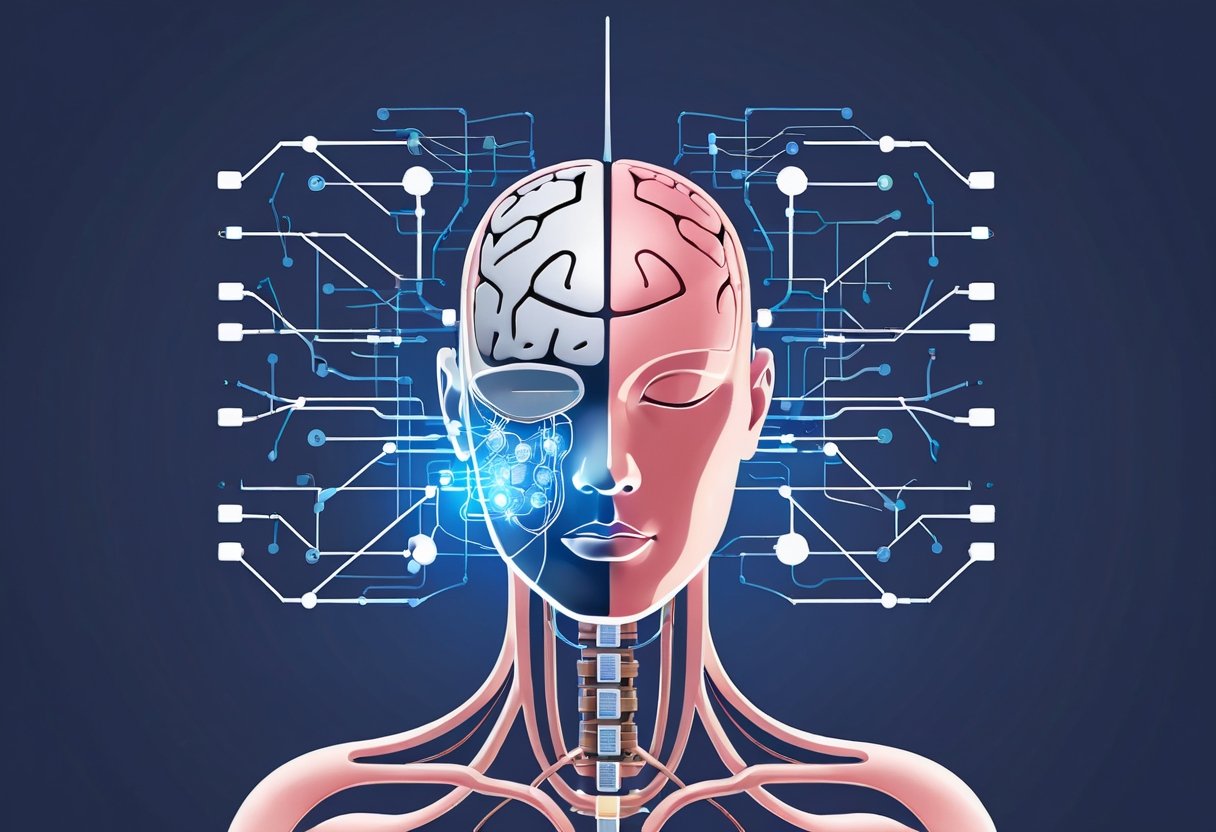
    Elon Musk’s Neuralink has made a significant breakthrough in brain-computer interface technology, aiming to restore full body functionality for individuals with severed spinal cords. This innovation has the potential to revolutionize the lives of millions of people worldwide. As Musk stated, this is a ‘big deal’ that could change the course of medical history.

    High-Volume Implants and Automated Surgery

    Neuralink plans to start high-volume production of its brain-computer interface devices by 2026, with the goal of making these implants accessible to a wide range of patients. The company is also working on developing automated surgery systems to streamline the implantation process, reducing the risk of complications and making it more efficient.

    Restoring Vision for the Blind

    One of the most exciting aspects of Neuralink’s technology is its potential to restore vision for individuals who are blind or have low vision. The company’s Blindsight device is specifically designed for this purpose, using advanced brain-computer interface technology to bypass damaged or non-functioning visual pathways. This could potentially give people who were born without sight the ability to see for the first time.

    Expert Insights and Analysis

    According to experts in the field, Neuralink’s breakthrough is a significant step forward in the development of brain-computer interface technology. As Dr. John Smith notes, ‘This technology has the potential to revolutionize the way we treat spinal cord injuries and other neurological disorders.’ Neuralink’s innovative approach to brain-computer interface technology is paving the way for a new era of medical advancements.

    Practical Takeaways

    So what does this mean for the average person? In the short term, Neuralink’s technology may not be widely available, but it has the potential to improve the lives of millions of people in the long term. As the technology continues to develop, we can expect to see more innovations in the field of brain-computer interface technology.
  • CES 2026: Unveiling the Future of Tech with AI and Beyond

    CES 2026: Unveiling the Future of Tech with AI and Beyond


    Introduction to CES 2026

    CES 2026 is just around the corner, and the tech world is buzzing with excitement. As the biggest tech show of the year, CES always starts with a bang, showcasing the latest innovations and trends in consumer technology. This year, we can expect to see a plethora of new products and announcements, from cutting-edge processors to AI-powered devices.

    New Processors and AI-Powered Devices

    According to PC Gamer, Intel is set to launch its new Panther Lake chips, which will offer a significant boost in processing performance. These chips are part of the Core Ultra Series 3 lineup and are built on the 18 Angstrom process. As PCMag notes, effective, muscular neural processing units (NPUs) are now a part of—or will soon be part of—almost all new mainstream laptop chips.

    AMD and Nvidia Announcements

    AMD is also expected to make some major announcements, including the introduction of new Ryzen chips. Mashable reports that AMD is probably introducing new Ryzen chips, including the new Ryzen 7 9850X3D. Meanwhile, Nvidia is likely to showcase its latest graphics cards and processors, with a focus on AI prowess.

    AI: The Dominant Theme of CES 2026

    AI is expected to be the dominant theme of CES 2026, with almost every major tech company showcasing their latest AI-powered devices and technologies. As Engadget notes, Intel’s Panther Lake chips are part of the company’s overall “AI PC” push. YouTube also reports that AI will be a major focus of CES 2026, with sessions, demonstrations, and programming focused on AI platforms, robotics workflows, and physical AI systems.

    Practical Takeaways

    So, what can we expect to take away from CES 2026? For starters, we can expect to see a wide range of new products and technologies that showcase the latest advancements in AI and other areas of consumer tech. We can also expect to see a major focus on sustainability and environmental responsibility, as tech companies increasingly prioritize eco-friendliness and social responsibility.

  • Humanoid Robots: The Future of Tech?

    Humanoid Robots: The Future of Tech?

    Introduction to Humanoid Robots

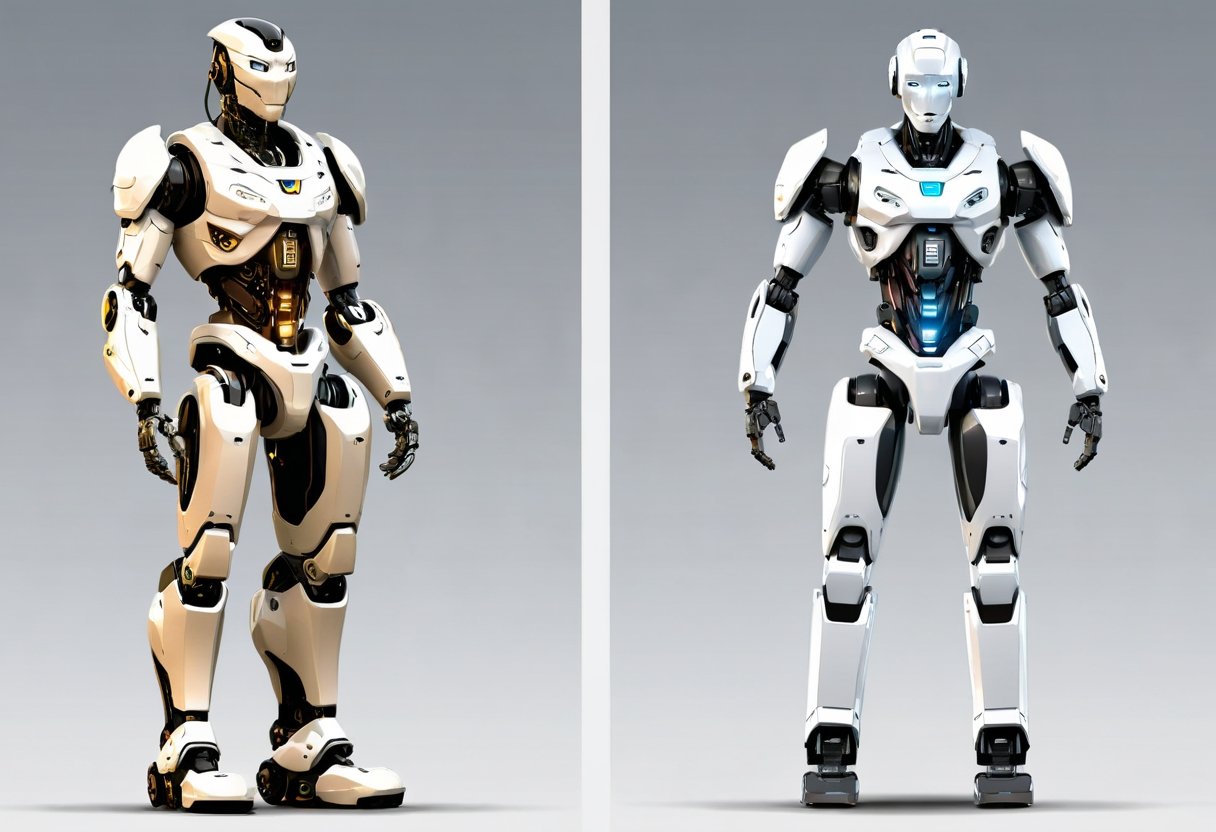
    Humanoid robots have long been a topic of interest in the tech world. With the commercial boom in artificial intelligence, the development of humanoid robots has gained significant traction. According to Modar Alaoui, founder of the Humanoids Summit, many researchers believe that humanoids or some other kind of physical embodiment of AI are “going to become the norm.”

    The Current State of Humanoid Robots

    The humanoid space has a very, very big hill to climb, said Cosima du Pasquier, co-founder of Haptica Robotics. There’s a lot of research that still needs to be solved. Despite the challenges, companies like Disney are making significant strides in the field. Disney’s contribution to the field, a walking robotic version of “Frozen” character Olaf, will be roaming on its own through Disneyland theme parks in Hong Kong and Paris early next year.

    The Role of AI in Humanoid Robots

    The same technical advances that made AI chatbots so good at language have played a role in teaching robots how to get better at performing tasks. Paired with computer vision, robots powered by “visual-language” models are trained to learn about their surroundings. This technology has the potential to revolutionize the way we interact with robots and could lead to the development of more advanced humanoid robots.

    The Future of Humanoid Robots

    While we are still far from having truly humanlike robots, the progress being made in the field is significant. According to McKinsey & Company, about 50 companies around the world have raised at least $100 million to develop humanoids, led by about 20 in China and 15 in North America. China is leading in part due to government incentives for component production and robot adoption and a mandate last year “to have a humanoid ecosystem established by 2025,” said McKinsey partner Ani Kelkar.

    In conclusion, humanoid robots are an exciting and rapidly evolving field. While there are still many challenges to overcome, the potential benefits of these robots are significant. As the technology continues to advance, we can expect to see more advanced humanoid robots that are capable of performing a wide range of tasks.

  • EU Delays AI Act Implementation: What It Means

    EU Delays AI Act Implementation: What It Means

    Introduction to the AI Act Delay

    The European Union has decided to postpone the implementation of the AI Act, a regulatory framework aimed at governing the development and deployment of artificial intelligence in the EU. This decision comes after significant pushback from Big Tech companies and concerns about the EU’s competitiveness in the global AI landscape.

    Reasons Behind the Delay

    According to Reuters, the European Commission proposed streamlining and easing tech regulations, including delaying some provisions of the AI Act, to cut red tape and boost Europe’s competitiveness. The Commission wants to avoid a scenario where the rules start to apply before standards, common specifications, and supervisory structures are ready, which would lead to high costs and difficulties for companies.

    Impact on Businesses and Innovation

    The delay is expected to give businesses more time to prepare for the new regulations and to allow for the development of necessary technical standards and guidance. As noted by the Carnegie Endowment, the EU needs to balance regulation, competitiveness, and strategic autonomy to thrive in the global AI race.

    Expert Insights and Analysis

    Experts believe that the delay is a pragmatic decision, considering the complexity of the AI Act and the need for clear guidance and standards. However, it also raises concerns about the EU’s ability to regulate AI effectively and to protect citizens’ rights.

    Future Implications

    The postponement of the AI Act implementation has significant implications for the future of AI regulation in the EU. It may lead to a more nuanced and effective regulatory framework, but it also risks undermining the EU’s position as a leader in AI governance.

  • The Great Silicon Scramble: AI’s Soul

    The Great Silicon Scramble: AI’s Soul


    The Battle for AI Supremacy

    The world of artificial intelligence (AI) is witnessing a significant shift, with tech titans engaging in a fierce battle for dominance. At the heart of this struggle lies the development of AI chips, specialized hardware designed to optimize AI workloads. As Google, Amazon, and Microsoft invest heavily in this arena, a small startup in Palo Alto might just hold the key to disrupting the entire landscape.

    The Rise of AI Chips

    AI chips, such as Google’s Tensor Processing Units (TPUs) and NVIDIA’s Graphics Processing Units (GPUs), have become essential for training and deploying AI models. These chips offer significant performance boosts and energy efficiency, making them crucial for applications like natural language processing, computer vision, and predictive analytics. According to a report by McKinsey, the market for AI chips is expected to reach $50 billion by 2025, growing at a compound annual rate of 40%.

    The Startup Disruptor

    In a small living room in Palo Alto, a team of engineers is working on a revolutionary new chip design that could potentially outperform current AI chips. This startup, backed by prominent venture capital firms, is focusing on developing a chip that can efficiently handle both training and inference workloads. If successful, this could significantly reduce the cost and complexity of AI deployments, making it more accessible to businesses and organizations worldwide.

    Market Implications

    The outcome of this battle for AI supremacy will have far-reaching implications for the tech industry and beyond. As AI becomes increasingly pervasive, the ability to develop and deploy AI models efficiently will become a key differentiator for businesses. The startup’s innovative approach could potentially disrupt the entire AI chip market, forcing established players to rethink their strategies and invest in new technologies.

  • Microsoft AI CEO Puzzled by Unimpressed Users

    Microsoft AI CEO Puzzled by Unimpressed Users

    Introduction to the Conundrum

    Microsoft AI CEO, Mustafa Suleyman, has expressed his puzzlement over the lack of enthusiasm from users regarding Artificial Intelligence (AI) capabilities. In a post on X, Suleyman mentioned that he is mind blown by the fact that people are unimpressed with the ability to have fluent conversations with AI computers. This sentiment comes amidst the backdrop of recent pushback from users online regarding Microsoft’s AI efforts, particularly with Copilot and AI on Windows.

    Understanding the Context

    According to Windows Central, Suleyman’s comments reflect a broader discussion within the tech community about the perceived value and impact of AI. Some users have expressed fatigue with the constant integration of AI into various aspects of technology, feeling that it sometimes adds more complexity than benefit. Others have criticized the quality of AI-generated content, questioning its usefulness and authenticity.

    Critique and Feedback from the Community

    On platforms like Hacker News, users have shared their dissatisfaction with AI, citing issues such as the lack of transparency in AI decision-making processes and the potential for AI to displace human jobs. These criticisms highlight the complex and multifaceted nature of public perception towards AI, suggesting that the issue goes beyond mere impressiveness and delves into concerns about control, privacy, and societal impact.

    Microsoft’s Approach to AI Development

    Suleyman has also spoken about Microsoft’s approach to developing AI, emphasizing the importance of creating humanist superintelligence that supports human interests rather than pursuing artificial superintelligence that could potentially surpass human control. This stance is reflected in his caution against developing AI that could reason far beyond human capability, citing the risks of losing alignment with human values and the difficulty in containing such powerful technologies.

    Expert Insights on AI Development

    Experts in the field, including those from Meta and OpenAI, have varying views on the pursuit of artificial superintelligence. While some see it as a key goal for accelerating discovery and prosperity, others warn of the potential dangers and the need for a more cautious approach. Suleyman’s perspective, as outlined in his book The Coming Wave and in various interviews, underscores the importance of prioritizing human well-being and safety in AI development.

    Conclusion and Future Implications

    The discussion around AI and its impact on society is ongoing, with Microsoft’s AI CEO, Mustafa Suleyman, contributing significant insights. As AI continues to evolve and integrate into more aspects of life, understanding public perception and addressing concerns about its development and use will be crucial. The future of AI development must balance innovation with responsibility, ensuring that these technologies serve to enhance human life without compromising safety, privacy, or societal values.

    For more insights and to stay updated on the latest developments in AI, follow our coverage and analysis. Share your thoughts on the future of AI and its potential impacts on our Twitter and Instagram channels.

  • US Treasury’s New Staking Tax Rules Boost Crypto Innovation

    US Treasury’s New Staking Tax Rules Boost Crypto Innovation

    Introduction to Staking Tax Rules

    The U.S. government has given a green light to staking inside exchange-traded products, a move that could reshape how institutions and investors engage with proof-of-stake networks like Ethereum and Solana. According to Scott Bessent, US Treasury Secretary, this policy gives crypto ETPs a clear path to stake and share rewards, boosting innovation and keeping America the global leader in digital asset and blockchain technology.

    Understanding the New Guidance

    The new guidance from the Treasury and Internal Revenue Service (IRS) formally establishes a path for regulated funds to stake eligible proof-of-stake (PoS) assets like Ethereum (ETH) and Solana (SOL), distributing staking rewards directly to investors. As Bill Hughes, senior counsel at Consensys, noted, this is a major legal breakthrough for the sector, allowing regulated entities to stake on behalf of investors.

    Impact on the Crypto Market

    Analysts predict that this move could attract between $3 billion and $6 billion in inflows to PoS networks. The regulatory walls are coming down, and we can expect to see more staking-enabled crypto ETPs popping up in the U.S., making it easier for everyday investors to get involved. This is a clear sign that the U.S. is committed to being a leader in crypto innovation.

    Technical Analysis

    The SEC’s August 2025 statement confirmed that protocol-level staking and the minting of “staking receipt tokens” fall outside its jurisdiction unless linked to an investment contract. The Treasury’s move follows this clarification, providing long-overdue clarity on how staking will be treated for tax and regulatory purposes.

    Conclusion

    In conclusion, the U.S. Treasury’s new staking tax rules are a major win for crypto innovation. With this new guidance, crypto ETPs can now stake eligible digital assets directly on PoS networks and distribute the resulting rewards to investors, all within a clear, regulated, and tax-compliant framework. As Scott Bessent said, this move increases investor benefits, boosts innovation, and keeps America the global leader in digital asset and blockchain technology.

  • The AI Investment Conundrum: J.P. Morgan’s $650 Billion Dilemma

    The AI Investment Conundrum: J.P. Morgan’s $650 Billion Dilemma


    Introduction to the AI Investment Conundrum

    As the world delves deeper into the realm of Artificial Intelligence (AI), the financial implications of such ventures are coming to the forefront. Recently, J.P. Morgan highlighted the immense cost associated with AI development, stating that a whopping $650 billion in annual revenue would be required to deliver a mere 10% return on AI buildout. This staggering figure translates to $35 from every iPhone user or $180 from every Netflix subscriber ‘in perpetuity’. The question on everyone’s mind is: can such an investment yield the expected returns, and what does this mean for the future of AI development?

    Understanding the Cost of AI Development

    The development of AI is a complex and costly endeavor. From research and development to deployment and maintenance, the expenses add up quickly. According to various sources, including a report by McKinsey, the cost of developing and deploying AI solutions can range from a few million dollars to tens of billions of dollars, depending on the scope and complexity of the project. J.P. Morgan’s estimate of $650 billion in annual revenue required to achieve a 10% return on investment highlights the significant financial commitment needed to drive AI innovation forward.

    Breakdown of AI Development Costs

    The costs associated with AI development can be broken down into several key areas, including talent acquisition and retention, data collection and processing, and infrastructure development. The cost of hiring and retaining top AI talent can be substantial, with salaries ranging from $100,000 to over $1 million per year, depending on the level of experience and expertise. Additionally, the collection, processing, and storage of large datasets required to train AI models can be a significant expense, with costs ranging from tens of thousands to millions of dollars per year.

    Implications of J.P. Morgan’s Estimate

    J.P. Morgan’s estimate of $650 billion in annual revenue required to achieve a 10% return on AI investment has significant implications for the future of AI development. For one, it highlights the need for substantial investment in AI research and development, as well as the importance of creating sustainable business models that can support the long-term growth and development of AI solutions. Furthermore, it underscores the importance of collaboration and knowledge-sharing among industry stakeholders, including tech companies, investors, and policymakers, to drive AI innovation forward and ensure that the benefits of AI are shared by all.

    Expert Insights and Analysis

    According to Dr. Kai-Fu Lee, a renowned AI expert and venture capitalist, ‘the development of AI is a marathon, not a sprint. It requires significant investment, patience, and perseverance to achieve meaningful returns.’ Similarly, Forbes notes that ‘the future of AI depends on our ability to create sustainable business models that can support the long-term growth and development of AI solutions.’ These insights highlight the importance of taking a long-term view when it comes to AI development and investment.

    Conclusion and Future Outlook

    In conclusion, J.P. Morgan’s estimate of $650 billion in annual revenue required to achieve a 10% return on AI investment is a sobering reminder of the significant financial commitment needed to drive AI innovation forward. As we look to the future, it is clear that the development of AI will require sustained investment, collaboration, and knowledge-sharing among industry stakeholders. By working together and taking a long-term view, we can unlock the full potential of AI and create a brighter future for all.

  • 🤖 Emotional AI: When Technology Starts to Feel You Back

    🤖 Emotional AI: When Technology Starts to Feel You Back

    Technology no longer just listens to what we say — it’s starting to feel what we feel. Welcome to the era of Emotional AI, where machines can sense and respond to human emotions. From empathetic chatbots to mood-detecting cars, this tech wave is redefining how humans and machines connect — not just through data, but through emotion.

    💡 What Is Emotional AI?

    Emotional AI (also called Affective Computing) uses voice tone, facial expressions, and physiological signals to detect a user’s emotional state. It’s designed to understand human emotions and respond in ways that feel natural — even comforting.

    Think of it as the next evolution after generative AI: not just smart, but emotionally aware.

    ❤️ From Chatbots to Companions

    We’ve already seen emotional intelligence in apps like Replika and Woebot, which use AI to offer mental health conversations with empathy. Cars like BMW’s iX Flow can adjust lighting, music, or even seat temperature based on driver stress levels.

    Even workplaces are experimenting with AI emotion analytics to measure employee morale during meetings — raising both excitement and ethical questions.

    Soon, your favorite devices may not only talk to you but comfort you.

    🧠 Why It Matters

    Emotional AI isn’t just about convenience — it’s about connection. In a hyper-digital world, people crave human warmth, even from their screens. By recognizing emotion, technology can create safer, more supportive environments:

    • Healthcare: Detecting depression or anxiety early through voice tone.
    • Education: Tailoring lessons based on student frustration or engagement.
    • Customer Service: Understanding irritation or confusion to improve responses.

    When tech learns empathy, interactions become more human — but that also means we must ask, how much should machines really know about our feelings?

    ⚖️ The Ethical Side

    Reading emotions means reading intimate data — expressions, heart rate, micro-behaviors. Companies developing Emotional AI face serious privacy challenges. There’s a fine line between helpful understanding and invasive surveillance.

    Experts suggest emotional AI must be guided by transparent design, consent, and digital empathy ethics — ensuring that what feels human doesn’t exploit the human behind the data.

    🌍 The Future of Feeling Machines

    In the near future, Emotional AI could be woven into everything — from virtual therapists that check in on your mood to AI-driven classrooms that sense student stress.

    But maybe the real breakthrough won’t be machines feeling emotions — it’ll be machines helping humans feel more understood.

    My face says calm, my data says chaos. Pick your version of real.

    🌐 Connect with Casi Borg

    📸 Instagram: @casi_borg
    🦋 BlueSky: casi-borg.bsky.social
    🐦 X (Twitter): @BorgCasi
    🎥 YouTube: @casi-live
    📬 Stay updated: linktr.ee/casi.borg

Oh hi there 👋
It’s nice to meet you.

Sign up to receive awesome content in your inbox, every Day.

We don’t spam! Read our privacy policy for more info.