Tag: AI regulation

  • South Korea’s Crypto Tax Reform

    South Korea’s Crypto Tax Reform

    Introduction to Crypto Taxation

    The world of cryptocurrency has been abuzz with the recent introduction of a bill by South Korea’s main opposition party, the People Power Party (PPP), to abolish the planned cryptocurrency capital gains tax. This move has significant implications for the crypto market and its participants.

    Understanding the Tax

    The tax in question is a 20% national income tax plus a 2% local surcharge, totaling up to 22%, and targets annual gains exceeding 2.5 million Korean won, roughly $1,665–$1,900. This taxation plan has been a subject of debate among crypto enthusiasts and investors.

    Implications of the Bill

    The introduction of this bill signals a potential shift in the regulatory landscape for cryptocurrencies in South Korea. If passed, it could lead to increased investment and activity in the crypto market, as the tax burden would be significantly reduced.

    Global Context

    South Korea is not alone in grappling with cryptocurrency regulation. Many countries are struggling to find the right balance between regulating the crypto market to protect investors and not stifling innovation. The outcome of this bill could set a precedent for other nations.

    Expert Insights and Analysis

    Experts in the field view this move as a positive step towards legitimizing cryptocurrencies and encouraging their use. However, there are also concerns about the potential for tax evasion and the need for clear, comprehensive regulations.

  • US Securities Regulator Issues Crypto Guidance

    US Securities Regulator Issues Crypto Guidance

    Introduction to Crypto Guidance

    The US Securities and Exchange Commission (SEC) has issued a long-awaited interpretation clarifying which types of cryptocurrencies are considered securities and how a ‘non-security’ digital asset could meet certain conditions to become an investment contract. This move is expected to provide greater clarity and regulatory certainty for the crypto industry.

    Token Taxonomy

    The SEC’s interpretation provides a coherent token taxonomy for digital commodities, digital collectibles, digital tools, stablecoins, and digital securities. According to SEC Chairman Paul Atkins, this interpretation will help market participants understand the regulatory jurisdiction between the SEC and the Commodity Futures Trading Commission (CFTC).

    Investment Contracts

    The interpretation also addresses how a ‘non-security crypto asset’ may become subject to, and how it may cease to be subject to, an investment contract. CFTC Chairman Michael S. Selig stated that this interpretation will provide clear guidance on the status of crypto assets under federal securities and commodity laws.

    Implications and Analysis

    The SEC’s interpretation is a significant step towards providing regulatory clarity for the crypto industry. It is expected to have a positive impact on the market, as it will provide a clear understanding of which crypto assets are considered securities and which are not. However, it is also important to note that this interpretation is not a formal rule and may be subject to change.

    Expert Insights

    According to sources, the SEC’s interpretation is a major step in the right direction, but it is still unclear how it will be implemented in practice. Experts agree that this interpretation will provide a clear understanding of the regulatory landscape for crypto assets, but it is still important to monitor the situation closely.

  • Samourai Wallet Co-Founder Jailed: A Threat to Crypto Privacy

    Samourai Wallet Co-Founder Jailed: A Threat to Crypto Privacy

    Introduction to the Case

    The case of Keonne Rodriguez, co-founder of Samourai Wallet, has sent shockwaves through the crypto community. As reported by Wikipedia and MSN, Rodriguez was sentenced to five years in prison for operating an unlicensed money-transmitting business. This verdict has far-reaching implications for the future of crypto innovation, particularly in the realm of privacy-focused technologies.

    The Samourai Wallet and Its Purpose

    Samourai Wallet is a Bitcoin wallet designed to enhance transaction privacy for its users. According to Yahoo! Finance, the wallet was developed to provide a secure and private way for individuals to transact with Bitcoin. The wallet’s features, such as its mixing service, were intended to protect user identities and maintain the anonymity of transactions.

    Key Features and Benefits

    The Samourai Wallet offered several key features that appealed to users seeking enhanced privacy. These included a mixing service that allowed users to combine their transactions with others, making it more difficult to trace the origin of funds. Additionally, the wallet provided advanced encryption to protect user data and prevent unauthorized access.

    The Legal Battle and Its Implications

    The prosecution of Keonne Rodriguez and his fellow co-founder, William Lonergan Hill, has raised concerns among crypto developers and privacy advocates. As noted by Coindesk, the case sets a precedent for the treatment of open-source code as evidence in criminal proceedings. This has significant implications for the future of crypto innovation, as developers may become increasingly wary of creating privacy-focused technologies that could be misconstrued as facilitating illegal activities.

    Expert Insights and Analysis

    Experts in the field have expressed concern over the potential chilling effect of this case on crypto innovation. According to Anand Sinha of TheStreet, the prosecution of Samourai Wallet’s co-founders may deter developers from creating privacy-focused technologies, ultimately undermining the principles of decentralization and anonymity that underpin the crypto ecosystem.

    Conclusion and Future Implications

    The case of Keonne Rodriguez serves as a stark reminder of the regulatory challenges facing the crypto industry. As reported by IRS, the guilty pleas of Rodriguez and Hill have resulted in the forfeiture of over $237 million. This outcome highlights the need for clearer guidelines and regulations surrounding the development and use of crypto technologies, particularly those focused on privacy and anonymity.

    In conclusion, the imprisonment of Keonne Rodriguez has significant implications for the future of crypto innovation. As the industry continues to evolve, it is essential that developers, regulators, and law enforcement agencies work together to establish clear guidelines and protections for privacy-focused technologies.

  • Gemini Gets CFTC Approval: US Prediction Markets Open Up

    Gemini Gets CFTC Approval: US Prediction Markets Open Up

    Gemini Secures CFTC License, Paving the Way for Regulated US Prediction Markets

    Gemini, the cryptocurrency exchange co-founded by Cameron and Tyler Winklevoss, has secured a Designated Contract Market (DCM) license from the Commodity Futures Trading Commission (CFTC), as reported by AInvest and Bloomberg. This move marks a significant shift in the US financial landscape, as prediction markets gain regulatory legitimacy and institutional traction.

    What Does This Mean for the US Financial Landscape?

    The CFTC’s approval of Gemini’s DCM license is a major milestone in the development of regulated prediction markets in the US. As Coindesk notes, this move effectively codifies these markets as a subset of derivatives, aligning them with federal oversight frameworks. This development has far-reaching implications for the US financial sector, as it opens up new opportunities for investors and traders to engage with prediction markets in a regulated environment.

    The Impact of Gemini’s CFTC Approval on the Crypto Industry

    Gemini’s entry into prediction markets is not merely an expansion of its product suite but a strategic repositioning as a comprehensive financial services platform. By leveraging its CFTC approval, the exchange will enable US users to trade contracts tied to binary outcomes, such as whether Bitcoin will surpass $100,000 by year-end or if the Federal Reserve will cut interest rates in Q1 2026, as AInvest reports. This move is expected to increase competition in the nascent industry, with many firms expressing interest in the growth of sports-related derivatives contracts.

    Expert Insights and Analysis

    According to Yahoo Finance, Gemini’s planned derivatives launch will expand the number of crypto-native firms, such as Polymarket, straddling both digital assets and prediction markets. The approval places Gemini Titan among the small number of CFTC-regulated venues permitted to offer event contracts in the US, a market currently dominated by Kalshi, which operates under the same DCM framework.

    The development adds a new regulated competitor to a sector that has drawn increasing interest as exchanges explore prediction-market-style products. As Coindesk notes, Gemini’s approval marks the end of a five-year licensing process and the beginning of “a new chapter” for the exchange.

    Practical Takeaways and Future Implications

    The CFTC’s approval of Gemini’s DCM license has significant implications for the future of prediction markets in the US. As the industry continues to evolve, it is essential for investors and traders to stay informed about the latest developments and regulatory changes. By understanding the opportunities and challenges presented by regulated prediction markets, individuals can make informed decisions about their investment strategies and navigate the complex landscape of crypto-native financial tools.

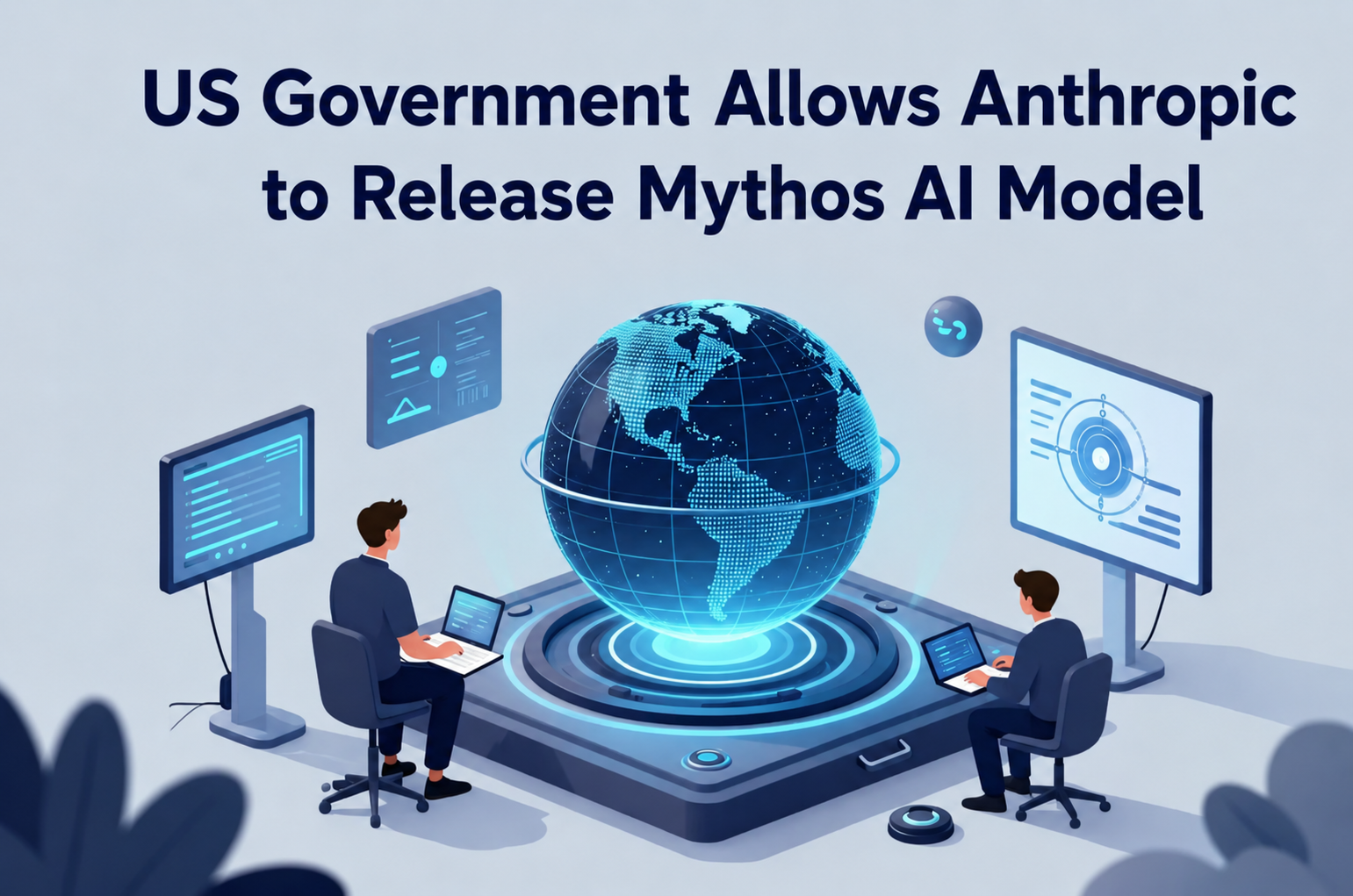
  • Anthropic’s Push for AI Regulation: A Deeper Dive

    Anthropic’s Push for AI Regulation: A Deeper Dive

    Introduction to Anthropic and AI Regulation

    Anthropic, a leading AI development company, has been at the forefront of discussions about the regulation of open-source models. The company’s push for regulation has sparked debate and raised questions about the motivations behind its stance. In this article, we will delve into the details of Anthropic’s position and explore the implications of its advocacy for AI regulation.

    Understanding Anthropic’s Position

    According to reports, Anthropic has been working with federal agencies to develop guidelines for the use of AI models. The company’s policies prohibit the use of its AI tools for direct domestic surveillance and data collection, aligning with the policies of its rivals, including OpenAI, Meta, and Microsoft.

    Criticism and Controversy

    However, not everyone is convinced of Anthropic’s intentions. Meta’s chief AI scientist, Yann LeCun, has criticized Anthropic’s stance, suggesting that the company is trying to scare people into regulating open-source models out of existence. LeCun believes that Anthropic’s approach could lead to regulatory capture, where the company’s interests are prioritized over the greater good.

    Expert Insights and Analysis

    Anthropic’s CEO, Dario Amodei, has defended the company’s position, stating that Anthropic is committed to constructive engagement on matters of public policy. Amodei emphasized that the company’s goal is to ensure that powerful AI technology benefits the American people and advances the country’s lead in AI development.

    Technical Analysis

    From a technical perspective, Anthropic’s push for regulation is driven by concerns about the safety and security of AI models. The company has submitted detailed analysis and recommendations for maintaining and strengthening export controls on advanced semiconductors. Anthropic’s approach focuses on adjusting the tiering system and allowing countries with robust data center security to obtain more chips through government-to-government agreements.

    Market Impact and Future Implications

    The implications of Anthropic’s push for AI regulation are far-reaching. If successful, the company’s efforts could lead to a more regulated AI industry, with potential benefits for safety and security. However, critics argue that over-regulation could stifle innovation and limit access to AI technology. As the debate continues, it is essential to consider the potential consequences of Anthropic’s actions and the future of AI development.

    Practical Takeaways

    For businesses and individuals involved in AI development, it is crucial to stay informed about the ongoing discussions and debates surrounding regulation. By understanding the positions of companies like Anthropic and the potential implications of their actions, stakeholders can better navigate the evolving AI landscape and make informed decisions about their own investments and initiatives.

Oh hi there 👋
It’s nice to meet you.

Sign up to receive awesome content in your inbox, every Day.

We don’t spam! Read our privacy policy for more info.