Tag: Anthropic

  • US Government Allows Anthropic to Release Mythos AI Model

    US Government Allows Anthropic to Release Mythos AI Model

    Introduction to Anthropic and Mythos

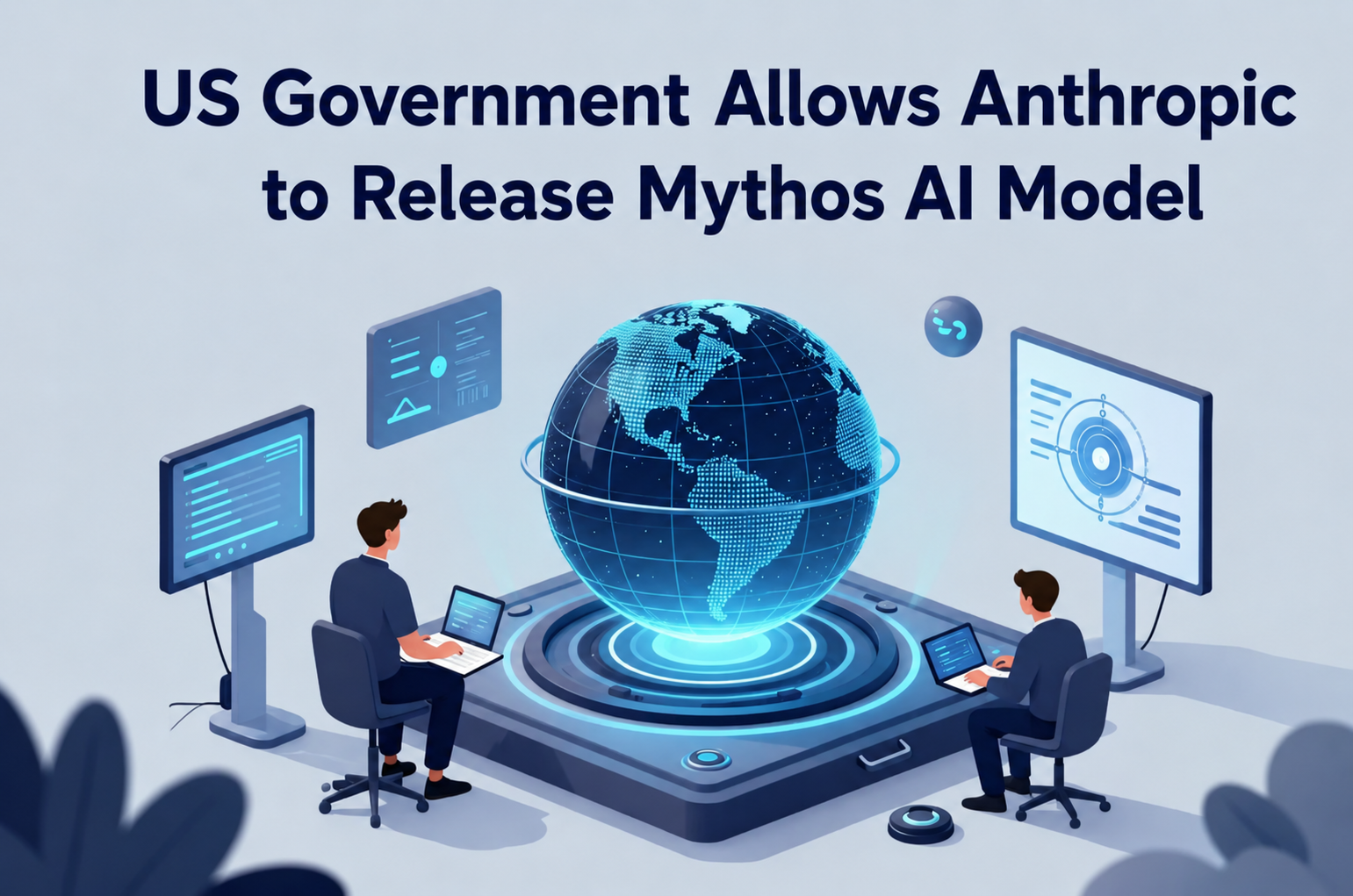
    Anthropic, a leading AI company, has been granted permission by the US government to release its powerful Claude Mythos 5 AI model to select companies and organizations. This decision comes after the government had initially ordered an export block on the model due to national security concerns.

    Background on the Export Block

    In June, the US government issued an export control order that prohibited Anthropic from releasing its Mythos 5 model to foreign nationals, including the company’s own employees. This move was part of a broader effort by the government to regulate the development and deployment of advanced AI technologies.

    Key Facts About the Release

    According to sources, including Reuters and CNBC, more than 100 companies and institutions will now have access to the Mythos 5 model, including many Fortune 500 companies. The release is seen as a significant development in the field of AI, as the Mythos 5 model is considered one of the most advanced AI models currently available.

    Implications of the Release

    The release of the Mythos 5 model is expected to have significant implications for the development of AI technologies in the US. It is seen as a major step forward in the country’s efforts to maintain its leadership in the field of AI, while also addressing concerns around national security.

    Expert Insights

    Experts in the field of AI have welcomed the decision, citing the potential benefits of the Mythos 5 model for a range of applications, from cybersecurity to healthcare. However, some have also expressed concerns about the potential risks associated with the release of such a powerful AI model.

    Technical Analysis

    From a technical perspective, the Mythos 5 model is a significant advancement in the field of AI. It is capable of processing vast amounts of data and performing complex tasks with a high degree of accuracy. The model is also highly customizable, making it suitable for a range of applications.

    Market Impact

    The release of the Mythos 5 model is expected to have a significant impact on the market for AI technologies. It is seen as a major competitor to other AI models, such as OpenAI’s GPT-5.6, and is expected to drive innovation and investment in the field of AI.

    Future Implications

    The release of the Mythos 5 model is just the beginning of a new era in AI development. As the technology continues to evolve, we can expect to see even more advanced AI models being released, with potentially significant implications for a range of industries and applications.

  • US Order Sparks Criticism Over Anthropic’s AI Models

    US Order Sparks Criticism Over Anthropic’s AI Models

    Introduction to the Controversy

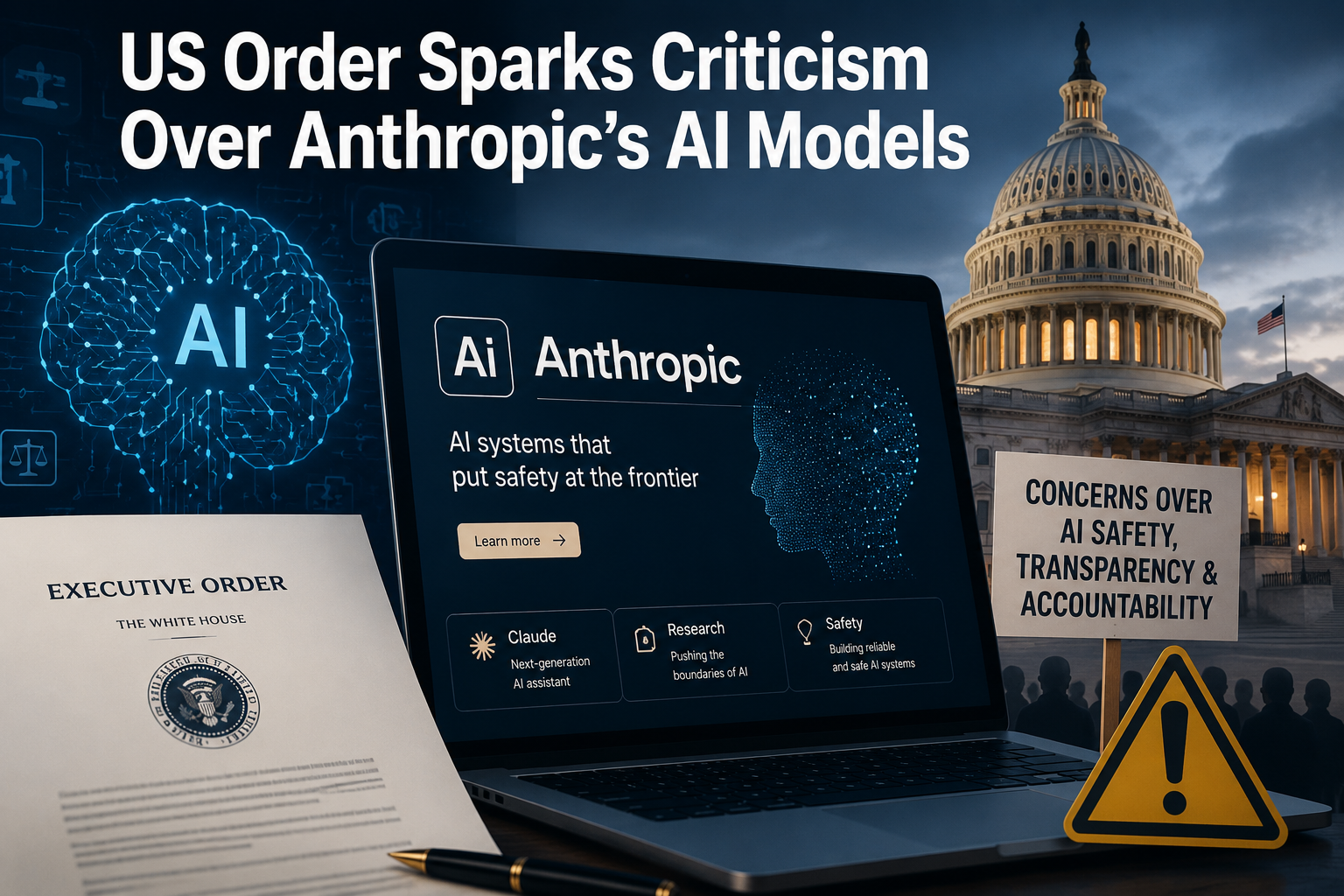
    The US government’s recent order to Anthropic, a leading AI company, to cut off access to its most advanced AI models, Mythos 5 and Fable 5, has sparked a wave of criticism from both advocates and opponents of AI regulation. According to Yahoo News Singapore, this move is unprecedented and has significant implications for the tech industry.

    Background on Anthropic and Its AI Models

    Anthropic is a San Francisco-based company that has been at the forefront of AI development. Its AI models, particularly Mythos 5 and Fable 5, are considered to be among the most advanced in the world. The Star reports that these models have the capability to identify software vulnerabilities, which has raised concerns about their potential misuse.

    The US Government’s Order and Its Implications

    The US Department of Commerce ordered Anthropic to suspend access to Mythos 5 and Fable 5, citing national security concerns. Digital Journal notes that this order was issued after a third party, reportedly Amazon, discovered a way to bypass the safeguards designed to prevent the misuse of Fable 5. As a result, Anthropic was forced to take its models offline to comply with the order.

    Reactions from the Tech Community

    The tech community has been quick to react to the US government’s order. Entrepreneur Martin Varsavsky described the implications of the order as ‘enormous,’ stating that any startup making frontier models is at the mercy of the government. Researcher Gary Marcus also expressed his surprise at the move, saying that it didn’t occur to him that the Trump administration could trip up the US efforts in the AI race.

    Analysis and Implications

    The US government’s order has significant implications for the tech industry and the future of AI development. Latimes reports that this move marks another clash between Anthropic and the Trump administration, which had previously declared the company a US supply-chain risk. The order also raises concerns about the potential for government overreach and the impact on innovation in the tech sector.

    Conclusion and Future Outlook

    In conclusion, the US government’s order to Anthropic to cut off access to its AI models has sparked a wave of criticism and raised significant concerns about the future of AI development. As DW notes, this move is likely to escalate tensions between the US government and the tech industry, and its implications will be closely watched in the coming months.

  • Hackers Exploit Claude Code Leak to Spread Malware

    Hackers Exploit Claude Code Leak to Spread Malware

    Introduction to the Claude Code Leak

    The recent leak of Anthropic’s Claude Code source code has sent shockwaves through the tech community. With over 500,000 lines of unobfuscated TypeScript exposed, developers and hackers alike have been scrambling to get their hands on the valuable resource. However, as PCMag reports, hackers are now using the leak as bait to spread malware on GitHub.

    Malware Distribution on GitHub

    According to Zscaler’s ThreatLabz, a malicious GitHub repository has been discovered, disguising itself as a leaked TypeScript source code for Anthropic’s Claude Code CLI. The repository’s README falsely claims to offer unlocked enterprise features, but in reality, it contains a Rust-based dropper named ClaudeCode_x64.exe. Upon execution, this dropper installs Vidar, an infostealer that harvests account credentials, credit card data, and browser history, along with GhostSocks, which creates a proxy network for malicious activities.

    Impact of the Leak

    The leak has significant implications for Anthropic, as it pulls back the curtains on its flagship product, Claude Code. As SC Media notes, the exposure of the source code could be a major blow to the company, as it reveals valuable information about the tool’s inner workings. Furthermore, the leak has created an opportunity for threat actors to deliver malware to unsuspecting users, as reported by BleepingComputer.

    Practical Takeaways

    To avoid falling victim to these malware campaigns, users should exercise caution when searching for the Claude Code leak on GitHub. It is essential to verify the authenticity of the repository and the files being downloaded. Additionally, users should keep their antivirus software up to date and be wary of any suspicious activity on their systems.

  • Anthropic’s Push for AI Regulation: A Deeper Dive

    Anthropic’s Push for AI Regulation: A Deeper Dive

    Introduction to Anthropic and AI Regulation

    Anthropic, a leading AI development company, has been at the forefront of discussions about the regulation of open-source models. The company’s push for regulation has sparked debate and raised questions about the motivations behind its stance. In this article, we will delve into the details of Anthropic’s position and explore the implications of its advocacy for AI regulation.

    Understanding Anthropic’s Position

    According to reports, Anthropic has been working with federal agencies to develop guidelines for the use of AI models. The company’s policies prohibit the use of its AI tools for direct domestic surveillance and data collection, aligning with the policies of its rivals, including OpenAI, Meta, and Microsoft.

    Criticism and Controversy

    However, not everyone is convinced of Anthropic’s intentions. Meta’s chief AI scientist, Yann LeCun, has criticized Anthropic’s stance, suggesting that the company is trying to scare people into regulating open-source models out of existence. LeCun believes that Anthropic’s approach could lead to regulatory capture, where the company’s interests are prioritized over the greater good.

    Expert Insights and Analysis

    Anthropic’s CEO, Dario Amodei, has defended the company’s position, stating that Anthropic is committed to constructive engagement on matters of public policy. Amodei emphasized that the company’s goal is to ensure that powerful AI technology benefits the American people and advances the country’s lead in AI development.

    Technical Analysis

    From a technical perspective, Anthropic’s push for regulation is driven by concerns about the safety and security of AI models. The company has submitted detailed analysis and recommendations for maintaining and strengthening export controls on advanced semiconductors. Anthropic’s approach focuses on adjusting the tiering system and allowing countries with robust data center security to obtain more chips through government-to-government agreements.

    Market Impact and Future Implications

    The implications of Anthropic’s push for AI regulation are far-reaching. If successful, the company’s efforts could lead to a more regulated AI industry, with potential benefits for safety and security. However, critics argue that over-regulation could stifle innovation and limit access to AI technology. As the debate continues, it is essential to consider the potential consequences of Anthropic’s actions and the future of AI development.

    Practical Takeaways

    For businesses and individuals involved in AI development, it is crucial to stay informed about the ongoing discussions and debates surrounding regulation. By understanding the positions of companies like Anthropic and the potential implications of their actions, stakeholders can better navigate the evolving AI landscape and make informed decisions about their own investments and initiatives.

Oh hi there 👋
It’s nice to meet you.

Sign up to receive awesome content in your inbox, every Day.

We don’t spam! Read our privacy policy for more info.