Tag: Athlete Performance

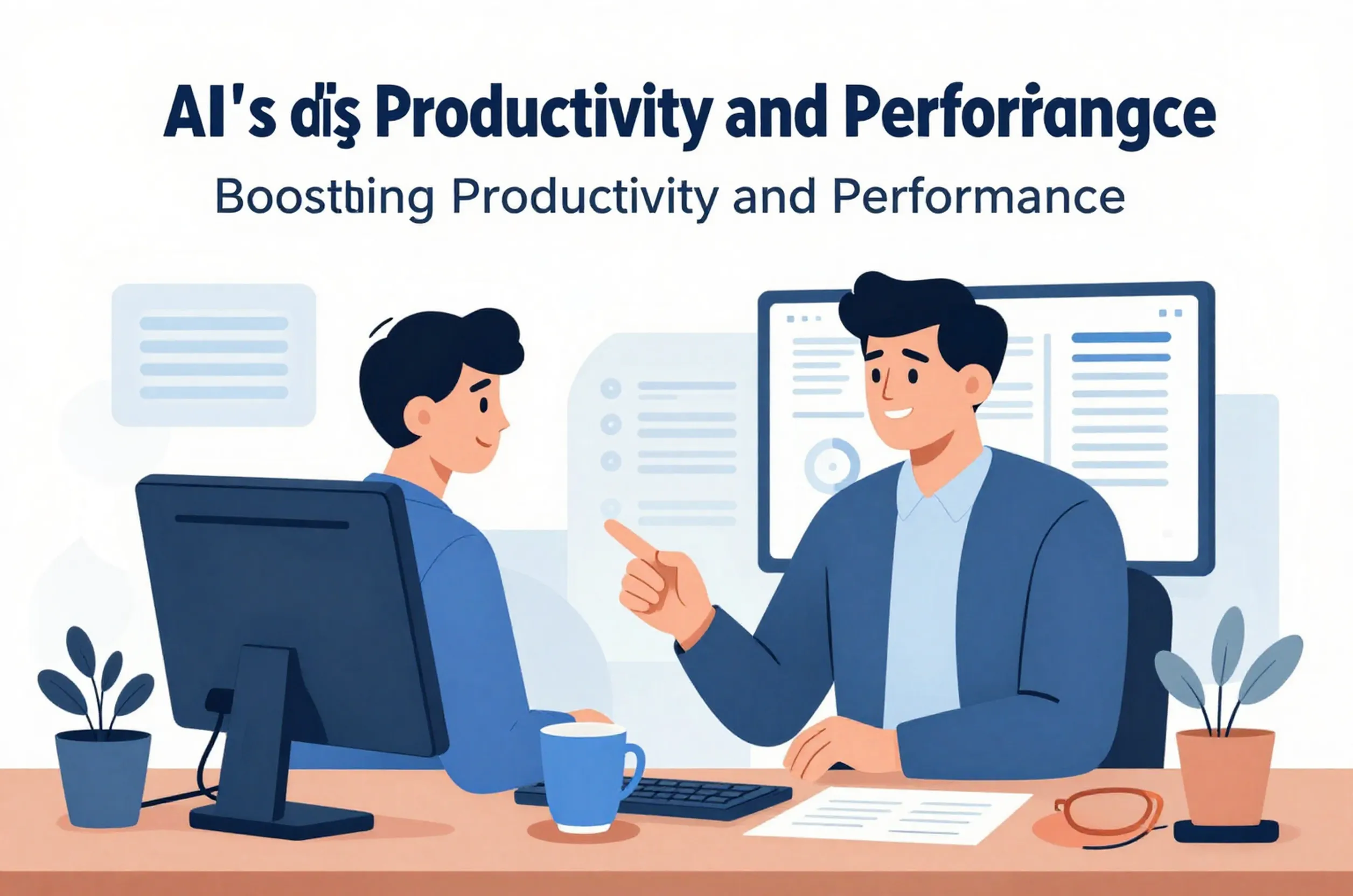
  • AI’s Double Edge: Boosting Productivity and Performance

    AI’s Double Edge: Boosting Productivity and Performance

    Introduction to AI’s Impact on Workforce

    Generative AI has been making waves in the workforce, with its potential to boost productivity and performance. However, a recent study by MIT Sloan found that AI can have a double-edged effect, improving performance by nearly 40% in some cases, while decreasing it by an average of 19 percentage points in others.

    Understanding the Boundary of AI Capabilities

    The key to harnessing AI’s potential lies in understanding its capabilities and limitations. According to the study, when AI is used within its boundaries, it can significantly improve worker performance. However, when used outside these boundaries, it can lead to a decline in performance.

    Best Practices for Implementing AI

    To ensure that AI is used effectively, organizations must establish a culture of accountability, reward peer training, and encourage role reconfiguration. Additionally, interface design and onboarding processes play a crucial role in determining the success of AI implementation.

    Cyborgs and Centaurs: Two Approaches to AI Adoption

    The study identified two types of AI users: ‘cyborgs’ who fully integrate AI into their workflow, and ‘centaurs’ who divide tasks between themselves and AI. Understanding these approaches can help organizations develop strategies for effective AI adoption.

    Practical Takeaways

    To avoid crossing the invisible line and ensure that AI improves performance, organizations should focus on developing a culture of accountability, providing training and support, and encouraging role reconfiguration. By doing so, they can unlock the full potential of AI and boost productivity and performance.
  • Revolutionizing Sports with AI: Gains and Losses

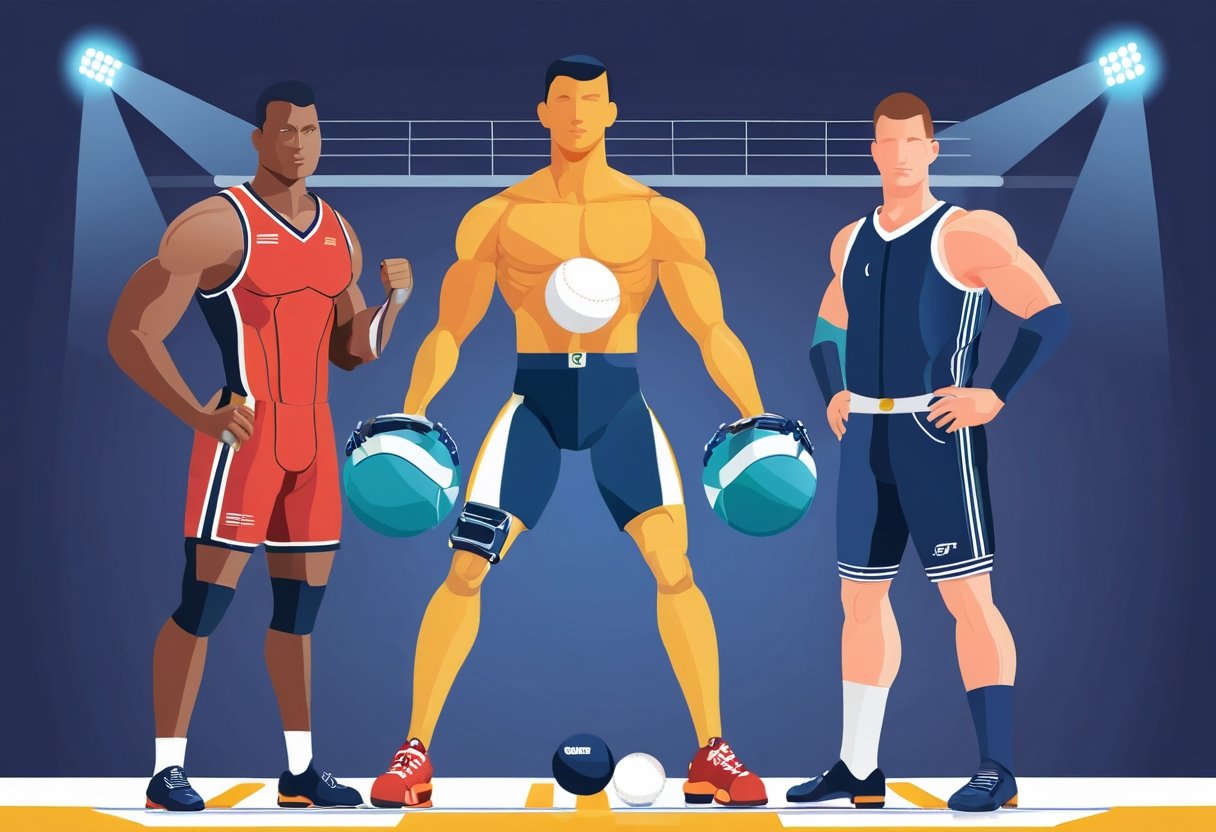
    Revolutionizing Sports with AI: Gains and Losses


    Introduction to AI in Sports

    The integration of artificial intelligence (AI) in sports is transforming the way games are played, coached, and consumed. As Alex Kipman, CEO and founder of Analog, notes, ‘In the world of professional sports, people are begging for AI-driven insights.’ This shift is not just about gaining a competitive edge but also about revolutionizing conventional sports wisdom.

    The Impact of AI on Athlete Performance and Wellbeing

    One of the key applications for AI in sports is the wellbeing and performance of athletes, particularly in supporting mental health. Ilario Corna, chief information and technology officer, International Olympic Committee (IOC), highlights that AI tools and AR and VR will be used to support athletes in relaxing, talking through their mental blockers, and escaping pressure pre- or post-performance. Moreover, AI allows for personalized, data-driven insights on player performance, enabling athletes to improve, stay healthier, and recover faster.

    Injury Prevention and AI

    The use of AI in injury prevention is a significant area of focus. By analyzing a player’s movements, AI can correct techniques, suggest personalized training programs, and provide real-time health monitoring through wearable technology. According to the NFL, the use of AI has reduced concussions by 38%. This not only enhances athlete safety but also prolongs their careers, allowing fans to enjoy their favorite players for longer.

    The Future of Coaching and Team Strategy with AI

    AI is not only altering how athletes train and recover but also changing how teams strategize and operate. From scouting new talent to fine-tuning game strategies, AI gives coaches, managers, and players the tools they need to make smarter decisions. This includes tracking player performance, preventing injuries, and optimizing team lineups for better outcomes.

    Practical Takeaways for the Sports Industry

    As AI becomes more integral to sports, it’s crucial for teams, leagues, and sport management professionals to leverage AI technologies. This includes investing in AI-powered injury prevention tools, utilizing data analytics for strategy optimization, and exploring how AI can enhance fan experience. By doing so, the sports industry can ensure that the integration of AI is beneficial, efficient, and sustainable.

    Conclusion: Embracing the Future of Sports with AI

    In conclusion, AI is poised to revolutionize the sports industry, from coaching and athletic performance to injury prevention and fan experience. While there are challenges to navigate, the potential benefits of AI in sports are undeniable. As we move forward, it’s essential to consider what we will gain and what we might lose, ensuring that the future of sports with AI is both exciting and responsible.

Oh hi there 👋
It’s nice to meet you.

Sign up to receive awesome content in your inbox, every Day.

We don’t spam! Read our privacy policy for more info.