Tag: Bitcoin Etf

  • Cardano Price Surges 11%: Why ADA is on Breakout Lane

    Cardano Price Surges 11%: Why ADA is on Breakout Lane

    Introduction to Cardano’s Recent Price Surge

    Cardano, one of the top 100 coins by market capitalization, has seen an impressive 11% spike in its price, reaching $0.48. This significant uptick is attributed to several pivotal factors, including the recent launch of Midnight and the inclusion of ADA in the Bitwise 10 Crypto Index ETF (BITW). As reported by Coin Journal, this surge positions Cardano for a potential breakout, aiming to reclaim critical price levels.

    Drivers of the Price Surge

    The launch of Midnight, a zero-knowledge privacy network on the Cardano blockchain, has been a significant driver of this upward momentum. Bitget notes that the positive sentiment surrounding Midnight, combined with the market’s bullish turn, provided substantial tailwinds for ADA. Furthermore, ADA’s inclusion in the Bitwise 10 Crypto Index ETF (BITW) has fueled optimism among investors, suggesting that institutional players are increasingly viewing ADA as a viable long-term asset.

    Technical Analysis and Market Impact

    From a technical standpoint, the breakout from the descending trend line could unlock another 56% upside from the current levels, to $0.67, as analyzed by Captain Faibik. The ADA price is also displaying a bullish inverse head-and-shoulders formation on its 4-hour chart, with momentum indicators reinforcing the constructive outlook. This strong technical foundation, coupled with the surge in daily trading volume, indicates that trader sentiment remains bullish for the rally to continue ahead.

    Expert Insights and Future Implications

    Experts suggest that the 2026 bull case for ADA hinges on three interdependent factors: accumulation and institutional adoption, network upgrades, and the decentralization of decision-making through the Voltaire governance phase. As outlined by Ainvest, if institutional demand accelerates, driven by ETF approvals or corporate partnerships, ADA could see a sharp re-rating. This implies that the current surge is not just a short-term fluctuation but potentially the beginning of a more significant trend.

    Conclusion and Practical Takeaways

    In conclusion, Cardano’s 11% price spike, driven by both technical and fundamental factors, places ADA on a breakout lane. Investors and traders should closely monitor the Cardano ecosystem’s development, especially the impact of Midnight and ADA’s inclusion in significant ETFs. As the crypto market continues to evolve, understanding the underlying drivers of price movements and the potential for future growth is crucial for making informed decisions.

  • VanEck Launches Third US Solana Staking ETF

    VanEck Launches Third US Solana Staking ETF


    Introduction to VanEck’s Solana ETF

    VanEck has launched the third US Solana staking ETF, joining Bitwise and Grayscale as inflows into Solana-linked funds accelerate. According to Yahoo Finance, VSOL offers staking rewards and a temporary zero-fee structure, intensifying competition in the market. As Kyle DaCruz, Director of Digital Assets Product at VanEck, stated, ‘Solana has reached an inflection point, in terms of technology and real-world adoption.’

    Market Context and Competition

    The launch comes amid a rush by issuers to introduce new crypto products after the SEC’s September rule change streamlined the approval process and removed the need for case-by-case reviews, as reported by Bloomberg. Eric Balchunas, a Bloomberg ETF analyst, noted that the lineup is expanding rapidly, with Fidelity’s Solana ETF (FSOL) set to debut soon. VanEck’s VSOL enters a crowded but fast-expanding arena, with Bitwise and Grayscale already offering Solana-focused products that have pulled in hundreds of millions of dollars in recent weeks.

    Key Features of VSOL

    VSOL stands out with its cost structure, including 0 sponsor fees until either February 17, 2026, or the fund reaches $1 billion in assets, and 0 staking fees during the same introductory window. Afterward, fees reset to 0.30% annually, as detailed in the VanEck press release. This aggressive fee structure is designed to attract investors and gain market share quickly.

    Expert Insights and Analysis

    Experts in the field see this launch as a significant endorsement of Solana as a mainstream investable asset. The growing institutional interest in Solana is driven by its high-performance, low-cost architecture, making it one of the most actively used blockchains. As Kyle DaCruz mentioned, ‘Solana’s proof-of-stake design and staking rewards have created growing investor demand for a simple, regulated way to access SOL and its staking benefits without the complexities of direct ownership.’

    Future Implications and Market Impact

    The launch of VSOL and other Solana ETFs is expected to further accelerate the adoption of Solana and other altcoins in the financial markets. As the crypto market continues to evolve, it’s likely that we’ll see more institutional players entering the space, driving growth and innovation. The competition among ETF providers will also lead to better products and services for investors, ultimately benefiting the market as a whole.

  • BlackRock Registers Staked Ethereum Trust: A New Era

    BlackRock Registers Staked Ethereum Trust: A New Era


    Introduction to BlackRock’s Staked Ethereum Trust

    BlackRock, the world’s largest asset manager, has taken a significant step towards entering the staked ether ETF market by registering the iShares Staked Ethereum Trust in Delaware. This move signals the company’s intent to seek approval for a yield-bearing ether product, as reported by CoinDesk and dlnews.

    What Does This Mean for Ethereum and the ETF Market?

    The registration of the iShares Staked Ethereum Trust is a preliminary step and not yet a formal application under the Securities Act of 1933. However, it indicates that BlackRock is preparing to join the race to launch a staked ether ETF, following in the footsteps of VanEck, which has also registered a similar trust tied to Lido’s staked ETH, as The Defiant notes.

    BlackRock’s Existing Ethereum ETF and Market Presence

    BlackRock’s ETHA is the largest Ethereum ETF, with over $13 billion in assets under management. The company’s move to register a staked Ethereum trust suggests that it is looking to expand its crypto offerings and provide investors with a yield-bearing product. As Unchained points out, this could be a significant development in the Ethereum staking market, which has seen steady growth, with around 35.7 million ETH locked in the network, worth $108 billion.

    Regulatory Clarity and the Future of Staked Ethereum ETFs

    The SEC has said that some crypto staking products aren’t securities, which could pave the way for BlackRock and other issuers to launch staked Ethereum ETFs. However, as Yahoo Finance notes, BlackRock still needs to submit a Form S-1 to the U.S. Securities and Exchange Commission before the fund can move forward.

    Conclusion and Future Implications

    The registration of the iShares Staked Ethereum Trust is a significant development in the Ethereum ETF market and could have far-reaching implications for investors and the broader crypto industry. As CoinDesk and other sources suggest, this move could signal the start of a new era in Ethereum investing, with staked ether ETFs potentially offering investors a new way to earn yield from their ether holdings.

  • Hong Kong Moves to Real-Value Tokenized Deposits

    Hong Kong Moves to Real-Value Tokenized Deposits

    Hong Kong is no longer experimenting — it’s now executing. With its latest pilot, the city has stepped into real-value, on-chain financial settlement.

    Hong Kong has officially launched the pilot phase of Project Ensemble, enabling live, value-bearing transactions using tokenized deposits and digital assets. This shift positions the city as a front-runner in Asia’s digital finance race and marks a significant evolution from mere experimentation to real-world implementation.

    A Major Shift: From Sandbox to Live Settlement

    The Hong Kong Monetary Authority (HKMA) announced that Project Ensemble is transitioning from a controlled testing environment into actual settlement with real funds — a pivotal step in its long-term crypto roadmap.

    Key highlights of the pilot:

    • Tokenized deposits will now be tested in real market transactions.
    • Interbank settlement begins with the HKD Real Time Gross Settlement system.
    • The ecosystem will gradually evolve into 24/7 settlement in tokenized central bank money.
    • The pilot runs through 2026, initially focusing on:
    • Tokenized money-market fund operations
    • Real-time treasury and liquidity management
    • The initiative supports Hong Kong’s goal of becoming a global hub for regulated digital assets.

    HKMA Chief Executive Eddie Yue described the development as the point where “innovation meets implementation”, bringing tangible benefits to the financial sector.

    Asia’s Push Toward On-Chain Financial Infrastructure

    Hong Kong’s announcement aligns with a broader regional agenda to modernize financial rails through tokenization.

    Parallel momentum in Asia:

    • Singapore will trial tokenized MAS bills settled with a central bank digital currency (CBDC).
    • DBS and J.P. Morgan’s Kinexys are working on an interoperability framework for cross-chain tokenized deposits.
    • Major financial hubs are exploring programmable, interoperable, and compliance-aligned digital money systems.

    Together, Hong Kong and Singapore are shaping Asia into the leading testbed for institutional-grade tokenized finance.

    Why Tokenized Deposits Matter

    Tokenized deposits are traditional bank deposits represented on blockchain infrastructure.
    This gives them several advantages:

    • Near-instant settlement
    • Automation through programmable logic
    • Increased liquidity visibility
    • Lower operational risk
    • Enhanced transparency and auditing
    • Continuous (24/7) settlement potential

    Project Ensemble is now advancing from theory to actual usage — one of the world’s first attempts to test tokenized deposits in a live financial environment.

    Who Benefits From This Pilot?

    For Banks

    • Efficient and programmable settlement processes
    • Lower reconciliation overhead
    • Better liquidity mobility and intraday operations

    For Investors

    • Faster money-market fund transactions
    • Improved real-time treasury management

    For Markets

    • Stronger regulatory clarity around tokenized settlement
    • More confidence for institutions exploring on-chain finance
    • A pathway toward global interoperability between tokenized systems

    Hong Kong isn’t just modernizing its systems — it is redefining how traditional finance interacts with blockchain-powered infrastructure.

    AI Satoshi’s Analysis

    Transitioning from a sandbox to value-bearing settlement shows that traditional financial institutions are now relying on cryptographic finality rather than procedural trust. By integrating tokenized deposits with real-time gross settlement, Hong Kong is testing whether centralized digital money can gain efficiency without compromising systemic stability. The regional momentum — Hong Kong and Singapore — signals a shift toward interoperable, programmable financial rails, though these remain permissioned and centrally governed.

    Follow @casi_borg

    🔔 Follow @casi_borg for AI-powered crypto commentary
    🎙️ Tune in to CASI x AI Satoshi for deeper blockchain insight
    📬 Stay updated: linktr.ee/casi.borg

    💬 Would you like a breakdown of another major crypto development?

    ⚠️ Disclaimer: This content is generated with the help of AI and intended for educational and experimental purposes only. Not financial advice.

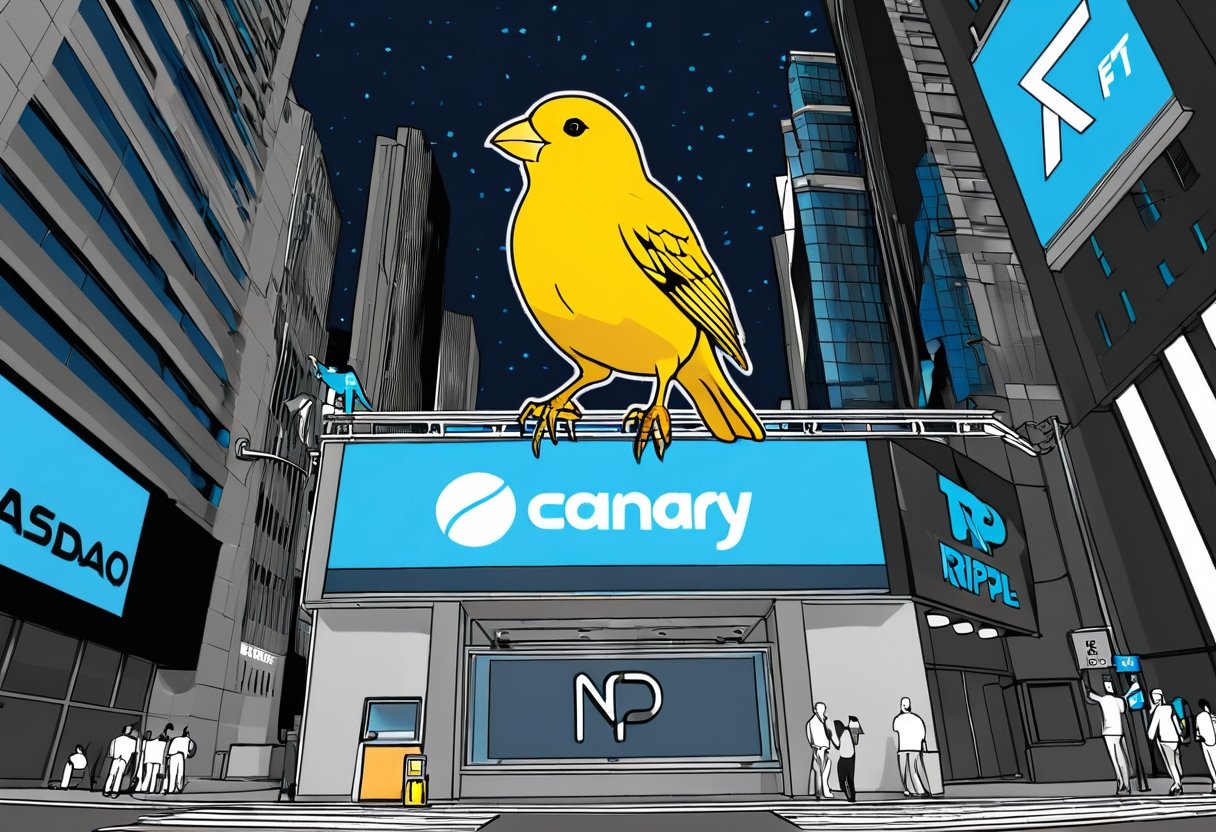
  • Canary XRP ETF Debuts on Nasdaq: Ripple’s Big Moment

    Canary XRP ETF Debuts on Nasdaq: Ripple’s Big Moment


    Introduction to the Canary XRP ETF

    The crypto market is bracing for a major move, with XRP at the center. As Canary Capital readies the first U.S. spot XRP ETF, investors are eyeing whether this Nasdaq debut could ignite the next altcoin rally. According to Source 1, the launch of the first exchange-traded fund (ETF) built around the token appears to be imminent.

    XRP ETF Launch Details

    The Canary XRP ETF has received approval for listing on the Nasdaq under the ticker symbol ‘XRPC’, as reported by Source 2. This development marks a significant milestone for the asset and its growing investor base. Source 3 highlights that the fund will offer investors direct exposure to XRP through a regulated market structure, with a management fee projected at 0.50% annually.

    Market Impact and Future Implications

    The launch of XRP ETFs could broaden the reach of the token and accelerate adoption trends, notes Source 1. With the ETF set to begin trading on the Nasdaq, investors are anticipating a potential surge in XRP’s market activity. As Source 5 points out, the end of the U.S. government shutdown has opened the door for a wave of crypto ETF approvals, and the Canary Capital Spot XRP ETF is among the first to launch.

    Expert Insights and Analysis

    Experts believe that the launch of the XRP ETF could be a major turning point for the asset. As Source 4 suggests, the long-awaited arrival of a US-based exchange-traded fund directly holding XRP may finally become a reality. Our analysis indicates that the ETF’s approval and upcoming launch are significant developments in the crypto space, with potential implications for the broader market.

  • Hong Kong approves first Solana ETF: A catalyst for change in deep tech

    Hong Kong approves first Solana ETF: A catalyst for change in deep tech

    Hong Kong Approves First Solana ETF

    In a groundbreaking move, Hong Kong has approved its first-ever Solana (SOL) exchange-traded fund (ETF). This decision sent shockwaves throughout the crypto landscape, sparking widespread speculation and debate about the future of blockchain and its applications.

    But what does this mean for the industry, and where will it lead? Let’s delve into the story and separate the facts from the hype.

    The Story Unfolds

    On [date], the Hong Kong Securities and Futures Commission (SFC) announced its approval for the launch of the first Solana ETF. This move marked a significant milestone for Asia’s crypto landscape, as it brought institutional-grade investment opportunities to the region.

    The approval is a result of the growing recognition of blockchain technology’s potential to disrupt traditional financial systems. By providing a regulated and secure platform for investing in Solana, the SFC aims to attract more institutional investors and pave the way for further adoption.

    But this approval also raises questions about the potential risks and challenges associated with blockchain and cryptocurrency investments. Regulatory frameworks must balance the need for innovation with the need for investor protection, ensuring that these new technologies are developed and used responsibly.

    The Bigger Picture

    The approval of the Solana ETF is a testament to the growing recognition of blockchain technology’s potential to transform industries and revolutionize the way we conduct financial transactions.

    The intersection of blockchain, AI, and other emerging technologies will shape the future of our economy and society. As we navigate this rapidly evolving landscape, it’s essential to prioritize collaboration, education, and innovation to harness the full potential of these technologies.

    Investors, policymakers, and industry leaders must work together to create a regulatory environment that fosters growth, innovation, and responsible development. By doing so, we can unlock the vast potential of blockchain and its applications, driving economic growth and improving lives across the globe.

    The Technical Deep Dive

    The Solana ETF will be listed on the Hong Kong Stock Exchange, providing investors with a regulated and secure platform for investing in Solana. The ETF is designed to track the performance of the Solana token, allowing investors to gain exposure to the blockchain ecosystem without directly buying and holding the token.

    The approval of the ETF is a significant milestone for Solana, as it brings the token one step closer to mainstream acceptance. The growing recognition of Solana as a viable investment opportunity will likely attract more institutional investors and drive further adoption of the blockchain technology.

    However, the ETF’s performance will depend on various factors, including the overall market sentiment, regulatory developments, and the success of the underlying blockchain technology. As with any investment, it’s essential to conduct thorough research and consult with financial advisors before making any investment decisions.

    Market Reality

    The approval of the Solana ETF has sent shockwaves throughout the crypto landscape, sparking widespread speculation and debate about the future of blockchain and its applications.

    The market reaction has been mixed, with some investors hailing the approval as a vote of confidence in the blockchain technology, while others express concerns about the potential risks and challenges associated with cryptocurrency investments.

    As the market continues to evolve, it’s essential to stay informed and vigilant, recognizing both the opportunities and challenges presented by emerging technologies.

    What’s Next

    The approval of the Solana ETF is a significant milestone for the blockchain industry, and it’s likely to pave the way for further adoption and innovation.

    As the market continues to evolve, it’s essential to prioritize collaboration, education, and innovation to harness the full potential of blockchain and its applications.

    By working together, we can unlock the vast potential of blockchain and drive economic growth, improving lives across the globe.

    Final Thoughts

    The approval of the Solana ETF is a testament to the growing recognition of blockchain technology’s potential to transform industries and revolutionize the way we conduct financial transactions.

    As we navigate this rapidly evolving landscape, it’s essential to prioritize collaboration, education, and innovation to harness the full potential of these technologies.

  • The BlackRock Earnings Surge: A Watershed Moment for Tech

    The BlackRock Earnings Surge: A Watershed Moment for Tech

    Imagine a world where financial markets are transformed by a single earnings report. Welcome to the reality we’re living in now, thanks to BlackRock’s Q3 earnings smashes forecasts as revenue surges 25%, driven by record iShares ETF demand.

    The numbers are staggering, with over $25 billion in revenue growth. But what’s behind this monumental shift? One key factor is the increasing demand for ETFs, or exchange-traded funds. These financial instruments have become a cornerstone of modern investing, offering a way to diversify portfolios and tap into the global market.

    The significance of this trend cannot be overstated. As ETFs continue to gain traction, we can expect to see a seismic shift in the way financial markets operate. This is no longer just a story about BlackRock; it’s a harbinger of a new era in tech and finance.

    The Bigger Picture

    So, what does this mean for the tech industry as a whole? The answer lies in the way BlackRock’s success reflects broader trends in innovation and adoption. As ETFs become more mainstream, we can expect to see a surge in demand for related technologies, such as artificial intelligence and blockchain.

    The implications of this trend are far-reaching, extending beyond the world of finance to impact industries like healthcare, education, and energy. This is a moment of transformation, where the boundaries between tech and traditional markets are blurred forever.

    The ETF phenomenon is not just a story about BlackRock; it’s a testament to the power of innovation and the limitless potential of the human imagination.

    Under the Hood

    But let’s dive deeper into the technical aspects of this trend. At its core, ETFs rely on advanced algorithms and machine learning models to optimize investment strategies. This is where the real magic happens, as complex mathematical formulas are used to analyze and adapt to market conditions in real-time.

    The result is a system that’s both highly efficient and incredibly resilient. ETFs can respond rapidly to shifts in market sentiment, making them an attractive option for investors looking to navigate the complexities of modern finance.

    As we explore the technical underpinnings of ETFs, we gain a deeper appreciation for the genius of the innovators behind this trend. These visionaries have created a system that’s at once brilliant and beautiful, a true marvel of modern tech.

    Market Reality

    But the ETF phenomenon is not without its challenges. As demand surges, concerns about market volatility and liquidity have arisen. How can we ensure that this trend continues to benefit investors, without creating new risks and uncertainties?

    The answer lies in the adoption of emerging technologies like decentralized finance (DeFi) and blockchain. By leveraging these tools, we can create more resilient and transparent systems that better serve the needs of investors.

    As we navigate the complexities of the ETF market, we must remain mindful of the broader implications for the tech industry as a whole. This is a moment of transformation, where innovation and adoption must work hand-in-hand to drive growth and prosperity.

    What’s Next

    So, what’s next for the ETF phenomenon? The answer lies in the intersection of innovation and adoption. As ETFs continue to gain traction, we can expect to see a surge in related technologies and applications.

    The future of finance is bright, driven by the limitless potential of the human imagination. As we embark on this journey, we must remain curious, adaptable, and open to new ideas.

    The ETF phenomenon is not just a story about BlackRock; it’s a testament to the power of innovation and the limitless potential of the human imagination.

    Final Thoughts

    The BlackRock earnings surge is a watershed moment for tech, marking the beginning of a new era in innovation and adoption. As we navigate the complexities of this trend, we must remain mindful of the broader implications for the tech industry as a whole.

    With the ETF phenomenon, we’re witnessing the fusion of finance and tech in ways that are both thrilling and unpredictable. This is a moment of transformation, where the boundaries between industries are blurred forever.

    As we look to the future, we must remain curious, adaptable, and open to new ideas. The ETF phenomenon is not just a story about BlackRock; it’s a testament to the power of innovation and the limitless potential of the human imagination.

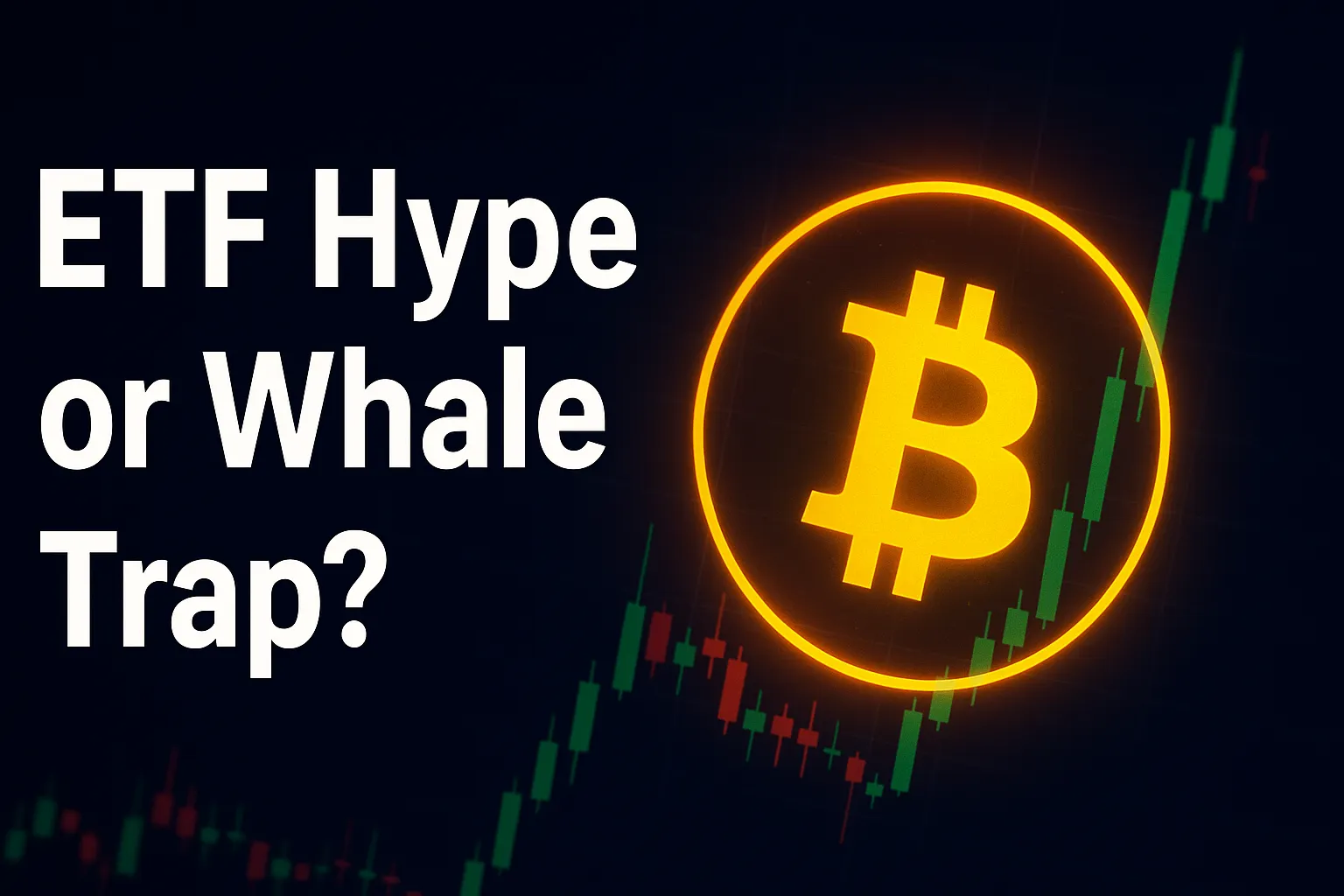
  • Bitcoin ETF Rally: Hype or Whale Trap?

    Bitcoin ETF Rally: Hype or Whale Trap?

    Bitcoin’s explosive rise to new highs has the crypto world buzzing — but are institutionaz inflows enough to sustain the rally, or will whale sell-offs spoil the party?

    🚀 Bitcoin ETFs Drive the Uptober Surge

    Bitcoin [BTC] recently smashed past its previous records, hitting an all-time high of $125.7K.
    The rally was largely fueled by massive institutional inflows into U.S. Spot Bitcoin ETFs, signaling renewed confidence from traditional finance.

    According to market data, ETF products attracted over $3.24 billion in net inflows last week, marking one of the strongest institutional pushes in crypto history.
    This surge reflected a spot market-driven rally, as opposed to speculative derivatives — a healthy sign for long-term investors.

    The bullish sentiment spilled into the altcoin sector too:

    • Ethereum (ETH): +12% in the past week
    • Binance Coin (BNB): +23% weekly, +6% in 24 hours
    • Solana (SOL) & Dogecoin (DOGE): +13% each
    • XRP: +5% rebound

    However, after this euphoric run, BTC corrected slightly to $124.5K, reminding traders that markets never move in a straight line.

    💰 Whales Sitting on $10 Billion in Unrealized Profits

    Behind the price charts, large Bitcoin holders — or “whales” — are now sitting on unrealized profits exceeding $10 billion, the highest level seen this cycle.

    While that sounds bullish, it also raises concerns.
    Historically, when whales hold such massive profits, they often begin profit-taking, which can trigger short-term corrections.

    Analyst Will Clemente has already cautioned that Bitcoin might see a temporary dip before continuing its climb.
    This pattern of cooling off before a bigger breakout has been typical in previous bull markets.

    📊 Options Traders Bet on $130K to $180K BTC Targets

    Options market data paints an exciting picture.
    Traders are placing bullish bets on Bitcoin hitting between $130K and $180K by Q4 2025.

    At the same time, they’re hedging against downside risk to $85K, indicating a blend of optimism and realism.

    Key observations:

    • Strong call buying (bullish bets) around $130K, $150K, and $180K strike prices
    • Large put buying (protective positions) around $85K
    • Sentiment remains cautiously bullish, with traders expecting volatile but upward movement

    In short, while the market is leaning bullish, smart money is preparing for pullbacks — a sign of maturity among institutional players.

    The ‘Debasement Trade’ Narrative Gains Strength

    Institutional analysts are connecting Bitcoin’s rise to a broader macroeconomic theme — the “debasement trade.”

    According to JP Morgan, concerns about long-term U.S. inflation and mounting fiscal debt are driving investors toward scarce assets like gold and Bitcoin.
    This narrative positions BTC as a hedge against currency devaluation, similar to gold in previous decades.

    Leading banks have already released ambitious year-end targets:

    • Citigroup: $133,000
    • JP Morgan: $165,000
    • Standard Chartered: $200,000

    These targets suggest that institutional adoption is not slowing down.
    If this momentum holds, Bitcoin could see further price discovery heading into Q4 2025 and early 2026.

    ⚠️ The Hidden Risk: Profit-Taking and Market Psychology

    Despite the bullish backdrop, there’s an underlying risk that can’t be ignored — market psychology.

    As prices rise, traders tend to pile in, fueling herd optimism.
    Meanwhile, long-term holders (whales) quietly secure profits, creating the perfect setup for a short-term correction.

    This dynamic often leads to flash crashes or mini sell-offs, which shake out leveraged traders before the next leg up.
    Therefore, while optimism runs high, risk management remains crucial for anyone riding the current wave.

    🧠 AI Satoshi’s Analysis

    “Institutional capital through spot ETFs has amplified Bitcoin’s scarcity dynamics, validating the original design of market-driven consensus. However, the same liquidity that fuels price appreciation can invert swiftly when large holders secure profits. Markets built on open participation, not speculation, remain the most stable. Excessive leverage and herd optimism often precede volatility cycles in decentralized systems.”

    🔔 Follow @casi.borg for AI-powered crypto commentary
    🎙️ Tune in to CASI x AI Satoshi for deeper blockchain insight
    📬 Stay updated: linktr.ee/casiborg

    💬 Would you ride this ETF-fueled rally — or wait for the whales to sell?

    ⚠️ Disclaimer: This content is generated with the help of AI and intended for educational and experimental purposes only. Not financial advice.

Oh hi there 👋
It’s nice to meet you.

Sign up to receive awesome content in your inbox, every Day.

We don’t spam! Read our privacy policy for more info.