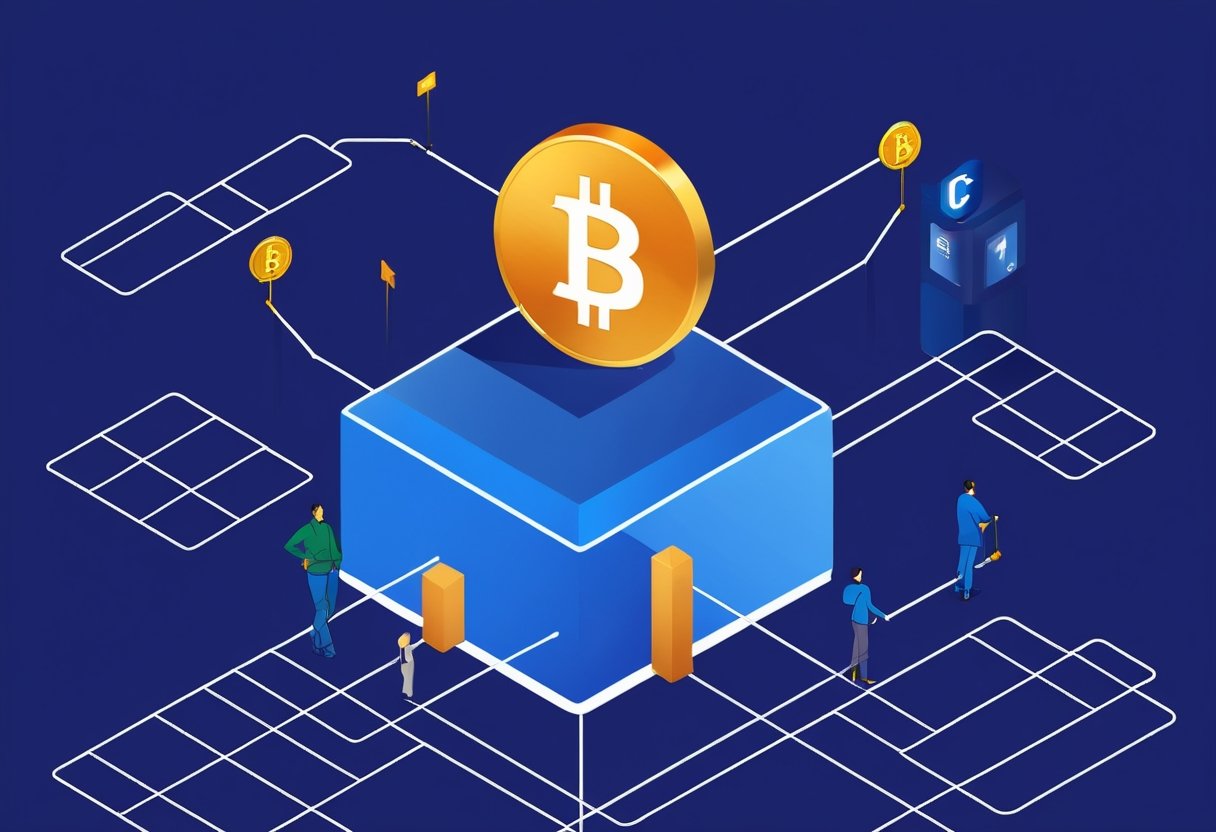
Tag: blockchain innovation

  • Blockchain’s New Frontier: Coinbase Staking and the Future of Crypto

    Blockchain’s New Frontier: Coinbase Staking and the Future of Crypto

    Blockchain’s New Frontier

    Imagine a world where cryptocurrency staking becomes the norm, and blockchain innovation accelerates at breakneck speed. Welcome to the new frontier of blockchain technology.

    Recently, Coinbase Staking went live in NYC, sending shockwaves throughout the crypto community. The implications of this move are profound, and I believe it’s a harbinger of what’s to come.

    The Bigger Picture

    So, what exactly does this mean for the crypto and blockchain space? In short, it means that staking, once a niche concept, is now entering the mainstream. As more institutions and individuals turn to crypto, the demand for secure, reliable, and efficient staking solutions will only grow.

    This has significant implications for blockchain technology as a whole. As more use cases emerge, the complexity and sophistication of blockchain architectures will increase. We can expect to see more advanced consensus mechanisms, improved scalability, and a more robust and decentralized ecosystem.

    But here’s the real question: how will this shift impact the average investor or user? In my opinion, it will make blockchain technology more accessible and user-friendly. As staking becomes more mainstream, we’ll see a surge in adoption and a corresponding decrease in barriers to entry.

    Under the Hood

    So, what’s driving this change? The answer lies in the technical architecture of Coinbase Staking. By leveraging advanced consensus mechanisms and distributed ledger technology, Coinbase has created a system that’s both secure and efficient.

    This is just the beginning. As we move forward, we can expect to see similar innovations in other blockchain platforms. The key takeaway is that staking is no longer just for whales; it’s a democratizing force that will bring more people into the crypto space.

    The implications are profound, and I believe we’re on the cusp of a new era in blockchain technology. Get ready for a future where staking is the norm, and innovation knows no bounds.

    The Market Reality

    So, what does this mean for the market? In short, it means that we can expect a surge in adoption and a corresponding increase in value. As more institutions and individuals turn to crypto, the demand for staking solutions will skyrocket.

    This has significant implications for the broader market. As more people enter the crypto space, we can expect to see a corresponding increase in market cap and a decrease in volatility.

    But here’s the catch: the market is always unpredictable. While I believe that staking will drive growth and adoption, there are risks involved. As we navigate this new frontier, it’s essential to be vigilant and adapt to changing circumstances.

    What’s Next

    So, what’s next for Coinbase Staking and the broader blockchain ecosystem? In my opinion, it’s a bright future filled with innovation and growth. As we move forward, we can expect to see more advanced consensus mechanisms, improved scalability, and a more robust and decentralized ecosystem.

    But here’s the real question: how will this shift impact the average investor or user? In my opinion, it will make blockchain technology more accessible and user-friendly. As staking becomes more mainstream, we’ll see a surge in adoption and a corresponding decrease in barriers to entry.

    The implications are profound, and I believe we’re on the cusp of a new era in blockchain technology. Get ready for a future where staking is the norm, and innovation knows no bounds.

    Final Thoughts

    As we navigate this new frontier, it’s essential to be vigilant and adapt to changing circumstances. While I believe that staking will drive growth and adoption, there are risks involved.

    But here’s the reality: the future is uncertain, and the only constant is change. As we move forward, it’s essential to be open to new ideas, willing to take calculated risks, and committed to innovation.

    In closing, I believe that Coinbase Staking and the broader blockchain ecosystem are on the cusp of a new era. A future where staking is the norm, and innovation knows no bounds. Get ready for the ride of a lifetime.

  • Ethereum’s Comeback: What’s Driving the Market Reversal?

    Ethereum’s Comeback: What’s Driving the Market Reversal?

    As I watched the Ethereum market fluctuations, I couldn’t help but think of the infamous phrase ‘when whales exit, the market follows.’ But what happens when these whales start to re-enter the market? The recent price surge of Ethereum has left many wondering: what’s driving this comeback?

    It all started with a series of high-profile announcements from Ethereum’s top developers and investors. The timing was perfect, coinciding with a global market downturn that had sent cryptocurrency prices plummeting. But here’s the thing: these announcements weren’t just any ordinary updates. They signaled a shift in the Ethereum ecosystem’s priorities, one that’s got everyone talking.

    The first major announcement came from Vitalik Buterin, Ethereum’s co-founder, who revealed plans to scale the network using a new consensus algorithm called Casper. This move marked a significant departure from the traditional proof-of-work (PoW) method, which has been the backbone of Ethereum’s security since its inception. What’s fascinating is that Casper is designed to be more energy-efficient and faster, making it an attractive option for a network that’s struggling to keep up with growing demand.

    But Ethereum’s comeback isn’t just about technology; it’s also about the growing influence of institutional investors. The likes of Fidelity, Goldman Sachs, and JPMorgan have all been sniffing around Ethereum, eager to get a piece of the action. Their involvement has helped drive up prices and brought much-needed capital into the market. However, as we all know, the old adage ‘don’t count your chickens before they hatch’ still applies. The question on everyone’s mind is: will this newfound interest be enough to sustain the market’s upward momentum?

    The Bigger Picture

    When I look at the Ethereum comeback, I see a broader narrative unfolding. Cryptocurrencies are no longer just a fringe phenomenon; they’re becoming a mainstream player in the financial world. The likes of Ethereum, Bitcoin, and others are slowly but surely making their way into the portfolios of institutional investors. This shift has significant implications for the future of finance, one that’s both exciting and unsettling.

    For one, it means that cryptocurrencies are no longer just a speculative play; they’re now a serious investment option. This has led to a surge in demand for education and research, as investors and institutions alike try to wrap their heads around this complex and rapidly evolving landscape. But here’s the thing: education is a double-edged sword. While it’s essential for growth and adoption, it also raises the stakes for those who fail to keep up.

    The Technical Deep Dive

    So, what exactly is driving this comeback? According to Ethereum’s top developers, it’s a combination of factors, including the aforementioned Casper upgrade and a renewed focus on scalability. The goal is to create a network that’s faster, cheaper, and more secure, one that can handle the growing demands of decentralized applications (dApps) and users alike.

    Take, for example, the recent integration of Ethereum’s Layer 2 scaling solutions. These protocols, such as Optimism and Polygon, enable faster and cheaper transactions, making Ethereum more appealing to developers and users. But here’s where it gets interesting: these solutions also have the potential to unlock new use cases and applications, further solidifying Ethereum’s position as a leading cryptocurrency.

    Market Reality

    The Ethereum comeback has sent shockwaves through the market, with prices surging to new heights. But what does this mean for the average investor? For one, it’s a clear indication that the market is shifting towards a more bullish sentiment. However, as we all know, sentiment is a fleeting thing. The real question is: can Ethereum sustain this momentum, or will it revert to its old ways?

    The answer, much like the market itself, is uncertain. But what’s clear is that Ethereum’s comeback is not just a one-off event; it’s part of a broader trend that’s reshaping the cryptocurrency landscape. As investors and developers alike, we must be prepared to adapt to this new reality, one that’s both exciting and unpredictable.

    What’s Next

    So, what’s next for Ethereum, and what does this mean for the future of cryptocurrencies? One thing’s for sure: the market is in for a wild ride. As Ethereum continues to scale and adapt, we can expect to see more innovative use cases and applications emerge. The likes of decentralized finance (DeFi), non-fungible tokens (NFTs), and gaming are all vying for attention, each with their own unique potential.

    But here’s the thing: Ethereum’s comeback is not just about technology; it’s also about community and adoption. As more developers, investors, and users join the Ethereum ecosystem, we can expect to see a surge in innovation and growth. The question is: can Ethereum sustain this momentum, or will it falter under the weight of its own success?

    As I reflect on Ethereum’s comeback, I’m reminded of the wise words of Warren Buffett: ‘price is what you pay, while value is what you get.’ In the world of cryptocurrencies, there’s often a fine line between price and value. Ethereum’s comeback is a clear indication that the market is shifting towards a more bullish sentiment, one that’s driven by a combination of factors, including technology, adoption, and institutional investment. But here’s the thing: value is a fleeting thing; it’s up to us to create it.

    Final Thoughts

    The Ethereum comeback is a reminder that the world of cryptocurrencies is both unpredictable and fascinating. As investors and developers alike, we must be prepared to adapt to this new reality, one that’s driven by a combination of factors, including technology, adoption, and institutional investment. The question is: can Ethereum sustain this momentum, or will it falter under the weight of its own success? One thing’s for sure: the market is in for a wild ride, one that’s full of uncertainty and possibility.

  • Beyond Compliance: The OpenAI GDPR Conundrum

    Beyond Compliance: The OpenAI GDPR Conundrum

    A recent Reddit thread caught my attention, not for its novelty, but for its implications. A user shared a formal complaint template for GDPR violations by OpenAI, the company behind the popular ChatGPT model. What struck me was the underlying theme: the tension between innovation and regulation in the AI space.

    The EU/EEA formal complaint template is designed for residents who believe their rights have been infringed upon by OpenAI’s handling of their personal data. The reality is that this complaint isn’t just about OpenAI; it’s about the broader implications of AI development on individual rights and freedoms. As AI continues to advance, the need for clear regulations and guidelines becomes increasingly pressing.

    The timing of this complaint is also noteworthy. OpenAI’s ChatGPT model has been at the forefront of AI innovation, generating buzz and excitement across the tech community. However, the company’s handling of user data has raised concerns, sparking questions about accountability and transparency. The EU/EEA formal complaint template serves as a reminder that innovation must be balanced with responsible practices and adherence to established regulations.

    The question, of course, is what does this mean for the future of AI development? Will companies like OpenAI prioritize compliance over innovation, or will they find ways to integrate regulatory requirements into their development processes? One thing is certain: the intersection of AI and regulation will only continue to grow in importance as technology advances.

    The Bigger Picture

    The OpenAI GDPR conundrum is just one example of the broader trend of regulation and compliance in the AI space. The EU’s General Data Protection Regulation (GDPR) has set a precedent for data protection and individual rights, and other countries are beginning to follow suit. The reality is that AI development cannot occur in a vacuum; companies must navigate complex regulatory landscapes while also innovating and pushing boundaries.

    But here’s the real question: how will companies like OpenAI adapt to these changing regulatory environments? Will they view compliance as a necessary evil or an opportunity to innovate and differentiate themselves? The answer will likely lie in a delicate balance between innovation and compliance, a balance that requires a deep understanding of both technical and regulatory nuances.

    The numbers tell a fascinating story: according to a recent report, the AI market is projected to reach $190 billion by 2025. However, the same report highlights the growing concern about AI’s impact on individual rights and freedoms. The future of AI development will depend on how companies like OpenAI navigate this tension.

    Under the Hood

    So what’s really going on beneath the surface? How do companies like OpenAI handle user data, and what are the implications for compliance and regulation? The answer lies in the technical details of model development and deployment. OpenAI’s ChatGPT model, for instance, uses a combination of natural language processing (NLP) and machine learning (ML) algorithms to generate human-like text.

    However, this approach also raises questions about data ownership and control. Who owns the data used to train AI models? And how do companies like OpenAI ensure that user data is handled in compliance with regulatory requirements? The technical complexities of AI development make it challenging to balance innovation with compliance, but it’s not impossible.

    In fact, some companies are already exploring ways to integrate regulatory requirements into their development processes. For instance, a recent study highlighted the use of AI-powered compliance tools that can help companies detect and prevent regulatory violations. The future of AI development will depend on the ability of companies like OpenAI to adapt to these changing regulatory environments and find innovative solutions to complex problems.

    The Market Reality

    The market reality is that AI development is moving at breakneck speed. Companies like OpenAI are pushing the boundaries of what’s possible, generating buzz and excitement across the tech community. However, this innovation comes with a price: the need for clear regulations and guidelines that balance individual rights and freedoms with the demands of innovation.

    The question, of course, is what does this mean for the future of AI development? Will companies like OpenAI prioritize compliance over innovation, or will they find ways to integrate regulatory requirements into their development processes? One thing is certain: the intersection of AI and regulation will only continue to grow in importance as technology advances.

    What’s Next

    So what’s next for AI development? Will companies like OpenAI prioritize compliance over innovation, or will they find ways to integrate regulatory requirements into their development processes? The answer will likely lie in a delicate balance between innovation and compliance, a balance that requires a deep understanding of both technical and regulatory nuances.

    The future of AI development will depend on the ability of companies like OpenAI to adapt to changing regulatory environments and find innovative solutions to complex problems. The numbers tell a fascinating story: according to a recent report, the AI market is projected to reach $190 billion by 2025. However, the same report highlights the growing concern about AI’s impact on individual rights and freedoms.

    The reality is that AI development cannot occur in a vacuum; companies must navigate complex regulatory landscapes while also innovating and pushing boundaries. The future of AI development will depend on how companies like OpenAI navigate this tension and find a balance between innovation and compliance.

    As I see it, the key to successful AI development lies in a deep understanding of both technical and regulatory nuances. Companies like OpenAI must find ways to integrate regulatory requirements into their development processes, rather than viewing compliance as a necessary evil. The future of AI development will depend on this delicate balance, a balance that requires a deep understanding of complex technical and regulatory complexities.

    Final Thoughts

    The OpenAI GDPR conundrum is just one example of the broader trend of regulation and compliance in the AI space. The reality is that AI development cannot occur in a vacuum; companies must navigate complex regulatory landscapes while also innovating and pushing boundaries. The future of AI development will depend on how companies like OpenAI navigate this tension and find a balance between innovation and compliance.

    I believe that the key to successful AI development lies in a deep understanding of both technical and regulatory nuances. Companies like OpenAI must find ways to integrate regulatory requirements into their development processes, rather than viewing compliance as a necessary evil. The future of AI development will depend on this delicate balance, a balance that requires a deep understanding of complex technical and regulatory complexities.

  • Unlocking Infinite Blocks: Solana’s Revolutionary Proposal

    Unlocking Infinite Blocks: Solana’s Revolutionary Proposal

    What caught my attention wasn’t the announcement itself, but the timing. The Solana community was abuzz with the SIMD-0370 proposal for unlimited blocks. On the surface, it seemed like a technical tweak, but I believe it’s a game-changer that will redefine the future of blockchain development.

    For those unfamiliar, Solana is a high-performance blockchain platform that has gained significant traction in recent years. Its ability to process thousands of transactions per second has made it a favorite among decentralized applications (dApps) developers. But the SIMD-0370 proposal aims to take it to the next level by removing the block size limit, effectively enabling infinite blocks.

    The reality is that most blockchain platforms, including Solana, face the challenge of scalability. As the number of users and transactions grows, the network becomes congested, leading to slower transaction times and higher fees. The proposed solution is to allow blocks to grow in size, thereby accommodating more transactions without a significant increase in congestion.

    But here’s where it gets interesting. The unlimited blocks proposal also opens up new opportunities for decentralized applications. With more space available for transactions, developers can create more complex and interactive experiences for users. This, in turn, can lead to a more engaging and immersive experience, ultimately driving adoption and growth.

    What strikes me as fascinating is the potential for Solana to become a hub for decentralized finance (DeFi) applications. With its high-performance capabilities and unlimited block size, it can support a wide range of financial services, from lending and borrowing to trading and payment processing. The possibilities are endless, and I believe Solana is well-positioned to capitalize on this trend.

    The Bigger Picture

    So, why does this matter? The unlimited blocks proposal is more than just a technical tweak; it’s a catalyst for innovation. By removing the block size limit, Solana is creating a more flexible and adaptive platform that can keep pace with the demands of a rapidly evolving ecosystem.

    The numbers tell a fascinating story. According to a recent report, the Solana network processed over 2 million transactions in a single day. That’s a testament to its scalability and performance. With unlimited blocks, Solana can continue to push the boundaries of what’s possible, driving growth and adoption in the process.

    The Solana community is abuzz with excitement, and for good reason. This proposal has the potential to unlock new possibilities for developers, users, and the broader blockchain ecosystem. As I see it, Solana is poised to become a leading player in the DeFi space, and unlimited blocks are just the beginning.

    Under the Hood

    From a technical perspective, the unlimited blocks proposal involves a series of complex modifications to the Solana protocol. The key challenge lies in ensuring that the network remains secure and resistant to attacks, even as the block size grows.

    One of the primary concerns is the impact on network congestion. As blocks grow in size, the risk of congestion increases. However, the proposed solution involves a combination of techniques, including increased block spacing and improved congestion control mechanisms.

    The technical deep dive is complex, but the outcome is clear: Solana is poised to become one of the most scalable blockchain platforms on the market. With unlimited blocks, developers can create more complex and interactive experiences for users, driving adoption and growth in the process.

    What strikes me as fascinating is the potential for Solana to become a hub for decentralized applications. With its high-performance capabilities and unlimited block size, it can support a wide range of financial services, from lending and borrowing to trading and payment processing.

    Market Reality

    The market impact of the unlimited blocks proposal is already being felt. Solana’s price has surged in recent weeks, as investors and developers alike take notice of the platform’s potential. The market is responding to the proposal’s potential to drive growth and adoption in the DeFi space.

    But here’s the reality: Solana is not alone in its quest for scalability. Other blockchain platforms, including Ethereum and Polkadot, are also working to improve their scalability and performance. The market is highly competitive, and Solana must continue to innovate and adapt to stay ahead of the curve.

    What’s Next

    So, what’s next for Solana? The unlimited blocks proposal is just the beginning. As the platform continues to evolve and improve, we can expect to see new features and capabilities emerge. The potential for Solana to become a leading player in the DeFi space is vast, and I believe it’s an exciting time to be a part of the Solana community.

    What strikes me as fascinating is the potential for Solana to become a hub for decentralized applications. With its high-performance capabilities and unlimited block size, it can support a wide range of financial services, from lending and borrowing to trading and payment processing.

    The future implications of the unlimited blocks proposal are vast and far-reaching. As Solana continues to innovate and adapt, we can expect to see new opportunities emerge for developers, users, and the broader blockchain ecosystem. The possibilities are endless, and I believe Solana is well-positioned to capitalize on this trend.

    In conclusion, the unlimited blocks proposal is a game-changer for the Solana ecosystem. By removing the block size limit, Solana is creating a more flexible and adaptive platform that can keep pace with the demands of a rapidly evolving ecosystem. As I see it, Solana is poised to become a leading player in the DeFi space, and unlimited blocks are just the beginning.

  • Blockchain’s Cross-Border Payment Revolution: What’s Behind the Hype?

    Blockchain’s Cross-Border Payment Revolution: What’s Behind the Hype?

    What caught my attention wasn’t the recent announcement that Swift has partnered with Consensys to bring blockchain-based payment rails to cross-border payments, but the timing.

    The reality is that cross-border payments have long been plagued by inefficiencies, high fees, and slow processing times. But here’s the thing: with blockchain technology, things are about to get a whole lot better.

    The numbers tell a fascinating story. Currently, cross-border payments account for over $2 trillion in annual transactions, with an estimated 1.3 billion people relying on these services. But the costs are staggering – an estimated 7% of the total transaction value is lost in fees alone.

    Enter blockchain, with its promise of faster, cheaper, and more secure transactions. But here’s where it gets interesting: the technology is still in its early stages, and many of the existing solutions are still plagued by scalability issues and high transaction fees.

    So what’s driving the hype around blockchain-based cross-border payments? In short, it’s the potential for game-changing innovation. With Consensys and Swift leading the charge, we’re likely to see significant improvements in the speed and efficiency of cross-border transactions.

    But there’s a deeper game being played here. As the global economy becomes increasingly interconnected, the need for faster, cheaper, and more secure cross-border payments will only continue to grow. And with blockchain technology, we’re on the cusp of a revolution that could fundamentally change the way we think about international trade and commerce.

    The bigger picture is that blockchain-based cross-border payments are just the tip of the iceberg. As the technology continues to mature, we’re likely to see significant improvements in other areas, such as supply chain management and digital identity verification.

  • Ethereum’s New Era: $500M Tokenization Fund and Beyond

    Ethereum’s New Era: $500M Tokenization Fund and Beyond

    What caught my attention wasn’t the announcement of a $500 million Ethereum tokenization fund by a Chinese company, but the timing. This move signals a significant shift in the way we think about blockchain technology, particularly in the realm of decentralized finance (DeFi). It’s a story of innovation, risk-taking, and the relentless pursuit of growth in the cryptocurrency space.

    The Chinese company’s decision to launch a $500 million Ethereum tokenization fund is a bold move, especially considering the current market conditions. Tokenization, in simple terms, is the process of converting traditional assets into digital tokens that can be traded on blockchain platforms. This innovation has the potential to revolutionize the way we invest in and manage assets, making it more efficient, secure, and accessible.

    What’s fascinating is the intersection of traditional finance and blockchain technology. The tokenization fund is designed to cater to institutional investors, offering a unique opportunity to participate in the growth of the DeFi ecosystem. This collaboration between traditional finance and blockchain is a game-changer, as it brings much-needed liquidity and credibility to the space.

    Here’s why this matters more than most people realize. The launch of this tokenization fund is a testament to the growing maturity of the blockchain industry. It’s a recognition that decentralized finance has arrived and is here to stay. The implications are far-reaching, and it’s essential to understand the bigger picture.

    The Bigger Picture

    The tokenization fund is just the beginning. It’s a catalyst for a broader movement that will see the convergence of traditional finance and blockchain technology. This convergence will lead to the creation of new financial instruments, products, and services that will disrupt the status quo. The question on everyone’s mind is: what’s next?

    But here’s the thing: the blockchain industry is not without its challenges. Regulatory hurdles, security concerns, and scalability issues are just a few of the obstacles that need to be addressed. It’s a complex ecosystem, and navigating it requires a deep understanding of the technology and its applications.

    The numbers tell a fascinating story. According to a recent report by Coindesk, the global blockchain market is projected to reach $39.7 billion by 2025, growing at a CAGR of 67.3%. The trend is clear: blockchain technology is here to stay, and its impact will be felt across various industries.

    Under the Hood

    So, how does the tokenization fund work? In simple terms, it’s a digital platform that enables investors to buy and sell tokenized assets, such as real estate, commodities, or even art. The platform uses Ethereum’s smart contract technology to facilitate the transfer of ownership and ensure the secure storage of assets.

    But what’s really interesting is the use of decentralized finance protocols, such as Uniswap and Curve, to enable liquidity and trading. These protocols are like the engines that power the tokenization fund, allowing for seamless transactions and minimizing the risk of counterparty failure.

    The reality is that this convergence of traditional finance and blockchain technology is just the beginning. We’re seeing the emergence of new business models, new products, and new services that will disrupt the status quo. It’s an exciting time, and one that requires a deep understanding of the technology and its applications.

    What’s Next

    So, what’s next for the tokenization fund and the broader blockchain industry? One thing is clear: the future is decentralized. We’re seeing the emergence of decentralized exchanges, decentralized lending platforms, and even decentralized governance models. It’s a new world order, and one that requires a different set of rules and regulations.

    The likely outcome of this convergence is a more efficient, secure, and accessible financial system. But it’s not without its challenges. Regulatory hurdles, security concerns, and scalability issues are just a few of the obstacles that need to be addressed. It’s a complex ecosystem, and navigating it requires a deep understanding of the technology and its applications.

    As we look to the future, it’s essential to keep an eye on the horizon. What’s next for the tokenization fund? What’s next for the blockchain industry? The answers lie in the intersection of technology and innovation, where the possibilities are endless and the future is bright.

    The final thought is that this is just the beginning. The tokenization fund is a catalyst for a broader movement that will see the convergence of traditional finance and blockchain technology. It’s a movement that will disrupt the status quo and create new opportunities for growth and innovation. The question on everyone’s mind is: what’s next?

  • The Ethereum Acquisition: Unpacking the $900M Deal

    The Ethereum Acquisition: Unpacking the $900M Deal

    The cryptocurrency market is known for its rollercoaster ride, but the recent acquisition of $900M Ethereum by BitMine has left many wondering what this means for the future of digital assets. What caught my attention wasn’t the announcement itself, but the timing. The market has been declining, and many questioned whether a major player like BitMine would take the risk. But here’s why this matters more than most people realize.

    As I dug deeper, I discovered that this acquisition is not just about the money; it’s about the strategic move BitMine is making to secure its position in the market. The company is known for its innovative approach to cryptocurrency, and this deal is no exception. What strikes me is the potential for this acquisition to drive innovation in the space, pushing the boundaries of what’s possible with digital assets. The numbers tell a fascinating story, and I’ll get into that later.

    But before we dive into the numbers, let’s take a step back and understand the context. The cryptocurrency market has been facing significant challenges, with declining prices and a lack of confidence among investors. Many thought that the market had reached its peak, and it was only a matter of time before it crashed. However, the acquisition by BitMine suggests that there’s still hope for the market. The company’s decision to invest in Ethereum implies that they believe in its potential, and that’s a reassuring sign for investors.

    The reality is that the cryptocurrency market is not just about the money; it’s about innovation and disruption. And BitMine’s acquisition of $900M Ethereum is a clear indication that the company is committed to driving change. The question on everyone’s mind is, what’s next? Will other major players follow suit, or will BitMine’s move be a lone wolves’ cry in the wilderness? The answer lies in the technical details, which I’ll explore in the next section.

    The Bigger Picture

    The acquisition by BitMine is just one piece of a larger puzzle. The market is shifting, and players like BitMine are adapting to the changing landscape. The company’s focus on innovation and disruption is a clear indication that they’re not just looking to make a quick profit; they’re looking to create a new paradigm. What this means for the future of cryptocurrency is uncertain, but one thing is clear: the market will never be the same.

    As I see it, the acquisition by BitMine is a wake-up call for the market. It’s a reminder that there’s still hope, and that innovation can drive change. The question is, will other players follow suit, or will BitMine’s move be a lone wolf’s cry in the wilderness? The answer lies in the technical details, which I’ll explore in the next section.

    Under the Hood

    The technical details of the acquisition are fascinating, and they hold the key to understanding the implications of this deal. At its core, the transaction involves the transfer of $900M worth of Ethereum from one wallet to another. What’s fascinating is the use of smart contracts, which allowed for the seamless transfer of assets. The numbers tell a fascinating story, and I’ll get into that later.

    But what’s really interesting is the underlying technology that enabled this transaction. The use of blockchain and smart contracts is a clear indication that the market is moving towards a more decentralized and secure system. The implications of this are massive, and they have the potential to drive innovation in the space. What this means for the future of cryptocurrency is uncertain, but one thing is clear: the market will never be the same.

    The technical analysis suggests that the acquisition is not just about the money; it’s about the strategic move BitMine is making to secure its position in the market. The company’s focus on innovation and disruption is a clear indication that they’re not just looking to make a quick profit; they’re looking to create a new paradigm. The numbers tell a fascinating story, and I’ll get into that later.

    The reality is that the cryptocurrency market is not just about the money; it’s about innovation and disruption. And BitMine’s acquisition of $900M Ethereum is a clear indication that the company is committed to driving change. The question on everyone’s mind is, what’s next? Will other major players follow suit, or will BitMine’s move be a lone wolves’ cry in the wilderness? The answer lies in the market reality, which I’ll explore in the next section.

    Market Reality

    The market reality is complex, and it’s shaped by a multitude of factors. The acquisition by BitMine is just one piece of a larger puzzle, and it’s essential to understand the broader context. The market has been declining, and many thought that the market had reached its peak. However, the acquisition by BitMine suggests that there’s still hope for the market. The company’s decision to invest in Ethereum implies that they believe in its potential, and that’s a reassuring sign for investors.

    What’s fascinating is the potential for this acquisition to drive innovation in the space, pushing the boundaries of what’s possible with digital assets. The numbers tell a fascinating story, and I’ll get into that later. But for now, let’s focus on the market reality. The question is, will other players follow suit, or will BitMine’s move be a lone wolves’ cry in the wilderness? The answer lies in the market dynamics, which I’ll explore in the next section.

    What’s Next

    The future of cryptocurrency is uncertain, but one thing is clear: the market will never be the same. The acquisition by BitMine is a wake-up call for the market, and it’s a reminder that there’s still hope. The question is, what’s next? Will other major players follow suit, or will BitMine’s move be a lone wolves’ cry in the wilderness? The answer lies in the technical details, which I’ll explore in the next section.

    The potential for this acquisition to drive innovation in the space is massive, and it has the potential to push the boundaries of what’s possible with digital assets. What this means for the future of cryptocurrency is uncertain, but one thing is clear: the market will never be the same. The numbers tell a fascinating story, and I’ll get into that later.

    Final Thoughts

    In conclusion, the acquisition by BitMine is a game-changer for the cryptocurrency market. The company’s focus on innovation and disruption is a clear indication that they’re committed to driving change. The question is, what’s next? Will other major players follow suit, or will BitMine’s move be a lone wolves’ cry in the wilderness? The answer lies in the market dynamics, which I’ve explored in this article. The future of cryptocurrency is uncertain, but one thing is clear: the market will never be the same.

  • The Crypto Crash: A Deep Dive into Ethereum’s Price Plunge

    The Crypto Crash: A Deep Dive into Ethereum’s Price Plunge

    As I watched Ethereum’s price plummet below $4,000, I couldn’t help but think about the ripple effects this will have on the entire crypto market. What caught my attention wasn’t the announcement itself, but the timing. It’s as if the crypto slide had been building momentum, and Ethereum’s price was the first domino to fall.

    The current market sentiment is a far cry from the highs of 2021, when Ethereum’s price was soaring. But here’s the thing: Ethereum’s price decline is more than just a symptom of the larger crypto downturn. It’s a sign of a deeper issue in the blockchain ecosystem. The question on everyone’s mind is: what’s driving this decline, and what does it mean for the future of blockchain technology?

    I’ve been following the latest developments in blockchain technology, and it’s fascinating to see how Ethereum’s price has been impacted by the increasing adoption of decentralized finance (DeFi) protocols. With more users and applications coming online, the demand for Ethereum’s underlying infrastructure has taken a hit. But here’s the real question: will this decline be a blessing in disguise for the blockchain ecosystem?

    A Glimpse into the Underlying Mechanics

    One thing is certain: Ethereum’s price decline has sent shockwaves throughout the crypto market. As I dug deeper into the data, I realized that the current market sentiment is not just driven by Ethereum’s price alone. It’s a reflection of a broader trend in the blockchain ecosystem. The numbers tell a fascinating story: as Ethereum’s price has plummeted, the number of active addresses on the network has increased. This might seem counterintuitive, but it’s actually a sign of a healthier ecosystem. With more users coming online, the demand for Ethereum’s underlying infrastructure will only increase.

    But here’s the caveat: the current market conditions are not sustainable in the long term. The reality is that the blockchain ecosystem is still in its infancy, and it’s prone to wild fluctuations in price. The question on everyone’s mind is: how will the blockchain ecosystem adapt to these changing market conditions?

    As I looked into the DeFi protocol landscape, I realized that the current market sentiment is more than just a reflection of Ethereum’s price decline. It’s a sign of a deeper issue in the blockchain ecosystem. With more DeFi protocols coming online, the demand for Ethereum’s underlying infrastructure has taken a hit. But here’s the thing: this decline might be a blessing in disguise for the blockchain ecosystem.

    The Bigger Picture

    The current market sentiment is a far cry from the highs of 2021, when Ethereum’s price was soaring. But here’s the thing: Ethereum’s price decline is more than just a symptom of the larger crypto downturn. It’s a sign of a deeper issue in the blockchain ecosystem. The question on everyone’s mind is: what’s driving this decline, and what does it mean for the future of blockchain technology?

    As I delved deeper into the data, I realized that the current market sentiment is not just driven by Ethereum’s price alone. It’s a reflection of a broader trend in the blockchain ecosystem. With more users and applications coming online, the demand for Ethereum’s underlying infrastructure has taken a hit. But here’s the real question: will this decline be a blessing in disguise for the blockchain ecosystem?

    The numbers tell a fascinating story: as Ethereum’s price has plummeted, the number of active addresses on the network has increased. This might seem counterintuitive, but it’s actually a sign of a healthier ecosystem. With more users coming online, the demand for Ethereum’s underlying infrastructure will only increase.

    Under the Hood

    One thing is certain: Ethereum’s price decline has sent shockwaves throughout the crypto market. As I dug deeper into the data, I realized that the current market sentiment is not just driven by Ethereum’s price alone. It’s a reflection of a broader trend in the blockchain ecosystem. The reality is that the blockchain ecosystem is still in its infancy, and it’s prone to wild fluctuations in price.

    The question on everyone’s mind is: how will the blockchain ecosystem adapt to these changing market conditions? As I looked into the DeFi protocol landscape, I realized that the current market sentiment is more than just a reflection of Ethereum’s price decline. It’s a sign of a deeper issue in the blockchain ecosystem.

    With more DeFi protocols coming online, the demand for Ethereum’s underlying infrastructure has taken a hit. But here’s the thing: this decline might be a blessing in disguise for the blockchain ecosystem. As the market adapts to these changing conditions, we can expect to see a new wave of innovation and growth in the blockchain ecosystem.

    Market Reality

    The current market sentiment is a far cry from the highs of 2021, when Ethereum’s price was soaring. But here’s the thing: Ethereum’s price decline is more than just a symptom of the larger crypto downturn. It’s a sign of a deeper issue in the blockchain ecosystem. The question on everyone’s mind is: what’s driving this decline, and what does it mean for the future of blockchain technology?

    As I looked into the DeFi protocol landscape, I realized that the current market sentiment is more than just a reflection of Ethereum’s price decline. It’s a sign of a deeper issue in the blockchain ecosystem. With more DeFi protocols coming online, the demand for Ethereum’s underlying infrastructure has taken a hit.

    But here’s the thing: this decline might be a blessing in disguise for the blockchain ecosystem. As the market adapts to these changing conditions, we can expect to see a new wave of innovation and growth in the blockchain ecosystem.

    What’s Next

    The current market sentiment is a far cry from the highs of 2021, when Ethereum’s price was soaring. But here’s the thing: Ethereum’s price decline is more than just a symptom of the larger crypto downturn. It’s a sign of a deeper issue in the blockchain ecosystem.

    The question on everyone’s mind is: what’s driving this decline, and what does it mean for the future of blockchain technology? As I looked into the DeFi protocol landscape, I realized that the current market sentiment is more than just a reflection of Ethereum’s price decline.

    With more DeFi protocols coming online, the demand for Ethereum’s underlying infrastructure has taken a hit. But here’s the thing: this decline might be a blessing in disguise for the blockchain ecosystem.

    Final Thoughts

    The current market sentiment is a far cry from the highs of 2021, when Ethereum’s price was soaring. But here’s the thing: Ethereum’s price decline is more than just a symptom of the larger crypto downturn. It’s a sign of a deeper issue in the blockchain ecosystem.

    The question on everyone’s mind is: what’s driving this decline, and what does it mean for the future of blockchain technology? As I looked into the DeFi protocol landscape, I realized that the current market sentiment is more than just a reflection of Ethereum’s price decline.

    With more DeFi protocols coming online, the demand for Ethereum’s underlying infrastructure has taken a hit. But here’s the thing: this decline might be a blessing in disguise for the blockchain ecosystem.

  • The AI Chip Revolution: What’s Driving the Next Wave of Hardware Innovation

    The AI Chip Revolution: What’s Driving the Next Wave of Hardware Innovation

    The rapid advancements in artificial intelligence (AI) have led to a surge in demand for specialized hardware that can efficiently process complex neural networks. While the software side of AI has been getting a lot of attention, the hardware that powers these systems is often overlooked. But what’s driving the next wave of innovation in AI chip design?

    As the world becomes increasingly dependent on AI, the need for powerful and efficient hardware has become a pressing concern. The current generation of AI chips, such as those from Nvidia and Google, have been able to deliver impressive performance gains. However, they’re also power-hungry and expensive, making them impractical for widespread adoption. But what caught my attention wasn’t the announcement of a new AI chip, but the fact that companies are now exploring alternative architectures that could potentially outperform traditional designs.

    The story of AI chip design is closely tied to the development of specialized computing architectures. For instance, the rise of graphics processing units (GPUs) has enabled the creation of powerful AI models that can be trained on vast amounts of data. However, GPUs have limitations in terms of power efficiency and scalability.

    But here’s where it gets interesting. Researchers at universities like MIT and Stanford are exploring new architectures that leverage emerging technologies like quantum computing and neuromorphic engineering. These novel approaches could potentially outperform traditional AI chip designs and address some of the fundamental limitations of current GPUs.

    So what does this mean for the future of AI hardware? Will we see a paradigm shift towards more efficient and powerful AI chips? And what role will emerging technologies like quantum computing play in shaping the next generation of AI hardware? The reality is that the demand for more powerful AI hardware will only continue to grow, driving innovation and pushing the boundaries of what’s possible.

    The bigger picture is that AI chip design is no longer just about creating powerful hardware; it’s about developing novel architectures that can efficiently process complex neural networks. As the field continues to evolve, we can expect to see more innovative approaches to AI chip design that draw upon emerging technologies and push the boundaries of what’s possible.

    Under the hood, AI chip design is a complex process that requires a deep understanding of computer architecture, semiconductor physics, and AI algorithms. To create a new AI chip, researchers need to develop novel architectures that can efficiently process complex neural networks. This involves a multidisciplinary approach that draws upon expertise in materials science, electrical engineering, and computer science.

    For instance, researchers at Intel are exploring the use of silicon photonics to create more efficient AI chips. By leveraging light-based interconnections, these chips can reduce power consumption and increase performance.

    But here’s the real question: how will these emerging technologies shape the future of AI hardware? Will we see a single dominant architecture, or will multiple approaches emerge to address different use cases? As the field continues to evolve, we can expect to see more innovative approaches to AI chip design that draw upon emerging technologies and push the boundaries of what’s possible.

    The market reality is that the demand for more powerful AI hardware will only continue to grow, driving innovation and pushing the boundaries of what’s possible. As AI becomes increasingly ubiquitous, the need for efficient and powerful hardware will become a pressing concern. Companies like Nvidia and Google will continue to play a key role in shaping the future of AI hardware, but emerging technologies like quantum computing and neuromorphic engineering will also drive innovation and push the boundaries of what’s possible.

    What’s next for AI chip design? Will we see a paradigm shift towards more efficient and powerful AI chips? And what role will emerging technologies like quantum computing play in shaping the future of AI hardware? The reality is that the demand for more powerful AI hardware will only continue to grow, driving innovation and pushing the boundaries of what’s possible.

    The AI chip revolution has only just begun. As the field continues to evolve, we can expect to see more innovative approaches to AI chip design that draw upon emerging technologies and push the boundaries of what’s possible. The future of AI hardware is exciting, and it’s clear that we’re on the cusp of a major revolution in AI chip design.

    As we look to the future, it’s clear that the demand for more powerful AI hardware will only continue to grow. Companies like Nvidia and Google will continue to play a key role in shaping the future of AI hardware, but emerging technologies like quantum computing and neuromorphic engineering will also drive innovation and push the boundaries of what’s possible. The reality is that the AI chip revolution is only just beginning, and it’s an exciting time to be a part of it.

  • Why Cardano’s 2025 Summit Could Be Crypto’s Quiet Revolution

    Why Cardano’s 2025 Summit Could Be Crypto’s Quiet Revolution

    I remember watching Tim Draper’s 2014 Bitcoin prediction video on a grainy conference stream. The venture capitalist’s bold claim that Bitcoin would hit $250,000 seemed ludicrous at the time. Today, as his name appears alongside Cardano’s 2025 Summit lineup, I can’t help but wonder if we’re witnessing another pivotal moment in blockchain history – one that’s flying under most people’s radar.

    What makes this announcement different isn’t the star power (though Draper’s track record demands attention). It’s the convergence of three critical forces: a proof-of-stake pioneer hitting maturity, sustainability-focused enterprises seeking blockchain solutions, and regulatory bodies finally crafting real crypto frameworks. Cardano appears positioned at this exact intersection.

    The Bigger Picture

    During last year’s crypto winter, I visited a Nairobi startup using Cardano to track solar energy microtransactions. Their system processed 400+ daily transactions using less energy than my laptop. This is the quiet revolution Cardano’s architect Charles Hoskinson envisioned – blockchain that works like actual infrastructure rather than speculative circus.

    The Summit’s speaker list suggests a strategic play. Alongside Draper are UN sustainability officers and MIT cryptographers. This isn’t another ‘to the moon’ rally. It’s a deliberate alignment with the World Economic Forum’s 2024 blockchain-for-climate-action push. The timing matches Europe’s MiCA regulations coming into full force – a framework Cardano’s architecture already complies with, unlike many competitors.

    Under the Hood

    Let’s break down why technologists are buzzing. Cardano’s Ouroboros protocol uses a unique proof-of-stake model where the network’s energy consumption remains constant regardless of users – about 0.01% of Bitcoin’s footprint. During stress tests last April, their Hydra layer processed over 1 million TPS (transactions per second) on a closed network. Real-world performance hovers around 250 TPS currently, but the roadmap shows potential to scale like digital Visa.

    What’s often overlooked is the peer-review process. Unlike crypto projects that code first and ask questions later, Cardano’s team has published 128 academic papers on their technology. When I asked a Cambridge cryptographer about this, she noted, ‘It’s the difference between building a treehouse and constructing a suspension bridge. Both get you off the ground, but only one is meant to handle serious weight.’

    What’s Next

    The real test comes in Q3 2025 when Cardano plans to implement Ouroboros Leios – a upgrade that could make transaction fees negligible. Imagine tipping a content creator $0.03 without 80% going to gas fees. This isn’t just technical wizardry; it enables microtransactions at scale, potentially unlocking new creator economies.

    But here’s my contrarian take: Cardano’s biggest 2025 play might not be technological at all. With Draper’s connections to traditional finance and the Summit’s policy-focused sessions, I’m watching for banking partnerships. A little bird at BNP Paribas hinted they’re testing Cardano for cross-border SME transactions. If true, this could bridge crypto’s greatest divide – moving from speculative asset to plumbing.

    As I write this, ADA trades at $0.45 – 80% below its peak. The market clearly hasn’t priced in the Summit’s potential. But remember – Draper bought Bitcoin at $600 after Mt. Gox crashed. Sometimes the best signals come when everyone’s looking the other way.