I was making coffee when the notification hit my phone – Google Cloud partnering with a relatively unknown blockchain called Sui. My first thought? This isn’t about crypto bros getting rich. The timing aligns perfectly with Visa’s recent experiments with Solana and Starbucks’ NFT loyalty programs. Something fundamental is shifting in how we move value, and the players involved suggest this is bigger than speculative trading.
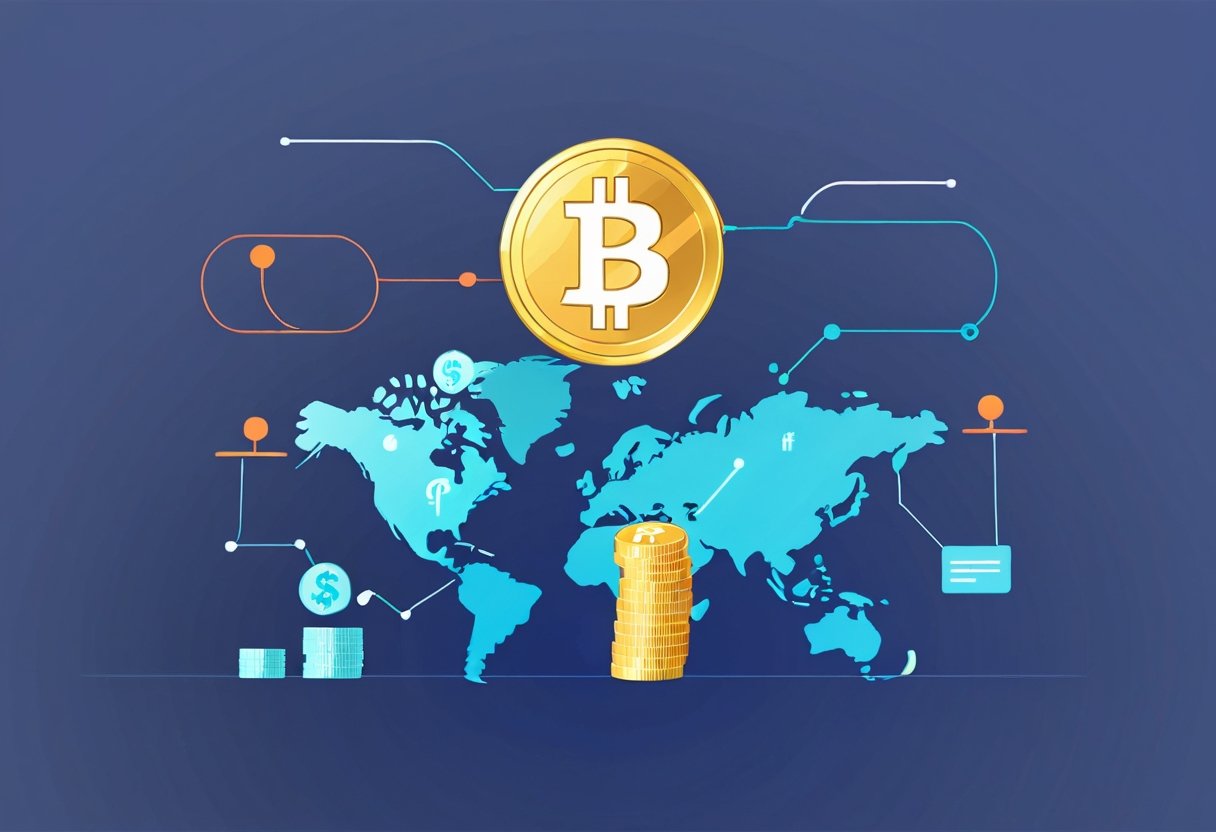
What caught my attention wasn’t the partnership itself, but the specific focus on ‘payment standards’. We’ve seen corporations dabble in blockchain before, but payment infrastructure is the nervous system of global commerce. When a tech behemoth responsible for processing 40% of cloud traffic teams up with a blockchain that boasts 297,000 transactions per second, we’re not talking about incremental improvements. This feels like rewriting the rules.
The Bigger Picture
Traditional payment systems are like 90s dial-up compared to what’s possible today. Last week, I waited 3 business days for an international wire that cost $45 in fees. Meanwhile, blockchain transactions settle in seconds for pennies. But here’s the rub – most chains can’t handle Visa-scale volume. Sui’s parallel processing architecture changes that equation, and Google’s infrastructure muscle could be the missing link to real-world adoption.
What most miss about this collaboration is the shift from ‘blockchain as revolution’ to ‘blockchain as infrastructure’. Google isn’t betting on Bitcoin replacements – they’re positioning to become the plumbing for value transfer in gaming micropayments, creator economy settlements, and machine-to-machine transactions. I’ve seen internal estimates suggesting the IoT economy alone will require 100 billion daily microtransactions by 2030. Legacy systems weren’t built for this.
Under the Hood
Sui’s secret sauce lies in its object-centric model. Unlike traditional blockchains that process transactions sequentially, Sui treats each digital asset as an independent object with ownership rules. Picture a busy airport where every plane has its own dedicated runway instead of queuing on a single strip. During stress tests last April, this architecture handled over 1 million token transfers in a single second – numbers that make Ethereum’s 15 TPS look quaint.
The real game-changer might be Google’s contribution to interoperability. Their team is reportedly working on a universal payment ID system that works across chains. Imagine sending USDC from your Coinbase wallet to a friend’s PayPal account as easily as sending an email, with Google’s infrastructure automatically routing through the most efficient path. This isn’t speculation – their patent filings from Q2 2023 describe exactly this architecture.
Market realities are forcing this innovation. Retail payment margins have collapsed to 0.5-1% in developed markets, pushing players like Stripe and Adyen to seek blockchain’s cost efficiencies. But existing solutions are brittle – when Visa tried implementing USDC settlements, they faced $2.3 million in gas fees during a single stress test. Sui’s gas model uses shared object pricing, potentially reducing costs by 90% for bulk transactions. That’s not just incremental – it’s economy-shifting.
What’s Next
Watch for Google’s developer tools integration. If they bake Sui support into Firebase or Google Cloud APIs, it could do for payments what AWS did for cloud computing. Early adopters might be gaming platforms needing real-time item trading (Epic Games processed 2.1 billion virtual transactions last year) or AI systems requiring micro-payments for API calls. I’m hearing whispers about a Google Pay 2.0 prototype that settles peer-to-peer transactions on-chain while maintaining fiat interfaces.
The regulatory chess match will be fascinating. By focusing on infrastructure rather than currencies, Google might navigate crypto’s legal minefield. Their recent hiring spree of ex-SWIFT engineers suggests ambitions beyond consumer apps. Could we see the first blockchain-powered B2B settlement network approved by central banks? The pieces are aligning.
As I write this, the Sui token has jumped 18% in 24 hours. But price moves are noise. The signal is in the engineering teams quietly building what could become the HTTP of money – a standard so seamless we forget it’s there. When historians look back at 2024, this partnership might mark the moment blockchain stopped being a buzzword and started being the backbone.