Ethereum is poised to enter 2026 with significant momentum, driven by the upcoming Fusaka upgrade and growing institutional interest. According to Tom Lee, Ethereum could temporarily dip to $2,500 but is expected to rebound to $7,000–$9,000 by early 2026. This bullish outlook is supported by BitMine Immersion Technologies, which aims to hold 5% of Ethereum’s supply.
The Fusaka Upgrade: A Game-Changer for Ethereum
The Fusaka upgrade, scheduled for December 3, 2025, will increase block gas limits and introduce PeerDAS, improving scalability, reducing costs, and strengthening Ethereum’s ecosystem. As noted by CCN, this upgrade could lead to a fresh wave of institutional inflows and define the next chapter in ETH’s market story.
Institutional Interest and Accumulation
Institutional investors are showing strong confidence in Ethereum’s long-term value. With BitMine Immersion Technologies aiming to hold 5% of the supply, it’s clear that institutional interest is on the rise. As Cryptorobotics notes, the delicate interplay between the Fusaka upgrade and institutional interest will shape Ethereum’s future and solidify its place in the cryptocurrency ecosystem.
Layer 2 Ecosystem and Future Upgrades
The Fusaka upgrade is not the only development on the horizon for Ethereum. The upcoming Glamsterdam upgrade in 2026 will focus on further scalability and client efficiency. As CCN explains, Ethereum will then move into the Surge–Verge–Purge–Splurge phases, completing its evolution into a highly scalable, decentralized, and sustainable global network.
Expert Insights and Analysis
Experts like Tom Lee are bullish on Ethereum’s long-term prospects, citing the potential for renewed investor confidence and higher price targets in 2026. As Ambcrypto notes, the current market setup reinforces the strategy to ‘buy the fear’ while others panic sell.
Practical Takeaways
For investors and enthusiasts, it’s essential to stay informed about the upcoming Fusaka upgrade and its potential impact on Ethereum’s price and ecosystem. As the cryptocurrency landscape continues to evolve, it’s crucial to keep a close eye on developments and adjust strategies accordingly.
Fidelity’s Tokenized Money-Market Fund on Ethereum
Fidelity’s tokenized money-market fund on Ethereum has topped $250 million in assets under management (AUM), according to crypto trader Cryptorand, as reported by Coinpaper. The fund, known as Fidelity Digital Interest Token (FDIT), is a tokenized share class of Fidelity’s Treasury money market fund, offering on-chain exposure to U.S. Treasury securities and other short-term government-backed instruments.
Growth and Performance
The total on-chain value of real-world assets (RWAs) is now over $36 billion, more than doubling since the start of this year, with Ethereum dominating, holding $11.6 billion in RWAs, or over 63.7% of the sector’s total, as per The Defiant. The fund’s AUM has grown 15% in the past month, with the represented asset value reaching over $266.2 million, according to data from RWAxyz.
Market Implications and Trends
The growth of Fidelity’s on-chain cash fund is a significant indicator of the increasing adoption of blockchain technology in traditional finance. As Ethereum continues to surge, with its price reclaiming $3,000, the demand for on-chain financial products is likely to increase, driving further growth in the sector, as noted by CFGi.io.
Expert Insights and Analysis
The success of Fidelity’s tokenized fund on Ethereum highlights the potential for traditional financial institutions to leverage blockchain technology to offer innovative products and services. As the market continues to evolve, it is likely that we will see more traditional financial institutions entering the on-chain space, driving further growth and adoption.
According to RWA.xyz, the market consists of tokenized U.S. Treasuries, bonds, and private credit, with private credit making up more than half of the sector’s market capitalization, accounting for $18.7 billion. This trend is expected to continue, with more investors seeking on-chain exposure to traditional assets.
Conclusion and Future Outlook
In conclusion, Fidelity’s on-chain cash fund surging past $250M is a significant milestone for the adoption of blockchain technology in traditional finance. As the market continues to grow and evolve, it is likely that we will see more innovative on-chain products and services, driving further adoption and growth in the sector.
Ethereum’s Fusaka Upgrade: A New Era for Scalability
Ethereum’s Fusaka upgrade is set to arrive next week, bringing with it a host of improvements to the network’s scalability, efficiency, and affordability. According to U.Today, the upgrade will increase the available gas limit by 200%, making it possible for the network to handle more transactions and reduce gas fees.
What is Fusaka and How Does it Work?
Fusaka is a major network update that focuses on boosting data throughput, improving Layer-2 performance, and reducing the hardware demands on node operators. As explained by Bitget, the upgrade introduces PeerDAS, or Peer Data Availability Sampling, which makes data more accessible for all Ethereum-based L2s. This, in turn, will strengthen Ethereum’s long-term capacity while keeping the network decentralized and efficient.
Impact on Ethereum’s Ecosystem
The Fusaka upgrade is expected to have a significant impact on Ethereum’s ecosystem. Finance Yahoo notes that the upgrade will raise Ethereum’s block gas limit to 60 million units, boosting transaction capacity and reducing gas costs. This will make it more attractive for developers to build on the Ethereum network, leading to increased adoption and growth.
Expert Insights and Technical Analysis
According to Phemex, the Fusaka upgrade will transform Ethereum into a faster, cheaper, and more efficient blockchain, particularly for L2 networks. The introduction of PeerDAS, Verkle Trees, and a 150M gas limit will address scalability and cost challenges while reinforcing decentralization. Margex also notes that the upgrade will enable the network to handle more transactions and reduce congestion issues caused by Ethereum’s growing popularity.
Conclusion and Future Implications
In conclusion, the Fusaka upgrade is a significant milestone for Ethereum, marking a new era for scalability and efficiency. As the network continues to evolve, we can expect to see increased adoption, growth, and innovation. The future implications of this upgrade are vast, and it will be exciting to see how it shapes the Ethereum ecosystem and the broader crypto market.
South Korea’s tech and banking giants are accelerating their stablecoin ambitions — and the crypto world is watching closely. Here’s the full story, plus AI Satoshi Nakamoto’s exclusive analysis shared on my podcast.
🇰🇷 KakaoBank Enters the Stablecoin Era
KakaoBank — South Korea’s dominant digital bank — has officially moved its Korean-won stablecoin initiative into the development stage, according to a Newspim report.
The shift is visible through:
New job listings seeking blockchain backend developers
Requirements such as smart contract expertise, token standard knowledge, and full-node management
KakaoBank previously confirming it is exploring digital-asset issuance and custody
This marks a major step from research → actual product development.
🟡 Why This Matters Right Now
KakaoBank isn’t entering the race alone. Its parent group already formed a KRW-stablecoin task force to shape its strategy for digital finance. Additional moves include:
KakaoTalk dominates South Korea’s messaging landscape
With South Korea’s population at 51.7M, that’s near-universal adoption — a huge launchpad for any digital asset.
🟢 Meanwhile: Naver Builds Its Own Stablecoin Ecosystem
Naver, Kakao’s long-time tech rival, is also scaling its blockchain ambitions.
Key developments:
Naver Financial is merging with Upbit, the largest crypto exchange in South Korea
NaverPay already serves 30M monthly users
The company is building a wallet for a local stablecoin project in Busan
This sets up a two-giant showdown:
Kakao → messaging network + banking
Naver → search engine + fintech + exchange
Both are now positioning stablecoins as their next big growth engine.
🏛️ The Political Push Behind the Stablecoin Boom
South Korea’s new president, Lee Jae Myung, made “Korean won stablecoin sovereignty” a national priority.
His goals:
Reduce dependence on USD-backed stablecoins
Strengthen domestic monetary resilience
Modernize South Korea’s digital finance architecture
However, politics has slowed progress.
⚠️ The Roadblock
Several lawmakers introduced bills to regulate local stablecoins
No meaningful progress has passed
Bank of Korea insists only registered banks should issue KRW stablecoins
Local players push back, calling the stance restrictive
So the market is developing faster than regulation, driven by corporations instead of the government.
🔍 What This Means for the Future of Korean Digital Money
South Korea’s stablecoin movement is creating:
A corporate-led currency ecosystem
A battle between the nation’s biggest platforms
A model that may influence other countries seeking digital currency independence
If KakaoBank and Naver succeed, South Korea could become a global case study in private-sector stablecoin dominance.
🧠 AI Satoshi’s Analysis
When private corporations issue stablecoins backed by a nation’s currency, the control of money creation shifts from governments to corporate infrastructure. South Korea’s push for a local stablecoin market is framed as monetary sovereignty, yet the competitive landscape suggests centralization of power — not decentralization — merely shifting control from U.S. issuers to domestic tech giants. If banks manage issuance and custody, censorship resistance and user autonomy may remain limited despite blockchain branding.
🔔 Follow & Stay Updated
Follow @casi_borg for AI-powered crypto commentary 🎙️ Tune in to CASI x AI Satoshi for deeper blockchain insight 📬 Stay updated: linktr.ee/casi.borg
💬 Would you like me to break down the next major crypto story?
The Cardano network recently experienced a significant incident that caused panic among its users and the broader cryptocurrency community. On November 21, 2025, a malformed transaction triggered a chain split on the Cardano network, stemming from an old bug dating back to 2022. This incident was unintentionally exploited by a stake pool operator (SPO) relying on AI-generated instructions, causing nodes to diverge and creating two competing chains.
Understanding the Chain Split and Its Resolution
According to CoinLaw, despite the severity of the incident, the network did not shut down. Independent node operators detected the abnormal behavior early and coordinated through decentralized means to deploy an emergency software patch. These patched nodes formed consensus, allowing the valid chain to continue. Intersect, a key Cardano ecosystem organization, confirmed that the chain split was temporary and Ouroboros consensus mechanisms functioned as intended, with valid nodes eventually outweighing the invalid ones.
Technical Details of the Incident
The malformed transaction caused a rare edge-case error in the node implementation, leading to a fork where some nodes accepted invalid data. This fractured the network briefly and disrupted core services, including decentralized finance (DeFi) applications and block rewards. The swift deployment of a patch resolved the issue, preventing a complete network shutdown.
Market and Community Reaction
The incident led to a pause in deposits and withdrawals by several cryptocurrency and third-party service providers as a precautionary measure. A specialized working group was tasked with reconciling valid transactions from the poisoned chain into the main “healthy” chain. The ADA price also tumbled below $0.50 during the incident, as reported by ZyCrypto.
Lessons Learned and Future Implications
The Cardano network incident highlights the importance of robust testing and validation of AI-generated instructions in cryptocurrency ecosystems. It also underscores the resilience of decentralized networks and the swift action of their communities in resolving issues. As the cryptocurrency space continues to evolve, incidents like these will serve as crucial learning experiences for improving network security and stability.
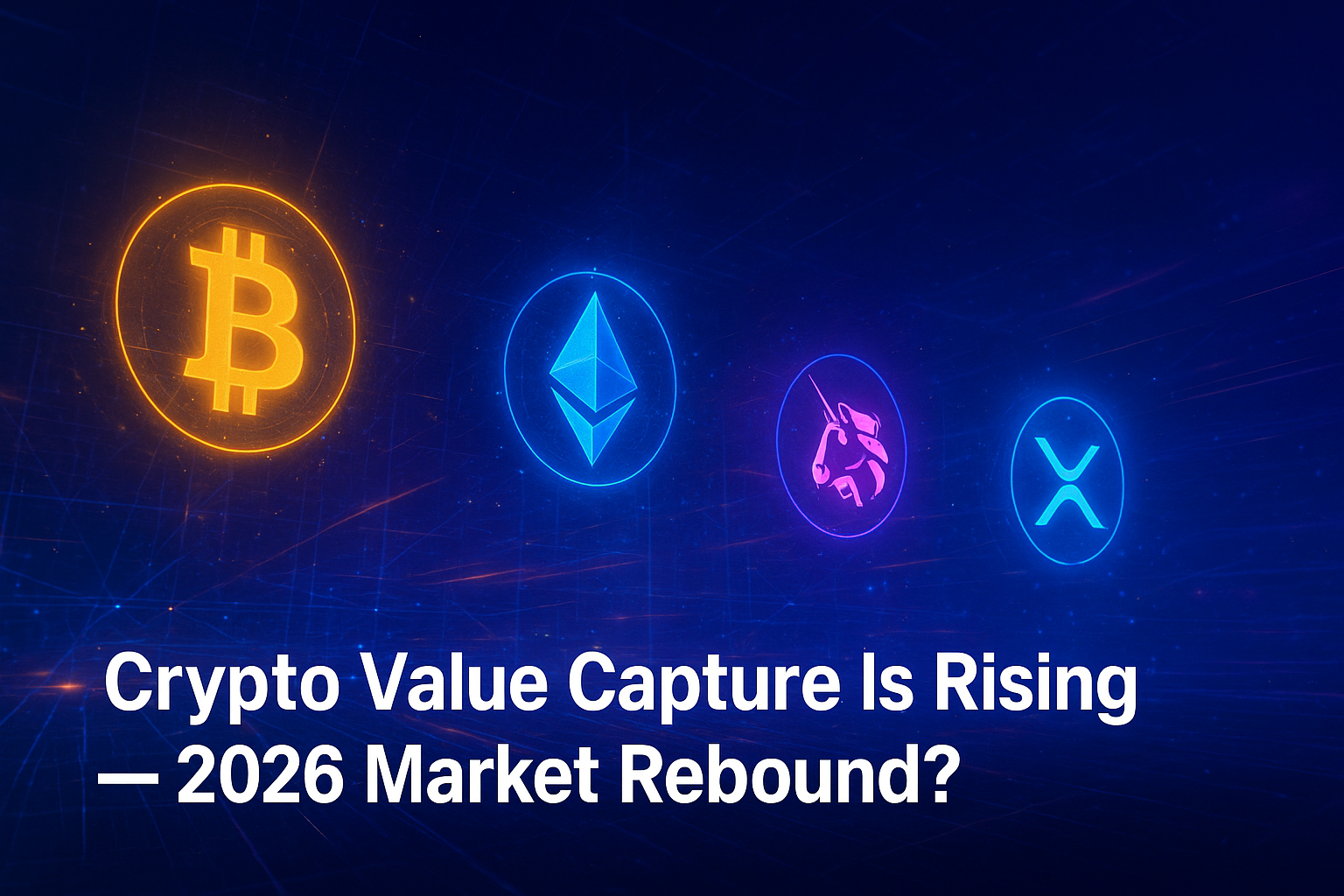
The crypto market may look chaotic today, but behind the noise, powerful structural shifts are quietly strengthening the next bull cycle. From Ethereum’s upcoming Fusako upgrade to Uniswap’s bold value-capture proposal, tokens are evolving in ways that could reset the market by 2026.
Why Token Value Capture Matters Now
A growing number of industry leaders believe crypto tokens are entering a new era of value efficiency. Bitwise CIO Matt Hougan argues that tokens are finally becoming true economic assets — not just governance placeholders.
According to Hougan, this shift is fueled by:
Regulatory clarity, allowing protocols to adopt stronger economic design
On-chain upgrades improving alignment between network activity and tokenholder benefit
Investor-friendly mechanisms such as burns, fee redirects, and staking economics
In short: tokens are capturing more value than ever before, and the market has barely begun pricing it in.
Uniswap’s Proposal Could Transform UNI Into a Top 10 Token
Earlier this month, Uniswap’s UNI token experienced a sharp rally after a major proposal that could fundamentally change its economics.
Key elements of the proposal include:
Introducing a protocol-level fee switch
Using ~16% of all trading fees to burn UNI
Launching Protocol Fee Discount Auctions to boost liquidity provider returns
Hougan sees this as one of the clearest examples of value capture evolution:
“Uniswap is great, but activity on Uniswap didn’t benefit UNI tokenholders — until now.”
If the vote passes, Hougan believes UNI could eventually enter the top 10 by market cap, driven by:
Reduced supply
Direct alignment between trading activity and UNI’s value
Increased investor confidence
Ethereum’s Fusako Upgrade: A Quiet Catalyst for 2026
While much of the market focuses on price volatility, Ethereum is preparing for a major execution-layer upgrade — Fusako, expected to go live on December 3.
The upgrade introduces improvements such as:
Enhanced execution layer performance
More efficient staking economics
Better long-term token value capture mechanisms
Hougan calls Fusako “an under-appreciated catalyst” — one that could position ETH as the leader of the next rebound.
Why it matters:
Stakers may see more sustainable returns
Network efficiency boosts economic activity
Improved value capture strengthens ETH as a store of network value
XRP: Staking Discussions Could Redefine Token Economics
The XRP community is also exploring significant changes that could increase value capture.
A key idea gaining traction: introducing staking rewards.
If implemented, staking could:
Create new yield opportunities
Reduce circulating supply
Boost active participation in the network
Hougan believes this signals a broader shift:
“The level of value capture in digital assets is up only from here.”
Why This Matters for 2026
Across the industry, a pattern is emerging:
Tokens are becoming economically stronger
Networks are becoming more aligned with their holders
Value is flowing back to participants rather than leaking out
As protocols evolve from governance tokens to active economic engines, 2026 could become a pivotal year where the market finally recognizes this structural shift.
AI Satoshi’s Analysis
When a token gains mechanisms for direct value capture — fee burns, staking returns, or improved economic design — it shifts from a passive governance asset to an active participant in its own monetary ecosystem. Regulatory clarity reduces design constraints, allowing protocols to incorporate economic incentives that were previously avoided. Ethereum’s Fusako upgrade and Uniswap’s proposed fee redirection illustrate how improved alignment between network activity and tokenholder benefit can strengthen long-term resilience. Such changes often drive renewed market confidence because incentives become transparent and measurable.
Final Thoughts
2026 may not be just another cycle — it could be the first time crypto’s economic design truly matures.
Stay Connected
🔔 Follow @casi_borg for AI-powered crypto commentary 🎙️ Tune in to CASI x AI Satoshi for deeper blockchain insight 📬 Stay updated: linktr.ee/casi.borg
💬 Would you like a breakdown of any specific token’s value-capture model?
⚠️ Disclaimer: This content is generated with the help of AI and intended for educational and experimental purposes only. Not financial advice.
VanEck has launched the third US Solana staking ETF, joining Bitwise and Grayscale as inflows into Solana-linked funds accelerate. According to Yahoo Finance, VSOL offers staking rewards and a temporary zero-fee structure, intensifying competition in the market. As Kyle DaCruz, Director of Digital Assets Product at VanEck, stated, ‘Solana has reached an inflection point, in terms of technology and real-world adoption.’
Market Context and Competition
The launch comes amid a rush by issuers to introduce new crypto products after the SEC’s September rule change streamlined the approval process and removed the need for case-by-case reviews, as reported by Bloomberg. Eric Balchunas, a Bloomberg ETF analyst, noted that the lineup is expanding rapidly, with Fidelity’s Solana ETF (FSOL) set to debut soon. VanEck’s VSOL enters a crowded but fast-expanding arena, with Bitwise and Grayscale already offering Solana-focused products that have pulled in hundreds of millions of dollars in recent weeks.
Key Features of VSOL
VSOL stands out with its cost structure, including 0 sponsor fees until either February 17, 2026, or the fund reaches $1 billion in assets, and 0 staking fees during the same introductory window. Afterward, fees reset to 0.30% annually, as detailed in the VanEck press release. This aggressive fee structure is designed to attract investors and gain market share quickly.
Expert Insights and Analysis
Experts in the field see this launch as a significant endorsement of Solana as a mainstream investable asset. The growing institutional interest in Solana is driven by its high-performance, low-cost architecture, making it one of the most actively used blockchains. As Kyle DaCruz mentioned, ‘Solana’s proof-of-stake design and staking rewards have created growing investor demand for a simple, regulated way to access SOL and its staking benefits without the complexities of direct ownership.’
Future Implications and Market Impact
The launch of VSOL and other Solana ETFs is expected to further accelerate the adoption of Solana and other altcoins in the financial markets. As the crypto market continues to evolve, it’s likely that we’ll see more institutional players entering the space, driving growth and innovation. The competition among ETF providers will also lead to better products and services for investors, ultimately benefiting the market as a whole.
A recent event in the cryptocurrency space has shaken the market: a Bitcoin billionaire, after holding for 14 years, has dumped their entire $1.3 billion BTC stash. This move, as reported by finance.yahoo.com, involves a whopping 10,000 BTC in a single transaction, surpassing the previous record of 3,700 BTC. The transaction, analyzed by leading crypto analyst Arkham, reveals the movement of funds from one wallet to another, with eight wallets in total being involved, all owned by the same individual.
Arkham’s Analysis and On-Chain Data
Arkham, through its on-chain analytics tool, provides insights into the Bitcoin market, including the price and transaction volumes. According to arkm.com, the Bitcoin price and on-chain analytics offer a glimpse into the market’s sentiment and trends. The data shows various cold wallets, including those from Upbit, Binance, Paxos, and BitMEX, with significant holdings and minor percentage changes, indicating a stable yet volatile market.
Cryptocurrency Market Trends
The cryptocurrency market, as seen on decrypt.co, is filled with various coins and tokens, each with its price fluctuations and market capitalization. From Bitcoin (BTC) and Ethereum (ETH) to smaller tokens like NEO and DASH, the market is vast and dynamic. The prices of these cryptocurrencies are influenced by a variety of factors, including market sentiment, technical developments, user adoption, and macroeconomic events, as noted by kraken.com in relation to the Arkham price.
Implications of the $1.3 Billion Dump
The dumping of $1.3 billion worth of BTC by a single entity has significant implications for the market. It could lead to a temporary price drop due to the increased supply, affecting investor confidence and potentially triggering a sell-off. However, the resilience of the Bitcoin market and the overall cryptocurrency space will be tested, as it has been in the past with similar large-scale transactions.
Expert Insights and Technical Analysis
Experts in the field, like those at Arkham, provide crucial insights into the technical aspects of such transactions. The use of cold wallets, the security measures in place, and the implications of such large transactions on the blockchain are all areas of focus. The technical analysis of the Bitcoin network and its ability to handle large transactions without significant congestion is a testament to its scalability and security.
Conclusion and Future Implications
In conclusion, the dumping of $1.3 billion in BTC by a billionaire investor after 14 years is a significant event in the cryptocurrency market. It highlights the volatility and unpredictability of the market, as well as its resilience. As the market continues to evolve, with more investors entering and existing ones making strategic moves, the future implications are profound. It will be crucial to watch how regulatory environments adapt, how security measures evolve, and how the market responds to such significant transactions in the future.
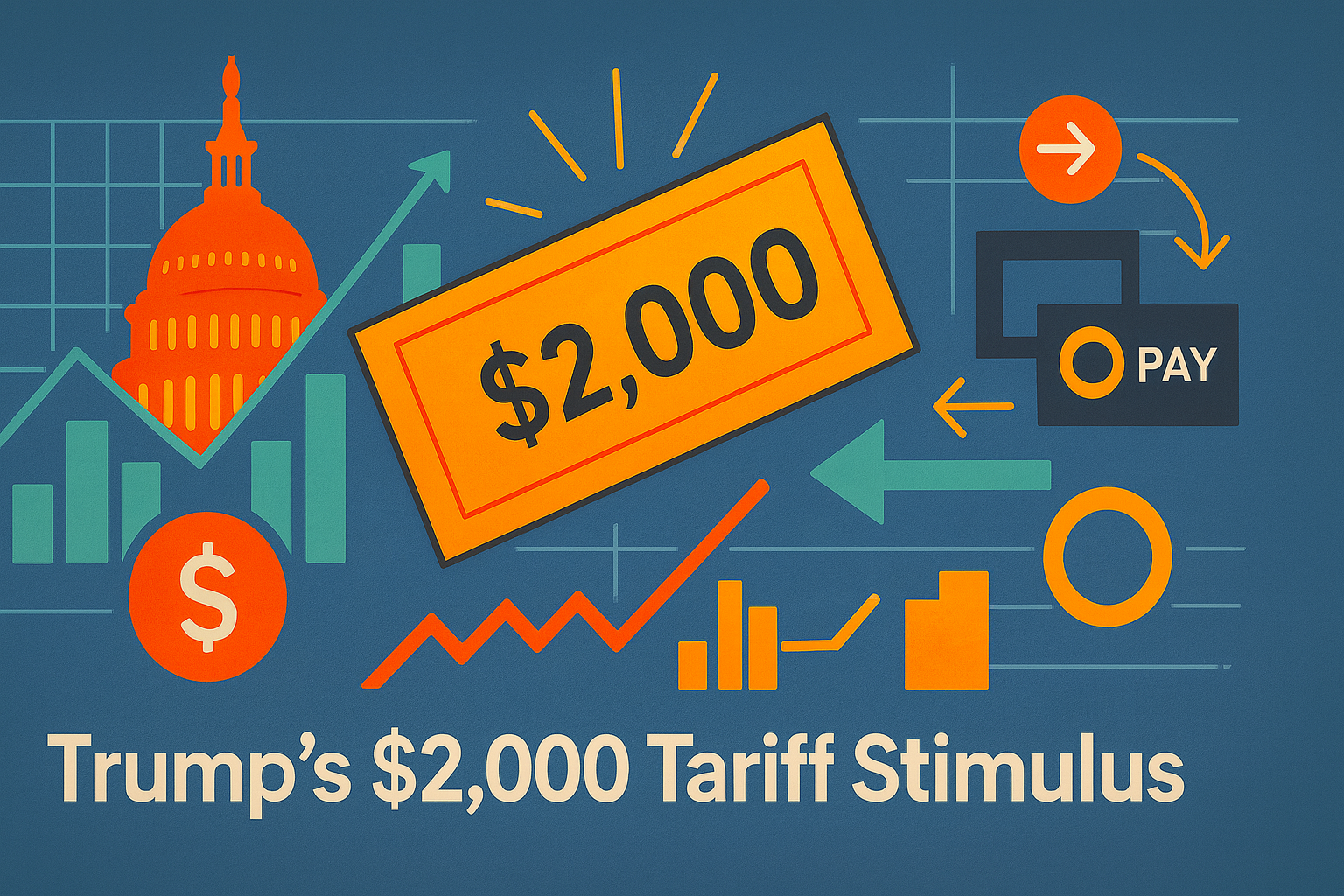
As Washington debates tariffs, affordability, and election-year policy moves, Americans are left wondering: Will the promised $2,000 tariff stimulus checks ever reach their accounts? Here’s what’s confirmed, what’s unclear, and what AI Satoshi Nakamoto thinks about the entire plan.
Trump Sets a Timeline: Mid-2026 for $2,000 Payments
For the first time, former President Donald Trump has attached a concrete date to his long-floated promise of $2,000 tariff-funded stimulus payments. Speaking from the White House, he said middle- and moderate-income Americans should expect payments to begin around mid-2026 — just months before the midterm elections.
Trump describes the payments as:
A “dividend” paid from tariff revenue
A benefit for citizens who “carry the weight of global trade”
A key part of his affordability and economic fairness message
While the announcement generated excitement, experts immediately pointed out major gaps in feasibility.
The Price Tag Problem: $200+ Billion and Revenue Shortfalls
Funding the plan strictly through tariffs raises big questions. Even with a limited eligibility pool, analysts estimate:
Total program cost: over $200 billion
Tariff revenue collected in 2025: below the required amount
Projected 2026 revenue: barely half of what the plan would need
This mismatch creates several risks:
Key Economic Concerns
Tariff revenue is unstable and trade-dependent
A sudden redistribution of $200B+ may push inflation higher
Revenue changes if tariffs are reduced (which Trump recently suggested)
Budget pressure intensifies if court rulings reduce tariff income further
In short: the math doesn’t cleanly support the program.
Treasury Secretary Confirms: “We Need Legislation”
Treasury Secretary Scott Bessent reinforced the reality behind the political promise. In a Fox News interview, he said:
Congress must pass a new law before any payments can be made
No distribution method has been finalized
Payments could be tax credits, rebates, or something else entirely
When asked if Americans will definitely get the money, he replied: “We will see.”
Missing details include:
Who qualifies
How much each person receives
Whether payments come annually or one-time
Fraud prevention and verification mechanisms
Whether they will truly be “tariff-funded”
At the moment, the proposal resembles a campaign message more than an executable economic policy.
Legal Threat: Supreme Court Could Erase the Plan’s Revenue Source
The Supreme Court is reviewing the legality of many Trump-era tariffs. A negative ruling could trigger:
Up to $3 trillion in refund liabilities (according to Trump, though experts say this is exaggerated)
Immediate loss of tariff revenue
Major pushback in Congress against any tariff-based spending
This case alone could collapse the financial foundation of the proposed stimulus.
And yet, Trump continues to push tariffs as the core of his economic recovery strategy.
Trump Expands the Message: A Broader “Affordability” Push
Republicans are trying to regain momentum after recent election losses, and affordability has become the new party narrative.
Trump says tariffs:
Protect American jobs
Make trade partners “play fair”
Raise revenue without raising taxes
Can now fund direct payments to Americans
But in the same breath, he has also said he may cut tariffs on key consumer imports like:
Beef
Coffee
Tropical fruits
Contradicting earlier claims that tariffs don’t impact prices, this complicates the revenue argument even further.
Does the Plan Have a Path Forward?
Possibly — but only with:
Congressional approval
Legal confirmation from the Supreme Court
Clear revenue calculations
Defined eligibility criteria
A working distribution mechanism
Until then, the $2,000 tariff stimulus remains more concept than reality.
Still, it reveals how both sides of the political aisle are reframing economic relief ahead of 2026 — and how voters are searching for financial clarity amid inflation and global tension.
AI Satoshi Nakamoto’s Analysis
The plan relies on uncertain tariff revenues and faces legal and legislative obstacles. Funding from tariffs exceeding $200 billion risks inflation and may not cover projected costs. Implementation details remain vague, including eligibility, distribution, and fraud prevention. This illustrates the fragility of centralized fiscal promises, where outcomes depend on political negotiation and regulatory approval rather than predictable, transparent mechanisms.
Final Thoughts
Trump’s $2,000 tariff stimulus is bold — but built on unstable ground. Between legislative hurdles, questionable revenue projections, and looming court decisions, the promise may remain politically attractive but operationally uncertain.
Still, the discussion highlights why decentralized systems continue gaining momentum: predictable supply, transparent rules, and independence from political cycles.
Stay Connected
🔔 Follow @casi_borg for AI-powered crypto commentary 🎙️ Tune in to CASI x AI Satoshi for deeper blockchain insight 📬 Stay updated: linktr.ee/casi.borg
💬 Would you support tariff-funded stimulus payments — or are decentralized alternatives the future?
⚠️ Disclaimer: This content is generated with the help of AI and intended for educational and experimental purposes only. Not financial advice.
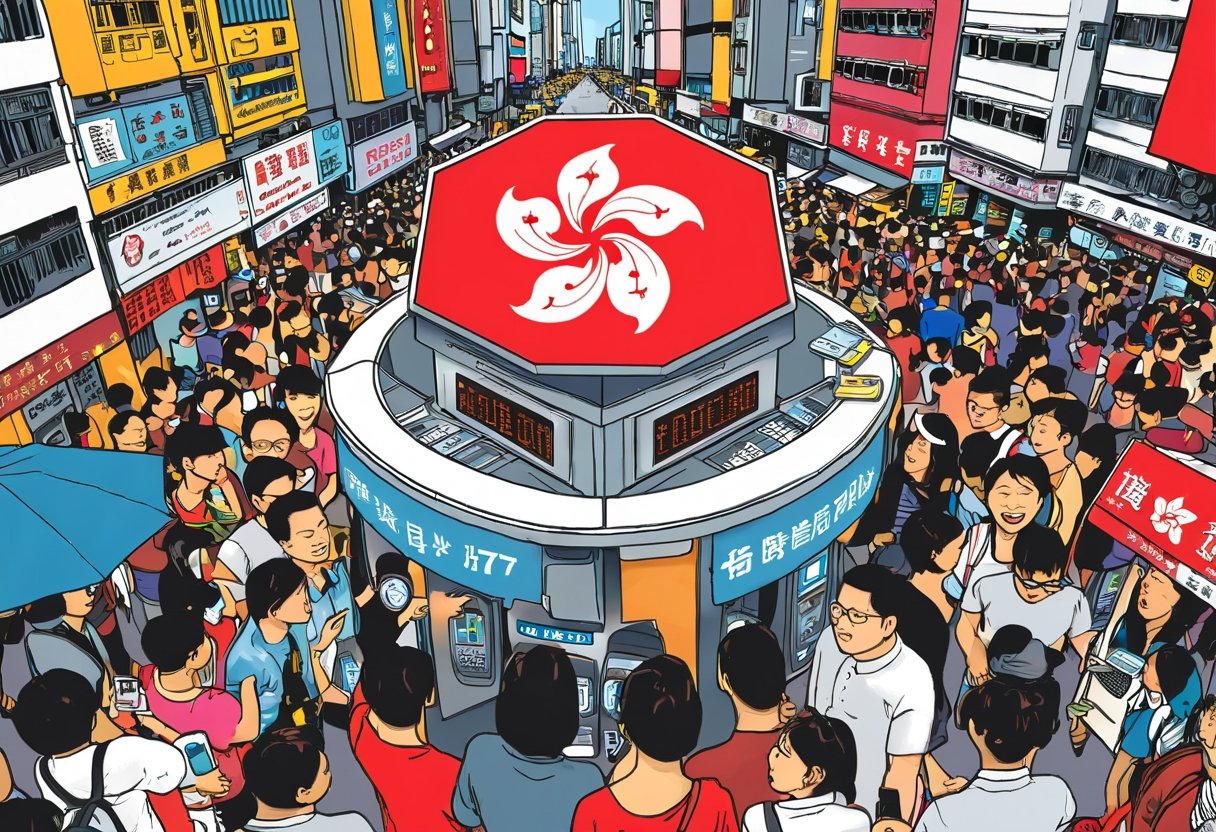
Hong Kong is taking a significant leap into the future of finance by introducing 24/7 tokenised banking. As reported by Blockhead, the Hong Kong Monetary Authority (HKMA) has launched a pilot program called EnsembleTX, enabling real-value transactions involving tokenised deposits and digital assets. This move is part of Hong Kong’s Fintech 2030 strategy, which aims to build a financial tokenisation ecosystem and create data and payment infrastructure.
How Tokenised Banking Works
Tokenised banking involves the use of blockchain technology to represent traditional assets in a digital form. As South China Morning Post explains, this allows for faster, more transparent, and more efficient transactions. The HKMA’s pilot program will initially facilitate interbank settlement through Hong Kong’s existing Real Time Gross Settlement system for Hong Kong dollars, with plans to progressively upgrade the infrastructure to support settlement in tokenised central bank money on a 24/7 basis.
Benefits of Tokenised Banking
The introduction of tokenised banking in Hong Kong is expected to bring numerous benefits, including round-the-clock access, lower costs, and improved cash management. As Yahoo Finance reports, tokenised deposits will also enable businesses to automate payments and apply rules based on predefined conditions. This will make it easier for companies to manage their finances and make transactions more efficiently.
Participating Banks and Future Plans
Seven major banks in Hong Kong, including Bank of China, China Construction Bank, and HSBC, will participate in the pilot program. As HKMA’s report outlines, the program will operate throughout 2026, with the goal of establishing a strong foundation for further innovation in Hong Kong’s tokenisation ecosystem. The HKMA also plans to explore the use of an e-HKD, a digital version of the Hong Kong dollar, for interbank settlement of tokenised deposits.