Tag: Blockchain

  • Ethereum’s Loss, Sui’s Gain: What ‘Eve Frontier’ Jumps Ship Reveals

    Ethereum’s Loss, Sui’s Gain: What ‘Eve Frontier’ Jumps Ship Reveals

    Imagine a world where tech giants like ‘Eve Frontier’ suddenly decide to abandon ship and join a new platform. Sounds like science fiction, right? However, this is exactly what happened when ‘Eve Frontier’ jumped from Ethereum to Sui. But why did they make this drastic move, and what does it mean for the future of blockchain technology?

    The answer lies in the numbers. Sui, a relatively new player in the blockchain space, has been gaining traction rapidly. Its innovative architecture and user-friendly interface have captivated many, including ‘Eve Frontier.’ By making the switch, ‘Eve Frontier’ is essentially signaling that it believes in Sui’s potential more than Ethereum’s.

    But what’s fascinating is that this move is not just about ‘Eve Frontier’ or Sui. It’s a symptom of a larger trend. The blockchain ecosystem is evolving at an unprecedented pace, with new platforms and technologies emerging every day. As a result, the old guard is struggling to keep up, and ‘Eve Frontier’ is just the tip of the iceberg.

    The Bigger Picture

    So, what exactly does this mean for the future of blockchain technology? In short, it means that the landscape is about to change dramatically. New players like Sui are poised to disrupt the status quo, and those who adapt quickly will be the ones to reap the rewards.

    The implications are profound. As ‘Eve Frontier’ and other major players make the switch, Ethereum’s dominance will start to wane. Sui, on the other hand, will continue to grow in popularity, attracting more developers, users, and investment. It’s a classic case of the David vs. Goliath story, where the underdog emerges victorious.

    Under the Hood

    But what’s driving this trend? The answer lies in Sui’s innovative architecture. Unlike Ethereum, which relies on a complex and slow transaction process, Sui uses a novel consensus algorithm that enables faster and more secure transactions. This, combined with its user-friendly interface, makes it an attractive option for developers and users alike.

    Furthermore, Sui’s focus on scalability and usability has enabled it to achieve remarkable milestones. Its recent partnership with top-tier companies has further solidified its position as a leader in the blockchain space.

    However, the real question remains: can Sui sustain its momentum? As Ethereum’s grip on the market begins to loosen, Sui will face increasing competition from other players. But with its innovative architecture and growing community, it’s clear that Sui is well-equipped to take on the challenge.

    Market Reality

    So, what does this mean for investors and users? Simply put, it means that the landscape is about to change dramatically. Those who adapt quickly will be the ones to reap the rewards, while those who stick to the old guard will be left behind.

    The numbers are already telling a story. Sui’s growth has been nothing short of meteoric, with its user base expanding exponentially. In contrast, Ethereum’s dominance is slowly waning, with many of its top-tier users making the switch to Sui.

    What’s Next

    As the dust settles on the Sui-Ethereum saga, one thing is clear: the future of blockchain technology is bright. With new players emerging every day, the competition will only get fiercer. But for those who adapt quickly, the rewards will be substantial.

    So, what’s your take on the Sui-Ethereum saga? Share your thoughts in the comments below!

    Final Thoughts

    In conclusion, the ‘Eve Frontier’ jumps ship to Sui is a watershed moment in the history of blockchain technology. It marks the beginning of a new era, where new players like Sui will disrupt the status quo and those who adapt quickly will reap the rewards. As the landscape continues to evolve, one thing is clear: the future is bright, and it’s full of possibilities.

  • The Unseen Convergence: Ethereum at a Tipping Point

    The Unseen Convergence: Ethereum at a Tipping Point

    The Unseen Convergence: Ethereum at a Tipping Point

    The world of cryptocurrency and blockchain technology is abuzz with the recent Ethereum at a Tipping Point: How Likely Is a Sub-$4,000 Slide? article. As someone who has been following the space, I believe this development has far-reaching implications for the industry and its stakeholders.The Ethereum network, as we know it, has been a cornerstone of the cryptocurrency ecosystem. Its decentralized architecture, smart contracts, and high adoption rate have made it an attractive choice for developers and users alike. However, the current market trends and the potential risks associated with the Ethereum network have led to increased speculation about its future prospects.As I delved deeper into the article, I realized that the Ethereum at a Tipping Point scenario is not just about the price fluctuations but also about the technical and regulatory challenges that lie ahead. The article highlights the concerns of industry experts, who believe that Ethereum’s current trajectory may lead to a significant decline in its price.

    Why This Matters

    The Ethereum at a Tipping Point scenario has significant implications for the broader cryptocurrency market. A decline in Ethereum’s price could have a ripple effect on other cryptocurrencies, leading to increased volatility and market uncertainty. Moreover, the technical and regulatory challenges associated with Ethereum’s current architecture may lead to a re-evaluation of its underlying design.The Bigger PictureIn my opinion, the Ethereum at a Tipping Point scenario is a wake-up call for the industry to reassess its priorities and strategies. It’s an opportunity for developers, investors, and regulators to come together and create a more robust and sustainable cryptocurrency ecosystem.

    Technical Deep Dive

    The technical architecture of the Ethereum network is a complex and intricate system that requires careful consideration. The recent developments in the space highlight the need for a more decentralized and secure architecture that can withstand the increasing demands of the market.Under the HoodThe article highlights the technical challenges associated with Ethereum’s current architecture. It discusses the potential risks associated with the network’s scalability, security, and usability. The technical deep dive provides valuable insights into the underlying design of the Ethereum network and its potential limitations.Market RealityThe market reality of the Ethereum at a Tipping Point scenario is complex and multifaceted. The article provides a balanced view of the industry’s concerns, highlighting the potential risks and opportunities associated with Ethereum’s current trajectory.What’s NextIn conclusion, the Ethereum at a Tipping Point scenario is a significant development that has far-reaching implications for the industry and its stakeholders. As we move forward, it’s essential to reassess our priorities and strategies to create a more robust and sustainable cryptocurrency ecosystem.The Unseen ConvergenceThe Ethereum at a Tipping Point scenario is not just about the technical and regulatory challenges associated with the Ethereum network but also about the broader industry trends and developments. It’s an opportunity for the industry to come together and create a more decentralized, secure, and user-friendly cryptocurrency ecosystem.

    Final Thoughts

    In my opinion, the Ethereum at a Tipping Point scenario is a wake-up call for the industry to reassess its priorities and strategies. It’s an opportunity for developers, investors, and regulators to come together and create a more robust and sustainable cryptocurrency ecosystem.The Unseen Convergence: Ethereum at a Tipping Point is a significant development that has far-reaching implications for the industry and its stakeholders. As we move forward, it’s essential to reassess our priorities and strategies to create a more decentralized, secure, and user-friendly cryptocurrency ecosystem.Follow-up Analysis: The Ethereum at a Tipping Point scenario is a complex and multifaceted issue that requires careful consideration. In the coming weeks and months, I will be following up with additional analysis and insights on this topic. Stay tuned for more updates and perspectives on the Ethereum at a Tipping Point scenario.

  • Ethereum Reclaims $4,000: What This Means for the Future

    Ethereum Reclaims $4,000: What This Means for the Future

    Ethereum Reclaims $4,000: What This Means for the Future

    The past few weeks have been a whirlwind for Ethereum enthusiasts, with the cryptocurrency rallying an impressive 8% to reclaim the $4,000 mark. But what does this mean for the future of Ethereum, and the broader cryptocurrency market? In this article, we’ll dive into the technical and market implications of this significant price shift.

    The Story Unfolds

    It all started with a series of announcements from key industry players, including the Ethereum Foundation and several prominent DeFi protocols. These announcements hinted at significant upgrades and improvements to the Ethereum network, which sent shockwaves through the market.

    The market responded by sending Ethereum’s price soaring, as investors and traders alike scrambled to get in on the action. But what drove this price surge? Was it the fundamental value of Ethereum, or something else entirely?

    One possible explanation lies in the growing adoption of Ethereum-based projects. With the likes of DeFi, NFTs, and gaming protocols gaining traction, Ethereum’s utility and versatility are becoming increasingly clear. As more and more users and developers turn to Ethereum, its price is likely to follow suit.

    Why This Matters

    So why does Ethereum’s price shift matter? For one, it signals a growing recognition of the cryptocurrency’s value and potential. As more and more mainstream investors and institutions take notice, we can expect to see increased adoption and demand for Ethereum-based projects.

    But there’s a catch: this price surge also raises important questions about the broader market. Will Ethereum continue to outperform traditional assets, or will it eventually succumb to the same market forces that have driven other cryptocurrencies to all-time lows?

    As we navigate this uncertain landscape, one thing becomes clear: Ethereum’s future is more uncertain than ever. But what does this mean for the rest of us? Let’s take a closer look.

    The Bigger Picture

    One thing that’s clear is that Ethereum’s price shift is more than just a market fluctuation. It’s a symptom of a broader shift in the way we think about cryptocurrency and blockchain technology.

    As DeFi and NFTs continue to gain traction, we can expect to see a growing demand for Ethereum-based projects. But this also raises important questions about the long-term sustainability of such projects, and the potential risks and challenges that come with them.

    For example, what happens when DeFi protocols begin to interact with one another, creating complex webs of financial relationships and obligations? How will these interactions affect the overall stability and security of the Ethereum network?

    The Technical Deep Dive

    So what’s driving Ethereum’s price surge? In this section, we’ll take a closer look at the technical and market factors that are contributing to this phenomenon.

    For one, the Ethereum Foundation’s recent announcements have highlighted the potential for significant upgrades to the network. These upgrades could include everything from improved scalability and security to enhanced usability and accessibility.

    But there’s another factor at play: the growing adoption of Ethereum-based projects. As more and more users and developers turn to Ethereum, its price is likely to follow suit.

    So what does this mean for the rest of us? Let’s take a closer look.

    Market Reality

    The market is responding to Ethereum’s price shift in a big way. With the cryptocurrency’s price now soaring to new heights, investors and traders alike are scrambling to get in on the action.

    But what does this mean for the broader market? Will Ethereum continue to outperform traditional assets, or will it eventually succumb to the same market forces that have driven other cryptocurrencies to all-time lows?

    As we navigate this uncertain landscape, one thing becomes clear: Ethereum’s future is more uncertain than ever. But what does this mean for the rest of us? Let’s take a closer look.

    Looking Forward

    So what does the future hold for Ethereum? In this section, we’ll take a closer look at the potential implications of this price shift, and what it means for the rest of us.

    For one, the growing adoption of Ethereum-based projects is likely to continue, driven by the network’s versatility and utility. But this also raises important questions about the long-term sustainability of such projects, and the potential risks and challenges that come with them.

    For example, what happens when DeFi protocols begin to interact with one another, creating complex webs of financial relationships and obligations? How will these interactions affect the overall stability and security of the Ethereum network?

    Final Thoughts

    As we navigate this uncertain landscape, one thing becomes clear: Ethereum’s future is more uncertain than ever. But what does this mean for the rest of us? Let’s take a closer look.

    The key takeaway here is that Ethereum’s price shift is more than just a market fluctuation. It’s a symptom of a broader shift in the way we think about cryptocurrency and blockchain technology.

  • Unpacking Bitcoin’s Biggest Weakness: A Cautionary Tale

    Unpacking Bitcoin’s Biggest Weakness: A Cautionary Tale

    As I stared at the screen, the numbers danced before my eyes. Bitcoin’s biggest weakness had been exposed, and it might only take $6 billion to wipe it out. The cryptic message on the forum read like a cryptic warning, a harbinger of doom for the cryptocurrency’s once-promising future. But what did it really mean? And how did we get here?

    I spent the next few hours delving into the world of blockchain and cryptocurrency, following breadcrumbs of information that led me down a rabbit hole of technical jargon and financial wizardry. What I found surprised me. The answer lay not in the code or the math, but in the human factor – in the way the market reacts to fear, greed, and uncertainty.

    As I dug deeper, I realized that this wasn’t just a story about Bitcoin. It was a cautionary tale about the perils of unchecked growth, the fragility of a decentralized system, and the limits of even the most revolutionary technology. It was a reminder that, no matter how advanced our tools or how sophisticated our algorithms, we’re still human beings, prone to error and susceptible to the whims of the market.

    So what’s the bigger picture here? The implications are far-reaching, affecting not just Bitcoin but the entire cryptocurrency ecosystem. As I explored this topic, I discovered some key insights that will change the way you think about blockchain and its potential.

    The Bigger Picture

    Bitcoin’s biggest weakness is not a technical issue or a market anomaly, but a fundamental flaw in its design. It’s a system that’s inherently vulnerable to manipulation, a house of cards built on the shaky foundation of human psychology. The $6 billion figure is a red flag, a warning sign that the market is on the brink of a catastrophic collapse.

    The numbers are staggering. With a market cap of over $1 trillion, a collapse of this magnitude would send shockwaves across the globe, wiping out fortunes and destabilizing entire economies. But what’s even more astonishing is the fact that this is not an isolated incident. It’s a pattern that’s been repeating itself for years, a cycle of boom and bust that’s been fueled by speculation and hype.

    The reality is that blockchain and cryptocurrency are not mutually exclusive. In fact, they’re two sides of the same coin, each influencing the other in complex and often unpredictable ways. As we move forward, it’s essential to understand the interplay between these two forces, to recognize the strengths and weaknesses of each, and to develop strategies that account for their inherent limitations.

    Under the Hood

    The technical architecture of Bitcoin is a marvel of engineering, a testament to the ingenuity and creativity of its developers. But it’s also a double-edged sword, a system that’s both powerful and fragile. The decentralized nature of the blockchain makes it resistant to censorship and manipulation, but it also makes it vulnerable to attacks from within.

    The key to understanding this paradox lies in the concept of game theory, a branch of mathematics that studies the behavior of rational agents in competitive situations. In the world of blockchain, game theory is not just a theoretical construct, but a living, breathing reality that shapes the behavior of investors, developers, and users alike.

    The implications are far-reaching. If we can understand the game-theoretic underpinnings of blockchain, we can design systems that are more resilient, more efficient, and more accessible to a wider audience. We can create a new generation of blockchain-based applications that are tailored to the needs of individuals and businesses, rather than just the wealthy and powerful.

    What’s Next?

    The future of blockchain and cryptocurrency is uncertain, but one thing is clear: the status quo is unsustainable. The market is on the brink of a major correction, and it’s essential that investors, developers, and users alike prepare for the worst. The question is, what comes next?

    Will we see a return to the good old days of speculation and hype, or will we take a more measured approach, one that’s informed by experience and caution? The answer lies in the hands of the market, but one thing is certain: the future of blockchain and cryptocurrency will be shaped by the choices we make today.

    Market Reality

    The market is a harsh mistress, a capricious force that can turn on a dime. The fluctuations in the value of Bitcoin and other cryptocurrencies are a perfect example of this, a testament to the unpredictability of human behavior and the instability of the global economy.

    The market is not just a reflection of the underlying technology, but a manifestation of the human factor, a complex interplay of emotions, biases, and irrationalities. It’s a reminder that, no matter how advanced our tools or how sophisticated our algorithms, we’re still human beings, prone to error and susceptible to the whims of the market.

    Looking Forward

    The future of blockchain and cryptocurrency is uncertain, but one thing is clear: the status quo is unsustainable. The market is on the brink of a major correction, and it’s essential that investors, developers, and users alike prepare for the worst. The question is, what comes next?

    Will we see a return to the good old days of speculation and hype, or will we take a more measured approach, one that’s informed by experience and caution? The answer lies in the hands of the market, but one thing is certain: the future of blockchain and cryptocurrency will be shaped by the choices we make today.

    Final Thoughts

    The story of Bitcoin’s biggest weakness is a cautionary tale, a reminder of the perils of unchecked growth and the fragility of a decentralized system. It’s a story that’s both personal and universal, a reflection of our own biases and irrationalities, and a testament to the power of technology to shape our world.

    As I looked at the screen, the numbers danced before my eyes, a reminder of the uncertainty and risk that lies at the heart of blockchain and cryptocurrency. But it’s also a reminder of the potential, the promise of a new world that’s waiting to be explored, a world that’s both exciting and terrifying, familiar and unknown.

  • The Prediction Market Revolution: A Golden Age Dawns

    The Prediction Market Revolution: A Golden Age Dawns

    The Prediction Market Revolution: A Golden Age Dawns

    The world of prediction markets has just witnessed a seismic shift. ‘Golden Age’ is no longer a metaphor – it’s a harsh reality. Cryptopanic’s recent report on ‘Golden Age’ of Prediction Markets Dawns as Activity Reaches New Highs has sent shockwaves through the tech community.

    As a seasoned observer, I’ve been following this trend closely. The sheer scale of activity is unprecedented. Market participants are pouring in, and the resulting ecosystem is maturing at an alarming rate.

    The Story Unfolds

    But what sparked this explosion? The answer lies in the intricate dance between technological advancements and changing market dynamics. It’s a tale of innovation, risk-taking, and calculated bets.

    One key player in this saga is the rise of decentralized prediction markets. These platforms have democratized access to the market, attracting a broader and more diverse set of participants. This newfound inclusivity has, in turn, fueled the growth of the market.

    As the market expands, we’re witnessing the emergence of new players and business models. This fragmentation is both a blessing and a curse. On one hand, it fosters innovation and competition. On the other, it introduces complexity and uncertainty.

    The Bigger Picture

    So, what does this mean for the broader tech landscape? The implications are far-reaching. As prediction markets mature, we can expect to see a surge in related technologies, such as AI and machine learning.

    These technologies will, in turn, drive further innovation in areas like finance, healthcare, and education. The prediction market revolution is not just about the markets themselves – it’s about the entire ecosystem they touch.

    The impact on traditional industries will be profound. Companies will need to adapt to a world where prediction markets are increasingly influential. This raises important questions about the role of regulation and governance in this new landscape.

    Under the Hood

    From a technical standpoint, the prediction market revolution is a story of blockchain and decentralized technologies. These platforms offer unparalleled security, transparency, and scalability.

    The beauty of these technologies lies in their ability to create trustless systems. This enables participants to interact without the need for intermediaries, reducing friction and increasing efficiency.

    The technical architecture of these platforms is complex, but the underlying principles are straightforward. It’s a testament to human ingenuity and the power of open-source collaboration.

    The decentralized nature of these platforms also raises interesting questions about ownership and control. As we move towards a more decentralized world, who will hold the reins? The answer is far from clear.

    The market reality is that prediction markets are here to stay. They will continue to evolve and mature, influencing the tech landscape in profound ways. As we look to the future, it’s essential to understand the underlying dynamics driving this revolution.

    What’s Next

    So, what’s next for the prediction market revolution? The future is uncertain, but one thing is clear: this is just the beginning. We can expect to see continued innovation, new entrants, and further maturation of the market.

    As we navigate this uncharted territory, it’s essential to remain vigilant. The prediction market revolution is a double-edged sword – it brings both opportunities and risks. By understanding these dynamics, we can harness the power of this revolution to create a brighter future.

    In conclusion, the prediction market revolution is a tale of innovation, risk-taking, and calculated bets. As we look to the future, it’s essential to appreciate the complexity and nuance of this revolution. By doing so, we can unlock its full potential and create a better world for all.

  • EU Crypto Oversight: Unpacking the Bigger Picture

    EU Crypto Oversight: Unpacking the Bigger Picture

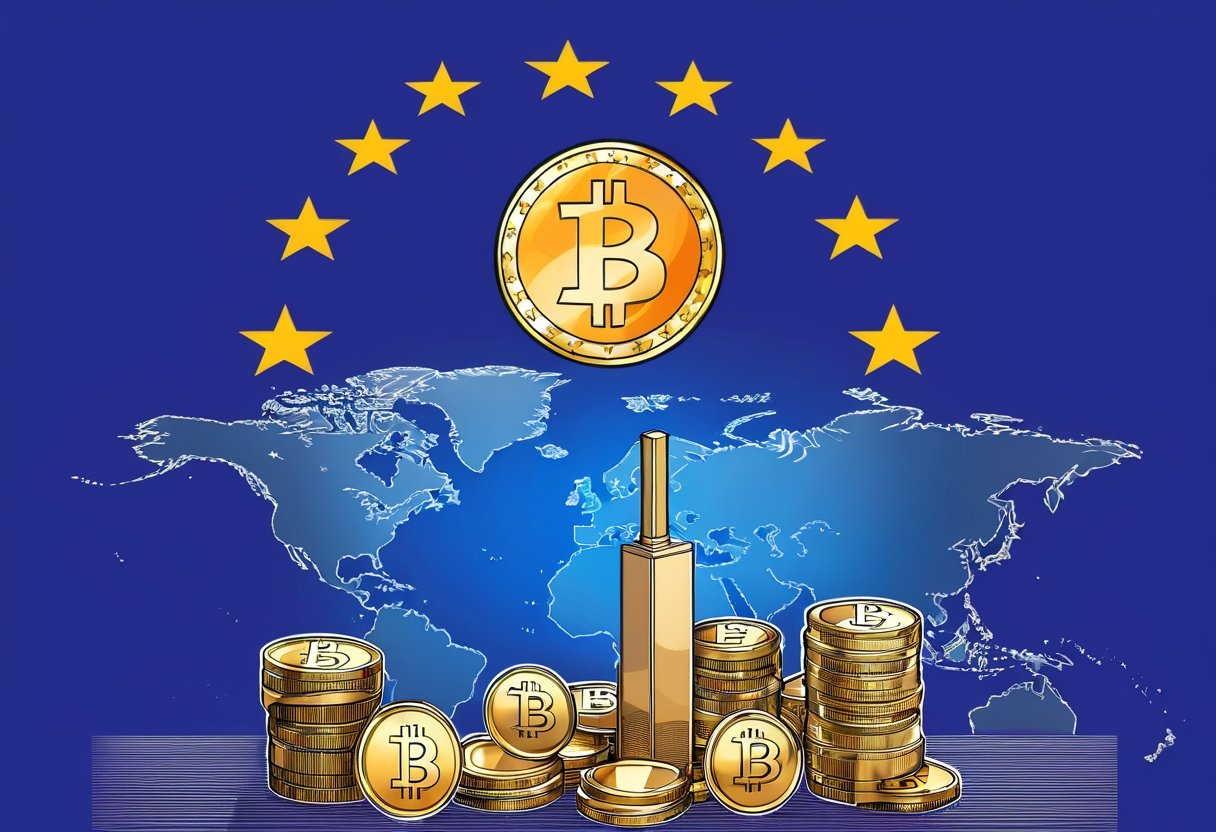
    EU eyes crypto oversight under ESMA to end fragmented supervision

    The European Union’s (EU) move to oversee cryptocurrencies under the European Securities and Markets Authority (ESMA) has sparked a mix of reactions. While some welcome the move as an attempt to bring much-needed regulation, others fear it may stifle innovation.

    For a long time, the crypto space has been plagued by a lack of clear guidelines and oversight. This has led to market fragmentation, where different countries have varying degrees of regulation. ESMA’s intervention aims to harmonize these regulations, creating a more level playing field.

    However, this move raises several questions about the implications for the industry. Will it lead to more investment and growth, or will it stifle innovation? The answer lies in understanding the technical and market realities.

    The Impact of Regulation

    Regulation is often seen as a hindrance to innovation, but in reality, it can also be a catalyst. Clear guidelines and oversight can attract more investors, provide a level of security for users, and foster a more competitive market. This, in turn, can drive innovation and growth.

    Take, for example, the case of the US Securities and Exchange Commission (SEC). Despite initial resistance, the SEC’s clear stance on regulation has led to a surge in interest from investors. This has, in turn, fueled innovation, with more companies exploring the use of blockchain technology.

    However, there are also concerns that overly stringent regulations may drive innovation underground. This could lead to a situation where legitimate companies are forced to operate in the shadows, undermining the entire system.

    Market Reality

    The reality on the ground is that the crypto market is highly fragmented. Different countries have varying degrees of regulation, and this has led to a patchwork of different legal frameworks. ESMA’s intervention aims to address this issue, creating a more harmonized regulatory environment.

    However, this is not without its challenges. The process of harmonizing regulations across different countries will require a significant amount of time and effort. It also raises questions about the balance between regulation and innovation.

    The key to success lies in striking a balance between regulation and innovation. This requires clear guidelines that provide a level of security for users while also allowing for innovation to flourish.

    The Bigger Picture

    The implications of ESMA’s move go beyond the crypto space alone. They have significant implications for the broader tech industry. If successful, this could pave the way for more harmonized regulation across different industries.

    This, in turn, could lead to a more level playing field, where companies are able to compete on a more equal basis. It could also drive innovation, as companies are able to operate in a more predictable and secure environment.

    However, there are also risks involved. If the regulations are too stringent, it could drive innovation underground, undermining the entire system.

    Under the Hood

    From a technical perspective, ESMA’s move involves a range of complex issues. These include issues related to data protection, cybersecurity, and the use of blockchain technology.

    From a market perspective, the implications are far-reaching. They involve questions about the impact on investment, growth, and innovation. They also raise questions about the balance between regulation and innovation.

    The key to success lies in understanding the technical and market realities. This requires a deep understanding of the complexities involved and the ability to navigate the nuances of regulation and innovation.

    Market Impact

    The impact of ESMA’s move will be far-reaching. It has significant implications for the crypto space, the broader tech industry, and the economy as a whole.

    On the one hand, it could lead to more investment and growth, as companies are able to operate in a more predictable and secure environment. On the other hand, it could stifle innovation, as companies are forced to operate in the shadows.

    The reality is that the market is highly complex, and the implications of ESMA’s move are far-reaching. It will require a delicate balance between regulation and innovation to succeed.

    What’s Next?

    The future of crypto regulation is uncertain. However, one thing is clear – the EU’s move is a significant development with far-reaching implications.

    The key to success lies in understanding the technical and market realities. This requires a deep understanding of the complexities involved and the ability to navigate the nuances of regulation and innovation.

    The next steps will involve a range of stakeholders, including regulators, industry experts, and investors. They will need to work together to create a framework that balances regulation and innovation.

    Final Thoughts

    The future of crypto regulation is uncertain. However, one thing is clear – the EU’s move is a significant development with far-reaching implications.

    The key to success lies in understanding the technical and market realities. This requires a deep understanding of the complexities involved and the ability to navigate the nuances of regulation and innovation.

    Ultimately, the success of ESMA’s move will depend on its ability to strike a balance between regulation and innovation. This will require a delicate balance between competing interests and a deep understanding of the complexities involved.

  • Blockchain’s New Frontier: Coinbase Staking and the Future of Crypto

    Blockchain’s New Frontier: Coinbase Staking and the Future of Crypto

    Blockchain’s New Frontier

    Imagine a world where cryptocurrency staking becomes the norm, and blockchain innovation accelerates at breakneck speed. Welcome to the new frontier of blockchain technology.

    Recently, Coinbase Staking went live in NYC, sending shockwaves throughout the crypto community. The implications of this move are profound, and I believe it’s a harbinger of what’s to come.

    The Bigger Picture

    So, what exactly does this mean for the crypto and blockchain space? In short, it means that staking, once a niche concept, is now entering the mainstream. As more institutions and individuals turn to crypto, the demand for secure, reliable, and efficient staking solutions will only grow.

    This has significant implications for blockchain technology as a whole. As more use cases emerge, the complexity and sophistication of blockchain architectures will increase. We can expect to see more advanced consensus mechanisms, improved scalability, and a more robust and decentralized ecosystem.

    But here’s the real question: how will this shift impact the average investor or user? In my opinion, it will make blockchain technology more accessible and user-friendly. As staking becomes more mainstream, we’ll see a surge in adoption and a corresponding decrease in barriers to entry.

    Under the Hood

    So, what’s driving this change? The answer lies in the technical architecture of Coinbase Staking. By leveraging advanced consensus mechanisms and distributed ledger technology, Coinbase has created a system that’s both secure and efficient.

    This is just the beginning. As we move forward, we can expect to see similar innovations in other blockchain platforms. The key takeaway is that staking is no longer just for whales; it’s a democratizing force that will bring more people into the crypto space.

    The implications are profound, and I believe we’re on the cusp of a new era in blockchain technology. Get ready for a future where staking is the norm, and innovation knows no bounds.

    The Market Reality

    So, what does this mean for the market? In short, it means that we can expect a surge in adoption and a corresponding increase in value. As more institutions and individuals turn to crypto, the demand for staking solutions will skyrocket.

    This has significant implications for the broader market. As more people enter the crypto space, we can expect to see a corresponding increase in market cap and a decrease in volatility.

    But here’s the catch: the market is always unpredictable. While I believe that staking will drive growth and adoption, there are risks involved. As we navigate this new frontier, it’s essential to be vigilant and adapt to changing circumstances.

    What’s Next

    So, what’s next for Coinbase Staking and the broader blockchain ecosystem? In my opinion, it’s a bright future filled with innovation and growth. As we move forward, we can expect to see more advanced consensus mechanisms, improved scalability, and a more robust and decentralized ecosystem.

    But here’s the real question: how will this shift impact the average investor or user? In my opinion, it will make blockchain technology more accessible and user-friendly. As staking becomes more mainstream, we’ll see a surge in adoption and a corresponding decrease in barriers to entry.

    The implications are profound, and I believe we’re on the cusp of a new era in blockchain technology. Get ready for a future where staking is the norm, and innovation knows no bounds.

    Final Thoughts

    As we navigate this new frontier, it’s essential to be vigilant and adapt to changing circumstances. While I believe that staking will drive growth and adoption, there are risks involved.

    But here’s the reality: the future is uncertain, and the only constant is change. As we move forward, it’s essential to be open to new ideas, willing to take calculated risks, and committed to innovation.

    In closing, I believe that Coinbase Staking and the broader blockchain ecosystem are on the cusp of a new era. A future where staking is the norm, and innovation knows no bounds. Get ready for the ride of a lifetime.

  • Unlocking the Secrets of Crypto Inflows: A Deep Dive into the Future

    Unlocking the Secrets of Crypto Inflows: A Deep Dive into the Future

    Last week’s surprise $6 billion crypto inflow, driven by the US shutdown and weak jobs data, has left many in the tech community scratching their heads. But here’s the thing: this isn’t just a one-time anomaly. It’s a symptom of a much larger trend that’s driving the future of tech infrastructure.

    As I watched the news unfold, I couldn’t help but think of the countless times I’ve seen similar patterns emerge in the world of tech. It’s as if the industry is always chasing the next big thing, but often losing sight of the underlying drivers that are shaping the future. So, what’s really going on here? And what does it mean for the future of tech?

    Let’s start with the basics. The US shutdown and weak jobs data created a perfect storm of uncertainty, causing investors to flock to the safety of cryptos. But what’s fascinating is that this isn’t just a short-term play. The underlying fundamentals of the crypto market are shifting, and this is driving a new era of growth and innovation.

    The Bigger Picture

    So, why is this trend so significant? The answer lies in the broader market trends that are shaping the future of tech. As more and more industries become increasingly reliant on digital infrastructure, the demand for secure, scalable, and transparent solutions is skyrocketing. And that’s where cryptos come in.

    But here’s the thing: cryptos aren’t just a niche market. They’re a key enabler of the decentralized, blockchain-based economy that’s emerging. And this has massive implications for everything from supply chain management to financial services.

    Under the Hood

    So, what’s driving this trend? At its core, it’s a battle for control between traditional financial institutions and the decentralized, blockchain-based economy. The former is struggling to keep up with the pace of innovation, while the latter is gaining momentum by the day.

    Take, for example, the rise of decentralized finance (DeFi) platforms. These platforms are leveraging blockchain technology to create secure, transparent, and scalable financial solutions that are bypassing traditional banks and financial institutions. And it’s not just DeFi – we’re seeing similar trends in supply chain management, identity verification, and more.

    But here’s the thing: this isn’t just a technological trend. It’s a fundamental shift in the way we think about ownership, control, and value. And that’s where the future of cryptos comes in.

    What’s Next

    So, what does this mean for the future of cryptos? In short, it means that we’re on the cusp of a new era of growth and innovation. As more and more industries become increasingly reliant on digital infrastructure, the demand for secure, scalable, and transparent solutions will only continue to grow.

    And that’s where cryptos come in. These are no longer just a niche market or a speculative play. They’re a key enabler of the decentralized, blockchain-based economy that’s emerging. And this has massive implications for everything from supply chain management to financial services.

    As I look to the future, I’m excited to see where this trend takes us. Will we see the rise of decentralized, blockchain-based economies? Will traditional financial institutions be able to keep up with the pace of innovation? And what will be the implications for the future of cryptos?

    The Market Reality

    One thing is clear: the days of cryptos as a speculative play are behind us. This is a new era of growth and innovation, driven by the underlying fundamentals of the market. And as more and more industries become increasingly reliant on digital infrastructure, the demand for secure, scalable, and transparent solutions will only continue to grow.

    So, what does this mean for investors? It means that it’s time to think differently about cryptos. No longer are they just a niche market or a speculative play. They’re a key enabler of the decentralized, blockchain-based economy that’s emerging.

    And that’s where the future of cryptos comes in.

    Looking Forward

    As I look to the future, I’m excited to see where this trend takes us. Will we see the rise of decentralized, blockchain-based economies? Will traditional financial institutions be able to keep up with the pace of innovation? And what will be the implications for the future of cryptos?

    One thing is clear: the future of cryptos is no longer just about speculation. It’s about the underlying fundamentals of the market. And as more and more industries become increasingly reliant on digital infrastructure, the demand for secure, scalable, and transparent solutions will only continue to grow.

    So, what does this mean for the future of tech? It means that we’re on the cusp of a new era of growth and innovation. And as we look to the future, it’s clear that cryptos are at the forefront of this trend.

  • Why Solana’s Dominance in Tokenized Stock Trading Matters

    Why Solana’s Dominance in Tokenized Stock Trading Matters

    The world of decentralized finance (DeFi) has been abuzz with the news that Solana has taken the top spot in tokenized stock trading, with a whopping 95.6% volume share over the past 30 days.

    But what caught my attention wasn’t the announcement itself, but the timing. As I dug deeper, I realized that this development has far-reaching implications for the future of finance and technology.

    Tokenized stock trading, for those who may not be familiar, allows users to trade securities in a decentralized manner, without the need for intermediaries like traditional stock exchanges.

    The concept has been around for a while, but it’s only recently gained mainstream attention, thanks to the rise of platforms like Solana and its competitors.

    The Solana Advantage

    So, what makes Solana stand out from the rest? In short, it’s the platform’s ability to provide high-performance, scalable, and secure transactions.

    With its innovative proof-of-stake (PoS) consensus algorithm, Solana can process a staggering 65,000 transactions per second, making it one of the fastest blockchain platforms out there.

    This speed and scalability are crucial for tokenized stock trading, as they enable users to execute trades quickly and efficiently, without incurring high fees or latency.

    The Bigger Picture

    Now, let’s talk about why this matters. The dominance of Solana in tokenized stock trading is more than just a fleeting trend. It reflects a broader shift in the way we think about finance and technology.

    As the world becomes increasingly digital, we’re witnessing a convergence of financial services and technology. This convergence is driving innovation, efficiency, and accessibility in various industries, including finance.

    Tokenized stock trading is just one example of this trend. It’s a symptom of a larger movement towards decentralization, democratization, and innovation in the financial sector.

    Under the Hood

    But what about the technical aspects of Solana’s success? How does the platform’s architecture contribute to its performance and security?

    One key factor is Solana’s use of a novel consensus algorithm called TurboPGH. This algorithm allows the platform to achieve high throughput while maintaining low latency and security.

    Another important aspect is Solana’s smart contract platform, which enables developers to build and deploy decentralized applications (dApps) with ease.

    What’s Next

    So, what does the future hold for Solana and tokenized stock trading? As the platform continues to dominate the market, we can expect to see further innovations and improvements in the coming months.

    One area of focus will be interoperability, as Solana seeks to integrate with other blockchain platforms and ecosystems.

    Another area of interest will be the development of new financial instruments and products that can be built on top of the Solana platform.

    As we look to the future, it’s clear that Solana’s dominance in tokenized stock trading is just the beginning. The platform’s success will have far-reaching implications for the financial industry, and we can expect to see significant changes in the way we think about finance and technology.

  • Michael Saylor’s Bitcoin Advice: What Lies Ahead for Crypto Investors?

    Michael Saylor’s Bitcoin Advice: What Lies Ahead for Crypto Investors?

    What caught my attention wasn’t the latest advice from Michael Saylor, but the timing of his warning. The renowned Bitcoin advocate recently encouraged the popular YouTuber, Mr. Beast, to buy Bitcoin, sparking a heated debate within the cryptocurrency community.

    I believe Saylor’s advice is more than just a passing comment. It reflects a broader shift in the market, one that could have significant implications for crypto investors. But here’s the real question: what does this mean for the future of cryptocurrency?

    As I delved deeper into the topic, I discovered that Saylor’s advice is far from the only development in the world of blockchain technology. In fact, the latest blockchain updates suggest a growing momentum behind decentralized finance (DeFi) and smart contracts. But what does this mean for the average investor?

    What strikes me is the way Saylor’s advice resonates with the DeFi community’s growing focus on scalability and usability. As one expert analyst noted, ‘the real challenge lies in making DeFi accessible to a broader audience.’ Saylor’s Bitcoin advice, in this context, becomes a clarion call for investors to take a more active role in shaping the future of cryptocurrency.

    The Bigger Picture

    Here’s why this matters more than most people realize: the future of cryptocurrency is inextricably linked to the development of DeFi. As the market continues to evolve, we will see a growing convergence between traditional finance and blockchain technology. But what does this mean for the average investor?

    The numbers tell a fascinating story: according to recent research, the DeFi market is growing at an astonishing rate, with a projected value of over $1 trillion by 2025. But what’s driving this growth, and what are the implications for investors?

    The reality is that DeFi has become a critical component of the broader cryptocurrency ecosystem. As Saylor’s advice suggests, investors would do well to take a closer look at DeFi’s potential for growth and scalability. But here’s the catch: the DeFi market is still in its early stages, and investors must be prepared for a bumpy ride.

    Under the Hood

    One of the most fascinating aspects of DeFi is its reliance on smart contracts. These self-executing contracts enable decentralized applications (dApps) to operate autonomously, without the need for intermediaries. But what’s behind this technology, and how does it impact the DeFi market?

    The answer lies in the concept of ‘programmable money,’ which allows users to create custom tokens and decentralized exchange platforms. This, in turn, enables a new generation of DeFi applications, from lending and borrowing to prediction markets and social media. But what are the implications of this technology for the broader market?

    As I explored the world of DeFi, I discovered a remarkable example of this technology in action. The Uniswap protocol, for instance, uses smart contracts to enable decentralized trading and liquidity provision. But what makes this protocol so unique, and how does it impact the DeFi market?

    The Uniswap protocol is a prime example of DeFi’s potential for growth and scalability. By leveraging smart contracts and decentralized exchange platforms, the protocol has created a new paradigm for DeFi applications. But what are the implications of this technology for the broader market?

    What’s Next

    So what does the future hold for DeFi and cryptocurrency investors? As I reflected on Saylor’s advice and the broader market trends, I realized that the landscape is more complex than ever. But here’s the good news: the growing momentum behind DeFi suggests a bright future for cryptocurrency investors.

    But here’s the catch: the path forward will be bumpy, and investors must be prepared for the challenges that lie ahead. As one expert analyst noted, ‘the real challenge lies in making DeFi accessible to a broader audience.’ Saylor’s Bitcoin advice, in this context, becomes a clarion call for investors to take a more active role in shaping the future of cryptocurrency.

    The final nail in the coffin is the growing convergence between traditional finance and blockchain technology. As the market continues to evolve, we will see a growing number of institutional investors entering the DeFi space. But what does this mean for the average investor?

    The reality is that DeFi has become a critical component of the broader cryptocurrency ecosystem. As Saylor’s advice suggests, investors would do well to take a closer look at DeFi’s potential for growth and scalability. But here’s the catch: the DeFi market is still in its early stages, and investors must be prepared for a bumpy ride.

    And so, as I wrap up this article, I am left with a sense of optimism and trepidation. The future of cryptocurrency is full of unknowns, but one thing is clear: the growing momentum behind DeFi suggests a bright future for investors. But here’s the catch: the path forward will be bumpy, and investors must be prepared for the challenges that lie ahead.

Oh hi there 👋
It’s nice to meet you.

Sign up to receive awesome content in your inbox, every Day.

We don’t spam! Read our privacy policy for more info.