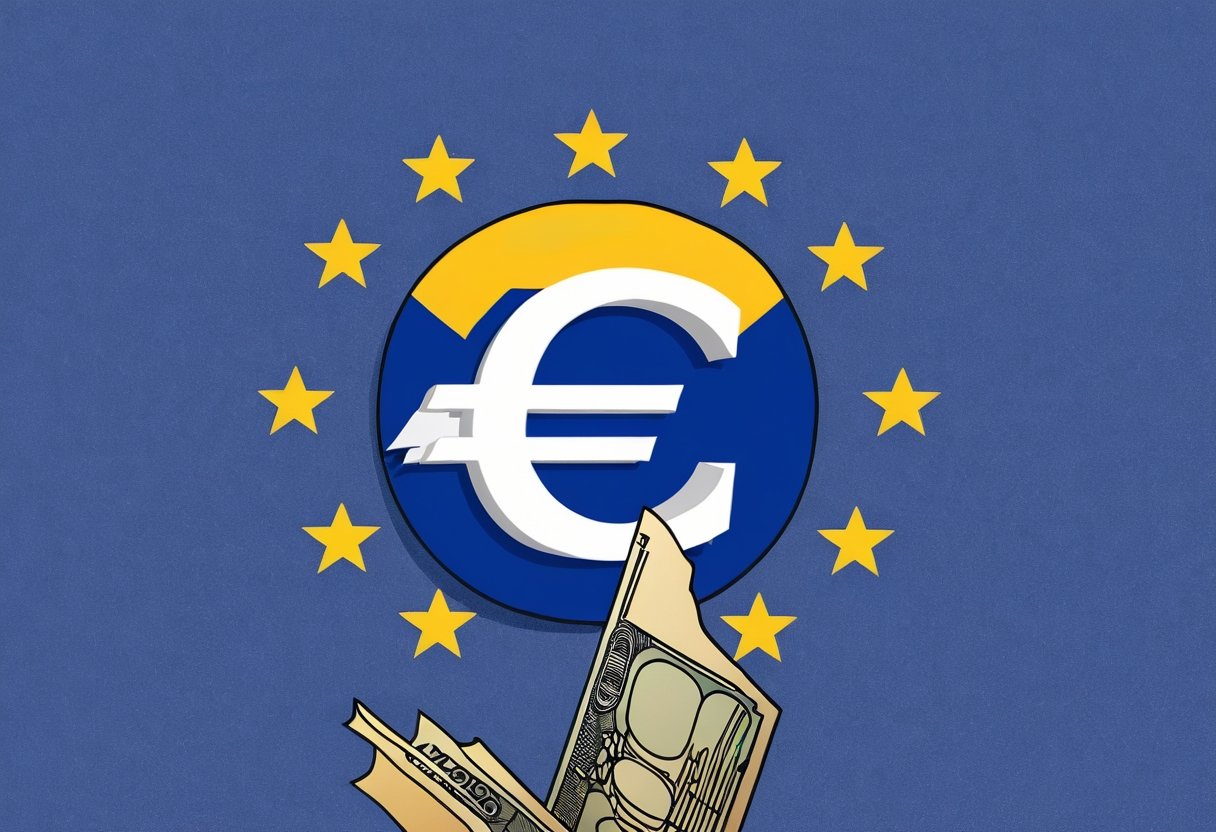
Introduction to the Digital Euro
The European Central Bank (ECB) has announced its plan to launch the digital euro by 2029, marking a significant step towards a more digital and integrated European economy. According to Ledger Insights, the ECB will start pilots in 2027 and aims to go live in 2029, subject to legislative approval and technical readiness.
Key Facts and Figures
The decision to move to the next phase of the digital euro project follows the successful completion of the preparation phase, which was launched in November 2023. As reported by the ECB, the estimated costs for the development and issuance of the digital euro are around €1.3 billion until the first issuance, with subsequent annual operating costs projected to be approximately €320 million per year from 2029.
Market Impact and Future Implications
The digital euro is expected to reduce the European Union’s reliance on payment service providers from outside the bloc. As The Register notes, European banks currently represent only a third of digital payments activities within the Eurozone, with two-thirds of digital payments intermediated by non-European companies. The digital euro could change this landscape and promote greater financial integration and independence.
Technical Analysis and Expert Insights
From a technical standpoint, the digital euro will be a central bank digital currency (CBDC), which has been explored by many countries around the world. As Bloomberg reports, the ECB will decide to push on with preparatory work, aiming to issue the currency in 2029, provided there’s a legal framework in place. Capco highlights that 134 countries, representing 98% of global GDP, are exploring CBDCs, with 11 countries having already launched their own CBDC.
Conclusion and Practical Takeaways
In conclusion, the launch of the digital euro in 2029 marks an important milestone in the development of a more digital and integrated European economy. As the ECB continues to lay the groundwork for the digital euro, it’s essential for businesses, policymakers, and individuals to stay informed and adapt to the changing landscape.
