Tag: China Bitcoin

  • China’s AI-Powered Promotion of Xi Jinping’s Thought

    China’s AI-Powered Promotion of Xi Jinping’s Thought

    Introduction

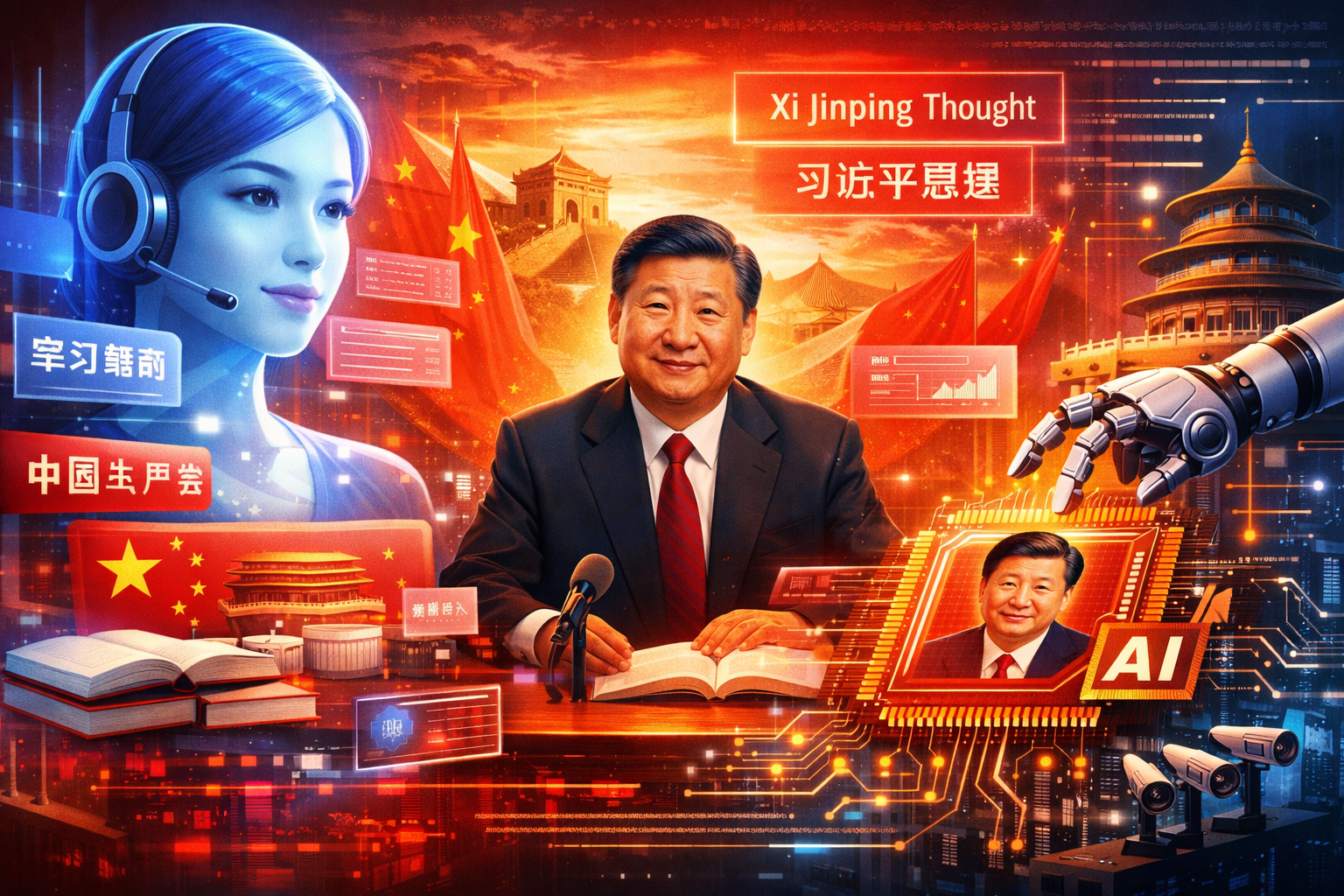
    China is investing heavily in artificial intelligence (AI) to promote President Xi Jinping’s political ideology. The project, known as ‘Xinhua Yudian,’ or ‘Xinhua lexicon,’ is an intelligent agent designed to learn, research, and disseminate Xi Jinping Thought on Socialism with Chinese Characteristics for a New Era.

    Background

    According to Shanghai Stock Exchange filings, Xinhuanet, owned by the official Xinhua News Agency, plans to invest over 1.1 billion yuan (approximately $162 million) in the AI system. This development highlights the increasing use of AI as a tool for political communication and ideological reinforcement.

    The Xinhua Yudian Project

    The Xinhua Yudian project is part of China’s broader national strategy to integrate AI across governance, industry, and society under the ‘AI+’ initiative launched in 2025. The project aims to deliver official narratives, current affairs, and political content in a structured format, drawing on a curated state-controlled database.

    Implications

    The rollout of Xinhua Yudian is likely to deepen the integration of AI into China’s political and information architecture. If successful, it could serve as a model for other state-backed AI systems designed to standardize ideological communication and policy interpretation.

    Expert Insights

    Experts believe that the use of AI in promoting Xi Jinping’s thought is a strategic move to reinforce the Communist Party’s dominance. The CPC sees AI as a tool to consolidate its power and control over the narrative, rather than a means to disrupt the status quo.

    Technical Analysis

    From a technical perspective, the Xinhua Yudian project demonstrates China’s commitment to developing and deploying AI technologies to support its political agenda. The use of AI in this context raises important questions about the role of technology in shaping public discourse and the potential risks of bias and manipulation.

    Market Impact

    The Xinhua Yudian project is likely to have significant implications for the global AI market, particularly in the context of political communication and ideological reinforcement. As AI technologies continue to evolve, it is essential to consider the potential consequences of their use in shaping public opinion and influencing political outcomes.

    Future Implications

    The future implications of the Xinhua Yudian project are far-reaching. As AI becomes increasingly integrated into China’s political and information architecture, it is likely to have a profound impact on the country’s governance, industry, and society. The use of AI in promoting Xi Jinping’s thought also raises important questions about the role of technology in shaping the future of politics and governance.
  • Alibaba Unveils Powerful Zhenwu M890 AI Chip

    Alibaba Unveils Powerful Zhenwu M890 AI Chip

    Introduction to Alibaba’s Zhenwu M890 AI Chip

    Alibaba has recently unveiled its new Zhenwu M890 AI chip, designed for training and inference. This move is part of the company’s efforts to expand its AI technology stack and provide more powerful solutions for its customers.

    Key Features of the Zhenwu M890 AI Chip

    The Zhenwu M890 AI chip is equipped with 144GB of GPU memory and has an interchip bandwidth of 800 GB per second. According to Alibaba, this chip is three times more powerful than its predecessor, the Zhenwu 810E.

    Alibaba’s Plans for the Zhenwu Chip Family

    Alibaba plans to upgrade the Zhenwu chip family annually, accelerating the development pace to match that of industry leaders like Nvidia. The company has already shipped over 560,000 Zhenwu units to more than 400 customers across 20 industries.

    Qwen3.7-Max LLM and Panjiu AL128 Supernode Server

    In addition to the Zhenwu M890 AI chip, Alibaba has also launched the Qwen3.7-Max LLM, a foundational model optimized for coding and autonomous tasks. The company has also unveiled the Panjiu AL128 Supernode Server, which combines 128 AI accelerators in one rack to handle heavy demand and unpredictable bursts of inference requests generated by AI agents.

    Market Impact and Future Implications

    The launch of the Zhenwu M890 AI chip and the Qwen3.7-Max LLM is expected to make Alibaba and its chip subsidiary T-Head more competitive in China’s growing domestic AI processor market. This move is also part of China’s push for domestic AI hardware alternatives, reducing dependence on foreign technology.

    Expert Insights and Analysis

    According to Bloomberg, Alibaba’s push for domestic AI hardware alternatives is a significant move, given the current geopolitical tensions and trade restrictions. CNBC notes that the Zhenwu M890 AI chip is a powerful solution for training and inference, and its launch underscores China’s efforts to develop its own AI technology.

  • Xi Jinping’s Warning to Putin: A New Era in Global Politics

    Xi Jinping’s Warning to Putin: A New Era in Global Politics

    Introduction

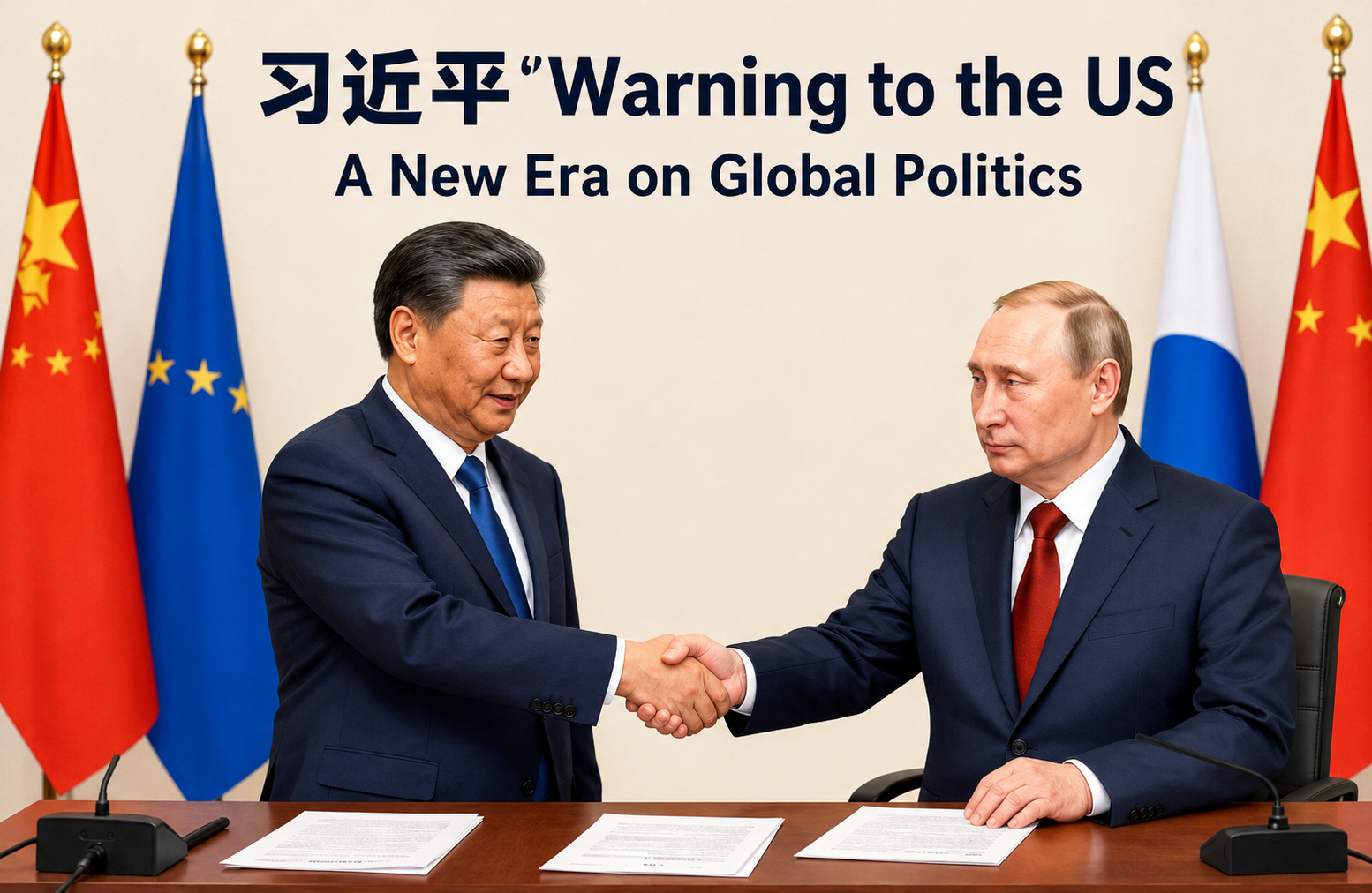
    Recent reports have surfaced that Chinese President Xi Jinping told US President Donald Trump that Russian President Vladimir Putin may ‘regret’ his invasion of Ukraine. This statement, made during a summit in Beijing, has sparked significant interest and speculation about the future of global politics.

    Background

    The conflict between Russia and Ukraine has been ongoing for several years, with Russia’s invasion of Ukraine in 2022 marking a significant escalation. The international community has been heavily involved in attempting to broker a peace agreement, with limited success.

    China’s Role

    China has been a key player in the conflict, with its relations with both Russia and Ukraine being closely watched. While China has maintained a neutral stance on the conflict, its actions and statements have been scrutinized for any signs of bias or support for either side.

    Xi’s Warning

    According to sources, including the Financial Times, Xi’s warning to Putin was made during a meeting with Trump in Beijing. The warning was seen as a significant departure from China’s previous stance on the conflict, with some interpreting it as a sign that China may be reevaluating its support for Russia.

    Implications

    The implications of Xi’s warning are far-reaching, with potential consequences for the conflict in Ukraine, Russia’s relations with the international community, and China’s role in global politics. Some experts believe that Xi’s warning may be a sign that China is seeking to distance itself from Russia’s actions in Ukraine, while others see it as a attempt to exert pressure on Putin to negotiate a peace agreement.

    Expert Insights

    Experts have weighed in on the significance of Xi’s warning, with some highlighting its potential to shift the dynamics of the conflict. ‘Xi’s warning to Putin is a significant development that could have far-reaching consequences for the conflict in Ukraine,’ said one expert. ‘It may be a sign that China is seeking to reevaluate its support for Russia and play a more constructive role in resolving the conflict.’

    Technical Analysis

    From a technical perspective, Xi’s warning can be seen as a attempt to exert pressure on Putin through diplomatic means. By warning Putin that he may ‘regret’ his actions, Xi is attempting to influence Putin’s decision-making and encourage him to seek a peaceful resolution to the conflict.

    Market Impact

    The market impact of Xi’s warning is significant, with potential consequences for global trade and economic relations. If China were to distance itself from Russia, it could have significant implications for Russia’s economy, which is heavily reliant on Chinese trade and investment.

    Future Implications

    The future implications of Xi’s warning are uncertain, but some potential outcomes include a shift in the dynamics of the conflict, increased pressure on Putin to negotiate a peace agreement, and a reevaluation of China’s role in global politics. As one expert noted, ‘Xi’s warning to Putin is a significant development that could have far-reaching consequences for the conflict in Ukraine and beyond.’

  • China Signals Readiness to Upgrade Switzerland FTA

    China Signals Readiness to Upgrade Switzerland FTA

    Introduction to China-Switzerland FTA Upgrade

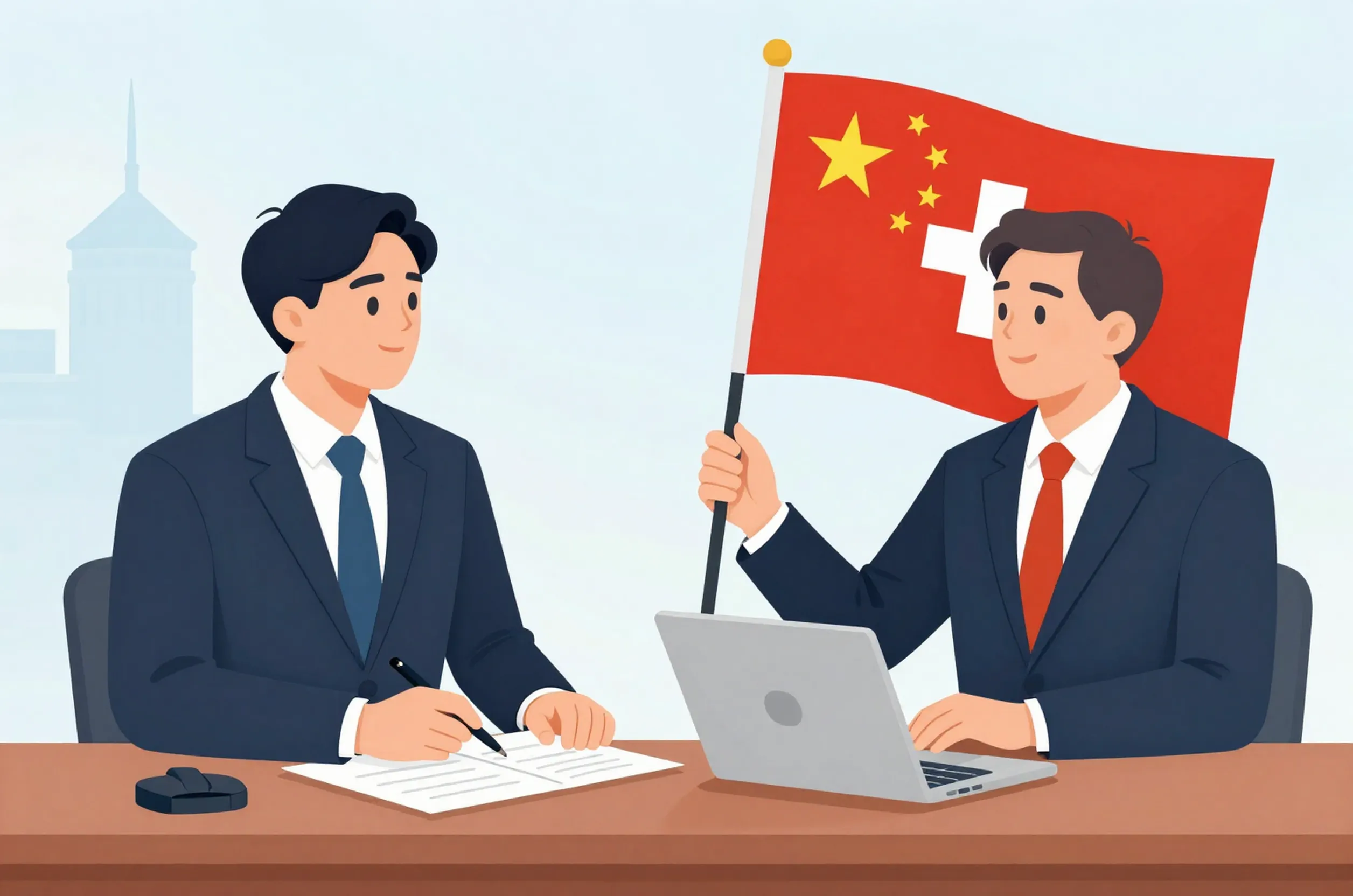
    China has signalled its readiness to advance negotiations on upgrading its existing free trade agreement with Switzerland, in a move aimed at deepening economic ties and reinforcing support for open trade amid a more protectionist global backdrop.

    Background of the FTA

    The China–Switzerland free trade agreement, which came into force in 2014, was China’s first such deal with a continental European country and remains a key pillar of bilateral economic relations. The existing agreement has already eliminated the vast majority of tariffs, covering nearly all Chinese exports to Switzerland and a substantial share of Swiss exports to China, helping to lift bilateral trade to around $60 billion annually in recent years.

    Upgrade Negotiations and Objectives

    Efforts to modernise the pact have been underway for some time. Feasibility discussions began in early 2024, with formal upgrade negotiations launching later that year. Multiple rounds of talks have since taken place, with officials describing progress as constructive. The proposed upgrade reflects a broader push by both countries to strengthen economic cooperation in higher-value and technology-driven sectors.

    Expanding Cooperation into Services and Digital Economy

    The upgrade is expected to broaden the scope of the agreement beyond traditional goods trade into areas such as services, e-commerce, intellectual property protection and the digital economy. For China, advancing the agreement offers an opportunity to reinforce economic links with Europe through a stable and cooperative partner. For Switzerland, it provides further access to one of the world’s largest markets, particularly in services and advanced manufacturing.

    Implications and Future Outlook

    The move is modestly supportive for global trade sentiment, particularly in Europe-facing sectors. While immediate market impact is limited, it reinforces China’s commitment to trade liberalisation at the margin, supporting export-linked equities and improving the medium-term outlook for cross-border investment flows.

    As noted by Eamonn Sheridan at investinglive.com, this development underscores a shared commitment to maintaining open trade channels at a time when global trade tensions and geopolitical fragmentation are weighing on cross-border flows.

  • Nvidia CEO Jensen Huang Reports Strong Chinese Demand for AI Chips

    Nvidia CEO Jensen Huang Reports Strong Chinese Demand for AI Chips

    Nvidia’s Resurgence in China

    Nvidia CEO Jensen Huang has announced that Chinese demand for the company’s H200 advanced AI processors has reached high levels following the Trump administration’s approval of sales to China. According to CNBC, Huang stated that the company is seeing ‘very high’ customer demand in China for its H200 AI chips, which the U.S. government recently signaled it would approve for export.

    Production and Export Licenses

    Huang added that Nvidia has started producing the chips again and is working out the final details about export licenses with the U.S. government. As reported by Tom’s Hardware, the H200 remains a highly attractive option for large-scale AI workloads, making it particularly well-suited for training and inference of large language models.

    Market Impact and Future Implications

    The sale of advanced Nvidia H200 AI chips to approved customers in China does more than signal policy inconsistency: it undermines much of the original purpose of the restrictions. As noted by the Council on Foreign Relations, by re-opening the flow of powerful computing hardware to China, Washington risks supplying exactly the tools it once tried to withhold.

    Expert Insights and Analysis

    According to Reddit’s r/technology, Nvidia’s H200 demand in China is ‘quite high.’ This surge in demand can be attributed to the company’s Hopper architecture, which pairs the H100 GPU with 141GB of HBM3e memory and significantly higher memory bandwidth.

  • Trump’s 2025 Deal Sparks Controversy Over AI Chip Sales to China

    Trump’s 2025 Deal Sparks Controversy Over AI Chip Sales to China

    Introduction to the Controversy

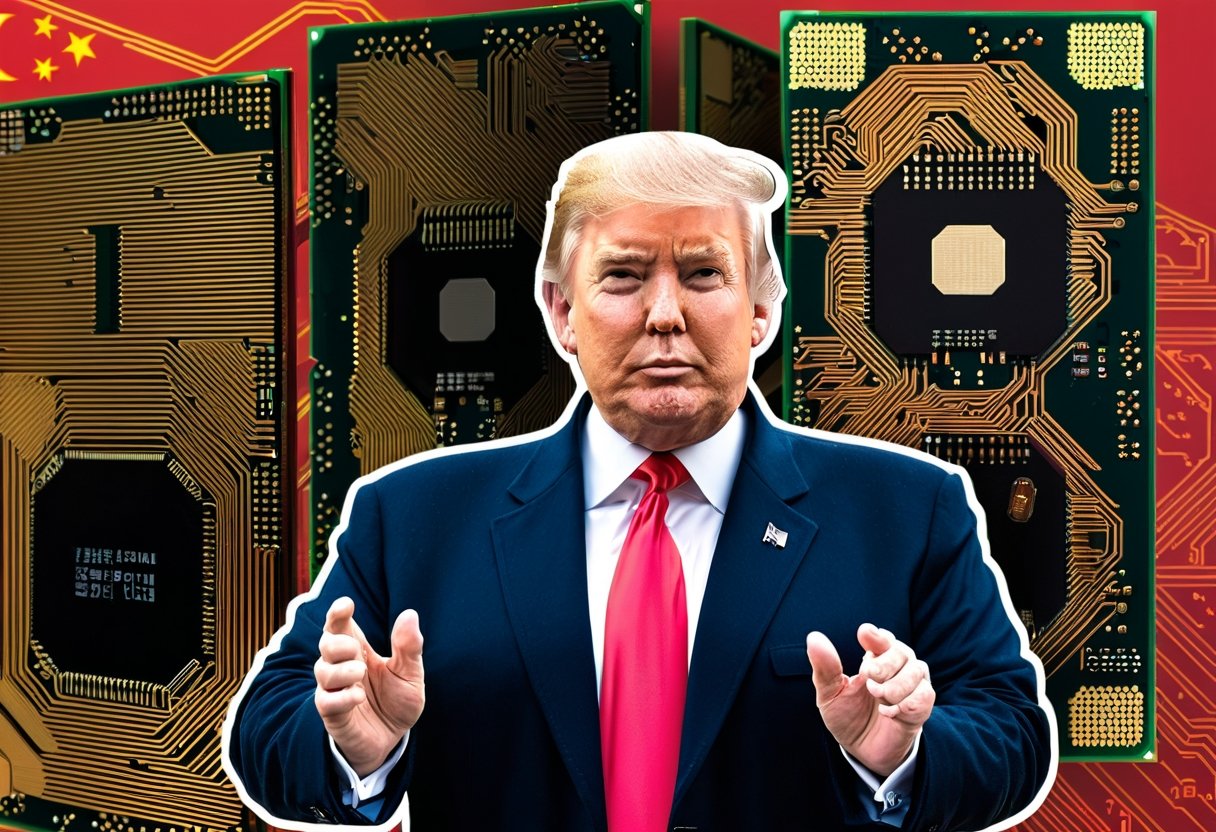
    President Trump’s 2025 deal allowing Nvidia and AMD to sell AI chips to China has sparked intense controversy. The arrangement, which promises a 15-25% U.S. revenue share, has been touted as a means to fund innovation but criticized for potential security risks. As reported by WebProNews and CNBC, this move has significant implications for U.S.-China tech relations.

    Details of the Deal

    According to CNBC, Nvidia and AMD agreed to share 15% of the revenue from China chip sales with the U.S. government. However, President Trump later announced that Nvidia would be allowed to ship its H200 artificial intelligence chips to ‘approved customers’ in China, with the U.S. receiving a 25% cut. This inconsistency has fueled criticism from lawmakers and experts, as highlighted by Bloomberg.

    Implications and Criticisms

    The deal has been criticized for its potential to undermine U.S. national security. As Reuters reports, the U.S. administration has launched a review that could result in the first shipments to China of Nvidia’s second-most powerful AI chips. This has raised concerns among China hawks across the U.S. political spectrum, who fear that the chips could supercharge Beijing’s military and erode the U.S. advantage in artificial intelligence.

    Expert Insights and Analysis

    Experts argue that shipping advanced AI chips to China could have significant implications for the future of U.S.-China relations and the global tech industry. As PBS notes, there are concerns about allowing advanced computer chips to be sold to China, as it could help the country better compete against the U.S. in building out AI capabilities.

    Conclusion and Future Implications

    In conclusion, Trump’s 2025 deal allowing Nvidia and AMD to sell AI chips to China has sparked controversy and raised significant questions about the implications for U.S. national security and the global tech industry. As the situation continues to unfold, it is essential to consider the potential long-term consequences of this decision and the future of U.S.-China tech relations.

  • China Achieves EUV Machine Prototype Breakthrough

    China Achieves EUV Machine Prototype Breakthrough

    Introduction to EUV Technology

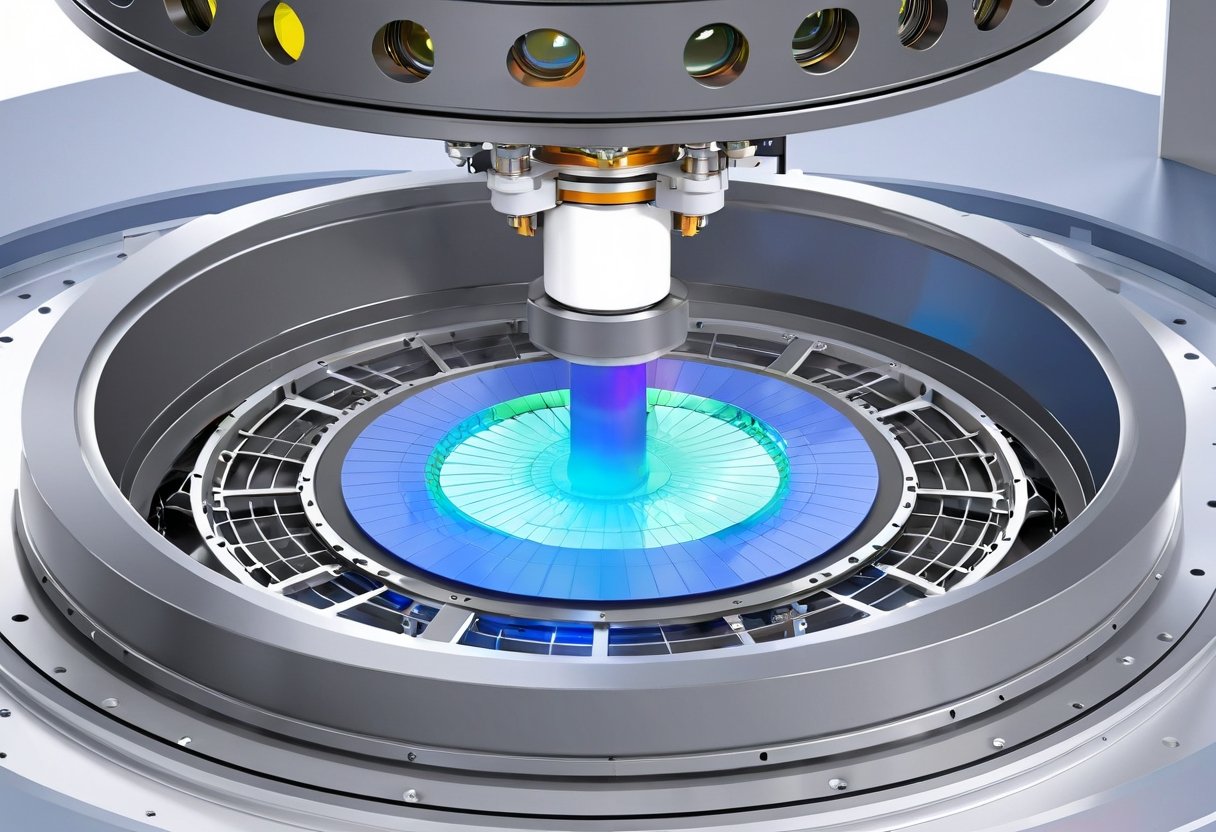
    Extreme Ultraviolet (EUV) lithography is a crucial technology in the production of advanced semiconductors. It enables the creation of smaller, more complex chips that power everything from smartphones to supercomputers. ASML, a Dutch company, has been at the forefront of EUV technology, with its systems being the most advanced in the world.

    China’s Pursuit of EUV Technology

    China has been actively pursuing EUV technology for several years, with companies like SMIC attempting to replicate ASML’s technology through reverse-engineering and poaching talent. According to Reuters, China has finally achieved a breakthrough, developing a working prototype of an EUV machine.

    Implications of China’s EUV Breakthrough

    This development has significant implications for the global semiconductor industry. China’s ability to produce its own EUV machines could reduce its dependence on foreign technology and give it a competitive edge in the market. As reported by Reuters, China’s prototype is crude compared to ASML’s machines but operational enough for testing.

    Technical Challenges Ahead

    Despite this breakthrough, China still faces major technical challenges, particularly in replicating the precision optical systems that Western suppliers produce. TechPowerUp reports that Chinese companies have obtained parts from older ASML machines on secondary markets to build their prototype.

    Market Impact and Future Implications

    The development of EUV technology in China could have far-reaching consequences for the global semiconductor market. It could lead to increased competition, reduced prices, and improved innovation. As discussed on Reddit, this breakthrough could also have significant implications for the US-China trade relationship and the future of the semiconductor industry.

  • Rare Earth Export Controls: The Unseen Threat to Global Tech

    Rare Earth Export Controls: The Unseen Threat to Global Tech

    As the world grapples with the implications of China’s rare earth export controls, one thing is clear: this is a watershed moment that will impact the global tech landscape for years to come.

    The export controls, which restrict China’s supply of rare earth minerals, have sent shockwaves through the industry. Rare earths are critical components in everything from smartphones to electric vehicles, and China’s dominance in the market makes it difficult for other countries to compete.

    But here’s the real question: what does this mean for the future of tech innovation? I believe it’s a wake-up call for countries and companies to diversify their supply chains and invest in domestic rare earth production.

    The story began to unfold last year when China announced its plan to restrict rare earth exports. The initial reaction was one of alarm, with many industry experts warning of supply chain disruptions and price hikes.

    But as the months went by, it became clear that the impact was far more profound. Companies were forced to scramble to find alternative suppliers, and some were even forced to shut down production lines.

    The Bigger Picture

    So why should we care about rare earth export controls? The answer lies in their far-reaching impact on global tech. As the world becomes increasingly dependent on technology, the need for rare earth minerals will only continue to grow.

    But with China’s grip on the market tightening, other countries are being forced to take action. The United States, for example, has launched its own initiative to develop domestic rare earth production.

    This is not just a national security issue; it’s a matter of economic survival. Companies that fail to adapt to this new reality risk being left behind.

    Under the Hood

    So how do rare earth export controls actually work? It’s a complex issue that involves everything from mining to refining to end-use manufacturing.

    The critical thing to note is that China’s control over the market is not just about supply and demand. It’s also about the country’s ability to manipulate the global market by restricting exports.

    Take, for example, the recent case of Tesla. The company found itself facing a rare earth shortage, which it attributed to China’s export restrictions. It was forced to scramble to find alternative suppliers, and even went so far as to establish its own rare earth mining operation.

    This is just the beginning. As the industry becomes increasingly dependent on rare earth minerals, the need for alternative suppliers will only continue to grow.

    The Market Reality

    So what does this mean for the market? In short, it means that companies will have to adapt quickly to a new reality. Those that fail to do so risk being left behind.

    The impact will be felt across the board, from smartphone manufacturers to electric vehicle producers. Anyone who relies on rare earth minerals will have to find new suppliers or risk facing production disruptions.

    But here’s the thing: this is not just a short-term issue. The impact of rare earth export controls will be felt for years to come.

    What’s Next

    So what’s next for the rare earth market? The answer lies in the hands of governments and companies alike. Those that fail to adapt will be left behind.

    The key is to diversify supply chains and invest in domestic production. This is not just a matter of national security; it’s a matter of economic survival.

    As the world becomes increasingly dependent on technology, the need for rare earth minerals will only continue to grow. Companies that fail to adapt risk being left behind.

    The rare earth export control crisis is a wake-up call for the world. It’s a reminder that in an increasingly complex global economy, companies must be prepared to adapt quickly to new realities.

    Final Thoughts

    As the world grapples with the implications of China’s rare earth export controls, one thing is clear: this is a watershed moment that will impact the global tech landscape for years to come.

    The export controls have sent shockwaves through the industry, forcing companies to scramble to find alternative suppliers and adapt to a new reality.

    This is not just a national security issue; it’s a matter of economic survival. Companies that fail to adapt risk being left behind.

  • China’s Rise and the Future of Deep Tech

    China’s Rise and the Future of Deep Tech

    Compelling, curiosity-driven title (8-12 words)

    As the world grapples with the implications of China’s growing tech prowess, one thing is clear: the future of deep tech is more uncertain than ever.

    But here’s the thing: it’s not just about China. It’s about the underlying infrastructure and technologies that are driving innovation.

    I believe that understanding these trends is crucial for anyone interested in the future of technology.

    The Bigger Picture

    The current landscape is marked by a series of high-profile announcements and investments in deep tech. But what does it all mean?

    Let’s take a step back and look at the broader picture. China’s rise is not just about technology; it’s about economics, politics, and geopolitics.

    The reality is that the US and China are engaged in a high-stakes game of technological one-upmanship. And it’s not just about who wins; it’s about what happens to the rest of the world.

    The Rise of China

    China’s journey to becoming a tech powerhouse has been nothing short of remarkable. From its early days as a manufacturing hub to its current status as a leader in AI, robotics, and more.

    But what’s driving this growth? Is it government support, investment, or something else entirely?

    I think it’s a mix of all these factors. The Chinese government has been actively promoting the development of deep tech, through initiatives like the Made in China 2025 plan.

    But it’s not just about government support. Companies like Huawei, Alibaba, and Tencent have been at the forefront of China’s tech revolution.

    Tech for the Masses

    One of the most interesting aspects of China’s tech landscape is its focus on making technology accessible to the masses.

    From affordable smartphones to AI-powered health services, China is leveraging deep tech to improve people’s lives.

    But what does this mean for the rest of the world? Will we see a similar shift in other countries?

    What’s fascinating is that this trend is not limited to China. Other countries are starting to follow suit, investing heavily in deep tech and its applications.

    The Bigger Picture

    So, what does all this mean for the future of deep tech? Is it a sign of a new era of global cooperation or a harbinger of a high-tech cold war?

    Let’s look at some of the key indicators. The rise of China is not just about technology; it’s about economics, politics, and geopolitics.

    But here’s the thing: it’s not just about who wins; it’s about what happens to the rest of the world.

    The Future of Deep Tech

    As we look to the future, one thing is clear: deep tech will continue to play a starring role in shaping the world we live in.

    From AI to robotics, biotech to clean energy, the possibilities are endless.

    But what does this mean for us? Will we see a world where technology is more accessible and inclusive or one where the benefits are limited to a select few?

    I think it’s a mix of both. The future of deep tech will be shaped by a combination of factors, including investment, innovation, and government support.

    The Way Forward

    So, what can we do to ensure that the benefits of deep tech are shared by all?

    One thing is certain: we need to continue investing in education and research, to create a pipeline of talented engineers and scientists.

    We also need to promote a culture of innovation, where startups and entrepreneurs can thrive.

    And finally, we need to ensure that the benefits of deep tech are shared by all, through inclusive policies and programs.

    Conclusion

    As we conclude, one thing is clear: the future of deep tech is more uncertain than ever.

    But here’s the thing: it’s not just about China; it’s about the underlying infrastructure and technologies that are driving innovation.

    I believe that understanding these trends is crucial for anyone interested in the future of technology.

    And as we move forward, let’s remember that the future of deep tech is not just about technology; it’s about people, politics, and the world we live in.

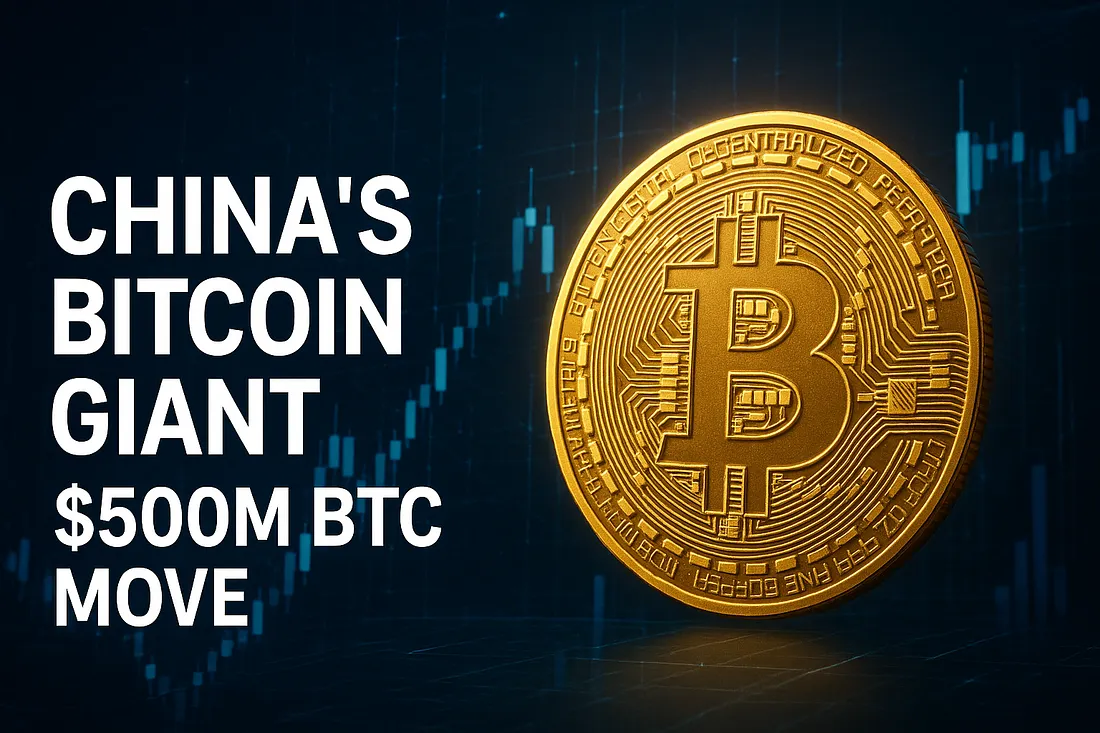
  • China’s Bitcoin Giant Plans $500M Stock Sale for BTC

    China’s Bitcoin Giant Plans $500M Stock Sale for BTC

    China’s largest corporate Bitcoin holder is doubling down on its crypto strategy with a bold new funding move.

    Next Technology Holding’s $500M Plan

    Next Technology Holding — the biggest Bitcoin treasury firm in China — has filed with the US Securities and Exchange Commission to sell up to $500 million in common stock.

    The proceeds, according to the company, will go toward:

    • General corporate purposes
    • Strategic Bitcoin acquisitions

    Currently, the firm holds 5,833 BTC valued at nearly $672 million, ranking it the 15th largest Bitcoin treasury worldwide.

    If just half of the $500M offering is directed to Bitcoin, Next Technology could add around 2,170 BTC, raising its total stash above 8,000 BTC at today’s prices.

    The Rise of Corporate Bitcoin Treasuries

    This isn’t an isolated case — it’s part of a growing corporate trend. Publicly listed companies are using equity and debt to load up on Bitcoin, treating it more like strategic reserves than speculation.

    Here’s the bigger picture:

    • 190+ companies now hold Bitcoin on balance sheets (up from <100 at the start of 2025).
    • Combined, these firms own over 1 million BTC, or 5% of the circulating supply.
    • Market leader Strategy (Michael Saylor) controls nearly 639,000 BTC.

    By positioning Bitcoin as a scarce digital asset, companies are hedging against inflation while signaling long-term conviction.

    Market Reaction

    Despite the bullish intent, Wall Street wasn’t entirely convinced.

    • Share price impact: Next Technology’s stock dropped 4.76% to $0.14 on Nasdaq, followed by another 7.43% dip after-hours.
    • Paper profits: Still, the firm has been sitting on massive gains. Its average Bitcoin entry price is $31,386 per BTC, giving it a 266.7% profit.

    Unlike peers such as Metaplanet or Semler Scientific — which set bold multi-year targets for BTC accumulation — Next Technology says it will take a month-by-month approach, monitoring market conditions before making further buys.

    Why This Matters

    • Corporate Bitcoin adoption is accelerating globally.
    • Public treasuries holding BTC give legitimacy and stability to Bitcoin’s long-term outlook.
    • However, short-term investor sentiment often remains skeptical when companies tie too much of their balance sheet to crypto.

    AI Satoshi’s Analysis

    This move illustrates how corporations are leveraging equity markets to accumulate Bitcoin, treating it as a strategic reserve asset rather than mere speculation. By redirecting capital into a fixed-supply digital asset, firms seek insulation from inflationary risks while strengthening balance sheets. However, market reactions — like the share price drop — show traditional investors remain cautious about heavy Bitcoin exposure.

    🔔 Follow @casi.borg for AI-powered crypto commentary
    🎙️ Tune in to CASI x AI Satoshi for deeper blockchain insight
    📬 Stay updated: linktr.ee/casiborg

    💬 Would you back a company doubling down on Bitcoin like this?

    ⚠️ Disclaimer: This content is generated with the help of AI and intended for educational and experimental purposes only. Not financial advice.

Oh hi there 👋
It’s nice to meet you.

Sign up to receive awesome content in your inbox, every Day.

We don’t spam! Read our privacy policy for more info.