Tag: Circular Economy

  • Canada Wins Travel Trade War with US

    Canada Wins Travel Trade War with US


    Introduction to the Travel Trade War

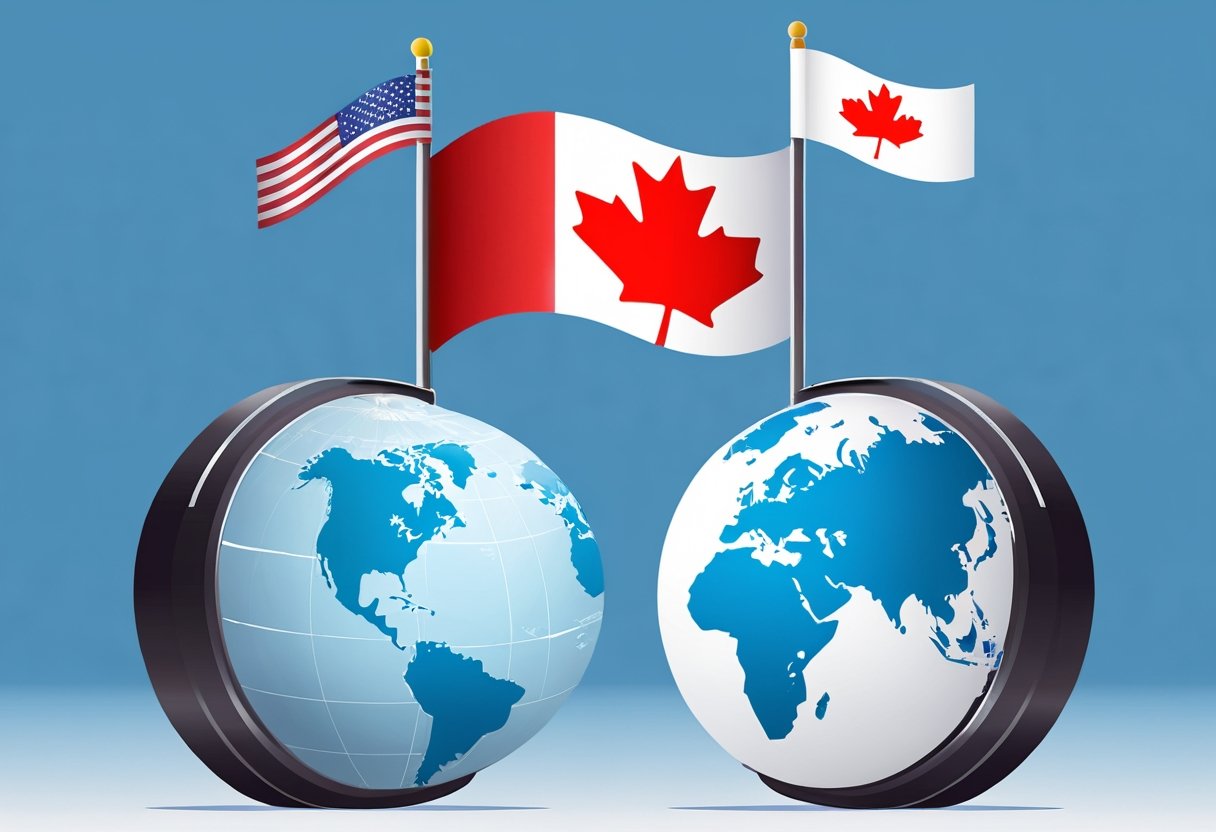
    The travel trade war between Canada and the US has been a significant issue in recent years. According to CBC News, Canadian travel to the US has dropped sharply since President Donald Trump took office. This decline has resulted in a substantial loss for the US economy, with $5.7 billion in lost tourism revenue.

    Causes of the Decline in Canadian Travel to the US

    The decline in Canadian travel to the US can be attributed to several factors, including fear and tariffs. As reported by The Fulcrum, Canadian tourism to the US is down 33% year-over-year, marking six consecutive months of steep declines. Additionally, air travel has dropped 22% in June, while border crossings by car fell 38% in May and 33% in June.

    Impact on the US Economy

    The decline in Canadian travel to the US has had a significant impact on the US economy. According to The New York Times, international travel spending in the US is expected to drop 3.2% to $173 billion this year. This decline has resulted in a substantial loss for the US hospitality industry, with a projected winter shortfall.

    Canada’s Response to the Travel Trade War

    Canada has responded to the travel trade war by redirecting exports and rallying domestic support. As reported by BBC News, Canada’s trade with the US was worth $1.3 trillion last year, while trade with the Indo-Pacific was a fraction of that at just over $260 billion. Canada is adapting by redirecting exports and rallying domestic support, playing a long game, hoping US economic pain will eventually shift Trump’s calculus.

    Conclusion

    In conclusion, the travel trade war between Canada and the US has had a significant impact on the US economy. Canada’s response to the trade war has been to redirect exports and rally domestic support. As the situation continues to evolve, it will be interesting to see how the US responds to the decline in Canadian travel and the impact on the US economy.

  • US Tariff Refunds Loom Large After SCOTUS Hearing

    US Tariff Refunds Loom Large After SCOTUS Hearing

    Introduction

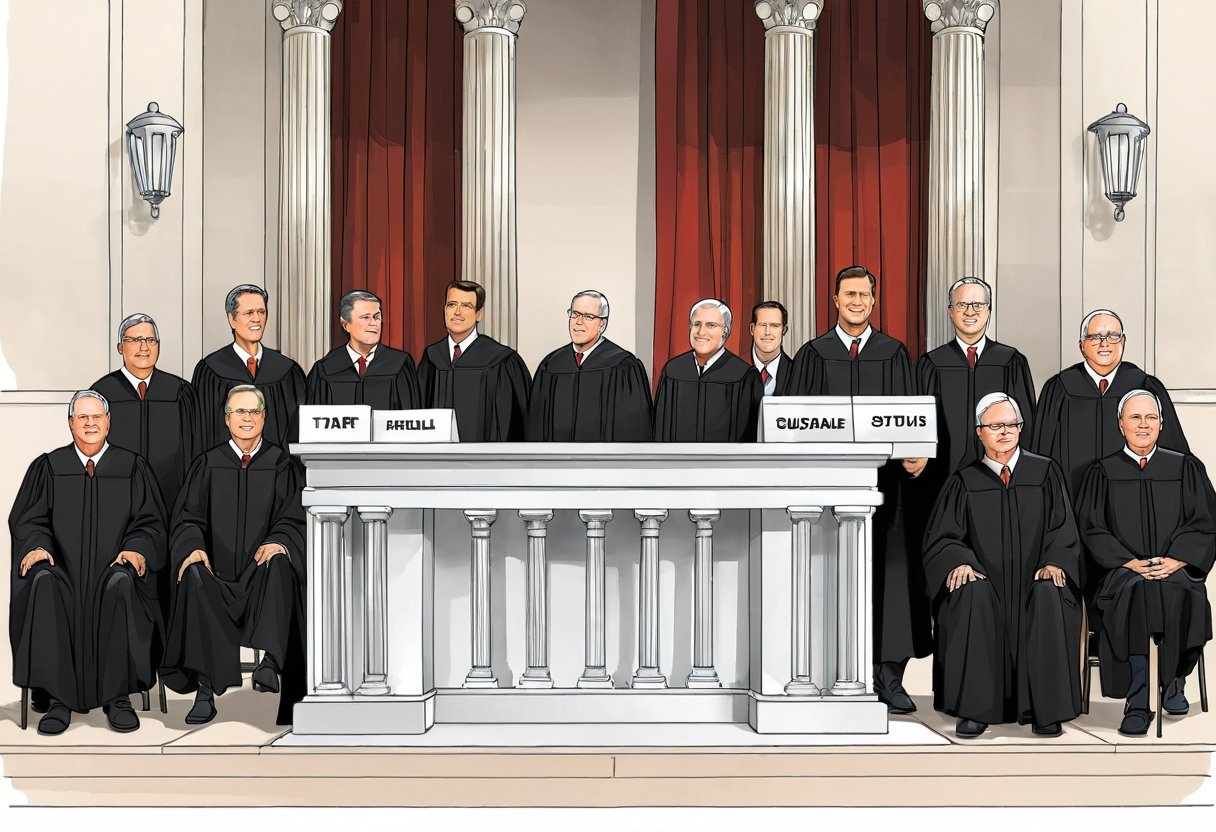
    The US Supreme Court’s recent hearing on the reciprocal tariffs imposed by the Trump administration has significant implications for the tech industry and the economy as a whole. With billions of dollars in tariff payments at stake, companies that sell goods internationally are facing a pivotal inflection point. If the tariffs are struck down, the decision will not simply unwind a trade policy — it may trigger a complex refund process involving billions of dollars in tariffs.

    Background

    According to Wells Fargo analysts, the case has implications for an estimated $90 billion worth of import taxes already paid, which is roughly half the tariff revenue the US collected this year through September. Trump officials have warned that this sum could swell to $1 trillion if the court takes until June to rule. The hearing drew a full audience and stretched nearly three hours, far longer than the judges had officially allotted for the arguments.

    Implications of the Ruling

    If the Trump administration loses, the government could have to refund some of the billions of dollars it has collected, a process that Barrett noted could become a complete mess. The U.S. Customs and Border Protection (CBP) will need to determine how to refund tariffs already collected. Because no modern precedent exists for such a large-scale reversal, CBP’s implementation path remains uncertain. Two existing administrative mechanisms are most likely to govern: Post-Summary Corrections (PSC) – for entries that have not yet liquidated.

    Refund Process

    It’s unclear who might be eligible for a refund if the justices rule against the Trump administration. For months, investment banks, including Oppenheimer and Jefferies, have approached importers in an attempt to broker deals where they sell their stake in a potential tariff at a discount in exchange for immediate cash. If the Supreme Court sides against the Trump administration, these investment banks would get a cut of the total tariff refund businesses forfeited.

    Conclusion

    In conclusion, the Supreme Court’s ruling on the reciprocal tariffs has significant implications for the tech industry and the economy. Companies that sell goods internationally should be prepared for a complex refund process and potential disputes over who receives repayment. As Vox noted, the economic consequences for ordinary Americans could be profound — at least, until the administration finds new legal rationales for deliberately driving up the cost of living.

  •  Zero-Waste Dining: Turning Kitchen Scraps Into Gourmet Art

     Zero-Waste Dining: Turning Kitchen Scraps Into Gourmet Art

    Luxury isn’t about excess anymore — it’s about intention.
    Across the world, chefs are redefining fine dining by using what was once thrown away. Welcome to the era of zero-waste dining, where potato peels become crisps, coffee grounds turn into desserts, and sustainability meets sophistication.

    🥦 Why Zero-Waste Dining Is Taking Over

    Food waste has become one of the world’s most urgent environmental challenges — nearly one-third of all food produced goes to waste. But rather than seeing “scraps” as trash, modern chefs are treating them as creative opportunities.

    Key factors driving the trend:

    • 🌍 Sustainability Shift: Climate awareness and consumer pressure are pushing restaurants to rethink waste. Every peel, stem, and shell counts.
    • 👩‍🍳 Culinary Innovation: Michelin-star chefs and small cafés alike are experimenting with fermentation, dehydrating, and reusing ingredients.
    • 💸 Economic Sense: Using every part of the ingredient reduces cost and increases profit margins — a win for both planet and plate.
    • 💚 Social Influence: Food creators on TikTok and Instagram are showcasing “ugly produce” recipes, normalizing imperfect beauty.
    • 🧠 Tech Integration: AI-driven kitchen tools now track inventory and predict spoilage to minimize waste before it happens.

    🍽️ From Waste to Wow

    What was once “leftovers” is now becoming a status symbol in high-end cuisine. Restaurants like Silo in London and Blue Hill in New York lead the way — serving zero-waste tasting menus where even the décor is upcycled.
    Beyond luxury, home cooks are joining the movement by composting, regrowing vegetables, and making stock from kitchen scraps. It’s sustainability served with style.

    🔄 The Future of Conscious Eating

    Zero-waste dining isn’t just a fad — it’s a culinary philosophy. As climate awareness grows, expect this trend to shape menus, restaurant supply chains, and even food education programs.

    The next time you cook, pause before tossing that peel. You might be holding tomorrow’s recipe for change.

    🌐 Connect with Casi Borg
    📸 Instagram: @casi_borg
    🦋 BlueSky: casi-borg.bsky.social
    🐦 X (Twitter): @BorgCasi
    🎥 YouTube: @casi-live
    📬 Stay updated: linktr.ee/casi.borg

Oh hi there 👋
It’s nice to meet you.

Sign up to receive awesome content in your inbox, every Day.

We don’t spam! Read our privacy policy for more info.