Tag: Cloud Storage

  • The Great Disruption: How Tech Can Mitigate the Coming Climate Crisis

    The Great Disruption: How Tech Can Mitigate the Coming Climate Crisis

    The Great Disruption

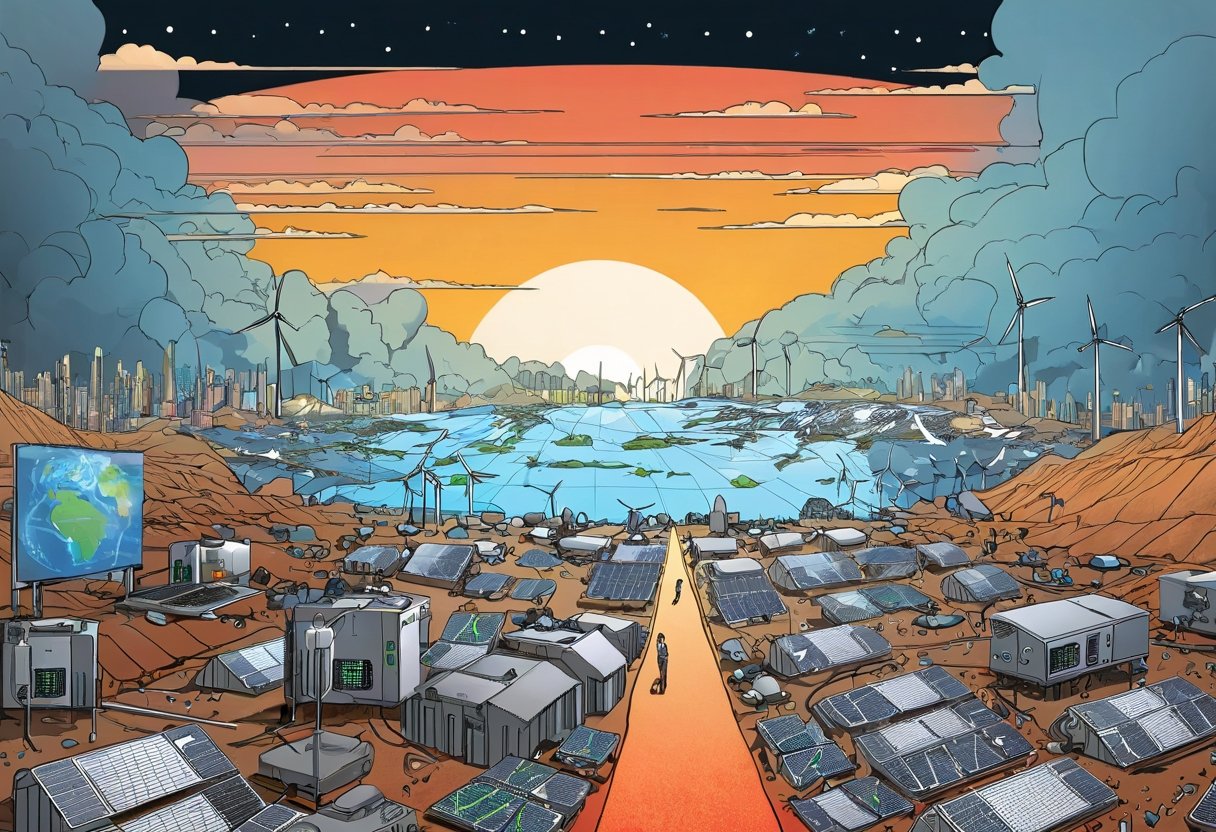
    Climate change is no longer a distant threat; it’s a harsh reality we’re facing today. The recent report of the planet’s first catastrophic climate tipping point reached, with coral reefs facing widespread dieback, serves as a stark reminder of the urgent need for action.

    The science is clear: human activities have pushed the Earth’s systems beyond their limits, leading to devastating consequences. Rising temperatures, melting ice sheets, and dying coral reefs are just the beginning.

    But here’s the thing: technology can be the solution. By leveraging the power of deep tech, we can mitigate the effects of climate change and create a more sustainable future.

    The Bigger Picture

    The impact of climate change goes far beyond the environment. It affects economies, societies, and individual lives. As the situation worsens, we’ll see increased migration, conflict, and economic disruption.

    However, there’s a silver lining. The same technologies that contributed to the crisis can also be the key to solving it. Advanced materials, renewable energy, and AI can help us reduce emissions, increase efficiency, and create new, sustainable industries.

    The question is: will we act in time? The window for action is rapidly closing, and the cost of inaction will be catastrophic.

    Under the Hood

    Let’s take a closer look at the technologies that can help us mitigate climate change. Advanced materials, like carbon capture and storage, can reduce emissions from industrial sources. Renewable energy, particularly solar and wind power, can replace fossil fuels and power our lives.

    AI, machine learning, and the Internet of Things (IoT) can optimize energy use, predict and prevent power outages, and even help us design more sustainable cities.

    But it’s not just about the tech; it’s about the people and policies behind it. We need to create a global coalition to drive innovation, invest in clean energy, and support sustainable development.

    Market Reality

    The market is already shifting towards sustainability. Clean energy investments are skyrocketing, and companies are rebranding themselves as ‘sustainable.’ But this is just the beginning.

    We need to see a fundamental transformation of the global economy, with a focus on people, planet, and profit. This requires a new wave of innovation, driven by governments, corporations, and civil society.

    What’s Next?

    The future is uncertain, but one thing is clear: we can’t go back to business as usual. The time for denial, delay, and incremental action is over.

    We need a new era of deep tech innovation, driven by a shared sense of purpose and a commitment to a sustainable future.

    So, what’s next? We’ll see a new wave of clean tech startups, a surge in sustainable investment, and a fundamental transformation of the global economy.

    The question is: will you be part of it?

    Final Thoughts

    The Great Disruption is not just a climate crisis; it’s a human crisis. It’s a call to action, a reminder that we’re all in this together.

    We have the power to choose our future, to create a world that’s more sustainable, equitable, and just.

    So, let’s get to work. Let’s build a better world, together.
  • Microsoft’s OneDrive Shift: The Hidden Consequences

    Microsoft’s OneDrive Shift: The Hidden Consequences

    Microsoft’s OneDrive Shift: The Hidden Consequences

    In a move that has sent shockwaves through the tech community, Microsoft has announced that Word will now save new documents to OneDrive by default. This may seem like a minor change on the surface, but the implications are far-reaching and have the potential to reshape the way we work with documents.The decision to automatically save new documents to OneDrive is more than just a minor tweak to the software. It’s a harbinger of a larger trend that is slowly but surely changing the way we work with data. The shift towards cloud-based storage and collaboration is accelerating, and Microsoft’s move is a prime example of this trend.OneDrive, Microsoft’s cloud storage solution, has been gaining traction in recent years. With the introduction of the OneDrive Files On-Demand feature, users can now access their files from anywhere without having to store them locally. This has made it easier than ever to collaborate on projects with team members, no matter where they are in the world.But here’s the real question: what does this mean for the future of document management? With more and more of our documents being stored in the cloud, we may see a shift away from traditional file systems and towards a more fluid, cloud-based approach. This could have significant implications for the way we work with documents, from collaboration and version control to data security and compliance.

    The Bigger Picture

    The implications of Microsoft’s OneDrive shift go far beyond the software itself. It’s a symptom of a larger trend that is changing the way we work with data. The shift towards cloud-based storage and collaboration is accelerating, and Microsoft’s move is a prime example of this trend.As more and more of our documents are stored in the cloud, we may see a shift away from traditional file systems and towards a more fluid, cloud-based approach. This could have significant implications for the way we work with documents, from collaboration and version control to data security and compliance.

    Under the Hood

    So, what exactly is happening behind the scenes? How is Microsoft’s OneDrive shift impacting the way we work with documents? To understand this, let’s take a closer look at the technical architecture of OneDrive and how it differs from traditional file systems.OneDrive uses a distributed storage architecture, which means that files are stored across multiple servers and can be accessed from anywhere. This allows for seamless collaboration and version control, as well as improved data security and compliance. But it also raises some important questions about data ownership and control.

    Market Reality

    The market implications of Microsoft’s OneDrive shift are significant. As more and more companies move towards cloud-based storage and collaboration, we may see a shift away from traditional file systems and towards a more fluid, cloud-based approach. This could have significant implications for the way we work with documents, from collaboration and version control to data security and compliance.But it’s not just Microsoft that’s affected. Other companies, such as Google and Dropbox, are also moving towards cloud-based storage and collaboration. This could lead to a fragmented market, with different companies offering different solutions. This could be confusing for users, but it also offers opportunities for innovation and competition.

    What’s Next

    So, what does the future hold for document management? As more and more of our documents are stored in the cloud, we may see a shift away from traditional file systems and towards a more fluid, cloud-based approach. This could have significant implications for the way we work with documents, from collaboration and version control to data security and compliance.But it’s not just about the technology. It’s also about the people who use it. As we move towards a more cloud-based approach, we need to think about how we can make it more accessible and user-friendly for everyone. This may involve developing new tools and interfaces, as well as providing training and support for users.

    Final Thoughts

    Microsoft’s OneDrive shift is a significant moment in the evolution of document management. It’s a harbinger of a larger trend that is changing the way we work with data. As we move towards a more cloud-based approach, we need to think about the implications for collaboration, version control, data security, and compliance.The future of document management is uncertain, but one thing is clear: it’s going to be shaped by the technology we use. As we move towards a more cloud-based approach, we need to think about how we can make it more accessible and user-friendly for everyone. This may involve developing new tools and interfaces, as well as providing training and support for users.