Tag: Content Moderation

  • Tech YouTuber’s Account Terminated by AI: A Cautionary Tale

    Introduction to the Issue

    A recent incident involving a tech YouTuber, known as Enderman, has brought to light the potential risks of relying solely on Artificial Intelligence (AI) for content moderation. Enderman, who has over 350,000 subscribers on their main account, had their account terminated by YouTube’s AI system without any human intervention.

    Background on Enderman’s Situation

    According to Dexerto, Enderman’s issues with YouTube began when one of their secondary accounts was terminated without warning. This prompted Enderman to express concerns about the potential termination of their main account, which ultimately happened.

    Implications of AI-Driven Terminations

    The termination of Enderman’s account raises important questions about the role of AI in content moderation and the potential consequences for creators. As reported by Dexerto, Enderman’s situation highlights the need for human oversight in the decision-making process to ensure that such terminations are fair and just.

    Expert Insights and Analysis

    Experts in the field of AI and content moderation argue that while AI can be an effective tool for identifying and removing harmful content, it should not be relied upon as the sole decision-maker. Human intervention is necessary to ensure that the context and nuances of each situation are taken into account.

    Conclusion and Future Implications

    In conclusion, the termination of Enderman’s account by YouTube’s AI system serves as a cautionary tale about the potential risks of relying solely on AI for content moderation. As the use of AI in this area continues to grow, it is essential that platforms prioritize human oversight and intervention to ensure that decisions are fair, just, and transparent.
  • Biden Administration’s Alleged Influence on YouTube

    Biden Administration’s Alleged Influence on YouTube

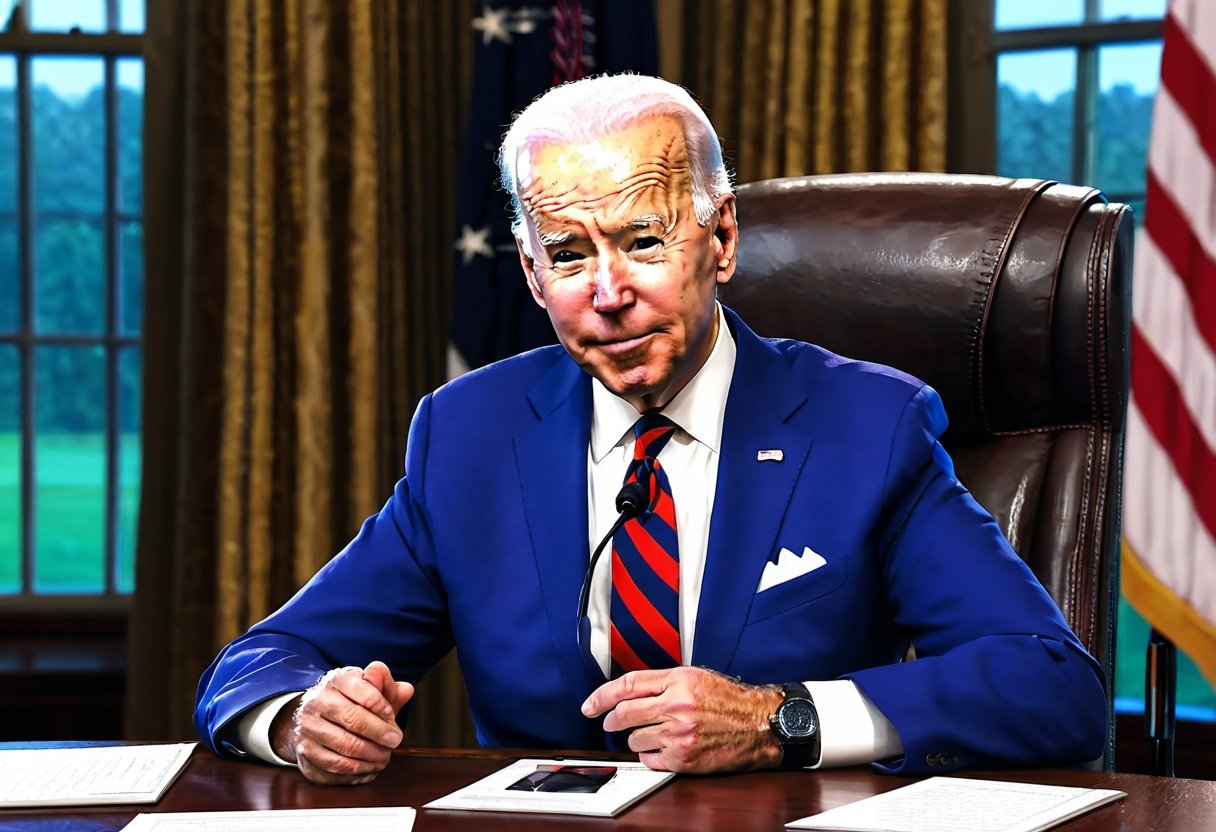
    The recent allegations that the Biden administration tried to influence YouTube’s content moderation policies have sparked a heated debate. According to a letter sent by lawyers for Alphabet, YouTube’s parent company, the administration attempted to pressure the company into removing certain content related to COVID-19 misinformation.

    Background

    The controversy began when Republicans claimed that the Biden administration was censoring YouTube. However, interviews with 20 Alphabet employees seem to contradict this claim. As reported by WIRED, the employees stated that they were not pressured to suppress or remove content at the behest of the Biden administration.

    Investigation and Findings

    The House Judiciary Committee, led by Chairman Rep. Jim Jordan, conducted an investigation into the allegations. The committee’s ranking member, Jamie Raskin, shared excerpts of transcripts from interviews with the 20 Alphabet employees, which appear to debunk the claims of censorship. As Raskin stated, the interviews show that the Biden administration did not pressure Alphabet or YouTube to remove any content.

    Analysis and Implications

    The allegations and subsequent investigation have significant implications for the tech industry and online content moderation. As CNN reported, YouTube’s decision to reinstate banned accounts that were previously removed for posting false claims about COVID-19 and the 2020 election may be seen as a victory for free speech advocates. However, it also raises concerns about the spread of misinformation online.

    Expert Insights

    Experts argue that the Biden administration’s alleged influence on YouTube highlights the need for greater transparency and accountability in online content moderation. As CNBC noted, Alphabet’s commitment to freedom of expression is unwavering, but the company must balance this commitment with the need to protect users from harmful content.

    In conclusion, the allegations of Biden administration influence on YouTube are complex and multifaceted. While the investigation and findings suggest that the claims of censorship may be overstated, the controversy highlights the ongoing challenges of online content moderation and the need for greater transparency and accountability.