Introduction to Microsoft’s Copilot Super App
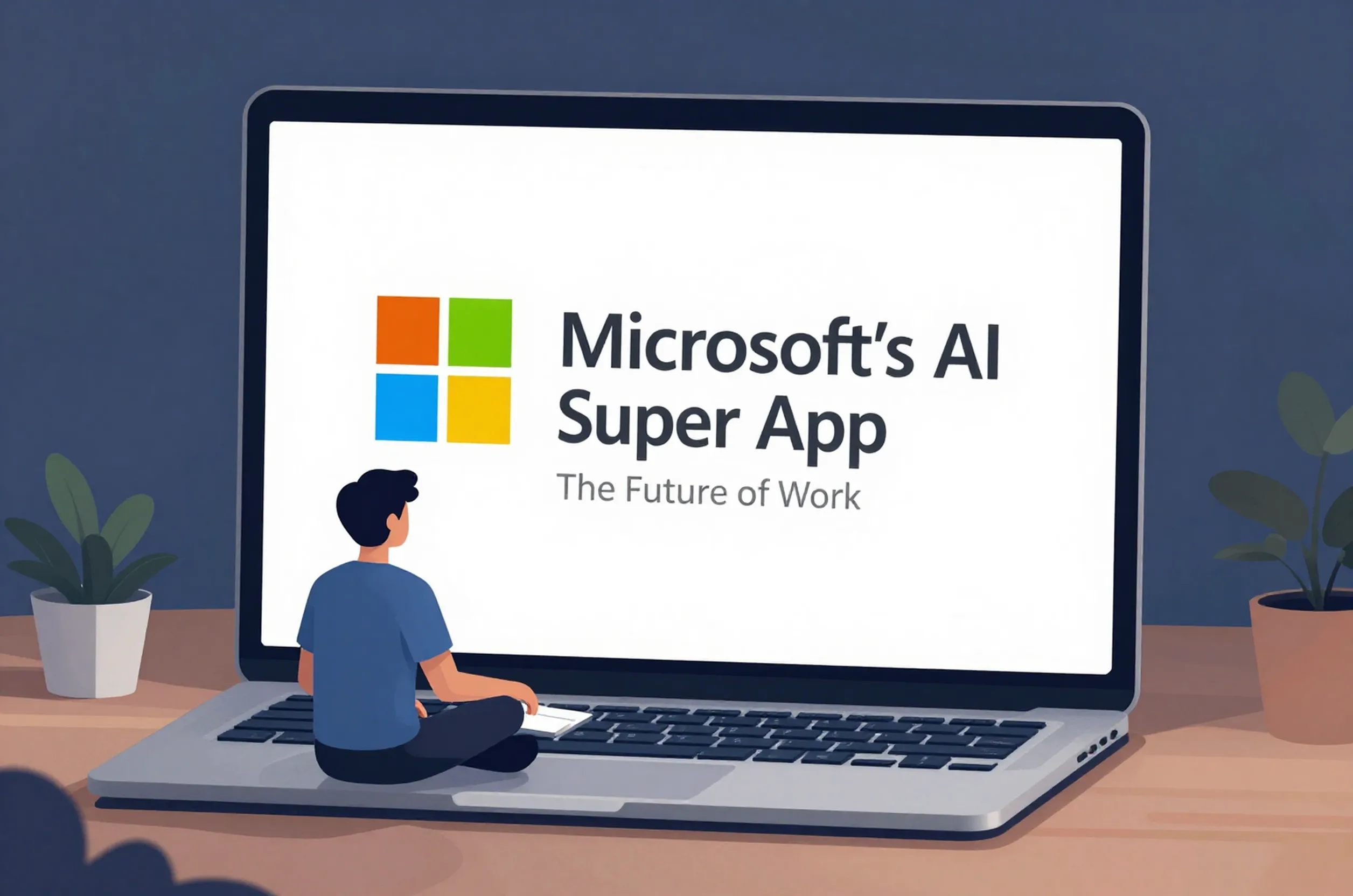
Microsoft is doubling down on multi-model AI as it builds a Copilot super app, aiming to capture users’ attention and provide a seamless experience. During an earnings call, CEO Satya Nadella confirmed that the tech giant is building a Copilot ‘super app’ that will be rolled out this quarter.
Key Features of the Copilot Super App
The new platform will bring together various Copilot tools, including chat, Cowork, long-running Autopilot agents, and the always-on Microsoft Scout, powered by OpenClaw. Microsoft said the super app will be wired into many of its other governance platforms, including Agent 365, IT Ops, SecOps, FinOps, and business processes.
Multi-Model Approach
Even as it builds a super app to bridge workflows, Microsoft is acknowledging enterprise demand for model choice. Customers are making it clear that they don’t want to be locked into one model; they want the ability to move between open, closed, and frontier options based on the best tool for the job.
Model Choice and Swappability
The company claims it has the broadest model catalog in the cloud, offering more than 11,000 models from OpenAI, Anthropic, Mistral, its own MAI family, and others. ‘We are building a new model system, where the harness, context, memory, and action space are separate from any one model family, thereby moving the frontier on the cost-to-outcome curve,’ Nadella said.
Usage-Based Pricing and Demand Gaps
Microsoft is shifting from per-seat to per-seat-plus-consumption pricing; the company recently added usage-based billing to Cowork and Agent 365, and plans to continue that trend across its products. While these moves have resulted in sticker shock and ‘tokenmaxxing’ at many companies, Nadella framed it as a revenue driver.
Closing Data Demand-Capacity Gaps
Microsoft said it will continue to close data demand-capacity gaps. The company added 88 data centers in FY 2026, including 31 across five continents this past quarter. It contended that it is bringing capacity online ‘faster than ever,’ reducing dock-to-live times for new GPUs in its largest regions by nearly 50% over the fiscal year.
As Nadella noted, ‘You should and you can use frontier models. There’s no reason not to.’ However, he emphasized that any given model at any given time should be swappable to democratize design. This approach is reflected in Microsoft’s new Project Perception cybersecurity offering, which features three specialized types of agent (red, blue, and green), and the underlying harness decides which AI model is best suited for a given task.
Conclusion and Future Implications
In conclusion, Microsoft’s Copilot super app is poised to revolutionize the way we work, providing a seamless experience and a wide range of tools to choose from. As the company continues to innovate and expand its offerings, it’s likely that we’ll see significant advancements in the field of AI and its applications in the workplace.