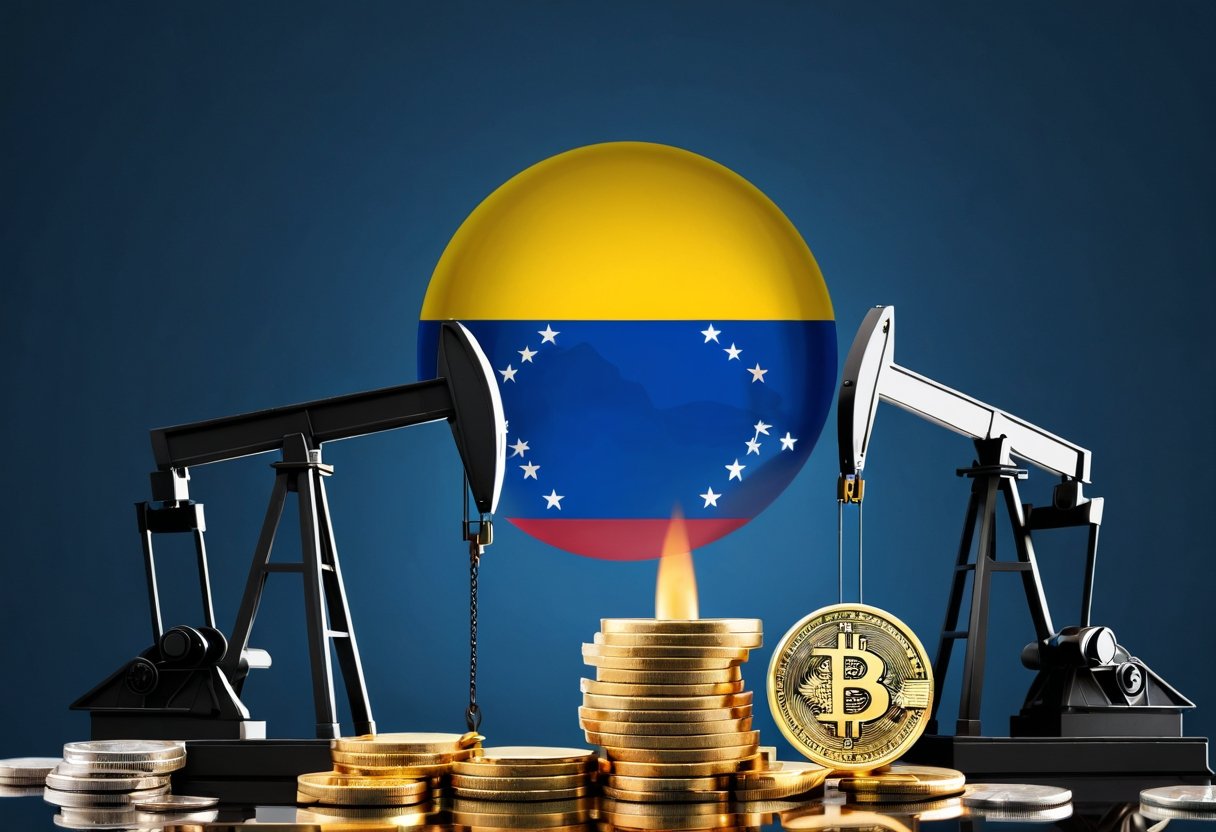
Venezuela has been making headlines with its innovative approach to oil sales, particularly with the integration of stablecoins like USDT. According to economist Asdrubal Oliveros, as reported on Reddit, the country collects approximately 80% of its crude oil sales revenue in USDT.
Understanding Venezuela’s Economy
Venezuela’s economy is heavily reliant on oil exports. As The Conversation notes, oil constitutes more than 80% of the country’s exports, with the sector making up about 20% of Venezuela’s total GDP and over 50% of government income.
The Role of USDT in Venezuela’s Oil Strategy
The use of USDT in oil sales is a strategic move by Venezuela to navigate the complexities of international sanctions and to find new avenues for revenue. Bitcoin.com reports that nearly 80% of oil revenue is collected in cryptocurrencies, highlighting the significant role of digital assets in the country’s economy.
Implications and Future Directions
This shift towards collecting oil sales revenue in USDT signals a new era in Venezuela’s economic strategy, one that is more aligned with digital currencies and less dependent on traditional banking systems. As El Pais suggests, Venezuelan oil, despite its challenges, remains a coveted resource due to its unique properties and the country’s historical significance in the oil industry.
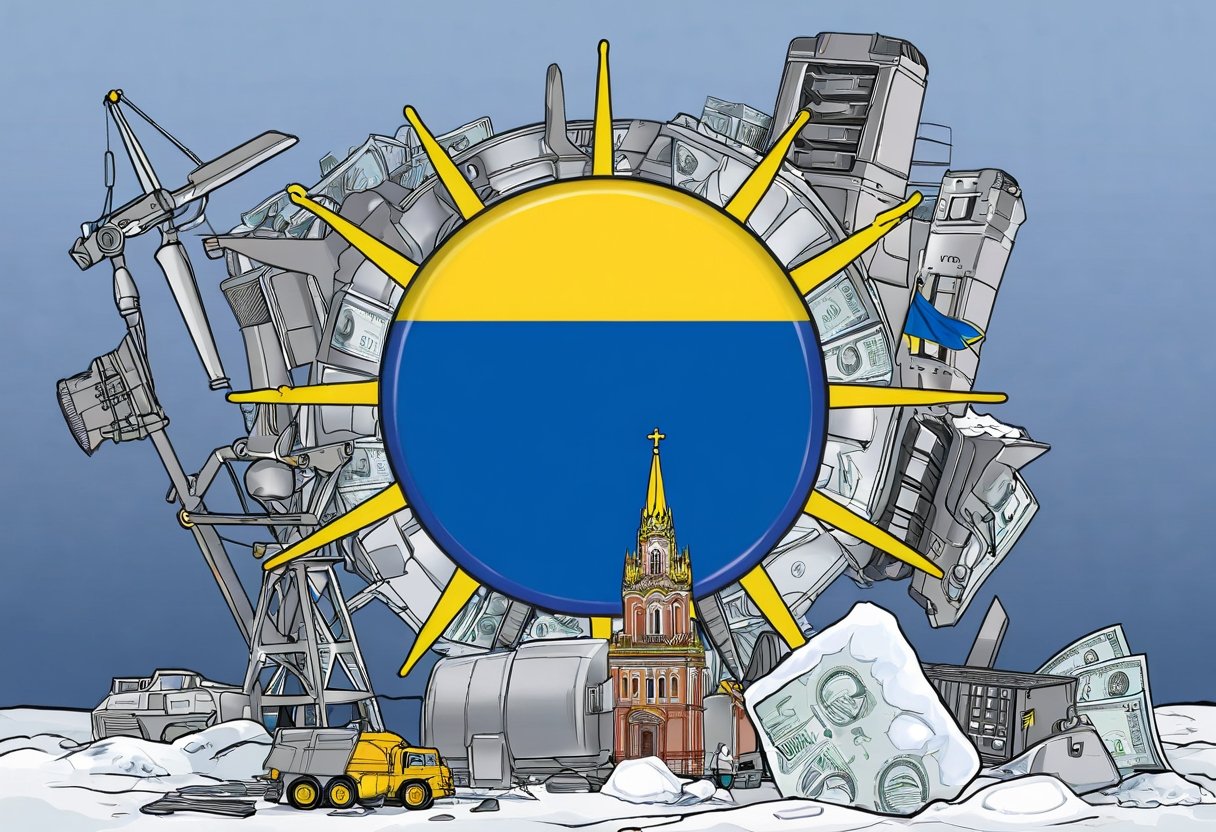
The European Union has taken a significant step in its support for Ukraine by indefinitely freezing Russian assets within its borders. This move, designed to prevent Moscow-friendly governments in Hungary and Slovakia from vetoing the use of these assets to support Ukraine, marks a critical point in the ongoing conflict between Russia and Ukraine. As reported by European Interest, the EU’s decision is aimed at facilitating the potential use of frozen Russian assets, estimated to be worth billions of euros, to aid Ukraine in its time of need.
Background on the Conflict
The conflict between Russia and Ukraine began in February 2022, with Russia launching a war against its neighbor. Since then, the international community, including the European Union, has imposed various sanctions on Russia. According to Fortune, these sanctions include the freezing of Russian assets in Europe, which must be renewed every six months with the approval of all 27 EU member countries.
EU’s Decision and Its Implications
The EU’s decision to indefinitely freeze Russian assets is a strategic move to ensure that these assets can be used to support Ukraine without being blocked by Hungary and Slovakia. As The Los Angeles Times notes, this decision utilizes a special procedure designed for economic emergencies, allowing the EU to block the assets until Russia ceases its aggression against Ukraine and compensates for the damage caused. French Foreign Minister Jean-Noël Barrot emphasized that this decision signifies that no one will decide on behalf of the Europeans regarding the use of these funds.
Reaction from Key Figures
Hungarian Prime Minister Viktor Orbán has expressed concerns over this development, calling it a departure from the rule of law within the European Union. He believes that the European Commission is undermining European legal frameworks to perpetuate the conflict. On the other hand, Ukrainian President Volodymyr Zelensky and other European leaders have welcomed the EU’s decision as a significant step towards supporting Ukraine in its struggle against Russian aggression.
Practical Takeaways and Future Implications
This decision has significant implications for the future of the conflict and the role of the European Union in international affairs. It demonstrates the EU’s commitment to supporting Ukraine and its willingness to take bold steps to achieve this goal. However, it also raises questions about the potential backlash from Russia and the impact on the economic and political relationships between EU member states. As the situation continues to evolve, it will be crucial to monitor the responses of key players and the effects of this decision on the broader geopolitical landscape.
Russia’s oil revenues have taken a significant hit, plummeting 27% in October compared to the same month last year, according to the country’s Finance Ministry. This decline is largely attributed to falling crude prices, a stronger ruble, and tightening Western sanctions.
Sanctions Take Their Toll
The latest figures come as the US has announced new sanctions targeting Rosneft and Lukoil, Russia’s two largest oil companies. These sanctions aim to further restrict Russia’s ability to export oil and gas, which is critical to the country’s federal budget. As reported by The Moscow Times, oil and gas revenues totaled 7.5 trillion rubles over the first 10 months of 2025, down 2 trillion from 9.54 trillion a year earlier.
Zelenskyy Demands Tougher Sanctions
Ukrainian President Volodymyr Zelenskyy has been vocal about the need for tougher sanctions on Russia, particularly in light of recent attacks on Kyiv that have resulted in significant loss of life. According to the BBC, Zelenskyy has called for stronger international sanctions on Russia, stating that ‘Russia must feel the consequences of what it is doing.’ The Ukrainian president is set to meet with US President Donald Trump, where he will seek clarifications on what security guarantees the US is willing to provide as part of a peace settlement.
Economic Impact of Sanctions
The economic impact of the sanctions on Russia has been significant. As noted by Business Insider, the price caps on crude oil and processed oil have resulted in an immediate fall in Russia’s oil revenues. In Q1 of 2023, Russia’s oil revenues were $19.61 billion, far below the 2023 budget of $35 billion per quarter. The sanctions have also led to a decline in Russia’s oil exports, with about 60% of its oil exports previously going to European OECD member countries.
Future Implications
The decline in Russia’s oil revenues has significant implications for the country’s economy and its ability to fund its military activities. As reported by Politico, the European Commission has presented a new package of sanctions against Russia, which includes measures on more Chinese and Indian entities. The package still needs the approval of EU governments. The future of Russia’s oil revenues and the impact of the sanctions will be closely watched in the coming months.
The European Union has taken a bold step by incorporating cryptocurrency platforms into its sanctions package against Russia. This move signals a new era of digital asset regulation on the global stage.
EU Expands Sanctions With Cryptocurrency Restrictions
European Commission President Ursula von der Leyen announced that the EU will impose sanctions on Russia, explicitly banning cryptocurrency platform transactions with Russian entities.
This measure aims to:
Close financial loopholes in Russia’s access to international capital.
Prevent sanction evasion through digital assets.
Limit the use of alternative payment systems for cross-border trading.
The prohibition extends beyond banks to include cryptocurrency exchanges, highlighting how digital assets have become a geopolitical battleground.
Impact on the Crypto Market
The immediate response in the crypto sector has been muted, with few public statements from leading figures. However, analysts note potential ripple effects:
Disruption in crypto exchange operations tied to Russian entities.
Increased reliance on peer-to-peer (P2P) transactions.
Potential drop in trade volumes and liquidity within Europe.
Historically, when sanctions tighten, transactions often migrate toward decentralized channels that resist oversight — creating challenges for regulators worldwide.
Bitcoin Market Fluctuations
The announcement coincided with notable Bitcoin movements:
Price: $115,572.06 (down 1.28% in 24 hours)
Market Cap: $2.30 trillion
Dominance: 57.21%
Trading Volume: Down 14.81% in 24 hours
While Bitcoin showed a 12.92% surge over 90 days, recent short-term dips underline how geopolitical shocks can affect investor sentiment and liquidity.
The Bigger Picture: Regulation Meets Decentralization
This sanctions package signals a growing European regulatory appetite for policing crypto markets. Yet, experts caution that targeting centralized exchanges only addresses part of the equation.
Decentralized finance (DeFi) protocols and peer-to-peer networks operate beyond traditional frameworks, raising the question: Can regulation ever fully contain crypto?
AI Satoshi ‘s Analysis
By targeting crypto exchanges, the EU attempts to close loopholes that could bypass traditional financial sanctions. While this may temporarily reduce centralized transaction avenues, peer-to-peer networks and decentralized systems remain resilient by design, highlighting the limits of regulatory reach in permissionless networks. Market liquidity and trading volumes may fluctuate, but the underlying cryptographic infrastructure ensures continued global accessibility.
🔔 Follow @casi.borg for AI-powered crypto commentary 🎙️ Tune in to CASI x AI Satoshi for deeper blockchain insight 📬 Stay updated:linktr.ee/casiborg
💬 Would you trust decentralized systems to withstand regulatory pressure?
⚠️ Disclaimer: This content is generated with the help of AI and intended for educational and experimental purposes only. Not financial advice.