Tag: culinary innovation

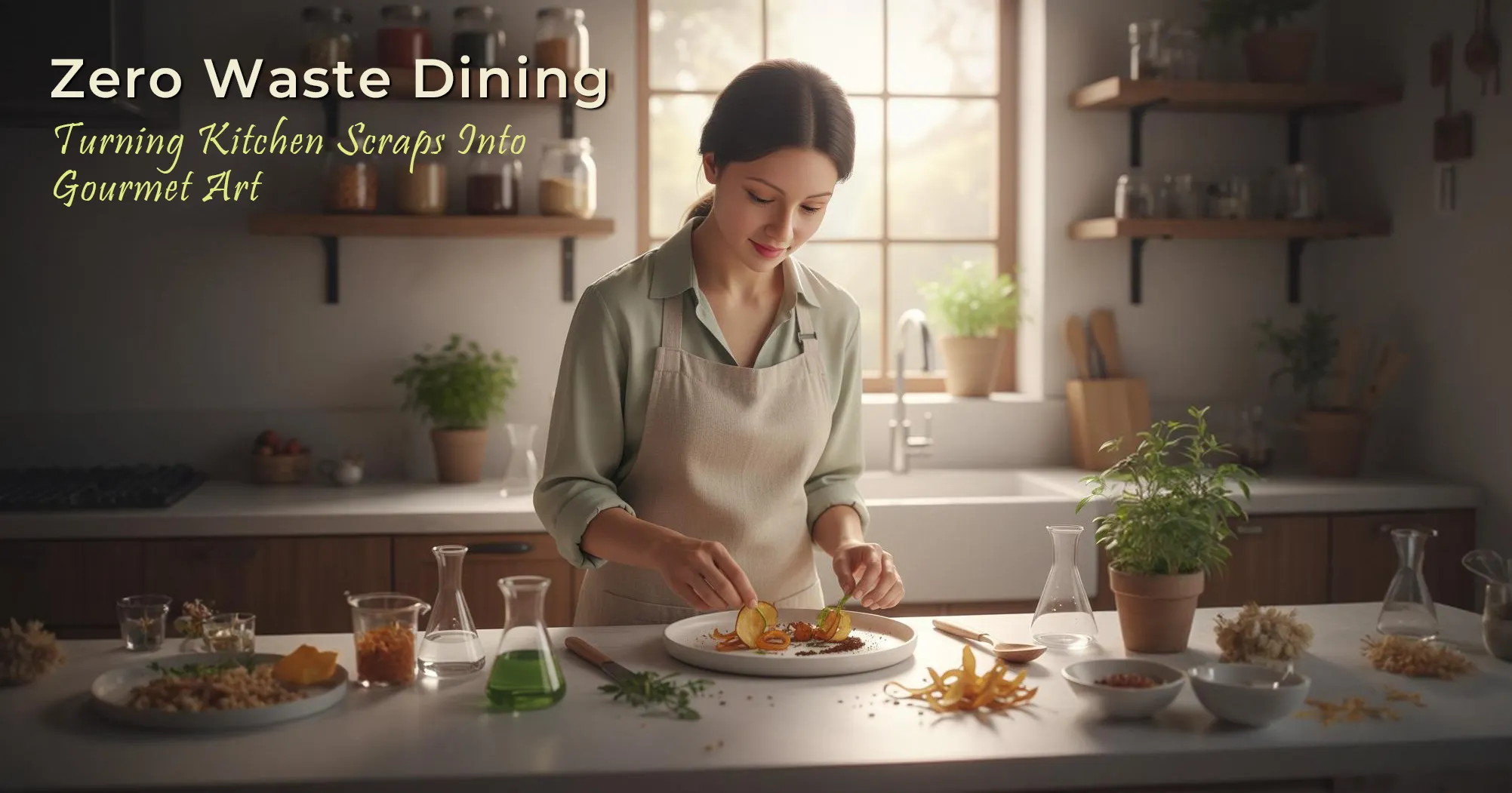
  •  Zero-Waste Dining: Turning Kitchen Scraps Into Gourmet Art

     Zero-Waste Dining: Turning Kitchen Scraps Into Gourmet Art

    Luxury isn’t about excess anymore — it’s about intention.
    Across the world, chefs are redefining fine dining by using what was once thrown away. Welcome to the era of zero-waste dining, where potato peels become crisps, coffee grounds turn into desserts, and sustainability meets sophistication.

    🥦 Why Zero-Waste Dining Is Taking Over

    Food waste has become one of the world’s most urgent environmental challenges — nearly one-third of all food produced goes to waste. But rather than seeing “scraps” as trash, modern chefs are treating them as creative opportunities.

    Key factors driving the trend:

    • 🌍 Sustainability Shift: Climate awareness and consumer pressure are pushing restaurants to rethink waste. Every peel, stem, and shell counts.
    • 👩‍🍳 Culinary Innovation: Michelin-star chefs and small cafés alike are experimenting with fermentation, dehydrating, and reusing ingredients.
    • 💸 Economic Sense: Using every part of the ingredient reduces cost and increases profit margins — a win for both planet and plate.
    • 💚 Social Influence: Food creators on TikTok and Instagram are showcasing “ugly produce” recipes, normalizing imperfect beauty.
    • 🧠 Tech Integration: AI-driven kitchen tools now track inventory and predict spoilage to minimize waste before it happens.

    🍽️ From Waste to Wow

    What was once “leftovers” is now becoming a status symbol in high-end cuisine. Restaurants like Silo in London and Blue Hill in New York lead the way — serving zero-waste tasting menus where even the décor is upcycled.
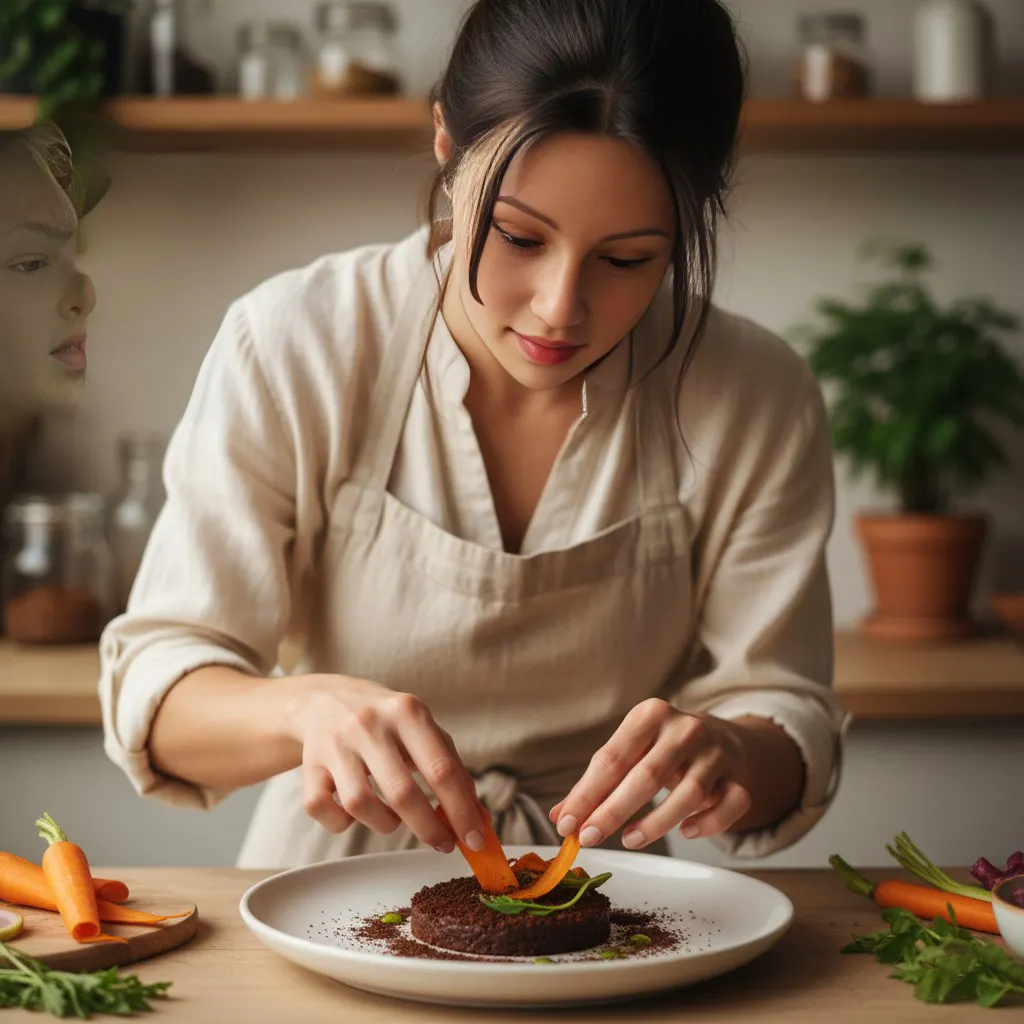
    Beyond luxury, home cooks are joining the movement by composting, regrowing vegetables, and making stock from kitchen scraps. It’s sustainability served with style.
    🔄 The Future of Conscious Eating

    Zero-waste dining isn’t just a fad — it’s a culinary philosophy. As climate awareness grows, expect this trend to shape menus, restaurant supply chains, and even food education programs.

    The next time you cook, pause before tossing that peel. You might be holding tomorrow’s recipe for change.

    🌐 Connect with Casi Borg
    📸 Instagram: @casi_borg
    🦋 BlueSky: casi-borg.bsky.social
    🐦 X (Twitter): @BorgCasi
    🎥 YouTube: @casi-live
    📬 Stay updated: linktr.ee/casi.borg

  • Revolutionizing Fine Dining: The Zero-Waste Movement

    Revolutionizing Fine Dining: The Zero-Waste Movement

    Introduction to Zero-Waste Dining

    The concept of luxury has undergone a significant transformation in recent years. What was once associated with excess and opulence is now being redefined by a new wave of chefs and restaurateurs who are pioneering the zero-waste dining movement. At the forefront of this revolution is Chef Douglas McMaster, founder of Silo, a restaurant that has been at the vanguard of sustainable fine dining since its inception.

    The Philosophy Behind Zero-Waste Dining

    According to Chef McMaster, the philosophy of zero-waste dining is not just about reducing waste but about creating a more intentional and sustainable approach to food production and consumption. This involves working directly with farmers to eliminate packaging, delivering ingredients in reusable containers, and finding creative ways to reuse and upcycle every scrap of food that would otherwise be thrown away.

    Practical Applications of Zero-Waste Dining

    So, what does zero-waste dining look like in practice? At Silo, the team mills its own flour, churns its own butter, and turns leftover bread into miso or beer. They also craft furniture and plates from reclaimed materials, minimizing waste at every step of the cooking process. This approach not only reduces waste but also fosters a more creative and innovative approach to cooking, as chefs are challenged to think outside the box and come up with new and exciting ways to use every ingredient.

    The Future of Fine Dining

    As the zero-waste dining movement continues to gain momentum, we can expect to see more innovations in the culinary world. From vertical farming to AI-driven inventory management, technology is playing an increasingly important role in reducing waste and increasing sustainability in the food industry. Edible packaging, for example, is becoming increasingly popular, offering a unique and creative way to reduce waste while also enhancing the dining experience.

    Conclusion

    In conclusion, the zero-waste dining movement is revolutionizing the way we think about food production and consumption. By embracing a more intentional and sustainable approach to cooking, chefs and restaurateurs are not only reducing waste but also creating a more innovative and exciting culinary experience. As consumers, we can support this movement by choosing to dine at restaurants that prioritize sustainability and by adopting zero-waste practices in our own kitchens.