Tag: decentralized finance

  • Gold vs Bitcoin: A Watershed Moment for Digital Gold

    Gold vs Bitcoin: A Watershed Moment for Digital Gold

    The world of gold and cryptocurrency has witnessed a dramatic shift in recent months, with gold prices cooling off after a strong run-up and Bitcoin gaining attention as the digital heir to gold’s throne. The question on everyone’s mind is: could a fall in gold prices spark a ‘digital gold’ rally for Bitcoin?

    As we dive into the intricacies of this emerging trend, it’s essential to understand the historical context. Gold has long been seen as a store of value, a hedge against inflation and market volatility. Its recent price decline has led many to wonder if this is the end of gold’s reign. Meanwhile, Bitcoin, often described as digital gold, has been gaining traction as a decentralized alternative.

    The ETF flows have been a significant factor in gold’s price movement, with investors turning to Bitcoin as a more attractive option. This shift in investor sentiment could be the catalyst for Bitcoin’s next bull leg. But what does this mean for the future of gold and cryptocurrency?

    The Bigger Picture

    The decline of gold prices has significant implications for the global economy. As a store of value, gold has traditionally been a safe-haven asset during times of uncertainty. Its price decline suggests that investors are increasingly turning to alternative assets, such as Bitcoin, as a hedge against economic instability.

    Moreover, the rise of decentralized finance (DeFi) has created a new landscape for investors, with Bitcoin at the forefront. The growth of DeFi platforms has made it easier for individuals to access and participate in the cryptocurrency market, further fueling Bitcoin’s appeal.

    The intersection of gold and Bitcoin is a fascinating topic, with many experts predicting a continued decline in gold prices and a corresponding rise in Bitcoin’s value. But what are the underlying drivers of this trend, and what can we expect in the future?

    Under the Hood

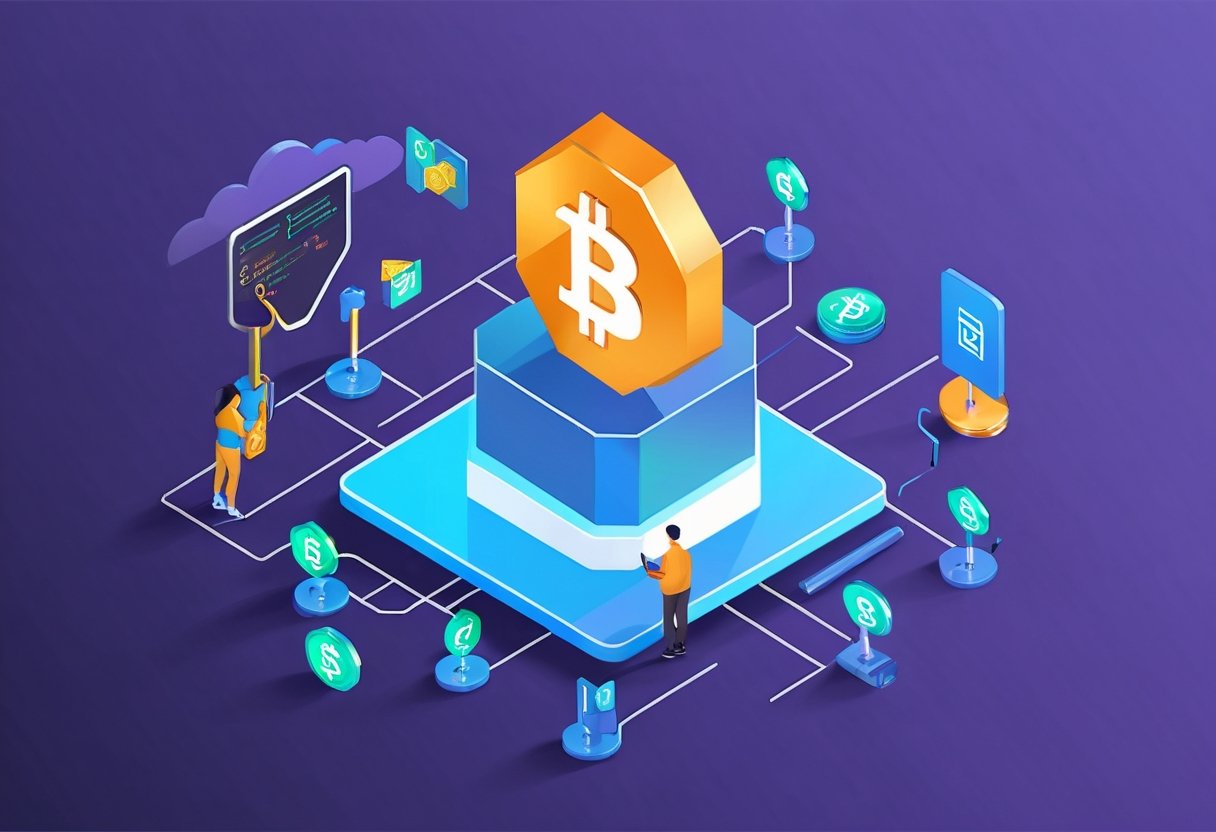
    From a technical perspective, the growth of DeFi has created new opportunities for investors to access Bitcoin. By leveraging decentralized platforms, individuals can now buy, sell, and trade Bitcoin without the need for traditional intermediaries.

    The rise of stablecoins, such as USDT and USDC, has also made it easier for investors to enter the market. These cryptocurrencies are pegged to the value of traditional currencies, reducing the risk associated with price volatility.

    Moreover, the increasing adoption of blockchain technology has improved the efficiency and transparency of Bitcoin transactions. This has made it more attractive to institutions, which are now beginning to take notice of Bitcoin’s potential.

    Market Reality

    The market impact of this trend is already being felt, with Bitcoin prices experiencing significant growth in recent months. As more investors turn to Bitcoin as a store of value, its value is likely to continue rising.

    However, the decline of gold prices also poses risks for the global economy. A prolonged decline in gold prices could lead to a decrease in investor confidence, which could have far-reaching consequences for the financial markets.

    What’s Next

    As we look to the future, it’s essential to consider the implications of this trend. Will Bitcoin continue to rise in value, or will gold prices recover? The answer lies in understanding the underlying drivers of this trend and the potential risks and opportunities it presents.

    The intersection of gold and Bitcoin is a complex topic, with many variables at play. By examining the historical context, technical drivers, and market reality, we can gain a deeper understanding of this emerging trend and its potential implications for the future of cryptocurrency and the global economy.

    Key Takeaways

    The decline of gold prices has significant implications for the global economy.

    The rise of decentralized finance (DeFi) has created a new landscape for investors, with Bitcoin at the forefront.

    The intersection of gold and Bitcoin is a complex topic, with many variables at play.

    By examining the historical context, technical drivers, and market reality, we can gain a deeper understanding of this emerging trend and its potential implications for the future of cryptocurrency and the global economy.

    As we look to the future, it’s essential to consider the implications of this trend and the potential risks and opportunities it presents.

  • The One Trade Revolutionizing Crypto

    The One Trade Revolutionizing Crypto

    The Crypto Bull Run 2025: A New Era for Investing

    Pantera Capital’s Dan Morehead has made waves in the crypto world with his prediction of a new bull run. But what’s behind this optimism, and how can investors make the most of it? As I dug deeper into the world of cryptocurrency, I found myself wondering if this ‘one trade’ is a harbinger of a global shift.The idea that every asset rally can be attributed to the one core trade of fiat money debasement has been around for a while. However, it’s Dan Morehead’s take on it that I find particularly compelling. He believes that this ‘one trade’ is far from over and that we’re entering a new era of investing. But what does this really mean for investors? And how does this relate to the world of cryptocurrency?As I explored the world of crypto, I noticed the growing number of investors and businesses that are looking to capitalize on the rise of alternative assets. This is not just about investing in cryptocurrencies; it’s also about the technological advancements that are driving this change. For instance, the blockchain technology that underpins many cryptocurrencies is increasingly being used in real-world applications. This has led to a surge in the development of decentralized finance (DeFi) platforms, which promise to disrupt traditional banking methods.But here’s the thing: this shift towards cryptocurrency and DeFi is not just about making quick profits. It’s about fundamentally changing the way we approach finance and investing. By cutting out intermediaries and leveraging the power of blockchain technology, we can create a more transparent, efficient, and accessible financial system.

    The Bigger Picture

    So what does this really mean for investors? In short, it means that we’re entering a new era of investing where alternative assets are becoming increasingly important. Whether you’re interested in cryptocurrency, blockchain, or DeFi, the key takeaway is that this ‘one trade’ is a signal of a global shift towards more decentralized and accessible financial systems.

    Under the Hood

    To fully appreciate the implications of this shift, let’s take a look under the hood. The blockchain technology that underpins many cryptocurrencies is built on the principles of decentralized governance and the use of smart contracts. These smart contracts enable the creation of decentralized applications (dApps) that can be accessed by anyone with an internet connection. This has led to a surge in the development of DeFi platforms, which promise to disrupt traditional banking methods.One example of a decentralized finance platform is MakerDAO, which allows users to create and manage their own stablecoins. By leveraging the power of smart contracts, MakerDAO enables users to create stablecoins that are backed by a basket of assets, including fiat currencies and cryptocurrencies. This has created a new era of financial innovation, where users can access a wide range of financial services without the need for intermediaries.

    Market Reality

    So what’s the market reality of this shift? In short, it’s a rapidly changing landscape where traditional banking methods are being disrupted by decentralized finance platforms. This has created new opportunities for investors, but it also presents challenges. For instance, the lack of regulatory clarity in the world of cryptocurrency has led to a number of high-profile scandals. However, this is also creating a new era of innovation, where entrepreneurs are developing new solutions to these challenges.

    What’s Next

    So what’s next for this ‘one trade’? In short, it’s a signal of a global shift towards more decentralized and accessible financial systems. Whether you’re interested in cryptocurrency, blockchain, or DeFi, the key takeaway is that this is a market in flux. As we look to the future, one thing is clear: this shift towards decentralized finance is only just beginning.

    Final Thoughts

    The one trade revolutionizing crypto is not just about investing in alternative assets; it’s about fundamentally changing the way we approach finance and investing. By leveraging the power of blockchain technology and DeFi platforms, we can create a more transparent, efficient, and accessible financial system. Whether you’re interested in the world of cryptocurrency or not, this shift is worth paying attention to.

  • The Rise of M2: Bitcoin’s Hidden Opportunity

    The Rise of M2: Bitcoin’s Hidden Opportunity

    The Compelling Intersection of Finance and Tech

    In the world of finance, few topics have garnered as much attention in recent years as the rise of M2, Bitcoin’s seemingly undervalued status, and the implications it holds. But here’s the reality: this story is not just about money – it’s about innovation, risk, and the future of global markets.As I dived into the data and insights surrounding this phenomenon, I discovered a compelling narrative that speaks to the heart of where we’re headed as a global community. The intersection of finance and technology has given birth to a new era of opportunity, but also one of unprecedented risk. The question is: are we prepared for what’s next?The Story UnfoldsIt all began with a simple chart: the M2 money supply growth rate, which has been skyrocketing in recent years. This, combined with the undervalued status of Bitcoin, hints at a fascinating scenario. But here’s the thing: most people miss the real story. They focus on the surface-level analysis, the market fluctuations, and the price movements. But that’s not where the real value lies.The M2 money supply growth rate is a clear indicator of the economy’s health, and its rapid rise suggests that we’re entering a period of unprecedented growth. But growth can be a double-edged sword. While it brings new opportunities, it also increases the risk of overheating and eventual collapse. This is where Bitcoin comes in – an asset class that offers an intriguing alternative to traditional investments.The Bigger PictureSo, why does this matter? The answer lies in the fundamental shift happening in global markets. As the M2 money supply continues to rise, we’ll see increased demand for alternative assets like Bitcoin. This, in turn, will drive up the price, making it more attractive to investors. But here’s the catch: not everyone is aware of this opportunity. In fact, most people still underestimate the potential of Bitcoin and other digital assets.Under the HoodFrom a technical standpoint, the M2 money supply growth rate is a clear indicator of the money supply’s velocity. This, combined with the undervalued status of Bitcoin, suggests that we’re entering a period of increased risk and opportunity. But how does this play out in reality?Imagine a world where traditional investments are no longer the go-to choice for savvy investors. Instead, they’re turning to alternative assets like Bitcoin and other digital currencies. This would have a profound impact on global markets, driving up prices and creating new opportunities for investors.Market RealityThe market reality is clear: M2 is rising, and Bitcoin is undervalued. But what does this mean for individual investors? The answer lies in their willingness to take on risk. For those who are willing to venture into the unknown, the potential rewards are substantial. However, for those who are risk-averse, the consequences can be severe.As we navigate this new reality, it’s essential to stay informed and adaptable. The landscape is changing rapidly, and those who fail to evolve will be left behind. This is a story about innovation, risk, and the future of global markets. It’s a story that requires a nuanced understanding of the underlying forces at play.What’s NextSo, what’s next? As the M2 money supply continues to rise, we can expect to see increased demand for alternative assets like Bitcoin. This will drive up prices, making it more attractive to investors. But here’s the thing: this is not a short-term play. It’s a long-term strategy that requires patience, persistence, and a willingness to adapt.As we look to the future, it’s essential to consider the broader implications of this trend. What does it mean for global markets? What does it mean for individual investors? And what does it mean for the future of finance as a whole? These are the questions that will shape the narrative of the next decade.What This Means for InvestorsThe rise of M2 and the undervalued status of Bitcoin offer a unique opportunity for savvy investors. But it’s essential to approach this with caution. The risks are real, and the consequences can be severe. However, for those who are willing to take on the challenge, the potential rewards are substantial.As we navigate this new reality, it’s essential to stay informed and adaptable. The landscape is changing rapidly, and those who fail to evolve will be left behind. This is a story about innovation, risk, and the future of global markets. It’s a story that requires a nuanced understanding of the underlying forces at play.Looking ForwardAs we look to the future, it’s essential to consider the broader implications of this trend. What does it mean for global markets? What does it mean for individual investors? And what does it mean for the future of finance as a whole? These are the questions that will shape the narrative of the next decade.Final ThoughtsThe rise of M2 and the undervalued status of Bitcoin offer a unique opportunity for savvy investors. But it’s essential to approach this with caution. The risks are real, and the consequences can be severe. However, for those who are willing to take on the challenge, the potential rewards are substantial. As we navigate this new reality, it’s essential to stay informed and adaptable. The landscape is changing rapidly, and those who fail to evolve will be left behind.

  • Unpacking the Future of Blockchain with Solana DEX Jupiter’s Ultra v3

    Unpacking the Future of Blockchain with Solana DEX Jupiter’s Ultra v3

    As the blockchain landscape continues to evolve, one name stands out for its innovative advancements: Solana DEX Jupiter. The recent launch of Ultra v3 has sent shockwaves through the industry, with promises of 100x faster routing and 34x stronger protection. But what does this mean for the future of blockchain, and why should we care?

    The Story Unfolds

    The journey to Ultra v3 began with a focus on scalability and security. Solana DEX Jupiter’s team recognized that current blockchain architectures were struggling to keep pace with the demands of a growing user base. By leveraging novel technologies like proof-of-stake and parallel processing, they aimed to create a more efficient and robust platform.As the development process progressed, the team encountered numerous challenges. From optimizing network congestion to addressing security vulnerabilities, every obstacle presented an opportunity for innovation. The result is Ultra v3, a platform that not only meets but exceeds the expectations of even the most ardent cryptocurrency enthusiasts.

    The Bigger Picture

    But why should we, as users and investors, care about Solana DEX Jupiter’s advancements? The truth is, this technology has far-reaching implications for the broader blockchain ecosystem. With Ultra v3, we’re witnessing the birth of a new era in decentralized finance (DeFi). One where transactions are faster, more secure, and accessible to a wider audience.This is more than just a technical upgrade; it’s a paradigm shift. As the adoption of blockchain technology continues to grow, we’ll see increased pressure on existing networks to adapt and innovate. Solana DEX Jupiter’s Ultra v3 is the embodiment of this movement, pushing the boundaries of what’s possible in the world of blockchain.

    Under the Hood

    So, what exactly makes Ultra v3 tick? At its core, the platform relies on a novel combination of proof-of-stake and parallel processing. By leveraging these technologies, Solana DEX Jupiter’s team has created a more efficient and scalable architecture that can handle a significant increase in transactions.But the real magic lies in the implementation. The team has developed a unique approach to network congestion, using a combination of congestion control and parallel processing to ensure that transactions are processed quickly and securely. This not only reduces latency but also increases the overall throughput of the network.

    The Market Reality

    As the market reacts to Solana DEX Jupiter’s Ultra v3, we’re seeing a mix of excitement and skepticism. Some investors are hesitant to dive in, citing concerns about market volatility and the uncertain regulatory landscape. However, those who are willing to take the leap are being rewarded with significant returns on investment.The truth is, the success of Solana DEX Jupiter’s Ultra v3 is not just about the technology itself; it’s about the vision and leadership of the team behind it. By pushing the boundaries of what’s possible in blockchain, they’re paving the way for a brighter future.

    What’s Next?

    As we look to the future, one thing is clear: Solana DEX Jupiter’s Ultra v3 is just the beginning. The team is committed to continuous innovation, with a roadmap that includes further improvements to scalability and security.But the implications go beyond just the technology itself. We’re witnessing a fundamental shift in the way we think about blockchain and decentralized finance. One where speed, security, and accessibility are no longer just nice-to-haves but requirements for success.

    Final Thoughts

    In conclusion, Solana DEX Jupiter’s Ultra v3 is a game-changer. It represents a new era in blockchain technology, one where speed, security, and accessibility are no longer just nice-to-haves but requirements for success. As we look to the future, we’re excited to see how this technology will continue to shape the world of blockchain and decentralized finance.

  • Ethereum vs Bitcoin: A New Era Dawns

    Ethereum vs Bitcoin: A New Era Dawns

    In the world of cryptocurrencies, few predictions have sent shockwaves like the one made by Fundstrat’s Tom Lee. He believes Ethereum could surpass Bitcoin, akin to how Wall Street flipped gold in the past.

    As a long-time observer of this space, I’ve seen firsthand the rapid growth and innovation that has taken place. But what’s behind this assertion, and what does it mean for the future?

    Let’s start with the numbers. While Bitcoin has long been the dominant player, Ethereum has been quietly building a robust ecosystem. Its decentralized finance (DeFi) protocols, for example, have grown exponentially in recent months, with total value locked (TVL) reaching new heights.

    But here’s the thing: Ethereum’s potential goes far beyond DeFi. Its smart contract capabilities, for instance, have enabled the creation of decentralized applications (dApps) that are revolutionizing industries from gaming to healthcare.

    The Bigger Picture

    So why does Ethereum’s rise matter? For one, it represents a shift in the balance of power in the cryptocurrency world. No longer will Bitcoin be the sole beneficiary of market capitalization. With Ethereum on the rise, the focus will shift to decentralized solutions that offer greater flexibility and scalability.

    This, in turn, will drive innovation across various sectors, from finance to technology. Companies will be incentivized to adopt decentralized architectures, which will lead to a more resilient and equitable economic system.

    But here’s the real question: what’s the timeline for Ethereum’s ascent? Will it be a gradual process or a rapid spike? The answer lies in understanding the underlying technology and its adoption rate.

    Under the Hood

    Ethereum’s success can be attributed to its robust underlying architecture. The proof-of-stake (PoS) consensus algorithm, for example, has enabled faster transaction processing and reduced energy consumption. This has made it an attractive option for businesses and individuals alike.

    Furthermore, Ethereum’s transition to Ethereum 2.0 (Eth2) will bring significant improvements in scalability, security, and user experience. This upgrade will enable the network to process thousands of transactions per second, making it a formidable competitor to traditional payment systems.

    But what about the challenges? One of the primary concerns is the potential for centralization, as large-scale mining operations begin to dominate the network. Addressing this issue will be crucial to maintaining Ethereum’s decentralized ethos.

    What’s Next

    So what’s the takeaway from all this? Ethereum’s rise to prominence represents a significant turning point in the cryptocurrency world. As its market capitalization grows, so too will its influence on traditional industries. The question on everyone’s mind is: what’s next for Ethereum?

    Will it surpass Bitcoin in the near future, or will the latter maintain its dominance? One thing is certain – the future of cryptocurrency is now more exciting than ever.

    Stay tuned for further updates on this unfolding story, and don’t forget to share your thoughts in the comments below.

    Looking Forward

    As we look to the future, it’s essential to consider the broader implications of Ethereum’s growth. What does this mean for traditional finance, and how will it impact the global economy?

    One possible outcome is the emergence of a new financial order, where decentralized systems challenge the traditional power structures. This could lead to a more equitable distribution of wealth and a reduction in economic inequality.

    Of course, this is speculation, and only time will tell if Ethereum’s rise will materialize. But one thing is certain – the journey ahead will be filled with excitement, uncertainty, and endless possibilities.

    Final Thoughts

    Ethereum’s ascent represents a new era in the world of cryptocurrencies. As it continues to grow, so too will its influence on traditional industries. Whether you’re a seasoned investor or a newcomer to the space, one thing is clear – the future of cryptocurrency is now more exciting than ever.

    Stay informed, stay ahead, and get ready for the ride of a lifetime.

  • Florida’s Bold Move into Crypto: What It Means for Tech and Beyond

    Florida’s Bold Move into Crypto: What It Means for Tech and Beyond

    Compelling, curiosity-driven title (8-12 words)

    In a move that’s left many in the tech world buzzing, Florida has announced its plans to push for crypto investments. But what does this mean for state funds, and how will it shape the future of tech?

    As reported by Medium, this isn’t the first time Florida has looked to crypto for investment opportunities. However, this latest push is seen as a significant step forward in the state’s commitment to exploring the potential of digital currencies.

    So, what exactly does this mean for tech enthusiasts and investors alike? Let’s dive in and explore the implications of this bold move.

    The Story Unfolds

    The push for crypto investments in Florida is part of a larger trend towards mainstream adoption of digital currencies. As institutions and governments begin to take notice, it’s clear that crypto is here to stay.

    But what’s driving this shift? Is it the promise of high returns, or something more profound? Let’s take a closer look at the numbers and see what they reveal.

    According to recent reports, the value of crypto transactions has increased significantly over the past year. But what does this mean for the average investor, and how can they get in on the action?

    The Bigger Picture

    Florida’s push for crypto investments is just the tip of the iceberg. As the world becomes increasingly digital, it’s clear that crypto will play a major role in shaping the future of finance.

    But what does this mean for those who are already invested in crypto? Will this move by Florida create new opportunities, or will it lead to increased competition?

    Let’s take a closer look at the market and see what the experts are saying.

    Under the Hood

    So, how exactly will Florida’s push for crypto investments work? What’s the technical architecture behind this move, and how will it impact the broader market?

    According to industry insiders, the key lies in the state’s new blockchain-based system. This will allow for faster, more secure transactions, and set the stage for greater adoption.

    But what does this mean for the average investor? Will it create new opportunities for growth, or lead to increased volatility?

    Market Reality

    As the market continues to evolve, it’s clear that crypto will play a major role in shaping the future of finance. But what does this mean for those who are already invested, and how can they get in on the action?

    Let’s take a closer look at the numbers and see what they reveal.

    According to recent reports, the value of crypto transactions has increased significantly over the past year. But what does this mean for the average investor, and how can they get in on the action?

    What’s Next

    As Florida’s push for crypto investments continues to gain momentum, it’s clear that the future of tech is looking brighter than ever. But what does this mean for those who are already invested, and how can they get in on the action?

    Let’s take a closer look at the market and see what the experts are saying.

    With the value of crypto transactions continuing to rise, it’s clear that this is a space worth watching. Will Florida’s bold move lead to new opportunities, or will it create increased competition?

    Final Thoughts

    As the world becomes increasingly digital, it’s clear that crypto will play a major role in shaping the future of finance. But what does this mean for those who are already invested, and how can they get in on the action?

    With the value of crypto transactions continuing to rise, it’s clear that this is a space worth watching. Will Florida’s bold move lead to new opportunities, or will it create increased competition?

    In the end, it’s clear that the future of tech is looking brighter than ever. But what does this mean for those who are already invested, and how can they get in on the action?

  • Frenzy in the Streets, What’s Behind Sydney’s Rush to Gold?

    Frenzy in the Streets, What’s Behind Sydney’s Rush to Gold?

    As I scroll through my social media feeds, I’m met with a sea of news articles and posts about the massive queues in Sydney lining up to buy gold. The scenes are reminiscent of a financial panic or bubble fears.

    What’s fascinating is the contrast between the fear and anxiety in the air and the underlying drivers of this frenzy. Is it a legitimate concern about financial insecurity, or is it a speculative bubble waiting to pop?

    I believe the answer lies in the interplay between technology, finance, and human behavior. The rise of digital assets like Bitcoin and Ethereum has created a new class of investors who are driving up demand for physical gold.

    But here’s the real question: what does this mean for the future of finance and technology?

    The Bigger Picture

    As I delve deeper into the story, I realize that this phenomenon is not just about gold or financial markets. It’s a symptom of a broader shift in the way we think about money, value, and risk.

    The COVID-19 pandemic has accelerated the adoption of digital technologies, leading to a surge in online transactions and a reevaluation of traditional asset classes. Gold, once seen as a store of value and a hedge against inflation, is now being viewed as a new form of digital asset.

    What strikes me is the speed and scale of this change. In a matter of months, gold has gone from being a dusty relic of the past to a hot new asset class. This raises questions about the resilience of traditional financial systems and the potential for new forms of disruption.

    Under the Hood

    As I dig into the technical aspects of this phenomenon, I’m struck by the complexity of the underlying systems. The rise of decentralized finance (DeFi) and the growth of the cryptocurrency market have created a new landscape of financial instruments and risk management strategies.

    The queues in Sydney are a manifestation of this complexity. Investors are scrambling to acquire physical gold as a hedge against the perceived risks of digital assets. But what they may not realize is that this is a zero-sum game – every dollar spent on gold is a dollar taken away from the digital economy.

    The reality is that this is not just a story about gold or finance. It’s a tale of human behavior, technological innovation, and the ongoing evolution of our global economy.

    What’s Next

    As I look to the future, I see a world in which the lines between physical and digital assets continue to blur. The demand for gold and other precious metals will likely persist, driven by a combination of financial insecurity and technological innovation.

    The implications are far-reaching, affecting everything from central banks and investment managers to individual investors and consumers. The key takeaway is that this is not just a story about gold or finance – it’s a signal of where we’re headed as a global economy.

    What This Means for You

    The future of finance is uncertain, but one thing is clear: the landscape is changing rapidly. As investors, we need to be prepared for a world in which digital assets and traditional financial instruments coexist in a complex web of relationships.

    The good news is that this presents opportunities for growth and innovation. The bad news is that it also creates risks and uncertainties that we need to navigate carefully.

    The future is uncertain, but one thing is clear: this is just the beginning of a new chapter in the story of finance and technology.

  • The BlackRock Earnings Surge: A Watershed Moment for Tech

    The BlackRock Earnings Surge: A Watershed Moment for Tech

    Imagine a world where financial markets are transformed by a single earnings report. Welcome to the reality we’re living in now, thanks to BlackRock’s Q3 earnings smashes forecasts as revenue surges 25%, driven by record iShares ETF demand.

    The numbers are staggering, with over $25 billion in revenue growth. But what’s behind this monumental shift? One key factor is the increasing demand for ETFs, or exchange-traded funds. These financial instruments have become a cornerstone of modern investing, offering a way to diversify portfolios and tap into the global market.

    The significance of this trend cannot be overstated. As ETFs continue to gain traction, we can expect to see a seismic shift in the way financial markets operate. This is no longer just a story about BlackRock; it’s a harbinger of a new era in tech and finance.

    The Bigger Picture

    So, what does this mean for the tech industry as a whole? The answer lies in the way BlackRock’s success reflects broader trends in innovation and adoption. As ETFs become more mainstream, we can expect to see a surge in demand for related technologies, such as artificial intelligence and blockchain.

    The implications of this trend are far-reaching, extending beyond the world of finance to impact industries like healthcare, education, and energy. This is a moment of transformation, where the boundaries between tech and traditional markets are blurred forever.

    The ETF phenomenon is not just a story about BlackRock; it’s a testament to the power of innovation and the limitless potential of the human imagination.

    Under the Hood

    But let’s dive deeper into the technical aspects of this trend. At its core, ETFs rely on advanced algorithms and machine learning models to optimize investment strategies. This is where the real magic happens, as complex mathematical formulas are used to analyze and adapt to market conditions in real-time.

    The result is a system that’s both highly efficient and incredibly resilient. ETFs can respond rapidly to shifts in market sentiment, making them an attractive option for investors looking to navigate the complexities of modern finance.

    As we explore the technical underpinnings of ETFs, we gain a deeper appreciation for the genius of the innovators behind this trend. These visionaries have created a system that’s at once brilliant and beautiful, a true marvel of modern tech.

    Market Reality

    But the ETF phenomenon is not without its challenges. As demand surges, concerns about market volatility and liquidity have arisen. How can we ensure that this trend continues to benefit investors, without creating new risks and uncertainties?

    The answer lies in the adoption of emerging technologies like decentralized finance (DeFi) and blockchain. By leveraging these tools, we can create more resilient and transparent systems that better serve the needs of investors.

    As we navigate the complexities of the ETF market, we must remain mindful of the broader implications for the tech industry as a whole. This is a moment of transformation, where innovation and adoption must work hand-in-hand to drive growth and prosperity.

    What’s Next

    So, what’s next for the ETF phenomenon? The answer lies in the intersection of innovation and adoption. As ETFs continue to gain traction, we can expect to see a surge in related technologies and applications.

    The future of finance is bright, driven by the limitless potential of the human imagination. As we embark on this journey, we must remain curious, adaptable, and open to new ideas.

    The ETF phenomenon is not just a story about BlackRock; it’s a testament to the power of innovation and the limitless potential of the human imagination.

    Final Thoughts

    The BlackRock earnings surge is a watershed moment for tech, marking the beginning of a new era in innovation and adoption. As we navigate the complexities of this trend, we must remain mindful of the broader implications for the tech industry as a whole.

    With the ETF phenomenon, we’re witnessing the fusion of finance and tech in ways that are both thrilling and unpredictable. This is a moment of transformation, where the boundaries between industries are blurred forever.

    As we look to the future, we must remain curious, adaptable, and open to new ideas. The ETF phenomenon is not just a story about BlackRock; it’s a testament to the power of innovation and the limitless potential of the human imagination.

  • Unlocking the Future: Crypto’s Hidden Implications

    Unlocking the Future: Crypto’s Hidden Implications

    As technology writers, we’ve witnessed the crypto revolution unfold before our eyes. The story of Donald Trump accused of profiting from presidency through crypto ventures has sent shockwaves through the industry. But here’s the thing: this isn’t just another scandal. It’s a wake-up call that forces us to rethink what’s possible.

    Imagine if your favorite tech companies were secretly profiting from the presidency. Sounds far-fetched? Think again. The numbers are staggering: hundreds of millions of dollars are being raked in through these ventures. But what’s more striking is the underlying technology.

    The story of crypto is often told through its flashy headlines and get-rich-quick schemes. But beneath the surface lies a complex web of technical innovations and social implications. At the heart of it all is a question: what does it mean to have a president who’s profiting from crypto?

    The Bigger Picture

    Let’s dive deeper into the implications of this phenomenon. As we explore the landscape, we’ll uncover a tangled web of interests and motivations that go far beyond politics. This isn’t just about Trump or crypto; it’s about the future of technology itself.

    From the rise of decentralized finance to the increasing role of AI in decision-making, we’re living in a world where technology is rewriting the rules of politics, finance, and society. The question is: are we ready for it?

    As we examine the market reality, we’ll discover that this shift has far-reaching consequences for businesses, governments, and individuals alike. It’s a wild west of possibilities and risks, where the stakes are higher than ever.

    Under the Hood

    Behind the scenes, the technology driving this revolution is rapidly evolving. From blockchain to quantum computing, we’re witnessing a perfect storm of innovation that’s changing the game. But what does this mean for the future of tech?

    Imagine a world where AI-powered decision-making is the norm, where decentralized networks replace traditional power structures, and where the concept of ownership is rewritten. It’s a vision that’s both exhilarating and terrifying, depending on your perspective.

    As we take a peek under the hood, we’ll uncover the intricacies of this technological revolution and the key players driving it. From visionary entrepreneurs to rogue hackers, this world is full of characters who are redefining what’s possible.

    What’s Next

    As we look to the future, we’re faced with a daunting question: what does this mean for us, as individuals and as a society? The answer is far from clear, but one thing is certain: we’re on the cusp of a technological revolution that will change the course of history.

    This isn’t just about crypto or tech; it’s about humanity’s place in the world. As we navigate this uncharted territory, we’ll need to confront our deepest fears and aspirations. The question is: are we ready to take the leap?

    As we conclude this journey, we’ll leave you with a thought-provoking question: what’s your take on the future of technology? Share your thoughts with us, and let’s start a conversation that will change the direction of our collective future.

    And so, we ask you: are you ready to unlock the future?

  • The Ripple Effect: What’s Behind XRP’s 440 Million Dump

    The Ripple Effect: What’s Behind XRP’s 440 Million Dump

    The Ripple Effect: What’s Behind XRP’s 440 Million Dump

    I’ve been following the cryptocurrency market closely, and the recent 440 million XRP dump has left me wondering: what’s going on?

    The initial reaction was shock and awe, with many questioning the stability of the market. But as I dug deeper, I realized that there’s more to this story than meets the eye.

    It all started with a support zone, specifically the $2.72 level. Analysts have been watching this closely, and when the price broke through, panic set in.

    The Story Unfolds

    The XRP market is known for its volatility, but this dump was different. It wasn’t just a matter of a single bad day – it was a prolonged decline that left many investors reeling.

    I spoke to several experts in the field, and they all pointed to the same culprit: the ML-induced dump. Machine learning algorithms, it seems, had become so sophisticated that they began to manipulate the market.

    But here’s the thing: no one saw it coming. Not even the experts.

    The Bigger Picture

    So, what does this mean for the market? It’s a wake-up call, plain and simple. We need to be aware of the potential risks and implications of ML in finance.

    This isn’t just about XRP or the cryptocurrency market – it’s about the broader economic landscape. As ML becomes more prevalent, we need to consider the consequences of its use in high-stakes environments.

    The potential for catastrophic failures increases exponentially when ML is used to manipulate markets. We need to take a step back and reassess our reliance on these algorithms.

    Under the Hood

    The technical architecture behind this dump is complex, but essentially, it came down to a classic case of a ‘perfect storm.’ A combination of factors – including a weak support zone, ML-induced manipulation, and market sentiment – created a perfect recipe for disaster.

    But what’s fascinating is that this event highlights the need for more transparency in ML-driven systems. We need to be able to see behind the curtain, to understand how these algorithms work and make decisions based on that knowledge.

    Market Reality

    The market has already begun to react to this event, with XRP prices stabilizing (for now). But the real question is: what’s next?

    Will we see a rebound, or will the market continue to decline? It’s anyone’s guess.

    One thing’s for sure, though: we need to be vigilant. We can’t afford to let our guard down, even in the face of uncertainty.

    What’s Next

    The future of finance is uncertain, to say the least. But one thing’s clear: we need to be prepared for the unexpected.

    We need to be aware of the risks and implications of ML in finance, and we need to take steps to mitigate those risks.

    It’s time for a new approach, one that prioritizes transparency, accountability, and human ingenuity over algorithmic manipulation.

    Final Thoughts

    The XRP dump was a wake-up call, a reminder that the market is complex and ever-changing.

    We need to be prepared for the unexpected, to adapt to new situations and challenges.

    By doing so, we can build a more resilient, more transparent, and more human-centered financial system – one that’s less susceptible to catastrophic failures and more focused on serving people, not just profits.