In a world that never stops scrolling, a quiet rebellion is emerging. From “no-phone Sundays” to “offline weekends,” Gen Z is leading the charge toward digital detoxing — redefining what it means to be truly connected. According to a 2024 study from Pew, nearly half of American teens are online “almost constantly.” However, it seems they are taking matters into their own hands, with searches for a “digital detox vision board” trending up by 273%, and “digital detox ideas” also up by 72% (Source: Fast Company).
What is a Digital Detox?
The purpose of a digital detox is to allow ourselves time to experience real life without distractions. It’s a way to reconnect with individuals personally rather than through a screen and take time to de-stress and step away from all that connectedness (Source: Brown Health).
The Benefits of Digital Detox
A digital detox can have numerous benefits, including improved mental health, increased productivity, and better sleep. According to a study by NuVoodoo, 43% of total respondents say they have intentionally reduced screen time in the past six months, with Millennials and Gen Z being the most likely to make this effort (Source: NuVoodoo).
Practical Takeaways
So, how can you start your digital detox journey? Here are a few practical takeaways: set aside device-free time each day, plan offline activities, and consider a digital detox retreat. Remember, it’s all about finding a balance and being mindful of your screen time (Source: Apogee Behavioral Medicine).
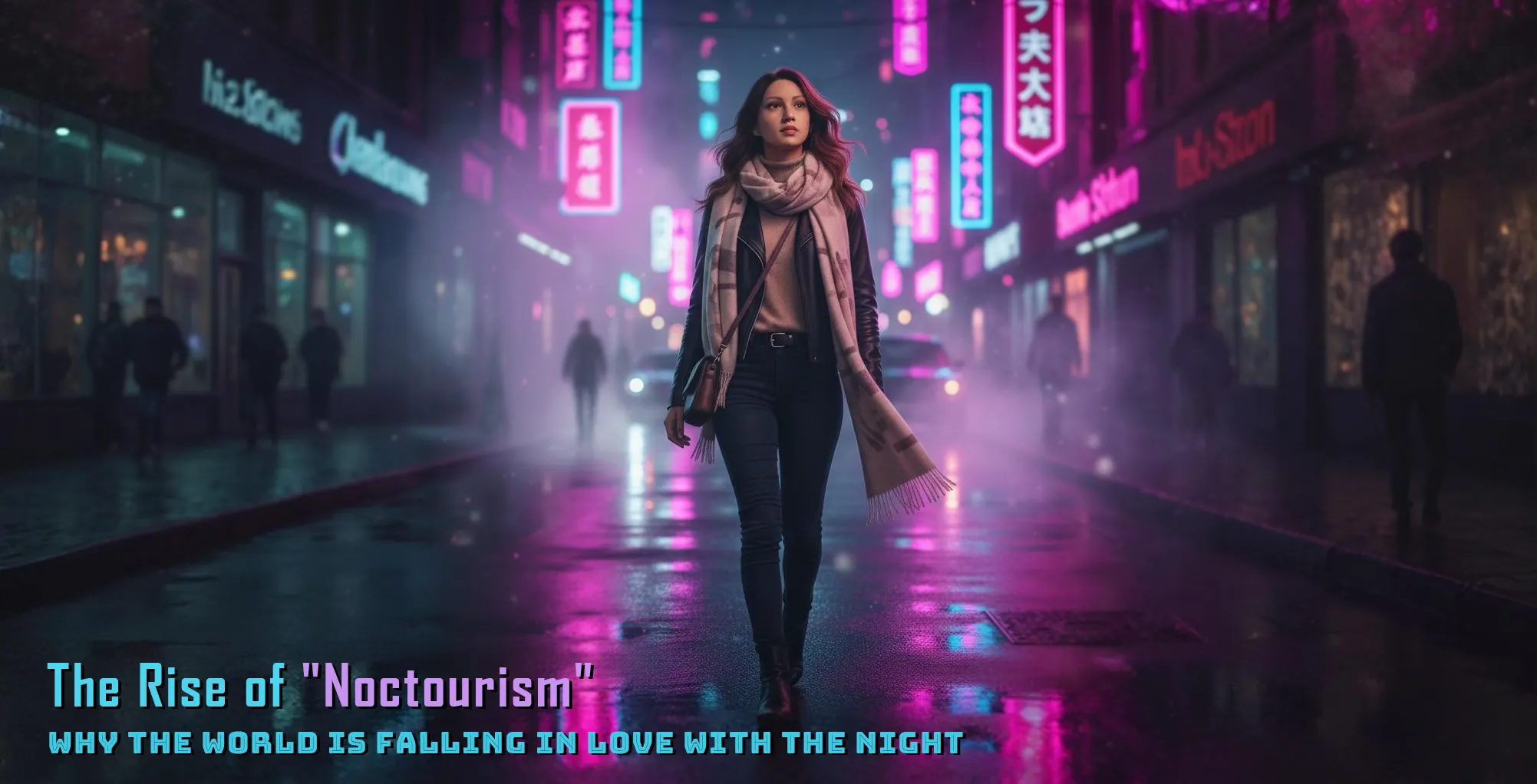
Move over, sunrise hikes — moonlit adventures are stealing the spotlight. From Tokyo’s neon-lit alleys to Iceland’s aurora-lit skies, travelers are now exploring the world after dark. This growing phenomenon, known as Noctourism, is redefining what it means to travel in 2025.
Nighttime once meant winding down. Now, it’s becoming the main event.
What Exactly Is Noctourism?
Noctourism is the art of experiencing destinations at night — not just through nightlife or parties, but by discovering the culture, calm, and creativity that emerge when the sun sets.
It could be:
Stargazing retreats in desert camps.
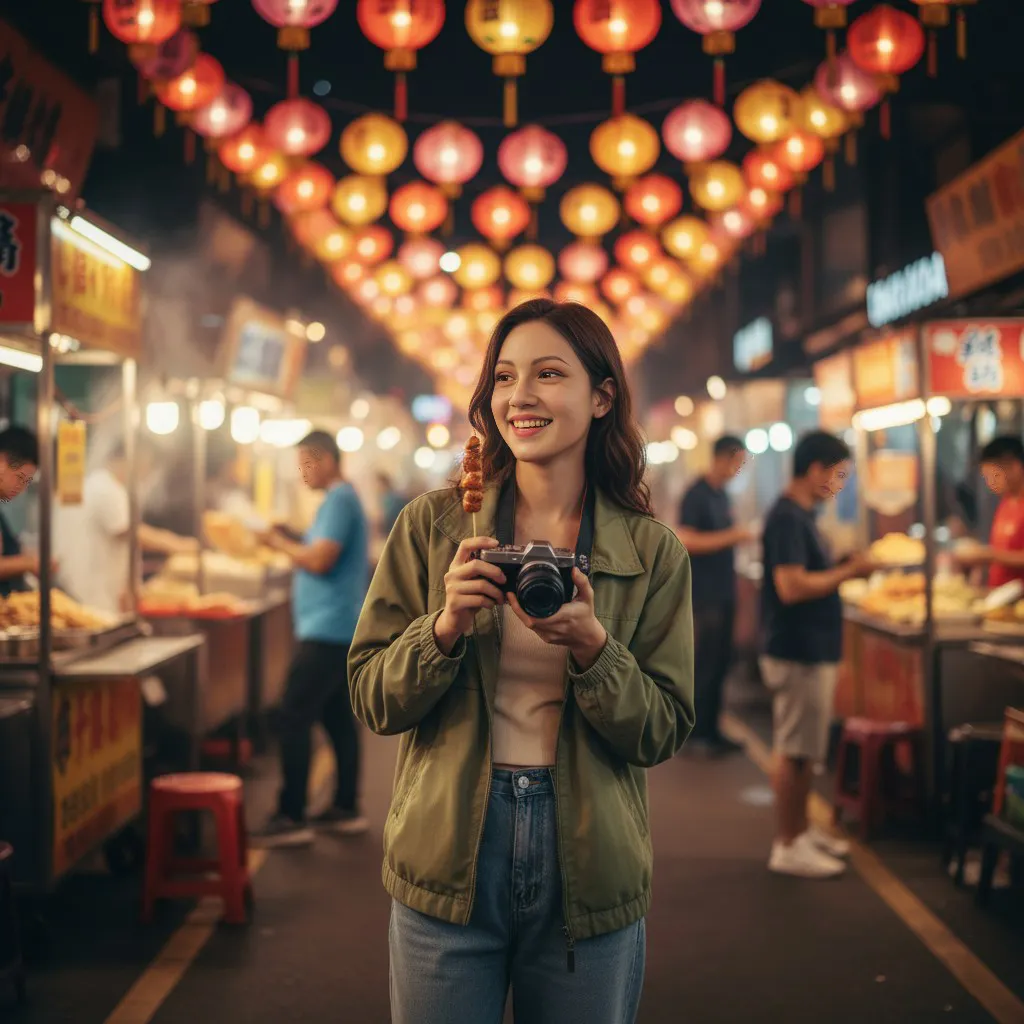
Midnight food walks through bustling street markets.
Bioluminescent kayaking under glowing waves.
Or exploring historical sites under soft moonlight.
In short, it’s not about what you do, but when you do it.
Why Gen Z and Millennials Are Hooked
Modern travelers are chasing experiences that feel different, not just destinations that look good on Instagram.
Here’s why the night calls to them:
🌌 Authenticity: Nighttime experiences are often quieter and less commercial.
🧘 Mindfulness: The calm of the night offers space for reflection.
📸 Aesthetic appeal: Neon lights, starry skies, and cityscapes create the perfect visual drama.
🌍 Climate comfort: Cooler temperatures make exploring more comfortable — especially in hot destinations.
Noctourism, in many ways, is slow travel for the digital age.
Destinations Embracing the Night
Some cities and countries are already curating night-based travel experiences:
Seoul, South Korea: 24-hour cafés, art museums open till midnight, and moonlit markets.
Dubai, UAE: Desert safaris with fire shows and stargazing under the dunes.
Paris, France: The Louvre’s night tours reveal masterpieces in a whole new light.
Iceland: Midnight sun adventures and northern light expeditions.
Even local tourism boards are catching up — promoting “after dark” itineraries for more immersive experiences.
The Science Behind the Glow
Psychologists say humans are more introspective and creative at night. When external distractions fade, our senses heighten. The result? Travelers feel more connected — to themselves, their surroundings, and the story of the place.
It’s not just tourism. It’s therapy in motion.
Is Noctourism the Future of Travel?
With rising climate concerns, overtourism, and burnout, the world is ready for quieter, eco-conscious adventures. Nighttime exploration offers a balance between excitement and serenity — an antidote to the overstimulated digital world.
As more destinations adapt lighting, safety, and guided night trails, Noctourism may become the defining travel movement of the decade.
Final Thought 🌕
Noctourism isn’t just about seeing the world differently — it’s about feeling it differently. Under the soft glow of the moon, the familiar becomes magical, and every step feels like a secret shared with the night.
So the next time you travel… maybe skip the sunrise alarm. Let the moon lead the way. 🌙
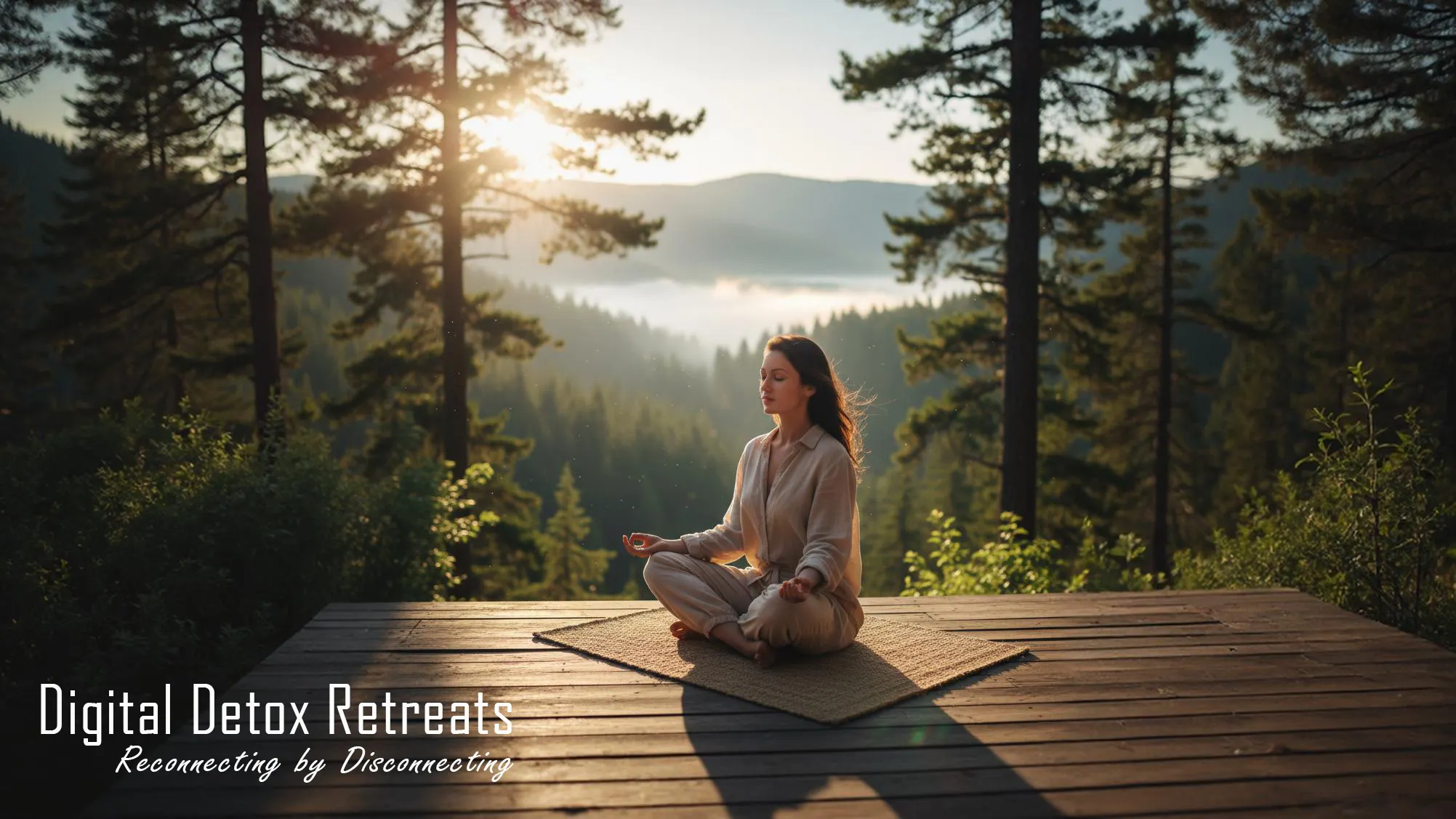
n a world of endless notifications and digital fatigue, a quiet revolution is taking shape — the rise of Digital Detox Retreats.
More people are escaping to serene destinations that promise something rare — disconnection. These retreats, often set in mountains, forests, or beaches, encourage participants to lock away phones and immerse themselves in mindfulness, creativity, and real-world interaction.
After years of hyper-connectivity, burnout and anxiety have become common. A digital detox isn’t just about switching off screens — it’s about switching on awareness. Attendees report better focus, deeper sleep, and renewed emotional balance after just a few days offline.
Why Digital Detox Retreats Are Booming
Mental Reset: Reduces stress and improves clarity by breaking the notification cycle.
Enhanced Creativity: Quiet spaces and nature help ideas flow naturally.
Quality Connections: Without screens, conversations become deeper and more authentic.
Health Benefits: Better posture, sleep, and reduced eye strain.
Mindful Living: Encourages living in the moment rather than capturing it.
As 2025 unfolds, these retreats are becoming global wellness staples — from Bali’s jungle lodges to Icelandic spas. In a hyper-digital age, perhaps the truest luxury is silence.