
Tag: digital euro

  • EU’s Digital Payments Revolution

    EU’s Digital Payments Revolution

    Introduction to the EU’s Digital Payments Initiative

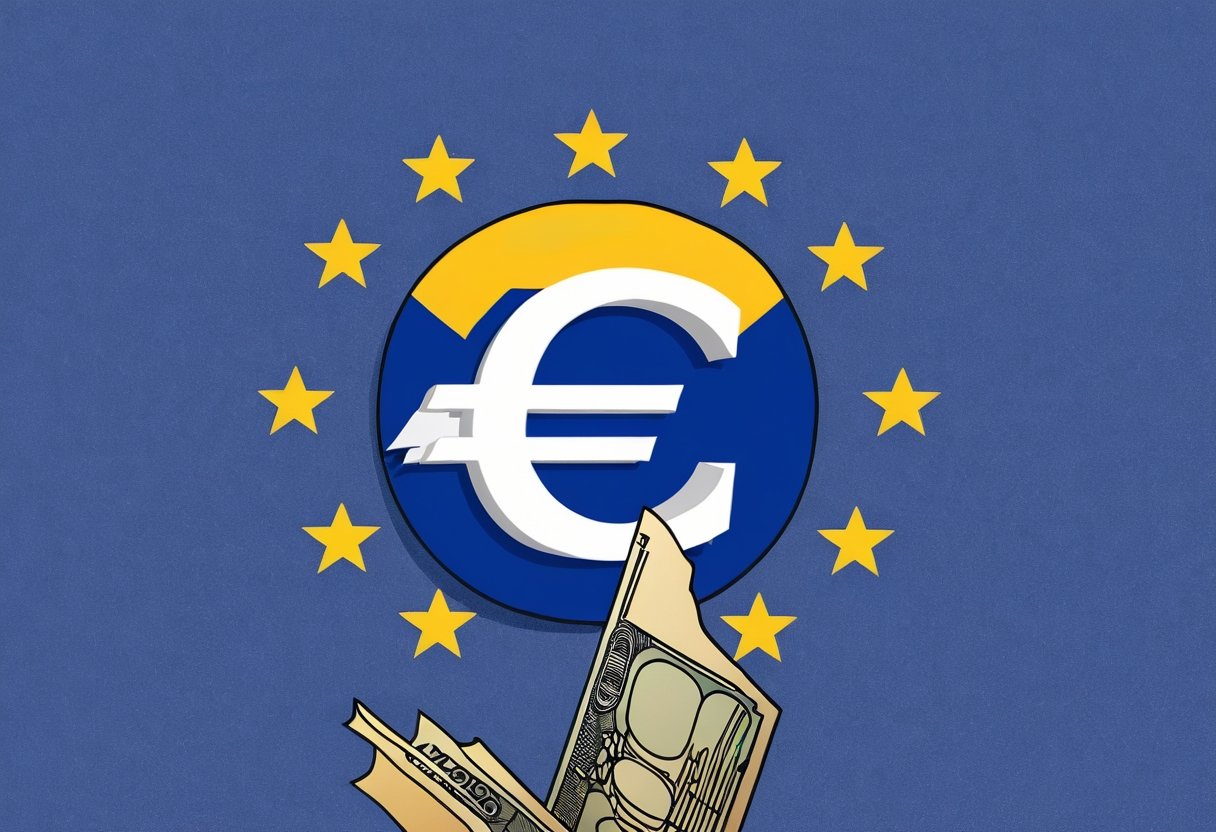
    The European Union has announced plans to introduce a digital payments infrastructure, aiming to reduce dependence on international operators like Visa and Mastercard, as well as Apple and Google Pay. This move comes after the suspension of Visa and Mastercard operations in Russia following the invasion of Ukraine, highlighting the vulnerabilities of relying on external payment systems.

    Background and Motivation

    The EU’s decision is motivated by the desire for a more autonomous and secure payment system. With thirteen of the twenty euro countries lacking a domestic card scheme, the need for a European-only solution becomes apparent. The new system promises zero fees and exclusive European operation, addressing concerns over transaction costs and data privacy.

    Implications and Analysis

    This development has significant implications for the financial and technological sectors. It underscores the EU’s commitment to digital sovereignty and its efforts to promote European innovation and competitiveness. The zero-fee aspect could also lead to increased adoption and usage of digital payments among European consumers and businesses.

    Technical and Market Analysis

    From a technical standpoint, the EU’s digital payments infrastructure will likely utilize advanced technologies such as blockchain and cryptography to ensure security and efficiency. The market impact could be substantial, potentially disrupting the dominance of existing payment systems and fostering a more diverse and competitive landscape.
  • EU Freezes Russian Assets to Support Ukraine

    EU Freezes Russian Assets to Support Ukraine

    Introduction to the Crisis

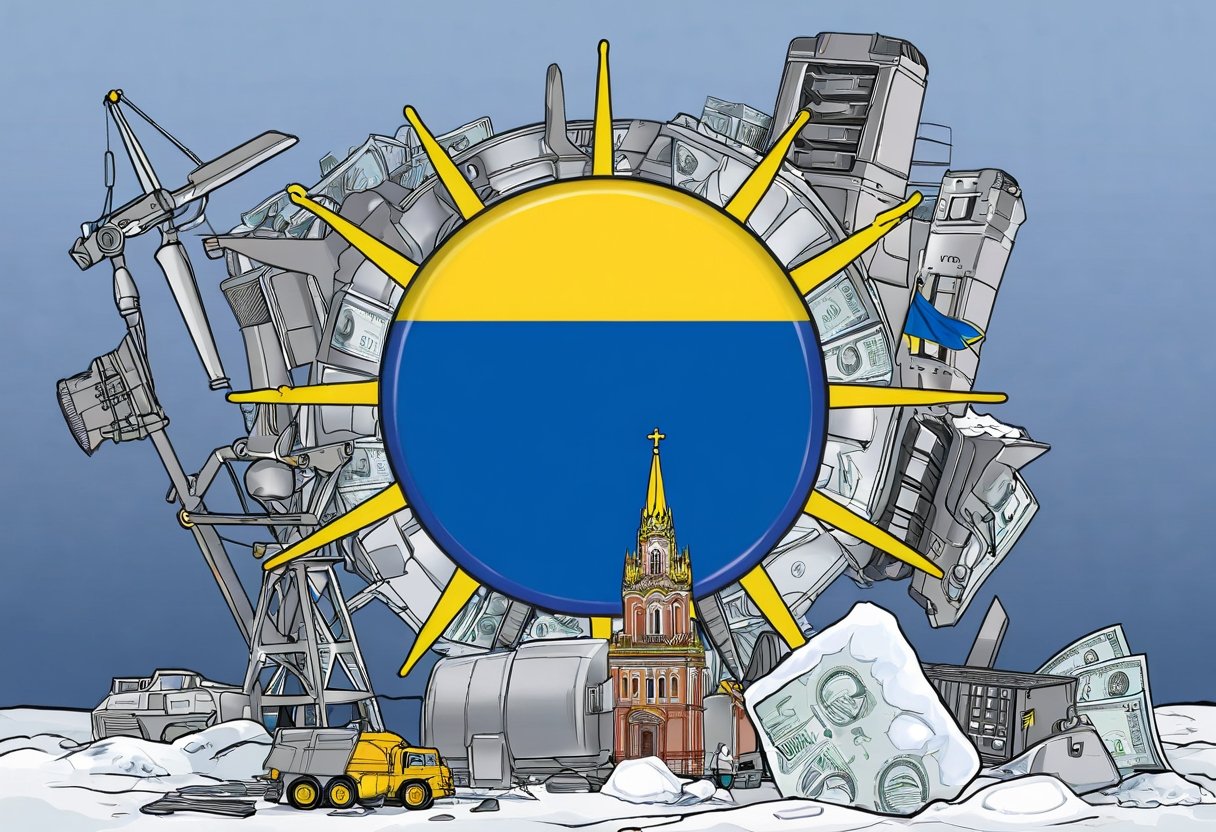
    The European Union has taken a significant step in its support for Ukraine by indefinitely freezing Russian assets within its borders. This move, designed to prevent Moscow-friendly governments in Hungary and Slovakia from vetoing the use of these assets to support Ukraine, marks a critical point in the ongoing conflict between Russia and Ukraine. As reported by European Interest, the EU’s decision is aimed at facilitating the potential use of frozen Russian assets, estimated to be worth billions of euros, to aid Ukraine in its time of need.

    Background on the Conflict

    The conflict between Russia and Ukraine began in February 2022, with Russia launching a war against its neighbor. Since then, the international community, including the European Union, has imposed various sanctions on Russia. According to Fortune, these sanctions include the freezing of Russian assets in Europe, which must be renewed every six months with the approval of all 27 EU member countries.

    EU’s Decision and Its Implications

    The EU’s decision to indefinitely freeze Russian assets is a strategic move to ensure that these assets can be used to support Ukraine without being blocked by Hungary and Slovakia. As The Los Angeles Times notes, this decision utilizes a special procedure designed for economic emergencies, allowing the EU to block the assets until Russia ceases its aggression against Ukraine and compensates for the damage caused. French Foreign Minister Jean-Noël Barrot emphasized that this decision signifies that no one will decide on behalf of the Europeans regarding the use of these funds.

    Reaction from Key Figures

    Hungarian Prime Minister Viktor Orbán has expressed concerns over this development, calling it a departure from the rule of law within the European Union. He believes that the European Commission is undermining European legal frameworks to perpetuate the conflict. On the other hand, Ukrainian President Volodymyr Zelensky and other European leaders have welcomed the EU’s decision as a significant step towards supporting Ukraine in its struggle against Russian aggression.

    Practical Takeaways and Future Implications

    This decision has significant implications for the future of the conflict and the role of the European Union in international affairs. It demonstrates the EU’s commitment to supporting Ukraine and its willingness to take bold steps to achieve this goal. However, it also raises questions about the potential backlash from Russia and the impact on the economic and political relationships between EU member states. As the situation continues to evolve, it will be crucial to monitor the responses of key players and the effects of this decision on the broader geopolitical landscape.

  • Europe Aims for 2029 Digital Euro Launch

    Europe Aims for 2029 Digital Euro Launch

    Introduction to the Digital Euro

    The European Central Bank (ECB) has announced its plan to launch the digital euro by 2029, marking a significant step towards a more digital and integrated European economy. According to Ledger Insights, the ECB will start pilots in 2027 and aims to go live in 2029, subject to legislative approval and technical readiness.

    Key Facts and Figures

    The decision to move to the next phase of the digital euro project follows the successful completion of the preparation phase, which was launched in November 2023. As reported by the ECB, the estimated costs for the development and issuance of the digital euro are around €1.3 billion until the first issuance, with subsequent annual operating costs projected to be approximately €320 million per year from 2029.

    Market Impact and Future Implications

    The digital euro is expected to reduce the European Union’s reliance on payment service providers from outside the bloc. As The Register notes, European banks currently represent only a third of digital payments activities within the Eurozone, with two-thirds of digital payments intermediated by non-European companies. The digital euro could change this landscape and promote greater financial integration and independence.

    Technical Analysis and Expert Insights

    From a technical standpoint, the digital euro will be a central bank digital currency (CBDC), which has been explored by many countries around the world. As Bloomberg reports, the ECB will decide to push on with preparatory work, aiming to issue the currency in 2029, provided there’s a legal framework in place. Capco highlights that 134 countries, representing 98% of global GDP, are exploring CBDCs, with 11 countries having already launched their own CBDC.

    Conclusion and Practical Takeaways

    In conclusion, the launch of the digital euro in 2029 marks an important milestone in the development of a more digital and integrated European economy. As the ECB continues to lay the groundwork for the digital euro, it’s essential for businesses, policymakers, and individuals to stay informed and adapt to the changing landscape.

Oh hi there 👋
It’s nice to meet you.

Sign up to receive awesome content in your inbox, every Day.

We don’t spam! Read our privacy policy for more info.