
Tag: diversification

  • Why ‘HODL’ Isn’t Enough in 2025: What to Really Do for Crypto Success

    Why ‘HODL’ Isn’t Enough in 2025: What to Really Do for Crypto Success

    Why ‘HODL’ Isn’t Enough in 2025

    The ‘HODL’ strategy, popularized in the crypto community, involves holding onto your investments without selling. While it may have worked in the past, it’s no longer the best approach for achieving crypto success in 2025.

    The Limitations of HODL

    One of the main reasons HODLing isn’t enough is that it doesn’t take into account the constantly changing market conditions. The crypto market is highly volatile, and prices can fluctuate rapidly. Simply holding onto your investments won’t guarantee success, especially if you’re not actively managing your portfolio.

    The Risks of HODL

    HODLing also carries significant risks, including:

    Opportunity cost: By not actively managing your portfolio, you may miss out on potential gains from other investments.

    Lack of diversification: HODLing often involves holding a single asset, which can be a recipe for disaster if that asset experiences a significant decline in value.

    Regulatory risks: Changes in regulations can have a significant impact on the crypto market, and HODLing may not provide adequate protection against these risks.

    Volatility: The crypto market is known for its high volatility, and HODLing may not be enough to withstand the potential losses.

    What to Really Do in 2025

    So, what can you do instead of HODLing? Here are a few strategies to consider:

    SPEDN: Selling in a bear market can be a good option if you’re a good day trader or have a solid understanding of the market.

    BUIDL: Building and creating value in the crypto space can be a more effective way to achieve success than simply holding onto your investments.

    Diversification: Spreading your investments across multiple assets can help mitigate risk and increase potential gains.

    Active management: Regularly monitoring and adjusting your portfolio can help you stay ahead of the market and make informed decisions.

    Expert Insights

    According to GameKyuubi, the accidental creator of the HODL meme, there are several reasons why HODLing is still a viable strategy, including limiting taxable events, not having to monitor the market 24/7, helping prevent greed and FOMO, and the potential for long-term gains.

    However, it’s essential to note that HODLing may not be enough in 2025, and other strategies should be considered to achieve crypto success.

    Technical Analysis

    The crypto market is highly complex and influenced by various factors, including supply and demand, technical indicators, and market sentiment. To achieve success in 2025, it’s essential to have a deep understanding of these factors and how they impact the market.

    Market Impact

    The crypto market is constantly evolving, and changes in regulations, market conditions, and technological advancements can have a significant impact on the market. To stay ahead of the game, it’s essential to stay informed and adapt to these changes.

    Future Implications

    The future of the crypto market is uncertain, but one thing is clear: HODLing is no longer enough to achieve success. To stay ahead of the game, it’s essential to stay informed, adapt to changing market conditions, and consider alternative strategies such as SPEDN, BUIDL, diversification, and active management.

    Conclusion

    In conclusion, while HODLing may have worked in the past, it’s no longer enough in 2025. To achieve crypto success, it’s essential to consider alternative strategies, stay informed, and adapt to changing market conditions.

    Practical Takeaways

    Here are some practical takeaways to consider:

    Don’t rely solely on HODLing: Consider alternative strategies such as SPEDN, BUIDL, diversification, and active management.

    Stay informed: Regularly monitor market conditions, regulatory changes, and technological advancements to stay ahead of the game.

    Adapt to changing market conditions: Be prepared to adjust your strategy as market conditions change.

    Consider diversification: Spread your investments across multiple assets to mitigate risk and increase potential gains.

    Call to Action

    So, what do you think? Are you ready to move beyond HODLing and explore alternative strategies for achieving crypto success? Let’s discuss in the comments below!
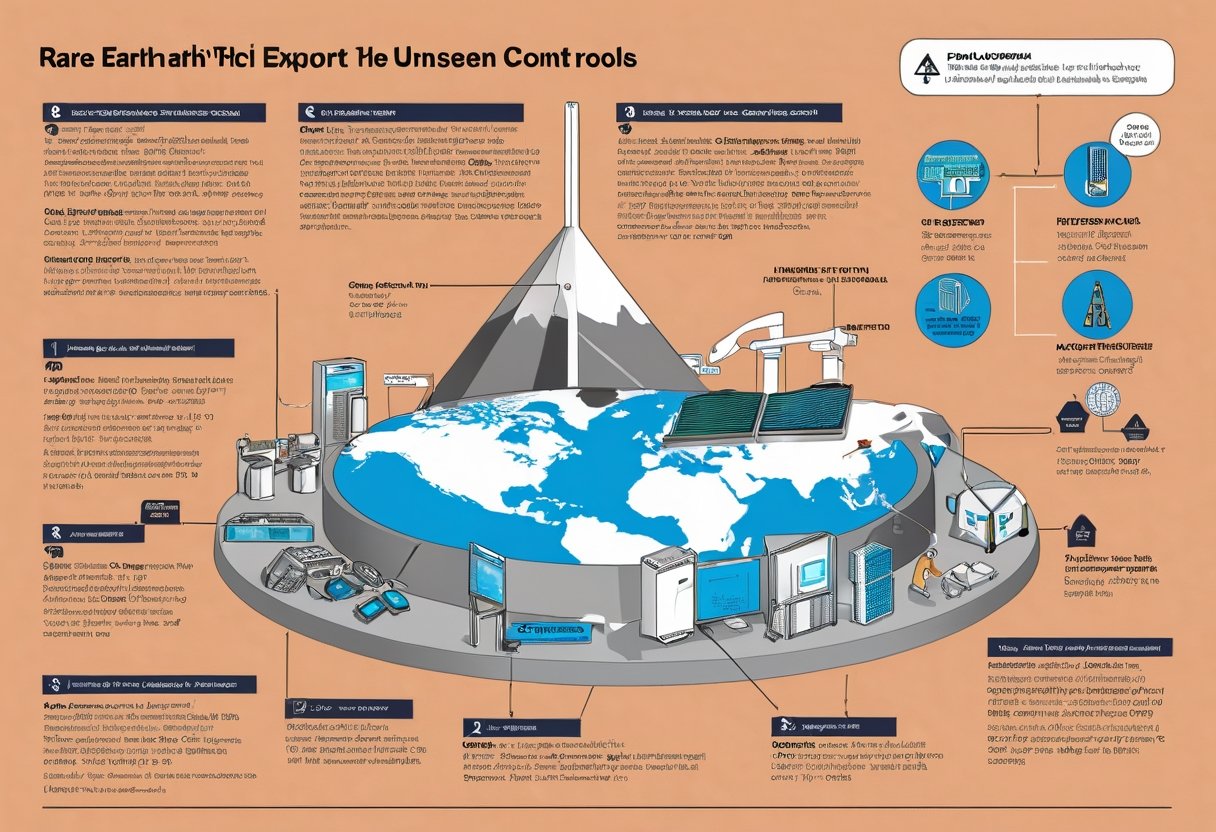
  • Rare Earth Export Controls: The Unseen Threat to Global Tech

    Rare Earth Export Controls: The Unseen Threat to Global Tech

    As the world grapples with the implications of China’s rare earth export controls, one thing is clear: this is a watershed moment that will impact the global tech landscape for years to come.

    The export controls, which restrict China’s supply of rare earth minerals, have sent shockwaves through the industry. Rare earths are critical components in everything from smartphones to electric vehicles, and China’s dominance in the market makes it difficult for other countries to compete.

    But here’s the real question: what does this mean for the future of tech innovation? I believe it’s a wake-up call for countries and companies to diversify their supply chains and invest in domestic rare earth production.

    The story began to unfold last year when China announced its plan to restrict rare earth exports. The initial reaction was one of alarm, with many industry experts warning of supply chain disruptions and price hikes.

    But as the months went by, it became clear that the impact was far more profound. Companies were forced to scramble to find alternative suppliers, and some were even forced to shut down production lines.

    The Bigger Picture

    So why should we care about rare earth export controls? The answer lies in their far-reaching impact on global tech. As the world becomes increasingly dependent on technology, the need for rare earth minerals will only continue to grow.

    But with China’s grip on the market tightening, other countries are being forced to take action. The United States, for example, has launched its own initiative to develop domestic rare earth production.

    This is not just a national security issue; it’s a matter of economic survival. Companies that fail to adapt to this new reality risk being left behind.

    Under the Hood

    So how do rare earth export controls actually work? It’s a complex issue that involves everything from mining to refining to end-use manufacturing.

    The critical thing to note is that China’s control over the market is not just about supply and demand. It’s also about the country’s ability to manipulate the global market by restricting exports.

    Take, for example, the recent case of Tesla. The company found itself facing a rare earth shortage, which it attributed to China’s export restrictions. It was forced to scramble to find alternative suppliers, and even went so far as to establish its own rare earth mining operation.

    This is just the beginning. As the industry becomes increasingly dependent on rare earth minerals, the need for alternative suppliers will only continue to grow.

    The Market Reality

    So what does this mean for the market? In short, it means that companies will have to adapt quickly to a new reality. Those that fail to do so risk being left behind.

    The impact will be felt across the board, from smartphone manufacturers to electric vehicle producers. Anyone who relies on rare earth minerals will have to find new suppliers or risk facing production disruptions.

    But here’s the thing: this is not just a short-term issue. The impact of rare earth export controls will be felt for years to come.

    What’s Next

    So what’s next for the rare earth market? The answer lies in the hands of governments and companies alike. Those that fail to adapt will be left behind.

    The key is to diversify supply chains and invest in domestic production. This is not just a matter of national security; it’s a matter of economic survival.

    As the world becomes increasingly dependent on technology, the need for rare earth minerals will only continue to grow. Companies that fail to adapt risk being left behind.

    The rare earth export control crisis is a wake-up call for the world. It’s a reminder that in an increasingly complex global economy, companies must be prepared to adapt quickly to new realities.

    Final Thoughts

    As the world grapples with the implications of China’s rare earth export controls, one thing is clear: this is a watershed moment that will impact the global tech landscape for years to come.

    The export controls have sent shockwaves through the industry, forcing companies to scramble to find alternative suppliers and adapt to a new reality.

    This is not just a national security issue; it’s a matter of economic survival. Companies that fail to adapt risk being left behind.