Tag: Donald Trump

  • Trump’s 2025 Deal Sparks Controversy Over AI Chip Sales to China

    Trump’s 2025 Deal Sparks Controversy Over AI Chip Sales to China

    Introduction to the Controversy

    President Trump’s 2025 deal allowing Nvidia and AMD to sell AI chips to China has sparked intense controversy. The arrangement, which promises a 15-25% U.S. revenue share, has been touted as a means to fund innovation but criticized for potential security risks. As reported by WebProNews and CNBC, this move has significant implications for U.S.-China tech relations.

    Details of the Deal

    According to CNBC, Nvidia and AMD agreed to share 15% of the revenue from China chip sales with the U.S. government. However, President Trump later announced that Nvidia would be allowed to ship its H200 artificial intelligence chips to ‘approved customers’ in China, with the U.S. receiving a 25% cut. This inconsistency has fueled criticism from lawmakers and experts, as highlighted by Bloomberg.

    Implications and Criticisms

    The deal has been criticized for its potential to undermine U.S. national security. As Reuters reports, the U.S. administration has launched a review that could result in the first shipments to China of Nvidia’s second-most powerful AI chips. This has raised concerns among China hawks across the U.S. political spectrum, who fear that the chips could supercharge Beijing’s military and erode the U.S. advantage in artificial intelligence.

    Expert Insights and Analysis

    Experts argue that shipping advanced AI chips to China could have significant implications for the future of U.S.-China relations and the global tech industry. As PBS notes, there are concerns about allowing advanced computer chips to be sold to China, as it could help the country better compete against the U.S. in building out AI capabilities.

    Conclusion and Future Implications

    In conclusion, Trump’s 2025 deal allowing Nvidia and AMD to sell AI chips to China has sparked controversy and raised significant questions about the implications for U.S. national security and the global tech industry. As the situation continues to unfold, it is essential to consider the potential long-term consequences of this decision and the future of U.S.-China tech relations.

  • Trump Holds Off on Canada Tariff Increase

    Introduction to the Tariff Situation

    The United States and Canada have a long history of trade, with Canada being one of the largest trading partners of the US. Recently, there have been tensions between the two countries regarding tariffs. According to PBS News, Trump had threatened to increase tariffs on Canadian goods by 10% if Canada did not pull down a critical ad sooner.

    Impact of Tariffs on Canada

    Canada’s economy has been hit hard by Trump’s tariffs, with more than three-quarters of Canadian exports going to the US. Nearly $3.6 billion Canadian ($2.7 billion US) worth of goods and services cross the border daily. Many Canadian products have been hit with a 35% tariff, while steel and aluminum face rates of 50%. Energy products have a lower rate of 10%, while the vast majority of goods are covered by the U.S.-Canada-Mexico Agreement, and are exempt from tariffs.

    Reasons Behind the Tariff Increase

    Trump negotiated the U.S.-Canada-Mexico Agreement in his first term, but has since soured on it. The trade agreement is slated for review, which may lead to changes in the tariff rates. A spokesperson for Canadian Prime Minister Mark Carney did not immediately respond to a request for comment.

    Conclusion and Future Implications

    In conclusion, the tariff situation between the US and Canada is complex and may have significant implications for both countries. It is essential to monitor the situation closely and be aware of any changes that may affect trade between the two nations.

  • The Epstein File and the Snowball Effect

    The Epstein File Controversy

    The Epstein file controversy has sparked a heated debate within the MAGA movement, with some supporters calling for transparency and others defending President Trump’s handling of the situation. According to POLITICO, the split over Epstein represents one of the biggest rifts within Trump’s supporters since the president took office for his second term.

    MAGA Rebellion

    The MAGA faithful are furious not just about Epstein but also other broken promises, as WIRED reported earlier this week. The bungled rollout of the Epstein materials, Trump advisers tell WIRED, goes back to February, when the White House gave conservative influencers binders full of materials that were mostly already public information about the disgraced financier and charged sex trafficker.

    Consequences of the Rebellion

    The Epstein files saga has shown that the base’s willingness to abide Trump has its limits — or at least, it does when the base feels strongly enough and when the president’s political capital starts to wane, as CNN notes. This increasingly seems like a moment marking a distinct epoch, with WIRED suggesting that the Epstein toothpaste can’t be put back in the tube.

    Expert Insights

    Experts agree that the drama around the files has punctured Trump’s aura of invincibility within the MAGA movement in a way few, if any, things have before. As CNN reports, the man who has for a decade dominated his base and told it what to care about has backed down when that base decided its priorities didn’t align with his own.

    The BBC notes that according to Trump, the pair fell out in the early 2000s, two years before Epstein was first arrested. The White House has recently suggested that their fallout was connected to Epstein’s behaviour, and that ‘the president kicked him out of his club for being a creep’.

    Takeaways and Future Implications

    The Epstein file controversy has significant implications for the future of the MAGA movement and President Trump’s administration. As PBS reports, the economy is still going to be front and center next year, but the Epstein files show vulnerability for Trump, and maybe that’s why he’s resisted them so much.

  • FCC Chairman Backs Trump’s Call to Fire Seth Meyers

    FCC Chairman Backs Trump’s Call to Fire Seth Meyers

    Introduction

    The recent clash between Donald Trump and Seth Meyers has taken a new turn, with FCC Chairman Brendan Carr reposting Trump’s call for NBC to fire the late-night host. This move has sparked controversy and raised questions about the role of the FCC in regulating media content.

    Background

    Trump’s post on Truth Social criticized Meyers for his jokes about the president’s plans for healthcare, the government shutdown, and his association with convicted sex offender Jeffrey Epstein. Trump claimed that Meyers was suffering from ‘Trump Derangement Syndrome’ and that his show was a ‘Ratings DISASTER.’

    According to Variety, Carr’s repost of Trump’s message has been seen as a sign of support for the president’s demand. This is not the first time Carr has been involved in a controversy related to media regulation, having previously suggested that the FCC could take action against ABC over comments made by Jimmy Kimmel.

    Implications

    The implications of Carr’s actions are significant, as they raise concerns about the independence of the FCC and its ability to regulate media content without political bias. As Deadline reports, some progressives have criticized Carr’s move, with one Democrat comparing it to the kind of censorship seen in North Korea.

    Analysis

    The situation highlights the complex relationship between the government, media, and the FCC. While the FCC is responsible for regulating media content, its role is not to dictate what can and cannot be said on television. As EW notes, Meyers has been a vocal critic of Trump, and his jokes have been seen as a form of satire and social commentary.

    Conclusion

    In conclusion, the controversy surrounding Carr’s repost of Trump’s call to fire Seth Meyers raises important questions about the role of the FCC in regulating media content. While the FCC has a responsibility to ensure that media outlets comply with regulations, it must also balance this with the need to protect free speech and the independence of the media.

  • Obama Criticizes Trump’s Crypto Fortune Amidst Election

    Obama Criticizes Trump’s Crypto Fortune Amidst Election

    Introduction

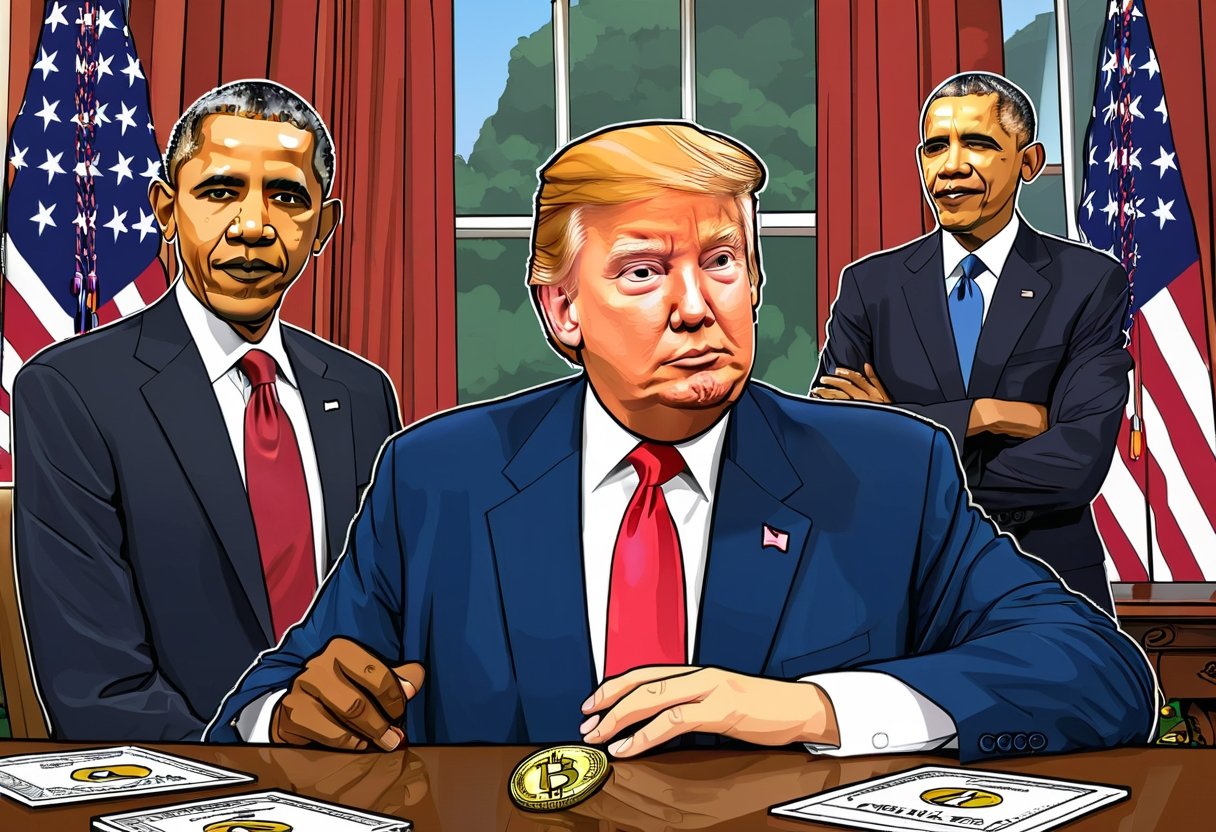
    Former US President Barack Obama has criticized Donald Trump over his involvement with cryptocurrency, speaking during a rally in support of Virginia Democratic gubernatorial candidate Abigail Spanberger. According to Reddit, Obama accused President Trump of prioritizing his “billionaire pals and finance bros” over the needs of the American people.

    Background

    As reported by Medium, Obama emphasized the importance of elections, stating that they matter and have a significant impact on the country’s democracy. He also highlighted the dangers of lawlessness and recklessness in the current political climate.

    Key Points

    Obama’s criticism of Trump’s crypto involvement is not the only aspect of his speech. He also touched upon the economy, stating that it has gotten better for Trump and his family since he took office, with their crypto business and other ventures making hundreds of millions of dollars. This information is also supported by Virginia Mercury.

    Analysis

    The situation highlights the complex relationship between politics and cryptocurrency. As PBS notes, Obama’s appearance at the rally was a significant event, with the former President urging voters to set a glorious example for the nation by rebuking Trump and his nominees.

    Expert Insights

    Experts in the field of cryptocurrency and politics have weighed in on the situation, providing unique perspectives on the matter. Some have noted that Obama’s criticism of Trump’s crypto involvement may be a strategic move to sway public opinion, while others believe it is a genuine concern for the country’s economic well-being.

    Conclusion

    In conclusion, the criticism by Obama of Trump’s crypto fortune is a significant event that highlights the complex relationship between politics and cryptocurrency. As the situation continues to unfold, it is essential to stay informed and consider the potential implications for the country’s democracy and economy.

  • Binance.US Faces Political Heat Over Trump-Linked USD1 Stablecoin

    Binance.US Faces Political Heat Over Trump-Linked USD1 Stablecoin


    Binance.US in the Political Spotlight

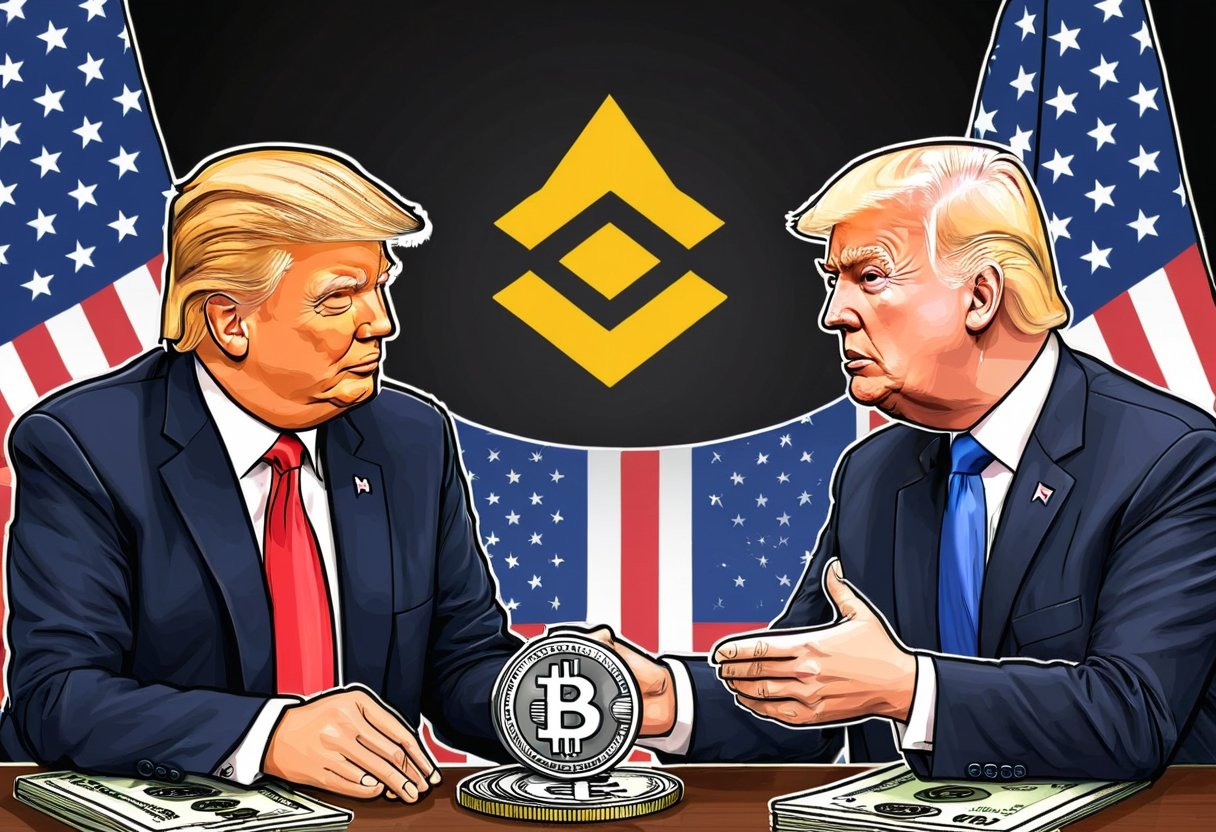
    Binance.US has found itself at the center of a political storm after listing USD1, a stablecoin issued by World Liberty Financial, a crypto project linked to former President Donald Trump. The exchange is facing accusations of political favoritism following Trump’s pardon of Binance founder Changpeng Zhao.

    Accusations and Denials

    Democratic Senator Chris Murphy posted on social media that Binance’s listing of USD1 was a reward for Trump’s pardon of Changpeng Zhao. In response, Binance.US stated on its X platform that USD1 and WLFI are already listed on more than 20 exchanges in the US, including Coinbase, Robinhood, and Kraken, and that both assets had received listing committee approval through their ‘normal business process’ some time ago.

    As reported by PANews, Binance.US emphasized that the listing of USD1 was a ‘routine business decision’ and not a politically motivated move. The exchange also highlighted the stablecoin’s $2.97B market cap and its availability on multiple US exchanges, arguing that its value stems from utility rather than political ties.

    Tensions and Scrutiny

    The controversy has intensified scrutiny over potential conflicts of interest, with critics comparing the pardon to corruption scandals and demanding transparency. As noted by Ainvest, USD1 has seen strategic integrations, including cross-chain technology partnerships with Enso, further fueling concerns about the stablecoin’s ties to Trump’s crypto empire.

    The situation has also sparked a wider debate about the intersection of politics and cryptocurrency, with many calling for greater transparency and oversight in the industry. As Beincrypto reports, Senator Murphy has described the White House as a ’24/7 corruption machine’ and has urged a formal investigation into the pardon and its financial links.

    Implications and Takeaways

    The Binance.US saga serves as a reminder of the complex and often fraught relationship between politics and cryptocurrency. As the industry continues to evolve, it’s essential for exchanges and projects to prioritize transparency, compliance, and due diligence to avoid similar controversies in the future.

    For investors and users, this incident highlights the importance of doing thorough research and staying informed about the projects and assets they support. By being aware of potential conflicts of interest and political ties, individuals can make more informed decisions and navigate the crypto space with greater confidence.

  • Trump’s Nuclear Testing Decision: A New Era of Global Tensions?

    Trump’s Nuclear Testing Decision: A New Era of Global Tensions?

    Introduction

    President Trump’s recent directive to resume nuclear weapons testing has sent shockwaves across the globe, sparking concerns about a new era of global tensions. In this article, we’ll delve into the details of this decision, its implications, and what it means for the future.

    Background

    The U.S. last conducted nuclear weapons testing in 1992, with the last test taking place at the Nevada Test Site. Since then, the country has maintained a moratorium on testing, citing safety and international pressure concerns. However, President Trump’s recent directive has signaled a shift in this policy, with the Pentagon instructed to begin testing nuclear weapons ‘on an equal basis’ with other countries.

    The Decision

    President Trump’s decision to resume nuclear testing has been met with mixed reactions from the international community. Some have welcomed the move as a necessary step to maintain the U.S.’s nuclear capabilities, while others have expressed concerns about the potential risks and consequences.

    Implications

    The implications of this decision are far-reaching and multifaceted. Firstly, it could lead to a new era of nuclear competition, with other countries potentially following suit and resuming their own testing programs. This could exacerbate global tensions and increase the risk of nuclear conflict.

    Secondly, the decision could have significant economic implications for the U.S. and other countries. The cost of maintaining and upgrading nuclear arsenals is significant, and the financial burden could fall heavily on taxpayers.

    Lastly, the decision could have significant environmental implications. Nuclear testing can have devastating effects on the environment, including radioactive contamination and long-term health risks.

    Conclusion

    President Trump’s decision to resume nuclear testing is a complex and multifaceted issue with far-reaching implications. While some may see it as a necessary step to maintain the U.S.’s nuclear capabilities, others may view it as a reckless and irresponsible move that increases the risk of nuclear conflict and environmental devastation.

    As the world moves forward in this new era of global tensions, it’s essential to engage in informed and thoughtful discussions about the implications of this decision and what it means for the future.

  • When Politics Meets Crypto: The Real Story Behind Trump’s Nasdaq Bitcoin Play

    When Politics Meets Crypto: The Real Story Behind Trump’s Nasdaq Bitcoin Play

    I was scrolling through crypto Twitter when the headline hit like a lightning bolt: ‘Trump Family’s American Bitcoin Goes Public on Nasdaq.’ My first thought? This isn’t just another crypto ETF listing. We’re witnessing something fundamentally different – a political dynasty diving headfirst into digital assets through traditional markets. But here’s what’s really interesting: this move comes exactly as Bitcoin struggles to reclaim its all-time high while Washington debates crypto regulation.

    What caught my attention wasn’t the $27.50 opening price or the modest 8% first-day pop. It was the timing. Three weeks after President Biden vetoed legislation that could have shaped crypto regulations, and two days before the SEC’s deadline to approve Ethereum ETFs. This isn’t just financial engineering – it’s political theater meets blockchain innovation.

    The Story Unfolds

    The Trump Organization’s crypto pivot actually began quietly in 2021. While the former president famously called Bitcoin ‘a scam,’ financial disclosures later revealed family offices had been accumulating BTC through OTC desks. Now, with this Nasdaq listing, they’ve essentially created a quasi-ETF with a MAGA twist – complete with patriotic branding and promises of ‘America First’ node operations.

    But here’s where it gets clever: Unlike traditional Bitcoin funds, American Bitcoin Incorporated (ticker: ABTC) claims to maintain its own blockchain nodes across U.S. military bases. Whether that’s technically feasible matters less than the political message it sends. They’re framing crypto custody as a national security issue, a brilliant maneuver in today’s polarized climate.

    The Bigger Picture

    What’s fascinating isn’t just the Trump connection, but what this reveals about crypto’s path to legitimacy. Traditional finance has spent years trying to force blockchain into existing frameworks. This playbook flips the script – using crypto’s inherent political dimensions as a selling point. Suddenly, buying Bitcoin becomes an act of patriotism rather than rebellion.

    CoinDesk’s latest blockchain updates show why this matters. While developers focus on technical upgrades like Taproot and zero-knowledge proofs, mainstream adoption is being driven by cultural narratives. The Trump team understands this better than most – they’re not just selling an asset, but an ideology wrapped in cryptographic promises.

    Under the Hood

    Technically, ABTC’s structure raises eyebrows. Their white paper mixes legitimate blockchain infrastructure with unproven claims about ‘military-grade validation.’ From what I can parse, they’re using a modified version of Bitcoin Core with additional AML layers – essentially creating a KYC-friendly fork that still interacts with the main chain.

    DeFi Pulse’s protocol analytics suggest they’re bridging traditional custody solutions with decentralized elements. It’s a Frankenstein approach: Coinbase-style compliance married to political messaging. Whether this hybrid model can scale remains unclear, but it’s precisely this ambiguity that’s driving both interest and skepticism.

    Market Reality

    The numbers tell two stories. On paper, ABTC’s $420 million debut valuation seems modest compared to crypto unicorns. But look at the options chain – institutional investors are betting big on volatility. The 30-day implied volatility sits at 85%, higher than MicroStrategy’s wildest swings. This isn’t a play on Bitcoin’s price; it’s a leveraged bet on crypto becoming a political football in the 2024 elections.

    Yet for all the hype, remember the crypto graveyard. Remember Bitwise’s ‘patriotic coin’ debacle in 2018? Or FTX’s Super Bowl ads? What makes this different is the Nasdaq platform. By entering traditional markets, ABTC forces institutional investors to engage with crypto politics whether they want to or not.

    What’s Next

    Watch the regulatory dominoes. If ABTC avoids SEC scrutiny despite its unorthodox structure, it could open floodgates for politically-aligned crypto products. Imagine AOC-branded climate tokens or Musk Mars coins trading alongside Apple and Tesla. The line between asset and meme would blur beyond recognition.

    But here’s my contrarian take: The real impact might be technical. To satisfy Nasdaq’s listing requirements, ABTC had to implement enterprise-grade auditing trails – potentially creating new blockchain standards. What if their KYC modifications become the template for future SEC-approved crypto assets? We might look back at this as the moment crypto compliance went mainstream.

    As I write this, ABTC is swinging wildly in after-hours trading. Some call it a gimmick, others a revolution. But the truth? It’s both. In crypto’s messy adolescence, every breakthrough looks like a stunt until it becomes status quo. What matters isn’t whether this particular venture succeeds, but that it forces us to confront crypto’s unavoidable future – where code, capital, and politics become permanently intertwined.
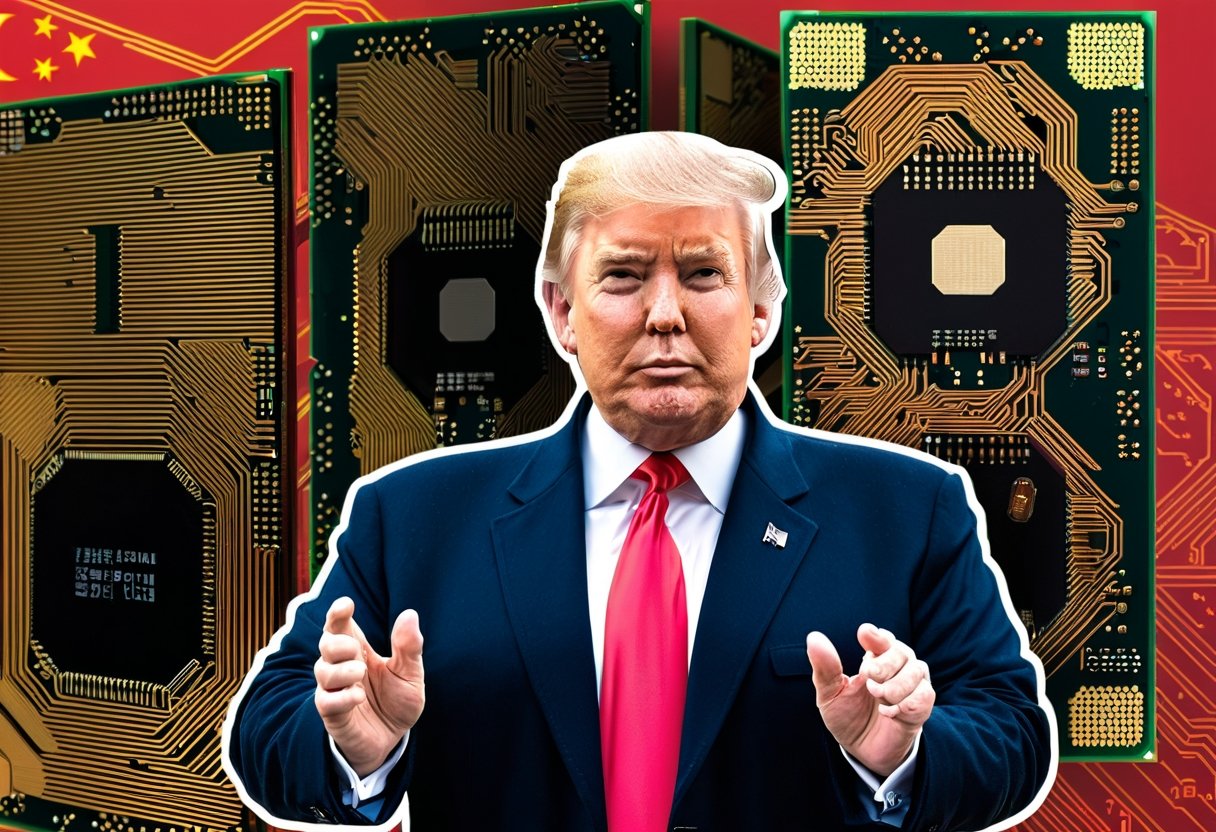

  • The Hidden Game Behind Trump’s Crypto Strategy: Debt, Power, and the New Financial Arms Race

    The Hidden Game Behind Trump’s Crypto Strategy: Debt, Power, and the New Financial Arms Race

    Imagine waking up to headlines claiming a world leader wants to erase national debt using cryptocurrency. Sounds like fringe conspiracy theory, right? But when a Putin advisor leaked details about Trump’s alleged crypto-gold playbook last week, it didn’t just shock finance Twitter—it revealed how deeply digital assets are now entangled with geopolitical power games. What’s fascinating isn’t the partisan drama, but the cold logic behind using crypto as a financial WMD.

    I’ve followed crypto’s evolution from cypherpunk experiment to institutional darling, but this? This feels different. The leaked strategy—supposedly combining Bitcoin, stablecoins, and gold reserves—isn’t really about technology. It’s about rewriting the rules of economic warfare. Think of it as the 21st-century equivalent of dropping the gold standard, but with blockchain as the wrecking ball.

    The Story Unfolds

    Let’s connect the dots. Last month, Trump’s campaign quietly added a crypto advisor from BlackRock. Two weeks later, his NFT collection started accepting political donations in USD Coin. Now this leak suggests a coordinated plan to use crypto liquidity and gold rehypothecation to restructure US debt obligations. Coincidence? Maybe. But the timing aligns perfectly with Janet Yellen’s recent warnings about Treasury market fragility.

    What makes this plausible isn’t the political angle, but the financial engineering. Stablecoin issuers now hold more T-bills than most sovereign wealth funds. Gold-backed tokens like PAXG have become collateral hubs for derivatives traders. This isn’t your uncle’s “number go up” crypto—it’s Wall Street-grade monetary chess.

    The Bigger Picture

    Here’s why this matters: global debt hit $307 trillion last quarter. The US alone spends $1 billion daily just on interest payments. Traditional solutions—austerity, inflation, default—are political suicide. But what if you could flip the script using decentralized tech? Stablecoins could bypass bond markets to fund government operations. Gold tokenization might create shadow reserves. Bitcoin could become collateral in debt restructuring deals.

    China’s already testing this playbook. Their digital yuan integrates with Belt and Road infrastructure deals, creating dollar alternatives. Russia’s been settling trades in gold-pegged CBDCs since the sanctions crunch. If the US joins this game, we’re looking at a complete reboot of Bretton Woods-era systems.

    Under the Hood

    Let’s break down the tech. Imagine the Treasury creates a “DebtCoin” stablecoin backed by future tax revenues. Investors buy it at discount, government pays it back at face value—instant debt monetization without the Fed’s printing press. Combine that with tokenized gold reserves (already happening via platforms like Matrixdock), and suddenly you’ve got a hybrid system that can settle international debts outside SWIFT.

    The kicker? Blockchain’s transparency becomes a feature, not a bug. Every transaction timestamped. Every asset auditable. It’s the ultimate accountability theater for skeptical creditors. I’ve seen prototypes in private DeFi circles that could scale this nationally within 18 months—if regulators stay hands-off.

    Market Reality

    But here’s where theory meets road. Crypto markets currently couldn’t absorb a $1 trillion debt dump—the entire stablecoin sector sits at $160 billion. Gold tokenization platforms handle maybe 5% of physical reserves. Yet growth curves suggest capacity doubling every 12-18 months. By 2026, we might actually have the infrastructure for sovereign-level crypto finance.

    Investors are already positioning. BlackRock’s Bitcoin ETF now holds more BTC than MicroStrategy. Goldman Sachs recently tokenized a $100M bond issuance on Ethereum. These aren’t moon-shot experiments—they’re stress tests for the real deal.

    What’s Next

    The next move belongs to central banks. Watch for BRICS nations announcing gold-backed stablecoins this summer. The ECB will likely accelerate digital euro trials. And if Trump returns to office? A presidential memo enabling Treasury-backed stablecoins seems inevitable. I’d give it 70% odds by Q2 2025.

    But the real question isn’t technical—it’s philosophical. Do we want financial systems where code dictates monetary policy? Where algorithms enforce debt repayments? The 2008 crisis showed centralized finance’s flaws. 2024 might test whether decentralized alternatives are any better.

    One thing’s certain: the game has changed. When Putin’s economist leaks plans for an American debt reset, and crypto becomes the chess piece? We’re no longer talking about technology trends. We’re witnessing the first shots in the financial Cold War 2.0.

  • Arthur Hayes Pardoned by Trump: From Crypto Trading to Stem Cell Biohacking

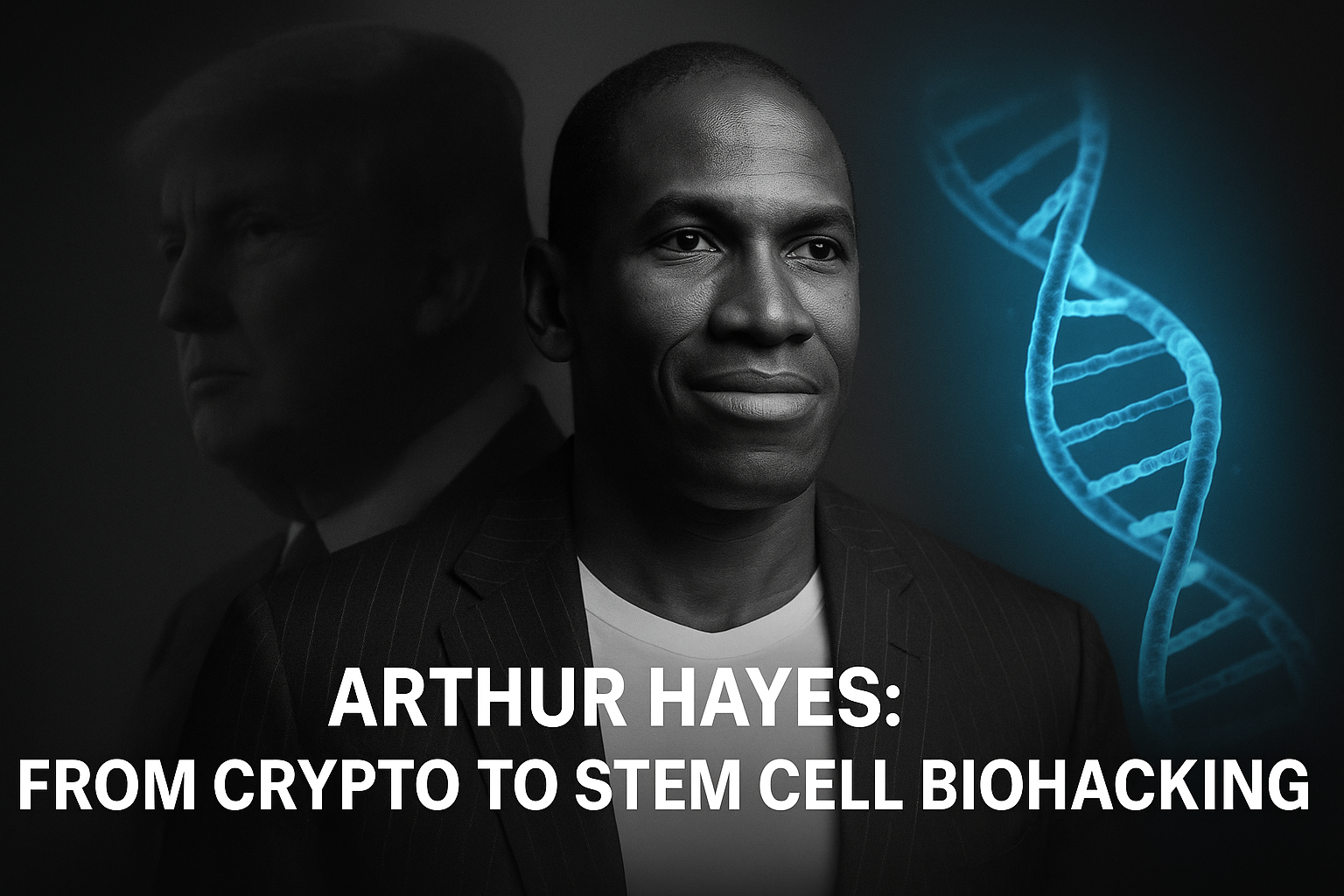
    Arthur Hayes Pardoned by Trump: From Crypto Trading to Stem Cell Biohacking

    Once the rebel of crypto derivatives, Arthur Hayes is now betting big on biohacking — shifting his energy from financial disruption to the science of longevity.

    Trump’s Pardon and Hayes’ Reinvention

    Arthur Hayes, the co-founder of BitMEX, is no stranger to controversy. He made billions pioneering crypto derivatives trading, only to face indictment in 2020 for violating the Bank Secrecy Act. By 2022, Hayes and fellow BitMEX founders Benjamin Delo and Samuel Reed pleaded guilty, each paying $10 million in fines and serving probation.

    In March 2025, President Donald Trump granted pardons to the trio, wiping the slate clean. While the legal drama grabbed headlines, Hayes’ next chapter may prove even more disruptive.

    From Crypto Gains to Stem Cell Clinics

    Instead of returning solely to crypto markets, Hayes is channeling his wealth into biotech — specifically, stem cell treatments and biohacking.

    For over a year, Hayes has been a patient at clinics in Mexico and Bangkok, receiving stem cell infusions designed to extend healthspan. Recently, he took a major stake in one of the companies behind these treatments, joining its board during a rebrand.

    “I want to live as long as possible, as healthy as possible,” Hayes said in a video interview. “This is the future — you’re seeing more and more countries relaxing their regulations around the use of stem cells.”

    It’s a bold pivot: from disrupting financial markets to disrupting human biology.

    Longevity: Crypto’s New Obsession

    Hayes is part of a growing trend among crypto elites who view longevity as the final frontier:

    • Vitalik Buterin (Ethereum co-founder) → Donated millions to life-extension research.
    • Brian Armstrong (Coinbase CEO) → Co-founded NewLimit, a genetic engineering startup that raised $130M in Series B funding.
    • Balaji Srinivasan (ex-Coinbase CTO) → Invested in biotech and alternative societies.

    For these founders, crypto wealth provides freedom to experiment where traditional institutions move slowly — whether in genetics, biotech, or radical health optimization.

    The Treasury Boom and Trump’s Digital Footprint

    Hayes hasn’t left crypto behind. Through his family office, Maelstrom, he has invested in Digital Asset Treasury (DAT) firms — public companies that accumulate Bitcoin and other tokens on their balance sheets.

    DATs have surged in popularity, holding more than $110 billion worth of Bitcoin according to CoinGecko. But Hayes warns the rush may overshoot: if these treasuries can’t achieve scale and attract institutional index funds, many could face sharp discounts.

    Even Trump has embraced the model:

    • Trump Media raised over $2B this year to buy Bitcoin.
    • Alt5 Sigma Corp., linked to Trump allies, announced plans to raise $1.5B for crypto.
    • Trump’s sons have entered crypto mining.
    • Trump and Melania even launched their own memecoins, though prices have since collapsed by ~80%.

    For Hayes, this isn’t a red flag — it’s validation. “If you have the president of the empire creating his own memecoin and it’s freely tradable, that gives license to other politicians to use memecoins as campaign finance,” he noted.

    AI Satoshi’s Analysis

    This move illustrates how crypto pioneers, once focused on disrupting finance, are now redirecting capital toward biotech and life-extension, industries they view as over-regulated yet ripe for transformation. The pattern mirrors Bitcoin’s ethos — challenging entrenched systems with alternative models built on conviction and capital. Hayes’s pivot highlights how financial independence from crypto enables, experimentation beyond monetary systems, potentially accelerating innovation where legacy institutions hesitate.

    🔔 Follow @casi.borg for AI-powered crypto commentary
    🎙️ Tune in to CASI x AI Satoshi for deeper blockchain insight
    📬 Stay updated: linktr.ee/casiborg

    💬 Would you bet on biohacking as crypto’s next frontier?

    ⚠️ Disclaimer: This content is generated with the help of AI and intended for educational and experimental purposes only. Not financial advice.

Oh hi there 👋
It’s nice to meet you.

Sign up to receive awesome content in your inbox, every Day.

We don’t spam! Read our privacy policy for more info.