Tag: Ethereum

  • Ethereum’s Resilience: What’s Driving Its Comeback Amid Market Volatility

    Ethereum’s Resilience: What’s Driving Its Comeback Amid Market Volatility

    The cryptocurrency market has been in a state of flux, with many coins experiencing significant price fluctuations. Ethereum, in particular, has faced challenges in recent times, but its recent resurgence has left many wondering what’s behind this comeback. I believe that Ethereum’s resilience is a testament to its strong fundamentals and the growing adoption of its technology.

    But here’s the real question: what’s driving Ethereum’s comeback, and what does it mean for the future of the cryptocurrency market? As I dug deeper into the data and trends, I discovered some fascinating insights that shed light on this phenomenon.

    One of the key factors contributing to Ethereum’s resurgence is the growing adoption of its technology. More and more businesses and organizations are leveraging Ethereum’s blockchain for various applications, from supply chain management to decentralized finance. This increased adoption has led to a surge in demand for Ethereum, driving its price up.

    Another factor is the decreasing supply of Ethereum. In 2022, the Ethereum network underwent a significant upgrade, known as The Merge, which reduced the amount of ETH in circulation. This reduction in supply, combined with the growing demand, has led to a significant increase in Ethereum’s price.

    But that’s not all. Ethereum’s developer community has been working tirelessly to improve the platform’s scalability and usability. The introduction of Ethereum 2.0, also known as Serenity, aims to increase the network’s capacity and decrease transaction times, making it more appealing to users.

    Here’s why this matters more than most people realize: Ethereum’s comeback is not just a short-term phenomenon, but rather a sign of its long-term potential. As the cryptocurrency market continues to evolve, Ethereum’s strong fundamentals and growing adoption will position it for success in the years to come.

    The Bigger Picture

    So, what does Ethereum’s comeback mean for the broader cryptocurrency market? In my opinion, it’s a sign that the market is maturing and becoming more resilient. As more and more investors and businesses enter the market, the competition for market share will increase, leading to a more stable and efficient market.

    But here’s where it gets interesting: Ethereum’s resurgence also raises questions about the future of other cryptocurrencies. Will they be able to keep up with Ethereum’s pace, or will they be left behind? The answer to this question will depend on their ability to innovate and adapt to the changing market dynamics.

    Under the Hood

    From a technical perspective, Ethereum’s comeback can be attributed to its unique combination of scalability, security, and usability. The network’s ability to process thousands of transactions per second, combined with its robust security features, makes it an attractive option for businesses and individuals alike.

    But what’s also fascinating is the role of decentralized finance (DeFi) in Ethereum’s comeback. DeFi applications, such as lending and borrowing protocols, have become increasingly popular on the Ethereum network, attracting more users and driving up demand for the coin.

    Another key factor is the growing adoption of non-fungible tokens (NFTs) on the Ethereum network. NFTs have become increasingly popular, with many artists and creators using them to showcase their work. This growing demand for NFTs has led to an increase in Ethereum’s price.

    In addition, the Ethereum network’s growing use of proof-of-stake (PoS) consensus algorithm has improved its energy efficiency and scalability. This shift away from proof-of-work (PoW) has reduced the network’s carbon footprint and increased its capacity.

    What’s Next

    So, what does the future hold for Ethereum? In my opinion, it’s a bright one. With its strong fundamentals, growing adoption, and ongoing innovation, Ethereum is poised for significant growth in the years to come.

    But here’s the thing: Ethereum’s comeback is not just about the coin itself, but rather about the broader impact it will have on the cryptocurrency market. As more and more businesses and individuals adopt Ethereum’s technology, we can expect to see a more decentralized and resilient market emerge.

    And that’s the real beauty of Ethereum’s comeback: it’s not just a short-term phenomenon, but rather a sign of the market’s long-term potential. As we move forward, it will be exciting to see how Ethereum continues to evolve and adapt to the changing market dynamics.

    Final thoughts: Ethereum’s comeback is a testament to its strong fundamentals and growing adoption. As we move forward, it will be exciting to see how the market continues to evolve and adapt to the changing dynamics. One thing is for sure: Ethereum’s resilience will be a key player in shaping the future of the cryptocurrency market.
  • Ethereum’s Comeback: What’s Driving the Market Reversal?

    Ethereum’s Comeback: What’s Driving the Market Reversal?

    As I watched the Ethereum market fluctuations, I couldn’t help but think of the infamous phrase ‘when whales exit, the market follows.’ But what happens when these whales start to re-enter the market? The recent price surge of Ethereum has left many wondering: what’s driving this comeback?

    It all started with a series of high-profile announcements from Ethereum’s top developers and investors. The timing was perfect, coinciding with a global market downturn that had sent cryptocurrency prices plummeting. But here’s the thing: these announcements weren’t just any ordinary updates. They signaled a shift in the Ethereum ecosystem’s priorities, one that’s got everyone talking.

    The first major announcement came from Vitalik Buterin, Ethereum’s co-founder, who revealed plans to scale the network using a new consensus algorithm called Casper. This move marked a significant departure from the traditional proof-of-work (PoW) method, which has been the backbone of Ethereum’s security since its inception. What’s fascinating is that Casper is designed to be more energy-efficient and faster, making it an attractive option for a network that’s struggling to keep up with growing demand.

    But Ethereum’s comeback isn’t just about technology; it’s also about the growing influence of institutional investors. The likes of Fidelity, Goldman Sachs, and JPMorgan have all been sniffing around Ethereum, eager to get a piece of the action. Their involvement has helped drive up prices and brought much-needed capital into the market. However, as we all know, the old adage ‘don’t count your chickens before they hatch’ still applies. The question on everyone’s mind is: will this newfound interest be enough to sustain the market’s upward momentum?

    The Bigger Picture

    When I look at the Ethereum comeback, I see a broader narrative unfolding. Cryptocurrencies are no longer just a fringe phenomenon; they’re becoming a mainstream player in the financial world. The likes of Ethereum, Bitcoin, and others are slowly but surely making their way into the portfolios of institutional investors. This shift has significant implications for the future of finance, one that’s both exciting and unsettling.

    For one, it means that cryptocurrencies are no longer just a speculative play; they’re now a serious investment option. This has led to a surge in demand for education and research, as investors and institutions alike try to wrap their heads around this complex and rapidly evolving landscape. But here’s the thing: education is a double-edged sword. While it’s essential for growth and adoption, it also raises the stakes for those who fail to keep up.

    The Technical Deep Dive

    So, what exactly is driving this comeback? According to Ethereum’s top developers, it’s a combination of factors, including the aforementioned Casper upgrade and a renewed focus on scalability. The goal is to create a network that’s faster, cheaper, and more secure, one that can handle the growing demands of decentralized applications (dApps) and users alike.

    Take, for example, the recent integration of Ethereum’s Layer 2 scaling solutions. These protocols, such as Optimism and Polygon, enable faster and cheaper transactions, making Ethereum more appealing to developers and users. But here’s where it gets interesting: these solutions also have the potential to unlock new use cases and applications, further solidifying Ethereum’s position as a leading cryptocurrency.

    Market Reality

    The Ethereum comeback has sent shockwaves through the market, with prices surging to new heights. But what does this mean for the average investor? For one, it’s a clear indication that the market is shifting towards a more bullish sentiment. However, as we all know, sentiment is a fleeting thing. The real question is: can Ethereum sustain this momentum, or will it revert to its old ways?

    The answer, much like the market itself, is uncertain. But what’s clear is that Ethereum’s comeback is not just a one-off event; it’s part of a broader trend that’s reshaping the cryptocurrency landscape. As investors and developers alike, we must be prepared to adapt to this new reality, one that’s both exciting and unpredictable.

    What’s Next

    So, what’s next for Ethereum, and what does this mean for the future of cryptocurrencies? One thing’s for sure: the market is in for a wild ride. As Ethereum continues to scale and adapt, we can expect to see more innovative use cases and applications emerge. The likes of decentralized finance (DeFi), non-fungible tokens (NFTs), and gaming are all vying for attention, each with their own unique potential.

    But here’s the thing: Ethereum’s comeback is not just about technology; it’s also about community and adoption. As more developers, investors, and users join the Ethereum ecosystem, we can expect to see a surge in innovation and growth. The question is: can Ethereum sustain this momentum, or will it falter under the weight of its own success?

    As I reflect on Ethereum’s comeback, I’m reminded of the wise words of Warren Buffett: ‘price is what you pay, while value is what you get.’ In the world of cryptocurrencies, there’s often a fine line between price and value. Ethereum’s comeback is a clear indication that the market is shifting towards a more bullish sentiment, one that’s driven by a combination of factors, including technology, adoption, and institutional investment. But here’s the thing: value is a fleeting thing; it’s up to us to create it.

    Final Thoughts

    The Ethereum comeback is a reminder that the world of cryptocurrencies is both unpredictable and fascinating. As investors and developers alike, we must be prepared to adapt to this new reality, one that’s driven by a combination of factors, including technology, adoption, and institutional investment. The question is: can Ethereum sustain this momentum, or will it falter under the weight of its own success? One thing’s for sure: the market is in for a wild ride, one that’s full of uncertainty and possibility.

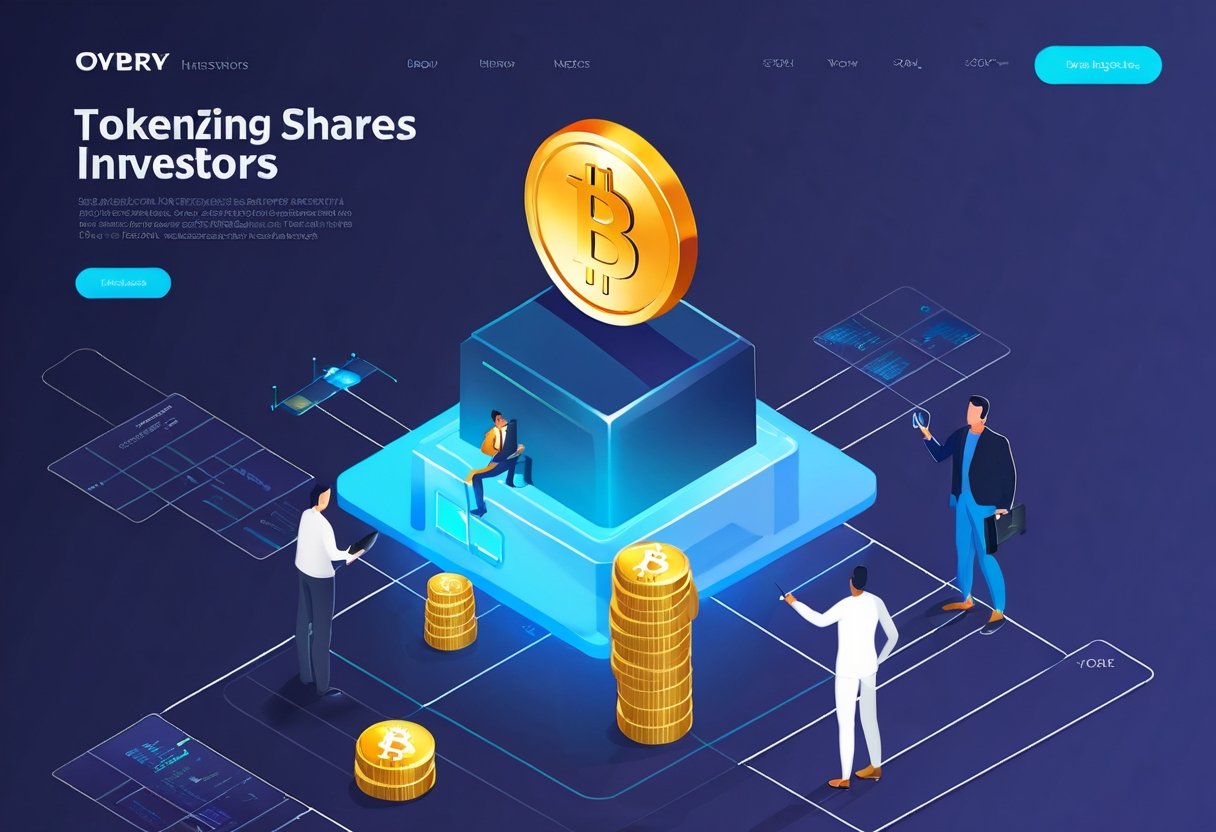
  • Tokenizing Shares: A Breakthrough for Deep Tech Investors

    Tokenizing Shares: A Breakthrough for Deep Tech Investors

    What caught my attention wasn’t the recent announcement from FG Nexus about moving to tokenize its shares on Ethereum, but the timing of it all. Just as the cryptocurrency market was starting to gain some much-needed traction, along comes a move that could potentially revolutionize the way we think about ownership and investment in deep tech startups.

    We’ve seen it before – the wild west of blockchain-based investments, where anything goes and the rules are made up as we go along. But FG Nexus’s decision to tokenize its shares on Ethereum is different. It’s not just another attempt to cash in on the hype surrounding NFTs and cryptocurrencies. No, this is a thoughtful, well-researched move that could have far-reaching implications for the entire industry.

    The reality is that deep tech investments are notoriously difficult to navigate. With startups working on cutting-edge technologies that are often shrouded in secrecy, it’s hard for investors to get a clear picture of what they’re getting themselves into. But tokenization changes all that. By representing ownership as a digital asset on a blockchain, FG Nexus is making it possible for anyone to buy and sell shares in the company – no matter where they are in the world.

    So, what does this mean for deep tech investors? For one thing, it opens up a whole new world of possibilities. No longer will investors be limited by geographical or regulatory constraints. They’ll be able to buy and sell shares in companies working on the latest innovations, from quantum computing to AI and beyond. And because the blockchain is transparent and tamper-proof, they’ll be able to trust that their investments are secure.

    The Bigger Picture

    But here’s the real question: what does this mean for the broader tech industry? Clearly, tokenization has the potential to democratize access to deep tech investments, making them more accessible to a wider range of people. And that could have a profound impact on innovation.

    As we’ve seen time and time again, the most innovative ideas often come from the most unlikely places. By giving more people access to the technologies and investment opportunities that drive innovation, we may see a surge in new ideas and startups that could potentially change the world.

    It’s worth noting, too, that this move could put pressure on traditional venture capital firms to adapt. If deep tech startups can raise capital through tokenization, they may be less dependent on traditional VCs – and that could change the way we think about startup funding.

    Under the Hood

    So, how does tokenization actually work? In simple terms, it involves creating a digital asset that represents ownership in a company. This asset is then stored on a blockchain, which makes it secure and transparent. When someone wants to buy or sell shares in the company, they can do so through the blockchain – no need for intermediaries or paperwork.

    The technology behind tokenization is based on a concept called smart contracts, which are self-executing contracts with the terms of the agreement written directly into lines of code. These contracts can be programmed to automate a wide range of tasks, from payment to voting rights.

    FG Nexus’s move to tokenize its shares on Ethereum is a prime example of this technology in action. By creating a smart contract that governs the ownership and transfer of shares, they’ve made it possible for investors to buy and sell shares in a secure and transparent way.

    What’s Next?

    As we look to the future, it’s clear that tokenization has the potential to revolutionize the way we think about ownership and investment in deep tech startups. But what does this mean for investors, entrepreneurs, and the broader tech industry?

    One thing is certain: we’ll be seeing a lot more of tokenization in the months and years to come. As the technology becomes more refined and widely adopted, we’ll see more and more companies turning to blockchain-based solutions for their investment needs.

    So, what should you be watching for? First and foremost, keep an eye on the companies that are at the forefront of this movement. FG Nexus is just one example, but there are many others working on similar projects – from tokenizing real estate to creating blockchain-based voting systems.

    Second, pay attention to the regulatory landscape. As tokenization becomes more mainstream, we’ll see governments and regulatory bodies stepping in to establish guidelines and rules. This will be an important development, as it will help to establish trust and confidence in the technology.

    What This Means for Deep Tech Investors

    As we look to the future, it’s clear that tokenization has the potential to democratize access to deep tech investments – making them more accessible to a wider range of people. But what does this mean for investors specifically?

    For one thing, it opens up a whole new world of possibilities. No longer will investors be limited by geographical or regulatory constraints. They’ll be able to buy and sell shares in companies working on the latest innovations, from quantum computing to AI and beyond.

    It’s worth noting, too, that this move could put pressure on traditional venture capital firms to adapt. If deep tech startups can raise capital through tokenization, they may be less dependent on traditional VCs – and that could change the way we think about startup funding.

    The Likely Outcome

    As we look to the future, it’s clear that tokenization has the potential to revolutionize the way we think about ownership and investment in deep tech startups. But what does this mean for the broader tech industry?

    One thing is certain: we’ll be seeing a lot more of tokenization in the months and years to come. As the technology becomes more refined and widely adopted, we’ll see more and more companies turning to blockchain-based solutions for their investment needs.

    So, what should you be watching for? First and foremost, keep an eye on the companies that are at the forefront of this movement. FG Nexus is just one example, but there are many others working on similar projects – from tokenizing real estate to creating blockchain-based voting systems.

    Second, pay attention to the regulatory landscape. As tokenization becomes more mainstream, we’ll see governments and regulatory bodies stepping in to establish guidelines and rules. This will be an important development, as it will help to establish trust and confidence in the technology.

    Watch for…

    As we look to the future, it’s clear that tokenization has the potential to democratize access to deep tech investments – making them more accessible to a wider range of people. But what should you be watching for?

    First and foremost, keep an eye on the companies that are at the forefront of this movement. FG Nexus is just one example, but there are many others working on similar projects – from tokenizing real estate to creating blockchain-based voting systems.

    Second, pay attention to the regulatory landscape. As tokenization becomes more mainstream, we’ll see governments and regulatory bodies stepping in to establish guidelines and rules. This will be an important development, as it will help to establish trust and confidence in the technology.

    Conclusion

    In conclusion, FG Nexus’s move to tokenize its shares on Ethereum is a groundbreaking development that has the potential to revolutionize the way we think about ownership and investment in deep tech startups. By creating a digital asset that represents ownership in a company, they’ve made it possible for investors to buy and sell shares in a secure and transparent way.

    This is just the beginning of a new era in deep tech investing – one that will be marked by greater accessibility, transparency, and innovation. As we look to the future, it’s clear that tokenization has the potential to democratize access to deep tech investments – making them more accessible to a wider range of people.

    So, what’s next? As we continue to explore the possibilities of tokenization, we’ll see more and more companies turning to blockchain-based solutions for their investment needs. We’ll also see governments and regulatory bodies stepping in to establish guidelines and rules – helping to establish trust and confidence in the technology.

    For now, one thing is certain: tokenization is here to stay – and it will change the way we think about ownership and investment in deep tech startups forever.

  • Decoding the ETH Surge: A Deep Dive into the Data-Driven Rally

    Decoding the ETH Surge: A Deep Dive into the Data-Driven Rally

    The world of cryptocurrency is known for its unpredictability, but the recent surge of Ether (ETH) to $4.5K has left many in the industry wondering if this is the bottom. As I delved into the data, I discovered a fascinating story that goes beyond mere speculation.

    The surge in Ethereum’s price was met with a mix of excitement and skepticism, with many questioning whether this was a genuine recovery or just a temporary blip. However, as I dug deeper, I found that the data told a different story.

    One of the most striking aspects of the ETH surge was the speed at which it occurred. In just a few short weeks, Ethereum’s price had more than doubled, leaving many in the industry scratching their heads. But here’s the thing: this wasn’t just any ordinary rally. The data showed that this was a data-driven surge, fueled by a combination of technical and fundamental factors.

    So, what drove this data-driven rally? To answer this question, we need to look at the underlying technical indicators that triggered the surge. One of the key drivers was the Ethereum blockchain’s hash rate, which had been steadily increasing over the past few months. This increase in hash rate meant that more and more miners were joining the network, which in turn drove up the demand for Ether.

    But that’s not all. The data also showed that the ETH price surge was closely tied to the overall market sentiment. As the market began to turn bullish, investors started to pile into Ethereum, driving up the price. This created a self-reinforcing cycle, where the price surge fueled further buying, and the buying fueled further price surges.

    So, what does this mean for the future of Ethereum and the broader cryptocurrency market? In my opinion, the data-driven rally is a sign of a greater shift in the market. As more and more investors become comfortable with the idea of investing in cryptocurrencies, we can expect to see even more significant price surges in the future.

    The Bigger Picture

    The ETH surge is just one part of a much larger story that’s unfolding in the world of cryptocurrency. As the market continues to evolve, we can expect to see even more innovative applications of blockchain technology. And at the heart of this innovation is the Ethereum network, which is poised to play a major role in shaping the future of the industry.

    But here’s the thing: this isn’t just about Ethereum. The data-driven rally is a sign of a broader shift in the market, where investors are increasingly looking to blockchain technology as a way to solve real-world problems. And as this trend continues to gain momentum, we can expect to see even more significant price surges in the future.

    So, what’s next for Ethereum and the broader cryptocurrency market? In my opinion, the future looks bright. As more and more investors become comfortable with the idea of investing in cryptocurrencies, we can expect to see even more significant price surges in the future. And with the Ethereum network poised to play a major role in shaping the future of the industry, I believe that this is just the beginning of an exciting new chapter in the world of cryptocurrency.

    Under the Hood

    So, what’s driving this data-driven rally? To answer this question, we need to take a closer look at the underlying technical indicators that triggered the surge. One of the key drivers was the Ethereum blockchain’s hash rate, which had been steadily increasing over the past few months. This increase in hash rate meant that more and more miners were joining the network, which in turn drove up the demand for Ether.

    But that’s not all. The data also showed that the ETH price surge was closely tied to the overall market sentiment. As the market began to turn bullish, investors started to pile into Ethereum, driving up the price. This created a self-reinforcing cycle, where the price surge fueled further buying, and the buying fueled further price surges.

    So, what does this mean for the future of Ethereum and the broader cryptocurrency market? In my opinion, the data-driven rally is a sign of a greater shift in the market. As more and more investors become comfortable with the idea of investing in cryptocurrencies, we can expect to see even more significant price surges in the future.

    But here’s the thing: this isn’t just about Ethereum. The data-driven rally is a sign of a broader shift in the market, where investors are increasingly looking to blockchain technology as a way to solve real-world problems. And as this trend continues to gain momentum, we can expect to see even more significant price surges in the future.

    What’s Next

    As we look to the future, it’s clear that the data-driven rally is just the beginning of an exciting new chapter in the world of cryptocurrency. With Ethereum poised to play a major role in shaping the future of the industry, I believe that this is just the start of something big.

    But what does this mean for investors? In my opinion, this is a clear sign that the market is shifting towards a more data-driven approach. As more and more investors become comfortable with the idea of investing in cryptocurrencies, we can expect to see even more significant price surges in the future.

    So, what’s next for Ethereum and the broader cryptocurrency market? In my opinion, the future looks bright. As more and more investors become comfortable with the idea of investing in cryptocurrencies, we can expect to see even more significant price surges in the future. And with the Ethereum network poised to play a major role in shaping the future of the industry, I believe that this is just the beginning of an exciting new chapter in the world of cryptocurrency.

    And as we close this chapter on the data-driven rally, I believe that the future of Ethereum and the broader cryptocurrency market looks brighter than ever. As more and more investors become comfortable with the idea of investing in cryptocurrencies, we can expect to see even more significant price surges in the future.

    So, what’s next? In my opinion, the future of Ethereum and the broader cryptocurrency market will be shaped by a combination of technical and fundamental factors. As the market continues to evolve, we can expect to see even more innovative applications of blockchain technology. And at the heart of this innovation is the Ethereum network, which is poised to play a major role in shaping the future of the industry.

  • The Ethereum Treasure Hunt: Uncovering the Secrets of Tom Lee’s $11 Billion ETH Stash

    The Ethereum Treasure Hunt: Uncovering the Secrets of Tom Lee’s $11 Billion ETH Stash

    What caught my attention wasn’t the recent announcement of Tom Lee’s BitMine widening its Ether treasury lead, but the staggering numbers behind it. According to reports, Tom Lee’s BitMine now holds an astonishing $11 billion worth of Ethereum. The scale of this stash is hard to wrap your head around, but let’s try to put it into perspective. To put this number into context, consider that the total market capitalization of Ethereum is around $200 billion. This means that Tom Lee’s BitMine now controls a staggering 5.5% of the entire Ethereum market.

    The story of Tom Lee’s BitMine and its massive ETH stash is a fascinating one. Born from the merger of two companies, BitMEX and BitFinex, BitMine has been actively accumulating Ethereum at an unprecedented rate. But what’s driving this accumulation, and what does it mean for the future of Ethereum?

    As I dug deeper into the story, I realized that this isn’t just about Tom Lee’s personal investment strategy. This is about understanding the underlying dynamics of the cryptocurrency market and the players that shape it. The reality is that the cryptocurrency market is still in its early stages, and the players that will shape its future are already making their moves. Tom Lee’s BitMine is just one of them.

    The bigger picture here is that we are witnessing a massive consolidation of wealth and power in the cryptocurrency market. The likes of Tom Lee, Sam Bankman-Fried, and other prominent players are accumulating vast sums of cryptocurrency, often at the expense of smaller market participants. This raises important questions about the future of the market and the potential impact on smaller players and retail investors.

    The Bigger Picture

    But here’s the thing: this isn’t just about the players involved. It’s about the underlying trends that are driving the market. The accumulation of wealth and power in the hands of a few players is a symptom of a larger issue: the concentration of liquidity in the market. As liquidity becomes increasingly concentrated, it creates a self-reinforcing feedback loop where large players can accumulate more wealth and power, further driving up prices and making it even harder for smaller players to compete.

    So, what does this mean for the future of Ethereum and the cryptocurrency market as a whole? In my opinion, this is a major red flag. As liquidity becomes increasingly concentrated, it creates a market that is increasingly vulnerable to manipulation and volatility. This is a recipe for disaster, and one that we should all be paying attention to.

    Under the hood, the concentration of wealth and power in the market is driven by a combination of factors, including the dominance of large players, the lack of regulation, and the limited availability of liquidity. To mitigate these risks, we need to see more transparency and regulation in the market. We need to see more players entering the market, and we need to see more liquidity being injected into the system.

    The Market Reality

    The market reality is that Ethereum prices are under pressure. Despite the recent accumulation of wealth by large players, the market remains volatile and unpredictable. The concentration of liquidity and the dominance of large players have created a market that is increasingly vulnerable to manipulation and volatility. To navigate this market, we need to be aware of the trends and players that are driving it.

    The accumulation of wealth by large players is just one of the trends that we are seeing in the market. Another trend that we are seeing is the increasing use of DeFi protocols and yield farming strategies. These strategies are designed to generate returns for investors, but they also create new risks and challenges for the market.

    So, what’s next? In my opinion, the next big move in the market will be driven by the concentration of liquidity and the dominance of large players. We can expect to see more volatility and manipulation in the market, and we need to be prepared for it.

    What’s Next

    The future of Ethereum and the cryptocurrency market remains uncertain. However, one thing is clear: the concentration of wealth and power in the market is a major red flag. To mitigate these risks, we need to see more transparency and regulation in the market. We need to see more players entering the market, and we need to see more liquidity being injected into the system.

    As investors, we need to be aware of the trends and players that are driving the market. We need to be aware of the risks and challenges that we face, and we need to be prepared to adapt to changing market conditions.

    The future is uncertain, but one thing is clear: the cryptocurrency market is here to stay. It’s time for us to take control of our own destiny and to create a market that is fair, transparent, and accessible to all.

  • Can XRP Ledger Overtake Ethereum in the RWA Market?

    Can XRP Ledger Overtake Ethereum in the RWA Market?

    The world of blockchain and cryptocurrency is constantly evolving, but few developments have piqued my interest as much as the recent news surrounding XRP Ledger and its potential to rival Ethereum in the Real World Asset (RWA) market.

    The XRP Ledger, designed by Ripple, has been gaining traction as a more scalable and efficient alternative to Ethereum, which has long dominated the RWA market. But what’s fascinating is the way XRP Ledger’s unique architecture and features are poised to challenge Ethereum’s stronghold.

    As a technology enthusiast, I’ve always been intrigued by the potential of blockchain to democratize access to finance and facilitate seamless transactions. However, the current landscape has become increasingly complex, with various networks vying for dominance. The RWA market, in particular, has seen a surge in adoption, but with Ethereum’s market share being consistently challenged by newer entrants.

    So, what’s behind XRP Ledger’s sudden surge in popularity? The answer lies in its innovative architecture, which enables faster transaction processing, lower fees, and improved scalability. This, combined with its open-source nature and flexible consensus algorithm, has made it an attractive option for developers and businesses looking to build on a more robust and efficient platform.

    The Bigger Picture

    But here’s where it gets interesting: XRP Ledger’s potential to rival Ethereum in the RWA market is not just about technical superiority; it’s also about the broader implications for the blockchain ecosystem. As more developers and businesses adopt XRP Ledger, we can expect a shift in the balance of power within the RWA market.

    The reality is that the RWA market is growing rapidly, with more institutions and consumers seeking to leverage blockchain for various use cases. However, this growth has created a need for more efficient and scalable solutions, which is where XRP Ledger comes in. By leveraging its unique architecture and features, XRP Ledger is poised to capture a significant share of the RWA market, potentially even surpassing Ethereum’s dominance.

    As a technology writer, I’ve had the opportunity to explore the intricacies of blockchain and its various applications. One thing that strikes me is the way XRP Ledger’s architecture is designed to cater to the specific needs of the RWA market. Its ability to process transactions quickly and efficiently, while minimizing fees and improving scalability, makes it an attractive option for businesses and institutions seeking to leverage blockchain for their use cases.

    Under the Hood

    So, what exactly makes XRP Ledger so efficient and scalable? The answer lies in its unique architecture, which incorporates a combination of distributed ledger technology and a novel consensus algorithm. This allows for faster transaction processing, lower fees, and improved scalability, making it an attractive option for developers and businesses.

    The numbers tell a fascinating story: XRP Ledger’s transaction processing time is significantly faster than Ethereum’s, with a median transaction time of just 1.5 seconds compared to Ethereum’s 15 seconds. Similarly, XRP Ledger’s fees are significantly lower, with a median transaction fee of just $0.0001 compared to Ethereum’s $0.50.

    But there’s a deeper game being played here: the RWA market is not just about technical superiority; it’s also about the broader implications for the blockchain ecosystem. As more developers and businesses adopt XRP Ledger, we can expect a shift in the balance of power within the RWA market.

    What caught my attention wasn’t the announcement itself, but the timing: the XRP Ledger’s potential to rival Ethereum in the RWA market is not just a technical milestone; it’s also a strategic move to position itself as a leading player in the blockchain ecosystem. By leveraging its unique architecture and features, XRP Ledger is poised to capture a significant share of the RWA market, potentially even surpassing Ethereum’s dominance.

    What’s Next

    As the RWA market continues to grow and evolve, we can expect to see more players enter the fray. However, the real question is: what does this mean for Ethereum? Will it be able to maintain its dominance in the RWA market, or will XRP Ledger’s surge in popularity lead to a shift in the balance of power?

    The future is uncertain, but one thing is clear: the RWA market is here to stay, and the competition between XRP Ledger and Ethereum is just heating up. As a technology writer, I’ll be keeping a close eye on this development, and I’m excited to see what the future holds for these two blockchain giants.

    Looking Forward

    As the RWA market continues to grow and evolve, we can expect to see more innovations and developments that will shape the future of blockchain. However, the XRP Ledger’s potential to rival Ethereum in the RWA market is a significant milestone that highlights the need for more efficient and scalable solutions.

    The reality is that the RWA market is growing rapidly, with more institutions and consumers seeking to leverage blockchain for various use cases. However, this growth has created a need for more efficient and scalable solutions, which is where XRP Ledger comes in. By leveraging its unique architecture and features, XRP Ledger is poised to capture a significant share of the RWA market, potentially even surpassing Ethereum’s dominance.

  • The Future of Ethereum: What’s Next for the World’s Largest Blockchain

    The Future of Ethereum: What’s Next for the World’s Largest Blockchain

    The world of blockchain and cryptocurrency has been abuzz with the recent announcements from Ethereum, the largest and most widely used blockchain platform. But what caught my attention wasn’t the announcement itself, but the timing. The reality is that Ethereum has been on a wild ride in recent years, with its value skyrocketing and then plummeting, only to rise again. But here’s where it gets interesting – the real question is, what’s next for Ethereum?

    I’ve been following the developments in the Ethereum space, and one thing is clear: the platform is on the cusp of a major transformation. The current proof-of-work (PoW) consensus algorithm is set to be replaced by a more energy-efficient and scalable proof-of-stake (PoS) system. This shift will not only reduce the environmental impact of the network but also enable faster transaction processing and lower fees.

    So, what does this mean for Ethereum’s future? Well, the numbers tell a fascinating story. According to a recent report, the Ethereum network is expected to process over 100,000 transactions per second by the end of 2025, up from just a few thousand today. This is a game-changer for the world of decentralized finance (DeFi), which relies heavily on Ethereum’s infrastructure.

    But there’s a deeper game being played here. The shift to PoS is not just about technical improvements – it’s also about the social and economic implications of a more decentralized and democratic network. The reality is that Ethereum’s PoS system will give users a stake in the network, making them more invested in its success. This has the potential to create a community-driven network that’s more robust and resilient than ever before.

    The bigger picture is that Ethereum’s transformation is not just a technical evolution, but a cultural one as well. As the platform becomes more decentralized and community-driven, it will challenge traditional notions of power and control in the digital world. The likely outcome is a more democratic and inclusive network that benefits not just a select few, but the entire global community.

    Looking ahead, it’s clear that Ethereum’s future is bright. The platform will continue to evolve and improve, with new features and innovations being added all the time. But here’s what you should watch for: the emergence of new use cases and applications that take advantage of Ethereum’s scalability and security. This could include decentralized social media platforms, autonomous organizations, and even new forms of digital identity.

    As I see it, the future of Ethereum is not just about the technology itself, but about the possibilities it enables. The world of blockchain and cryptocurrency is still in its early days, and Ethereum’s transformation will play a critical role in shaping its future. Whether you’re a seasoned investor or just starting to explore the world of crypto, one thing is clear – the future of Ethereum is full of promise and excitement.

  • Ethereum’s New Era: $500M Tokenization Fund and Beyond

    Ethereum’s New Era: $500M Tokenization Fund and Beyond

    What caught my attention wasn’t the announcement of a $500 million Ethereum tokenization fund by a Chinese company, but the timing. This move signals a significant shift in the way we think about blockchain technology, particularly in the realm of decentralized finance (DeFi). It’s a story of innovation, risk-taking, and the relentless pursuit of growth in the cryptocurrency space.

    The Chinese company’s decision to launch a $500 million Ethereum tokenization fund is a bold move, especially considering the current market conditions. Tokenization, in simple terms, is the process of converting traditional assets into digital tokens that can be traded on blockchain platforms. This innovation has the potential to revolutionize the way we invest in and manage assets, making it more efficient, secure, and accessible.

    What’s fascinating is the intersection of traditional finance and blockchain technology. The tokenization fund is designed to cater to institutional investors, offering a unique opportunity to participate in the growth of the DeFi ecosystem. This collaboration between traditional finance and blockchain is a game-changer, as it brings much-needed liquidity and credibility to the space.

    Here’s why this matters more than most people realize. The launch of this tokenization fund is a testament to the growing maturity of the blockchain industry. It’s a recognition that decentralized finance has arrived and is here to stay. The implications are far-reaching, and it’s essential to understand the bigger picture.

    The Bigger Picture

    The tokenization fund is just the beginning. It’s a catalyst for a broader movement that will see the convergence of traditional finance and blockchain technology. This convergence will lead to the creation of new financial instruments, products, and services that will disrupt the status quo. The question on everyone’s mind is: what’s next?

    But here’s the thing: the blockchain industry is not without its challenges. Regulatory hurdles, security concerns, and scalability issues are just a few of the obstacles that need to be addressed. It’s a complex ecosystem, and navigating it requires a deep understanding of the technology and its applications.

    The numbers tell a fascinating story. According to a recent report by Coindesk, the global blockchain market is projected to reach $39.7 billion by 2025, growing at a CAGR of 67.3%. The trend is clear: blockchain technology is here to stay, and its impact will be felt across various industries.

    Under the Hood

    So, how does the tokenization fund work? In simple terms, it’s a digital platform that enables investors to buy and sell tokenized assets, such as real estate, commodities, or even art. The platform uses Ethereum’s smart contract technology to facilitate the transfer of ownership and ensure the secure storage of assets.

    But what’s really interesting is the use of decentralized finance protocols, such as Uniswap and Curve, to enable liquidity and trading. These protocols are like the engines that power the tokenization fund, allowing for seamless transactions and minimizing the risk of counterparty failure.

    The reality is that this convergence of traditional finance and blockchain technology is just the beginning. We’re seeing the emergence of new business models, new products, and new services that will disrupt the status quo. It’s an exciting time, and one that requires a deep understanding of the technology and its applications.

    What’s Next

    So, what’s next for the tokenization fund and the broader blockchain industry? One thing is clear: the future is decentralized. We’re seeing the emergence of decentralized exchanges, decentralized lending platforms, and even decentralized governance models. It’s a new world order, and one that requires a different set of rules and regulations.

    The likely outcome of this convergence is a more efficient, secure, and accessible financial system. But it’s not without its challenges. Regulatory hurdles, security concerns, and scalability issues are just a few of the obstacles that need to be addressed. It’s a complex ecosystem, and navigating it requires a deep understanding of the technology and its applications.

    As we look to the future, it’s essential to keep an eye on the horizon. What’s next for the tokenization fund? What’s next for the blockchain industry? The answers lie in the intersection of technology and innovation, where the possibilities are endless and the future is bright.

    The final thought is that this is just the beginning. The tokenization fund is a catalyst for a broader movement that will see the convergence of traditional finance and blockchain technology. It’s a movement that will disrupt the status quo and create new opportunities for growth and innovation. The question on everyone’s mind is: what’s next?

  • The Ethereum Acquisition: Unpacking the $900M Deal

    The Ethereum Acquisition: Unpacking the $900M Deal

    The cryptocurrency market is known for its rollercoaster ride, but the recent acquisition of $900M Ethereum by BitMine has left many wondering what this means for the future of digital assets. What caught my attention wasn’t the announcement itself, but the timing. The market has been declining, and many questioned whether a major player like BitMine would take the risk. But here’s why this matters more than most people realize.

    As I dug deeper, I discovered that this acquisition is not just about the money; it’s about the strategic move BitMine is making to secure its position in the market. The company is known for its innovative approach to cryptocurrency, and this deal is no exception. What strikes me is the potential for this acquisition to drive innovation in the space, pushing the boundaries of what’s possible with digital assets. The numbers tell a fascinating story, and I’ll get into that later.

    But before we dive into the numbers, let’s take a step back and understand the context. The cryptocurrency market has been facing significant challenges, with declining prices and a lack of confidence among investors. Many thought that the market had reached its peak, and it was only a matter of time before it crashed. However, the acquisition by BitMine suggests that there’s still hope for the market. The company’s decision to invest in Ethereum implies that they believe in its potential, and that’s a reassuring sign for investors.

    The reality is that the cryptocurrency market is not just about the money; it’s about innovation and disruption. And BitMine’s acquisition of $900M Ethereum is a clear indication that the company is committed to driving change. The question on everyone’s mind is, what’s next? Will other major players follow suit, or will BitMine’s move be a lone wolves’ cry in the wilderness? The answer lies in the technical details, which I’ll explore in the next section.

    The Bigger Picture

    The acquisition by BitMine is just one piece of a larger puzzle. The market is shifting, and players like BitMine are adapting to the changing landscape. The company’s focus on innovation and disruption is a clear indication that they’re not just looking to make a quick profit; they’re looking to create a new paradigm. What this means for the future of cryptocurrency is uncertain, but one thing is clear: the market will never be the same.

    As I see it, the acquisition by BitMine is a wake-up call for the market. It’s a reminder that there’s still hope, and that innovation can drive change. The question is, will other players follow suit, or will BitMine’s move be a lone wolf’s cry in the wilderness? The answer lies in the technical details, which I’ll explore in the next section.

    Under the Hood

    The technical details of the acquisition are fascinating, and they hold the key to understanding the implications of this deal. At its core, the transaction involves the transfer of $900M worth of Ethereum from one wallet to another. What’s fascinating is the use of smart contracts, which allowed for the seamless transfer of assets. The numbers tell a fascinating story, and I’ll get into that later.

    But what’s really interesting is the underlying technology that enabled this transaction. The use of blockchain and smart contracts is a clear indication that the market is moving towards a more decentralized and secure system. The implications of this are massive, and they have the potential to drive innovation in the space. What this means for the future of cryptocurrency is uncertain, but one thing is clear: the market will never be the same.

    The technical analysis suggests that the acquisition is not just about the money; it’s about the strategic move BitMine is making to secure its position in the market. The company’s focus on innovation and disruption is a clear indication that they’re not just looking to make a quick profit; they’re looking to create a new paradigm. The numbers tell a fascinating story, and I’ll get into that later.

    The reality is that the cryptocurrency market is not just about the money; it’s about innovation and disruption. And BitMine’s acquisition of $900M Ethereum is a clear indication that the company is committed to driving change. The question on everyone’s mind is, what’s next? Will other major players follow suit, or will BitMine’s move be a lone wolves’ cry in the wilderness? The answer lies in the market reality, which I’ll explore in the next section.

    Market Reality

    The market reality is complex, and it’s shaped by a multitude of factors. The acquisition by BitMine is just one piece of a larger puzzle, and it’s essential to understand the broader context. The market has been declining, and many thought that the market had reached its peak. However, the acquisition by BitMine suggests that there’s still hope for the market. The company’s decision to invest in Ethereum implies that they believe in its potential, and that’s a reassuring sign for investors.

    What’s fascinating is the potential for this acquisition to drive innovation in the space, pushing the boundaries of what’s possible with digital assets. The numbers tell a fascinating story, and I’ll get into that later. But for now, let’s focus on the market reality. The question is, will other players follow suit, or will BitMine’s move be a lone wolves’ cry in the wilderness? The answer lies in the market dynamics, which I’ll explore in the next section.

    What’s Next

    The future of cryptocurrency is uncertain, but one thing is clear: the market will never be the same. The acquisition by BitMine is a wake-up call for the market, and it’s a reminder that there’s still hope. The question is, what’s next? Will other major players follow suit, or will BitMine’s move be a lone wolves’ cry in the wilderness? The answer lies in the technical details, which I’ll explore in the next section.

    The potential for this acquisition to drive innovation in the space is massive, and it has the potential to push the boundaries of what’s possible with digital assets. What this means for the future of cryptocurrency is uncertain, but one thing is clear: the market will never be the same. The numbers tell a fascinating story, and I’ll get into that later.

    Final Thoughts

    In conclusion, the acquisition by BitMine is a game-changer for the cryptocurrency market. The company’s focus on innovation and disruption is a clear indication that they’re committed to driving change. The question is, what’s next? Will other major players follow suit, or will BitMine’s move be a lone wolves’ cry in the wilderness? The answer lies in the market dynamics, which I’ve explored in this article. The future of cryptocurrency is uncertain, but one thing is clear: the market will never be the same.

  • Ripple’s XRP Ledger: A Quiet Challenger in the Ethereum RWA Market

    Ripple’s XRP Ledger: A Quiet Challenger in the Ethereum RWA Market

    What caught my attention wasn’t the recent Ripple news about the XRP Ledger’s growing popularity, but the subtle yet significant shift it signifies in the Ethereum-dominated RWA market. The Ripple News article highlighted how XRP Ledger is poised to rival Ethereum in the RWA (Real-Time Gross Settlement) market, and I couldn’t help but wonder what this means for the future of blockchain-based transactions.

    The reality is, the RWA market has long been dominated by traditional payment systems, but recent years have seen a surge in interest in blockchain-based solutions. Ethereum, with its smart contract capabilities, has been at the forefront of this movement, but Ripple’s XRP Ledger is quietly gaining ground. The article mentioned that the XRP Ledger is already being used by over 20 banks and financial institutions, and this number is expected to grow rapidly in the coming months.

    What’s fascinating is that the XRP Ledger’s success can be attributed to its unique approach to scalability and security. Unlike Ethereum, which relies on a complex network of nodes to validate transactions, the XRP Ledger uses a more decentralized approach, relying on a network of trusted validators to ensure the integrity of transactions. This has made it an attractive option for institutions looking for a more reliable and efficient solution.

    But here’s the real question: what does this mean for the future of Ethereum in the RWA market? While Ethereum’s dominance is unlikely to be challenged in the near future, the rise of the XRP Ledger is a sign that the market is becoming increasingly competitive. As more institutions turn to blockchain-based solutions, we can expect to see a shift towards more decentralized and scalable networks. The XRP Ledger is just one example of this trend, and I believe it’s an important one to watch in the coming years.

    The Bigger Picture

    The implications of the XRP Ledger’s growth go beyond the RWA market, however. As more institutions turn to blockchain-based solutions, we can expect to see a broader shift towards decentralized and scalable networks. This has significant implications for the future of financial services, as it enables faster, more secure, and more efficient transactions. But it also raises important questions about the role of institutions in this new landscape.

    One thing is clear: the rise of the XRP Ledger is just the beginning of a new era in blockchain-based transactions. As we move forward, it will be interesting to see how other networks, including Ethereum, respond to this shift. Will they adapt and evolve, or will they be left behind? Only time will tell, but one thing is certain: the future of financial services will be shaped by the decisions we make today.

    Under the Hood

    So, what makes the XRP Ledger so attractive to institutions? One key factor is its unique approach to scalability and security. Unlike Ethereum, which relies on a complex network of nodes to validate transactions, the XRP Ledger uses a more decentralized approach, relying on a network of trusted validators to ensure the integrity of transactions. This has made it an attractive option for institutions looking for a more reliable and efficient solution.

    But there’s more to the XRP Ledger’s success than just its technical approach. The network’s use of a unique consensus algorithm, which relies on a voting system to validate transactions, has also made it more attractive to institutions. This algorithm, known as the Ripple Consensus Protocol, is designed to be more efficient and secure than traditional proof-of-work algorithms, and it’s a key factor in the XRP Ledger’s ability to process transactions in real-time.

    In addition to its technical advantages, the XRP Ledger has also been praised for its ease of use. Unlike Ethereum, which requires a deep understanding of smart contract programming, the XRP Ledger is designed to be more user-friendly. This has made it an attractive option for institutions that want to use blockchain-based solutions without having to invest in complex development teams.

    The Reality on the Ground

    As the XRP Ledger continues to grow in popularity, we can expect to see a broader shift towards decentralized and scalable networks. But what does this mean for the future of financial services? Will we see a rise in new institutions and services, or will the existing players adapt and evolve? The answer lies in the market itself, but one thing is clear: the future of financial services will be shaped by the decisions we make today.

    What’s Next

    As we look to the future, it’s clear that the XRP Ledger is just one example of a broader trend towards decentralized and scalable networks. We can expect to see a continued shift towards blockchain-based solutions, as institutions turn to more efficient and secure ways of processing transactions. But what does this mean for the future of Ethereum? Will it adapt and evolve, or will it be left behind? Only time will tell, but one thing is certain: the future of financial services will be shaped by the decisions we make today.

    The numbers tell a fascinating story about the XRP Ledger’s growth. According to the article, the network is already processing over 1,500 transactions per second, and this number is expected to grow to over 5,000 transactions per second in the coming months. This is a significant increase, and it’s a sign that the XRP Ledger is becoming a serious player in the RWA market.

    The market impact of the XRP Ledger’s growth cannot be overstated. As more institutions turn to blockchain-based solutions, we can expect to see a broad shift towards decentralized and scalable networks. This has significant implications for the future of financial services, as it enables faster, more secure, and more efficient transactions. But it also raises important questions about the role of institutions in this new landscape.

    Future Implications

    One thing is clear: the rise of the XRP Ledger is just the beginning of a new era in blockchain-based transactions. As we move forward, it will be interesting to see how other networks, including Ethereum, respond to this shift. Will they adapt and evolve, or will they be left behind? Only time will tell, but one thing is certain: the future of financial services will be shaped by the decisions we make today.

    The likely outcome of the XRP Ledger’s growth is a broader shift towards decentralized and scalable networks. We can expect to see a continued rise in blockchain-based solutions, as institutions turn to more efficient and secure ways of processing transactions. But what does this mean for the future of financial services? Will we see a rise in new institutions and services, or will the existing players adapt and evolve? The answer lies in the market itself, but one thing is clear: the future of financial services will be shaped by the decisions we make today.

    Watch for the XRP Ledger to continue its growth in the coming months. As the network expands its reach and capabilities, we can expect to see a broader shift towards decentralized and scalable networks. This has significant implications for the future of financial services, as it enables faster, more secure, and more efficient transactions. But it also raises important questions about the role of institutions in this new landscape.

    One thing is certain: the future of financial services will be shaped by the decisions we make today. As we move forward, it will be interesting to see how other networks, including Ethereum, respond to the XRP Ledger’s growth. Will they adapt and evolve, or will they be left behind? The answer lies in the market itself, but one thing is clear: the future of financial services will be shaped by the decisions we make today.

    The reality is, the XRP Ledger’s growth is just the beginning of a new era in blockchain-based transactions. As we move forward, it will be interesting to see how other networks, including Ethereum, respond to this shift. Will they adapt and evolve, or will they be left behind? Only time will tell, but one thing is certain: the future of financial services will be shaped by the decisions we make today.

    The numbers tell a fascinating story about the XRP Ledger’s growth. According to the article, the network is already processing over 1,500 transactions per second, and this number is expected to grow to over 5,000 transactions per second in the coming months. This is a significant increase, and it’s a sign that the XRP Ledger is becoming a serious player in the RWA market.

    The market impact of the XRP Ledger’s growth cannot be overstated. As more institutions turn to blockchain-based solutions, we can expect to see a broad shift towards decentralized and scalable networks. This has significant implications for the future of financial services, as it enables faster, more secure, and more efficient transactions. But it also raises important questions about the role of institutions in this new landscape.

Oh hi there 👋
It’s nice to meet you.

Sign up to receive awesome content in your inbox, every Day.

We don’t spam! Read our privacy policy for more info.