Tag: EU Regulations

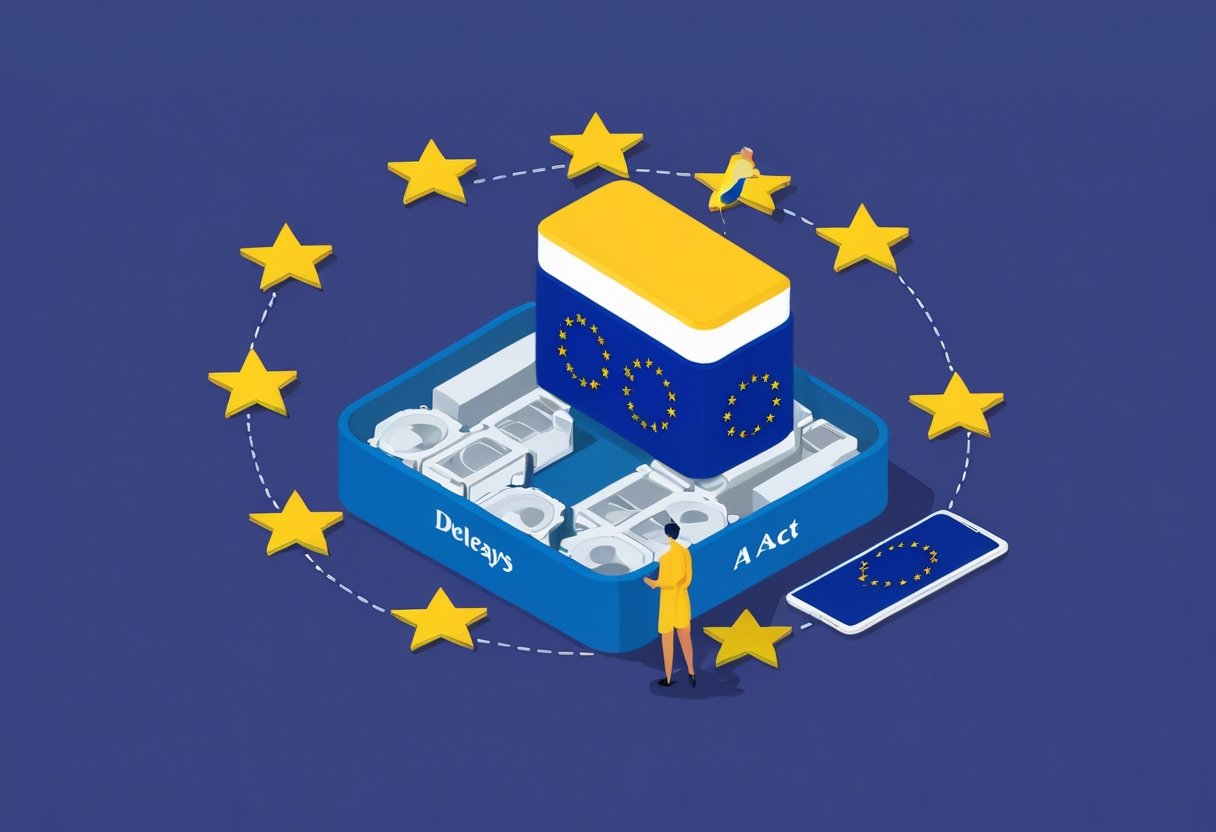
  • EU Delays AI Act Implementation: What It Means

    EU Delays AI Act Implementation: What It Means

    Introduction to the AI Act Delay

    The European Union has decided to postpone the implementation of the AI Act, a regulatory framework aimed at governing the development and deployment of artificial intelligence in the EU. This decision comes after significant pushback from Big Tech companies and concerns about the EU’s competitiveness in the global AI landscape.

    Reasons Behind the Delay

    According to Reuters, the European Commission proposed streamlining and easing tech regulations, including delaying some provisions of the AI Act, to cut red tape and boost Europe’s competitiveness. The Commission wants to avoid a scenario where the rules start to apply before standards, common specifications, and supervisory structures are ready, which would lead to high costs and difficulties for companies.

    Impact on Businesses and Innovation

    The delay is expected to give businesses more time to prepare for the new regulations and to allow for the development of necessary technical standards and guidance. As noted by the Carnegie Endowment, the EU needs to balance regulation, competitiveness, and strategic autonomy to thrive in the global AI race.

    Expert Insights and Analysis

    Experts believe that the delay is a pragmatic decision, considering the complexity of the AI Act and the need for clear guidance and standards. However, it also raises concerns about the EU’s ability to regulate AI effectively and to protect citizens’ rights.

    Future Implications

    The postponement of the AI Act implementation has significant implications for the future of AI regulation in the EU. It may lead to a more nuanced and effective regulatory framework, but it also risks undermining the EU’s position as a leader in AI governance.

  • EU Bans Crypto Deals with Russia: What It Means for Bitcoin & Ethereum

    EU Bans Crypto Deals with Russia: What It Means for Bitcoin & Ethereum

    The European Union has taken a bold step by incorporating cryptocurrency platforms into its sanctions package against Russia. This move signals a new era of digital asset regulation on the global stage.

    EU Expands Sanctions With Cryptocurrency Restrictions

    European Commission President Ursula von der Leyen announced that the EU will impose sanctions on Russia, explicitly banning cryptocurrency platform transactions with Russian entities.

    This measure aims to:

    • Close financial loopholes in Russia’s access to international capital.
    • Prevent sanction evasion through digital assets.
    • Limit the use of alternative payment systems for cross-border trading.

    The prohibition extends beyond banks to include cryptocurrency exchanges, highlighting how digital assets have become a geopolitical battleground.

    Impact on the Crypto Market

    The immediate response in the crypto sector has been muted, with few public statements from leading figures. However, analysts note potential ripple effects:

    • Disruption in crypto exchange operations tied to Russian entities.
    • Increased reliance on peer-to-peer (P2P) transactions.
    • Potential drop in trade volumes and liquidity within Europe.

    Historically, when sanctions tighten, transactions often migrate toward decentralized channels that resist oversight — creating challenges for regulators worldwide.

    Bitcoin Market Fluctuations

    The announcement coincided with notable Bitcoin movements:

    • Price: $115,572.06 (down 1.28% in 24 hours)
    • Market Cap: $2.30 trillion
    • Dominance: 57.21%
    • Trading Volume: Down 14.81% in 24 hours

    While Bitcoin showed a 12.92% surge over 90 days, recent short-term dips underline how geopolitical shocks can affect investor sentiment and liquidity.

    The Bigger Picture: Regulation Meets Decentralization

    This sanctions package signals a growing European regulatory appetite for policing crypto markets. Yet, experts caution that targeting centralized exchanges only addresses part of the equation.

    Decentralized finance (DeFi) protocols and peer-to-peer networks operate beyond traditional frameworks, raising the question: Can regulation ever fully contain crypto?

    AI Satoshi ‘s Analysis

    By targeting crypto exchanges, the EU attempts to close loopholes that could bypass traditional financial sanctions. While this may temporarily reduce centralized transaction avenues, peer-to-peer networks and decentralized systems remain resilient by design, highlighting the limits of regulatory reach in permissionless networks. Market liquidity and trading volumes may fluctuate, but the underlying cryptographic infrastructure ensures continued global accessibility.

    🔔 Follow @casi.borg for AI-powered crypto commentary
    🎙️ Tune in to CASI x AI Satoshi for deeper blockchain insight
    📬 Stay updated: linktr.ee/casiborg

    💬 Would you trust decentralized systems to withstand regulatory pressure?

    ⚠️ Disclaimer: This content is generated with the help of AI and intended for educational and experimental purposes only. Not financial advice.

Oh hi there 👋
It’s nice to meet you.

Sign up to receive awesome content in your inbox, every Day.

We don’t spam! Read our privacy policy for more info.