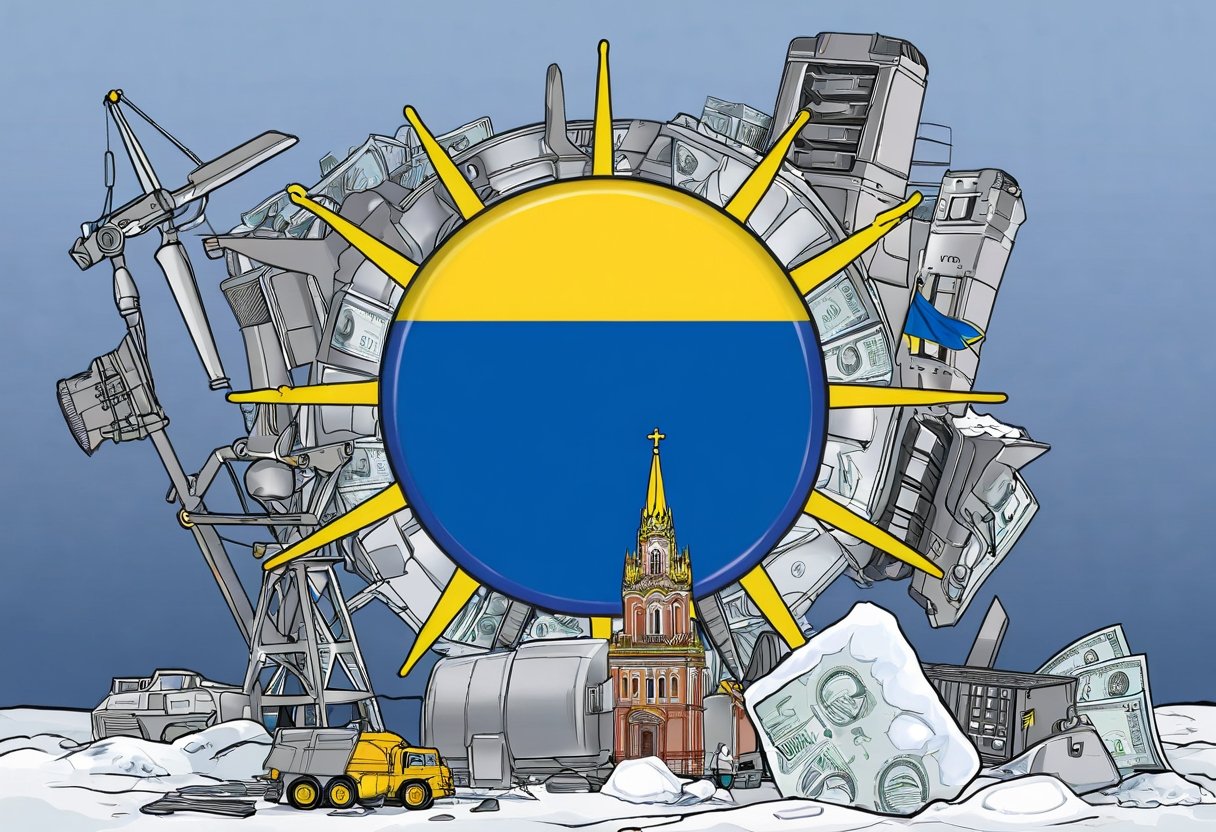
Tag: Frozen Russian Assets

  • EU Freezes Russian Assets to Support Ukraine

    EU Freezes Russian Assets to Support Ukraine

    Introduction to the Crisis

    The European Union has taken a significant step in its support for Ukraine by indefinitely freezing Russian assets within its borders. This move, designed to prevent Moscow-friendly governments in Hungary and Slovakia from vetoing the use of these assets to support Ukraine, marks a critical point in the ongoing conflict between Russia and Ukraine. As reported by European Interest, the EU’s decision is aimed at facilitating the potential use of frozen Russian assets, estimated to be worth billions of euros, to aid Ukraine in its time of need.

    Background on the Conflict

    The conflict between Russia and Ukraine began in February 2022, with Russia launching a war against its neighbor. Since then, the international community, including the European Union, has imposed various sanctions on Russia. According to Fortune, these sanctions include the freezing of Russian assets in Europe, which must be renewed every six months with the approval of all 27 EU member countries.

    EU’s Decision and Its Implications

    The EU’s decision to indefinitely freeze Russian assets is a strategic move to ensure that these assets can be used to support Ukraine without being blocked by Hungary and Slovakia. As The Los Angeles Times notes, this decision utilizes a special procedure designed for economic emergencies, allowing the EU to block the assets until Russia ceases its aggression against Ukraine and compensates for the damage caused. French Foreign Minister Jean-Noël Barrot emphasized that this decision signifies that no one will decide on behalf of the Europeans regarding the use of these funds.

    Reaction from Key Figures

    Hungarian Prime Minister Viktor Orbán has expressed concerns over this development, calling it a departure from the rule of law within the European Union. He believes that the European Commission is undermining European legal frameworks to perpetuate the conflict. On the other hand, Ukrainian President Volodymyr Zelensky and other European leaders have welcomed the EU’s decision as a significant step towards supporting Ukraine in its struggle against Russian aggression.

    Practical Takeaways and Future Implications

    This decision has significant implications for the future of the conflict and the role of the European Union in international affairs. It demonstrates the EU’s commitment to supporting Ukraine and its willingness to take bold steps to achieve this goal. However, it also raises questions about the potential backlash from Russia and the impact on the economic and political relationships between EU member states. As the situation continues to evolve, it will be crucial to monitor the responses of key players and the effects of this decision on the broader geopolitical landscape.
  • Russia’s Oil Revenues Plummet Amid Sanctions

    Russia’s Oil Revenues Plummet Amid Sanctions

    Russia’s Oil Revenues Plummet Amid Sanctions

    Russia’s oil revenues have taken a significant hit, plummeting 27% in October compared to the same month last year, according to the country’s Finance Ministry. This decline is largely attributed to falling crude prices, a stronger ruble, and tightening Western sanctions.

    Sanctions Take Their Toll

    The latest figures come as the US has announced new sanctions targeting Rosneft and Lukoil, Russia’s two largest oil companies. These sanctions aim to further restrict Russia’s ability to export oil and gas, which is critical to the country’s federal budget. As reported by The Moscow Times, oil and gas revenues totaled 7.5 trillion rubles over the first 10 months of 2025, down 2 trillion from 9.54 trillion a year earlier.

    Zelenskyy Demands Tougher Sanctions

    Ukrainian President Volodymyr Zelenskyy has been vocal about the need for tougher sanctions on Russia, particularly in light of recent attacks on Kyiv that have resulted in significant loss of life. According to the BBC, Zelenskyy has called for stronger international sanctions on Russia, stating that ‘Russia must feel the consequences of what it is doing.’ The Ukrainian president is set to meet with US President Donald Trump, where he will seek clarifications on what security guarantees the US is willing to provide as part of a peace settlement.

    Economic Impact of Sanctions

    The economic impact of the sanctions on Russia has been significant. As noted by Business Insider, the price caps on crude oil and processed oil have resulted in an immediate fall in Russia’s oil revenues. In Q1 of 2023, Russia’s oil revenues were $19.61 billion, far below the 2023 budget of $35 billion per quarter. The sanctions have also led to a decline in Russia’s oil exports, with about 60% of its oil exports previously going to European OECD member countries.

    Future Implications

    The decline in Russia’s oil revenues has significant implications for the country’s economy and its ability to fund its military activities. As reported by Politico, the European Commission has presented a new package of sanctions against Russia, which includes measures on more Chinese and Indian entities. The package still needs the approval of EU governments. The future of Russia’s oil revenues and the impact of the sanctions will be closely watched in the coming months.

  • Trump Backs EU’s $217B Plan to Tap Frozen Russian Assets

    Trump Backs EU’s $217B Plan to Tap Frozen Russian Assets


    Introduction to the Shift in Global Geopolitics

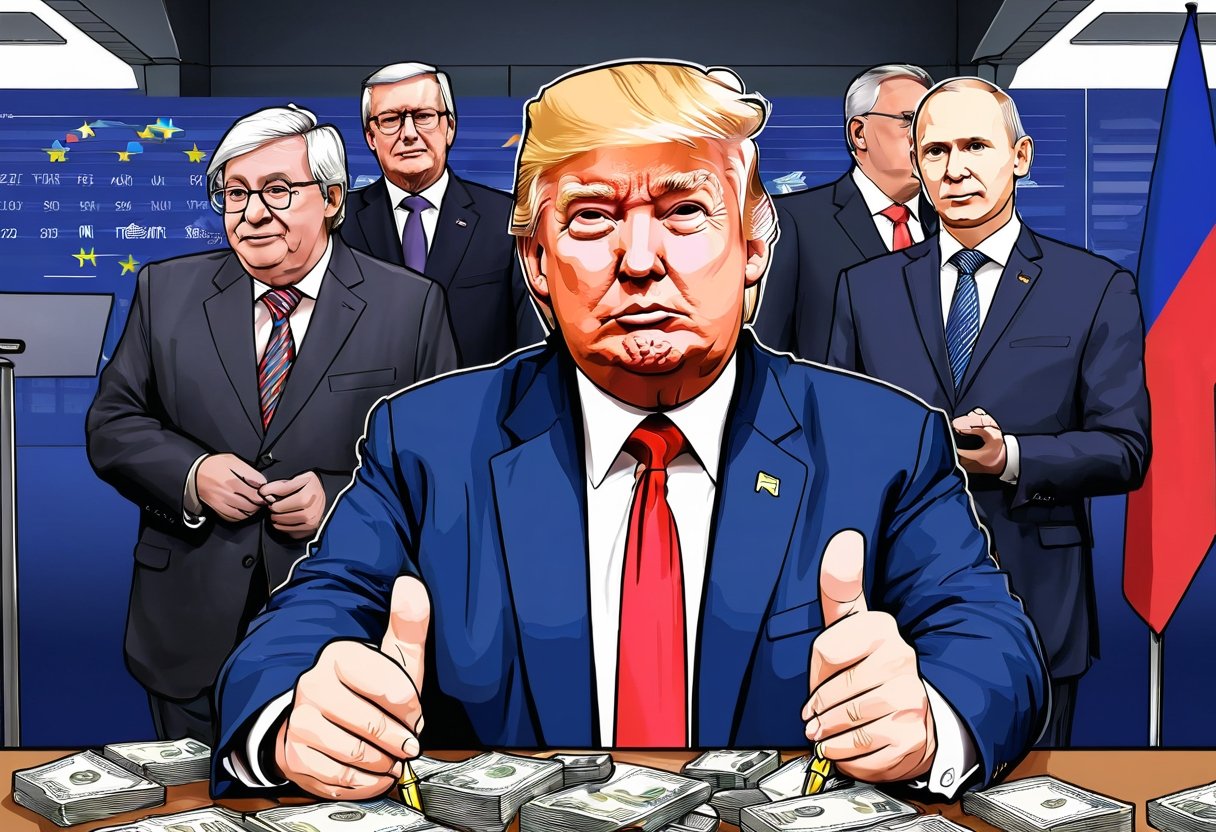
    The recent move by the Trump administration to support the European Union’s plan to utilize frozen Russian assets marks a significant shift in global geopolitics and crypto economics. This development could potentially redefine how financial power influences modern warfare.

    Understanding the EU’s Plan

    The European Union has been working on a plan to tap into the frozen assets of Russian oligarchs, estimated to be around $217 billion. This move is aimed at supporting Ukraine and imposing economic pressure on Russia.

    The Role of the Trump Administration

    The Trump administration’s decision to back the EU’s plan is seen as a strategic move to strengthen ties with European allies and demonstrate a unified front against Russian aggression. As noted by the European Council on Foreign Relations, this move reflects a broader shift in global politics.

    Implications for Global Economy and Crypto

    This development has significant implications for the global economy and the crypto sector. It underscores the increasing importance of economic sanctions as a tool of modern warfare and highlights the potential for crypto assets to play a role in such scenarios.

    Conclusion and Future Outlook

    In conclusion, the Trump administration’s support for the EU’s plan to tap frozen Russian assets marks a new chapter in global geopolitics and crypto economics. As the situation unfolds, it will be crucial to monitor how these developments impact the global economy, international relations, and the evolving role of cryptocurrency in modern warfare.

Oh hi there 👋
It’s nice to meet you.

Sign up to receive awesome content in your inbox, every Day.

We don’t spam! Read our privacy policy for more info.