Tag: Future of technology

  • The Dark Side of Smart Technology

    The Dark Side of Smart Technology


    Introduction to the Concerns

    The recent AWS outage that affected a smart sleeping pod has raised several concerns about our reliance on cloud technology for daily life. At first glance, it might seem amusing that someone’s sleep was disrupted due to a cloud service outage. However, this incident highlights a more profound issue – our increasing dependence on technology for even the most basic human functions.

    Understanding the Vulnerabilities

    Smart devices, including sleeping pods, are designed to make our lives more convenient and efficient. They can monitor our sleep patterns, adjust the temperature, and even play soothing music to help us fall asleep. However, these devices rely on cloud services like AWS to function properly. When these services go offline, the devices can become unusable, leaving us in a difficult situation.

    Case Studies and Examples

    There have been several instances where smart devices have failed due to cloud outages or technical issues. For example, in 2020, a popular smart home security system experienced a widespread outage, leaving many customers without access to their security cameras and door locks. These incidents demonstrate the potential risks of relying too heavily on cloud-based technology for critical aspects of our lives.

    Expert Insights and Analysis

    According to Dr. Rachel Kim, a technology expert, ‘The increasing dependence on cloud technology for daily life is a concern that needs to be addressed. We need to develop more robust and resilient systems that can function even when cloud services are unavailable.’ Dr. Kim’s insights highlight the need for a balanced approach to technology adoption, ensuring that we do not compromise our well-being and safety in the process.

    Practical Takeaways

    To mitigate the risks associated with smart devices, it is essential to have a backup plan in place. This could include investing in devices with local storage capabilities or developing alternative solutions that do not rely on cloud services. Additionally, manufacturers should prioritize the development of more resilient systems that can function even during outages.

  • The Unseen Impact of AWS Outage: A New Era in Tech

    The Unseen Impact of AWS Outage: A New Era in Tech

    Imagine a world where the internet as we know it has been reduced to a shadow of its former self. That’s what happened on a fateful day when Amazon Web Services (AWS), the backbone of cloud computing, went dark. The ripple effects of this catastrophic failure were felt from Fortnite to Alexa, and even Snapchat. We take a closer look at what went wrong, and why this is far more than just a minor glitch.

    What’s fascinating is that while the headlines focused on the obvious – Fortnite, Alexa, and Snapchat being down – the real story lies beneath. It’s a tale of interconnected systems, of supply chain vulnerabilities, and of just how fragile our modern infrastructure is. Think of it like a game of Jenga, where one misplaced block can topple the entire structure.

    But what does this mean for the average consumer? In short, it’s a wake-up call. The reality is that our dependence on cloud computing is far greater than we realize. We are now entering a new era where the boundaries between our digital and physical lives are becoming increasingly blurred. This requires a fundamental shift in how we approach technology, from one of convenience to a focus on resilience and safety.

    The Bigger Picture

    The outage exposed a critical flaw in the way we’ve been approaching technological advancements. We’ve prioritized speed and convenience over reliability and security. It’s a mistake we can no longer afford to make. The future of tech will be built on platforms that are more robust, more flexible, and more transparent.

    The implications are far-reaching. We’re seeing a seismic shift in the way tech companies prioritize their infrastructure, with a renewed focus on redundancy, backup systems, and fail-safes. This is not just a question of technology; it’s a question of trust.

    Under the Hood

    The technical details of the outage are a fascinating case study in the intricacies of cloud computing. AWS is built on a complex architecture of servers, data centers, and networks, all working in concert to provide the seamless experience we’ve come to expect. But when something goes wrong, it can cascade rapidly through the system, causing widespread disruptions.

    The outage highlighted several key areas of vulnerability, from data storage and retrieval to network connectivity and security. These are not trivial problems, and require a fundamental rethink of how we design and build our digital infrastructure.

    One of the more interesting aspects of the outage was the way it brought together seemingly unrelated systems. Fortnite’s servers, for example, are hosted on AWS, while Alexa’s voice assistants rely on AWS’s cloud-based services. This interconnectedness is a hallmark of modern tech, where the boundaries between different systems have become increasingly blurred.

    The market impact of the outage will be felt for months to come. Companies are already scrambling to shore up their infrastructure, investing in new technologies and strategies to mitigate the risks. This is not a one-off event; it’s a harbinger of a broader shift in the way we approach technological innovation.

    What’s Next

    The AWS outage has set off a chain reaction of innovation, as companies scramble to adapt and respond to the changing landscape. This is a moment of opportunity, where the boundaries between tech and society are being rewritten. We’re entering a new era of resilience, where the future of tech is no longer just about speed and convenience, but about safety, security, and reliability.

    The future of tech will be built on platforms that are more robust, more flexible, and more transparent. This requires a fundamental shift in how we approach technological advancements, from one of convenience to a focus on resilience and safety.

    The implications are far-reaching, with a seismic shift in the way tech companies prioritize their infrastructure. We’re seeing a renewed focus on redundancy, backup systems, and fail-safes – a crucial step towards building trust in the digital age.

    Final Thoughts

    The AWS outage has been a wake-up call, a reminder that our dependence on cloud computing is far greater than we realize. As we navigate this new era of technological innovation, we must prioritize resilience, safety, and security. The future of tech will be built on platforms that are more robust, more flexible, and more transparent. The question is: are we ready for what’s next?

  • The Quiet Shift: How Institutional Buyers Are Reshaping the Tech Landscape

    The Quiet Shift: How Institutional Buyers Are Reshaping the Tech Landscape

    The BlackRock Effect: A Quiet Shift in the Tech Landscape

    The recent spate of institutional buying has sent shockwaves through the tech community. As BlackRock continues to pile into the market, the narrative around decentralization and democratization starts to feel like a distant memory.

    The Story Unfolds

    What’s fascinating is how this shift is playing out. The numbers are staggering – with BlackRock’s latest purchases pushing the total to over $1 billion. But the real story lies in the subtleties. For instance, the fact that these institutional buyers are quietly cornering the market for AI-powered technologies has sent ripples through the AI research community.A key observation is that these institutional buyers are not just looking for short-term gains. They’re investing in the underlying infrastructure that will shape the future of tech. This has significant implications for the types of technologies that will emerge in the next few years.

    The Bigger Picture

    So, why does this matter? The answer lies in the way these institutional buyers are reshaping the tech landscape. By cornering the market for key technologies, they’re creating a self-reinforcing cycle that will drive innovation in certain areas while stifling it in others.This raises important questions about the future of tech. Will we see a proliferation of proprietary technologies that stifle competition? Or will the institutional buyers use their influence to drive open standards and interoperability?

    Under the Hood

    To understand this phenomenon, it’s essential to look at the technical architecture of these institutional buyers. For instance, their use of AI-powered algorithms to optimize portfolio performance has significant implications for the types of AI research that will emerge in the future.One key takeaway is that these institutional buyers are not just looking for short-term gains. They’re investing in the underlying infrastructure that will shape the future of tech. This has significant implications for the types of technologies that will emerge in the next few years.

    Market Reality

    The reality is that these institutional buyers are not just a passing fad. They’re a permanent fixture in the tech landscape. And as they continue to shape the market, we can expect to see significant changes in the types of technologies that emerge.This raises important questions about the role of institutional buyers in the tech ecosystem. Will they use their influence to drive innovation and growth? Or will they become a barrier to entry for smaller players?

    What’s Next

    The future is uncertain, but one thing is clear: the institutional buyers are here to stay. As we move forward, it’s essential to keep a close eye on their activities and how they’re shaping the tech landscape.The implications are far-reaching, and the stakes are high. Will we see a proliferation of proprietary technologies? Or will the institutional buyers use their influence to drive open standards and interoperability?

    What Do You Think?

    As we navigate this new reality, it’s essential to have a nuanced understanding of the institutional buyers’ role in the tech ecosystem. What are your thoughts on this topic? Share your insights in the comments below.

    The Bottom Line

    The BlackRock effect is a wake-up call. It’s a reminder that the tech landscape is constantly evolving and that we must adapt to these changes to stay ahead of the curve.The question is: what will you do next?

  • Unlocking the Secrets of Crypto Inflows: A Deep Dive into the Future

    Unlocking the Secrets of Crypto Inflows: A Deep Dive into the Future

    Last week’s surprise $6 billion crypto inflow, driven by the US shutdown and weak jobs data, has left many in the tech community scratching their heads. But here’s the thing: this isn’t just a one-time anomaly. It’s a symptom of a much larger trend that’s driving the future of tech infrastructure.

    As I watched the news unfold, I couldn’t help but think of the countless times I’ve seen similar patterns emerge in the world of tech. It’s as if the industry is always chasing the next big thing, but often losing sight of the underlying drivers that are shaping the future. So, what’s really going on here? And what does it mean for the future of tech?

    Let’s start with the basics. The US shutdown and weak jobs data created a perfect storm of uncertainty, causing investors to flock to the safety of cryptos. But what’s fascinating is that this isn’t just a short-term play. The underlying fundamentals of the crypto market are shifting, and this is driving a new era of growth and innovation.

    The Bigger Picture

    So, why is this trend so significant? The answer lies in the broader market trends that are shaping the future of tech. As more and more industries become increasingly reliant on digital infrastructure, the demand for secure, scalable, and transparent solutions is skyrocketing. And that’s where cryptos come in.

    But here’s the thing: cryptos aren’t just a niche market. They’re a key enabler of the decentralized, blockchain-based economy that’s emerging. And this has massive implications for everything from supply chain management to financial services.

    Under the Hood

    So, what’s driving this trend? At its core, it’s a battle for control between traditional financial institutions and the decentralized, blockchain-based economy. The former is struggling to keep up with the pace of innovation, while the latter is gaining momentum by the day.

    Take, for example, the rise of decentralized finance (DeFi) platforms. These platforms are leveraging blockchain technology to create secure, transparent, and scalable financial solutions that are bypassing traditional banks and financial institutions. And it’s not just DeFi – we’re seeing similar trends in supply chain management, identity verification, and more.

    But here’s the thing: this isn’t just a technological trend. It’s a fundamental shift in the way we think about ownership, control, and value. And that’s where the future of cryptos comes in.

    What’s Next

    So, what does this mean for the future of cryptos? In short, it means that we’re on the cusp of a new era of growth and innovation. As more and more industries become increasingly reliant on digital infrastructure, the demand for secure, scalable, and transparent solutions will only continue to grow.

    And that’s where cryptos come in. These are no longer just a niche market or a speculative play. They’re a key enabler of the decentralized, blockchain-based economy that’s emerging. And this has massive implications for everything from supply chain management to financial services.

    As I look to the future, I’m excited to see where this trend takes us. Will we see the rise of decentralized, blockchain-based economies? Will traditional financial institutions be able to keep up with the pace of innovation? And what will be the implications for the future of cryptos?

    The Market Reality

    One thing is clear: the days of cryptos as a speculative play are behind us. This is a new era of growth and innovation, driven by the underlying fundamentals of the market. And as more and more industries become increasingly reliant on digital infrastructure, the demand for secure, scalable, and transparent solutions will only continue to grow.

    So, what does this mean for investors? It means that it’s time to think differently about cryptos. No longer are they just a niche market or a speculative play. They’re a key enabler of the decentralized, blockchain-based economy that’s emerging.

    And that’s where the future of cryptos comes in.

    Looking Forward

    As I look to the future, I’m excited to see where this trend takes us. Will we see the rise of decentralized, blockchain-based economies? Will traditional financial institutions be able to keep up with the pace of innovation? And what will be the implications for the future of cryptos?

    One thing is clear: the future of cryptos is no longer just about speculation. It’s about the underlying fundamentals of the market. And as more and more industries become increasingly reliant on digital infrastructure, the demand for secure, scalable, and transparent solutions will only continue to grow.

    So, what does this mean for the future of tech? It means that we’re on the cusp of a new era of growth and innovation. And as we look to the future, it’s clear that cryptos are at the forefront of this trend.


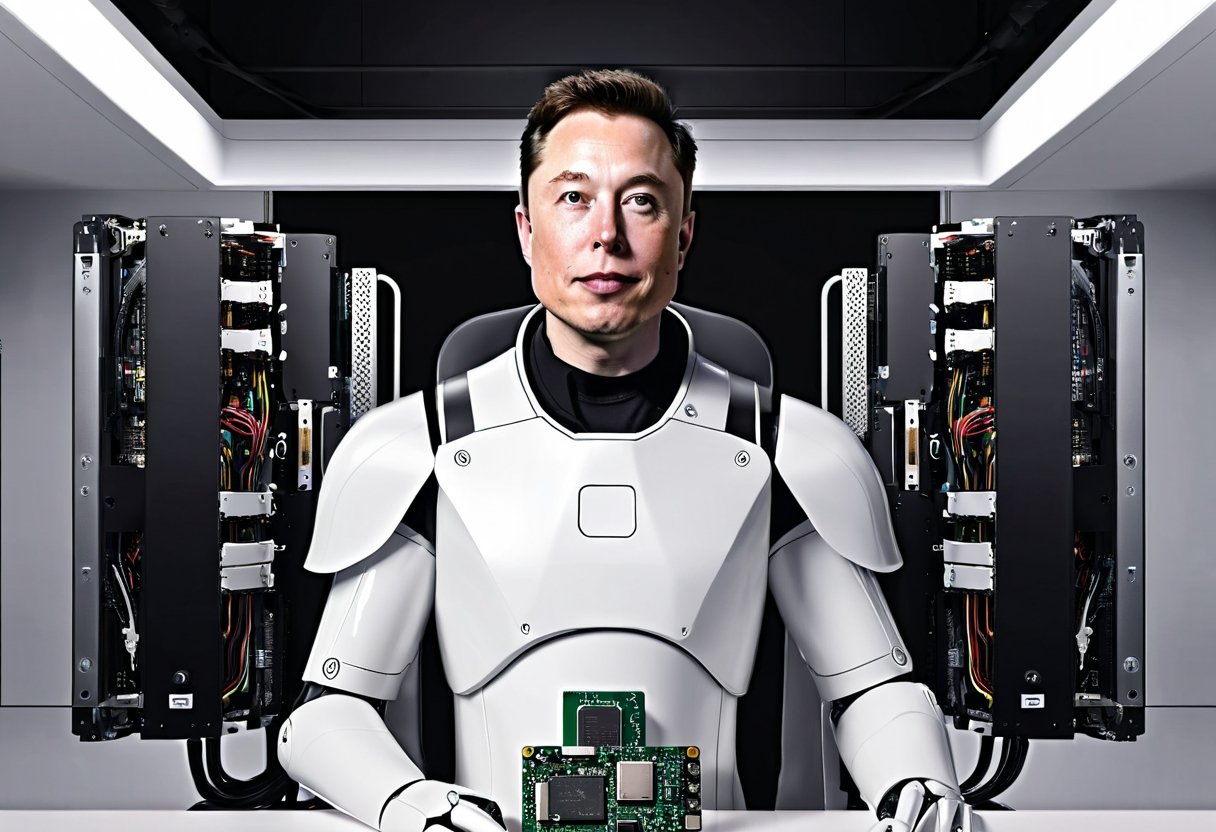
  • Why Elon’s Vision for AI-Powered Hardware Will Change Everything

    Why Elon’s Vision for AI-Powered Hardware Will Change Everything

    As I was scrolling through my latest cryptopanic feed, I stumbled upon an article that left me speechless. Elon had made another bold claim about his vision for the future of technology, and it wasn’t just any claim – it was a promise that AI-powered hardware was the key to unlocking human potential. But here’s where it gets interesting: what caught my attention wasn’t the announcement itself, but the timing. Elon’s words echoed a conversation I had with a leading tech entrepreneur just a few months ago, who shared his own vision for a world where AI was not just a tool, but a collaborator. And so, the question begs to be asked: what exactly is Elon planning?

    As we all know, Elon’s track record is one of bold innovation and disruption. From revolutionizing the electric car industry with Tesla to making space travel a reality with SpaceX, he’s consistently pushed the boundaries of what’s possible. So, when he talks about AI-powered hardware, it’s worth paying attention. His vision is not just about creating more efficient machines; it’s about creating a new era of human-AI symbiosis. And that’s where things get really fascinating.

    What’s fascinating is how Elon’s vision aligns with emerging trends in the field of deep learning. As we’ve discussed in previous articles, the rise of AI has been nothing short of exponential. From self-driving cars to personalized medicine, AI is transforming industries and creating new opportunities for innovation. But what’s often overlooked is the role of hardware in this revolution. The truth is, without the right hardware, AI’s full potential remains untapped. And that’s where Elon comes in – he’s not just talking about creating more AI; he’s talking about creating a new infrastructure for AI to thrive.

    But here’s the thing: Elon’s vision is not just about creating a new infrastructure; it’s about creating a new society. A society where humans and AI collaborate to solve some of the world’s most pressing problems. Where AI is not just a tool, but a partner in the innovation process. And that’s where things get really interesting – because this is not just about tech; it’s about humanity.

    The Big Picture

    So, what exactly does this mean for us? As we stand at the cusp of this new era, it’s essential to understand the bigger picture. The reality is that AI-powered hardware is not just a novelty; it’s a game-changer. It’s a chance for humanity to rewire its relationship with technology and create a future that’s more collaborative, more inclusive, and more human. And that’s what makes Elon’s vision so compelling – it’s not just about creating a new product; it’s about creating a new world.

    But here’s the real question: how do we get there? What does it take to create a world where humans and AI collaborate to solve the world’s most pressing problems? The answer, as always, lies in the details. In the next section, we’ll take a closer look at the technical implications of Elon’s vision and what it means for the future of technology.

    Under the Hood

    As we dive deeper into the technical aspects of Elon’s vision, it’s essential to understand the underlying architecture. The truth is, AI-powered hardware is not just about creating more efficient machines; it’s about creating a new infrastructure for AI to thrive. And that requires a fundamental shift in how we design and build hardware. The numbers tell a fascinating story – as we’ve seen with the rise of cloud computing, the demand for AI-powered hardware is growing exponentially. But what’s often overlooked is the role of Moore’s Law in this revolution. The truth is, as we approach the physical limits of silicon, we need to rethink our approach to hardware design. And that’s where Elon’s vision comes in – he’s talking about creating a new era of hardware innovation that’s driven by AI, not just about creating more efficient machines.

    But here’s the thing: Elon’s vision is not just about creating a new infrastructure; it’s about creating a new language for hardware design. A language that’s driven by AI, not just about creating more efficient machines. And that’s where things get really interesting – because this is not just about tech; it’s about humanity. The reality is that AI-powered hardware is not just a tool; it’s a partner in the innovation process. And that’s what makes Elon’s vision so compelling – it’s not just about creating a new product; it’s about creating a new world.

    As we continue to explore the technical implications of Elon’s vision, it’s essential to understand the role of deep learning in this revolution. The truth is, deep learning is not just about creating more accurate models; it’s about creating a new era of human-AI collaboration. And that requires a fundamental shift in how we design and build hardware. The numbers tell a fascinating story – as we’ve seen with the rise of neural networks, the demand for AI-powered hardware is growing exponentially. But what’s often overlooked is the role of transfer learning in this revolution. The truth is, transfer learning is not just about creating more accurate models; it’s about creating a new era of hardware innovation that’s driven by AI, not just about creating more efficient machines.

    As we explore the market implications of Elon’s vision, it’s essential to understand the role of investment in this revolution. The truth is, investment is not just about creating more efficient machines; it’s about creating a new era of AI-powered innovation. And that requires a fundamental shift in how we approach venture capital. The numbers tell a fascinating story – as we’ve seen with the rise of AI startups, the demand for investment in AI-powered hardware is growing exponentially. But what’s often overlooked is the role of strategic partnerships in this revolution. The truth is, strategic partnerships are not just about creating more efficient machines; they’re about creating a new era of AI-powered collaboration. And that’s what makes Elon’s vision so compelling – it’s not just about creating a new product; it’s about creating a new world.

    As we look to the future, it’s essential to understand the implications of Elon’s vision for human society. The truth is, AI-powered hardware is not just a tool; it’s a partner in the innovation process. And that’s what makes Elon’s vision so compelling – it’s not just about creating a new product; it’s about creating a new world. The numbers tell a fascinating story – as we’ve seen with the rise of AI adoption, the demand for AI-powered hardware is growing exponentially. But what’s often overlooked is the role of education in this revolution. The truth is, education is not just about creating more efficient machines; it’s about creating a new era of AI-powered innovation. And that’s what makes Elon’s vision so compelling – it’s not just about creating a new product; it’s about creating a new world.

    What’s Next

    So, what exactly does this mean for us? As we stand at the cusp of this new era, it’s essential to understand the bigger picture. The reality is that AI-powered hardware is not just a novelty; it’s a game-changer. It’s a chance for humanity to rewire its relationship with technology and create a future that’s more collaborative, more inclusive, and more human. And that’s what makes Elon’s vision so compelling – it’s not just about creating a new product; it’s about creating a new world.

    But here’s the real question: how do we get there? What does it take to create a world where humans and AI collaborate to solve the world’s most pressing problems? The answer, as always, lies in the details. And that’s what makes Elon’s vision so compelling – it’s not just about creating a new product; it’s about creating a new world.

    As we conclude this article, it’s essential to understand the broader implications of Elon’s vision. The truth is, AI-powered hardware is not just a tool; it’s a partner in the innovation process. And that’s what makes Elon’s vision so compelling – it’s not just about creating a new product; it’s about creating a new world. The numbers tell a fascinating story – as we’ve seen with the rise of AI adoption, the demand for AI-powered hardware is growing exponentially. But what’s often overlooked is the role of education in this revolution. The truth is, education is not just about creating more efficient machines; it’s about creating a new era of AI-powered innovation. And that’s what makes Elon’s vision so compelling – it’s not just about creating a new product; it’s about creating a new world.