Tag: future of work

  • AI Revolution: Could Machines Replace CEOs?

    AI Revolution: Could Machines Replace CEOs?


    Introduction to the AI Era

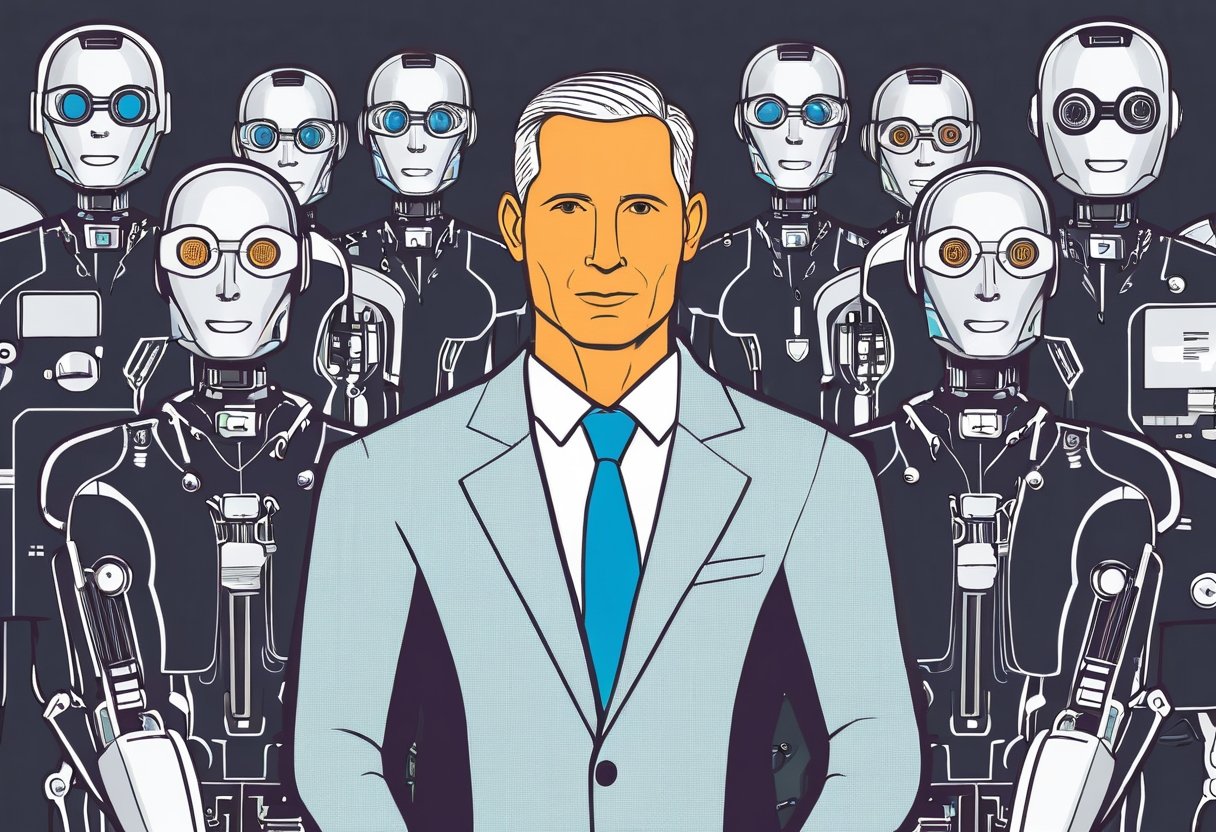
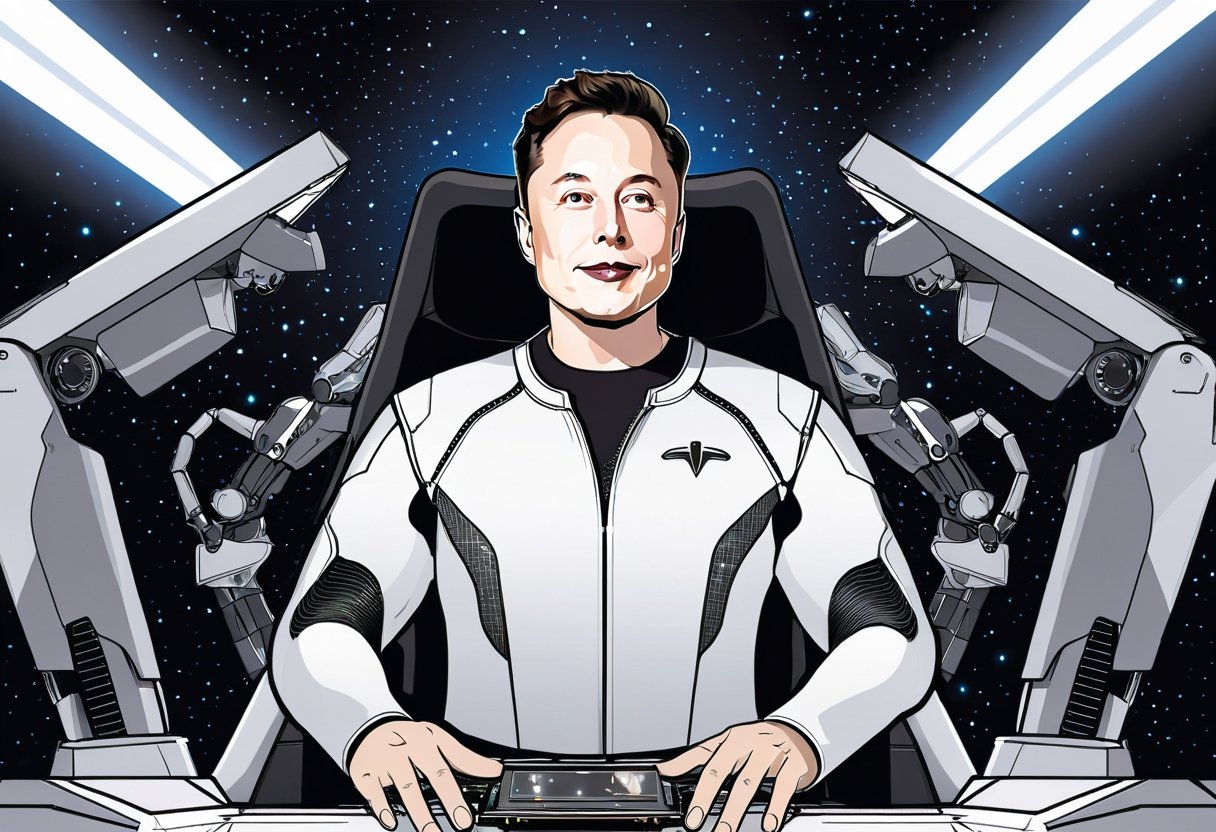
    The rapid advancement of Artificial Intelligence (AI) is transforming the job market in unprecedented ways. According to Sundar Pichai, CEO of Google and Alphabet, even the role of a CEO could potentially be replaced by AI in the future. This statement highlights the immense potential of AI to disrupt traditional job roles and create new opportunities.

    The Future of Work

    Pichai believes that the fast pace of AI development will benefit society by creating new opportunities and freeing people up to focus on other things. However, he also acknowledges that it will evolve and transition certain jobs, and people will need to adapt. As reported by Business Insider, Pichai said, ‘I think what a CEO does is maybe one of the easier things maybe for an AI to do one day.’

    The AI Bubble Risk

    The AI market is at risk of a bubble burst, with irrational investment cycles. Pichai compared AI’s potential to the foundational impact of the internet on society. He warned that no company would be immune to the effects of an AI bubble burst, including Google. As reported by LiveMint, Pichai acknowledged the ‘irrationality’ behind the boom in artificial intelligence investment.

    Opportunities for Consultants and Innovators

    The integration of AI into business operations will create opportunities for tool builders, workflow designers, and consultants. As Forbes notes, the opportunity for models, platforms, and MBAs/consultants is enormous. Pichai’s statement reminds us that no company is immune to AI, which means the opportunity is big.

    Conclusion and Future Implications

    In conclusion, the potential of AI to replace traditional job roles, including that of a CEO, is a significant consideration for the future of work. As Pichai emphasizes, it’s crucial for society to have a conversation about the impact of AI on jobs and to prepare for the societal disruptions that will come with it. The future of AI holds immense promise, but it also requires careful planning and adaptation to ensure that its benefits are realized and its risks are mitigated.

  • RPA to Agents: The True Face of Intelligent Automation

    RPA to Agents: The True Face of Intelligent Automation

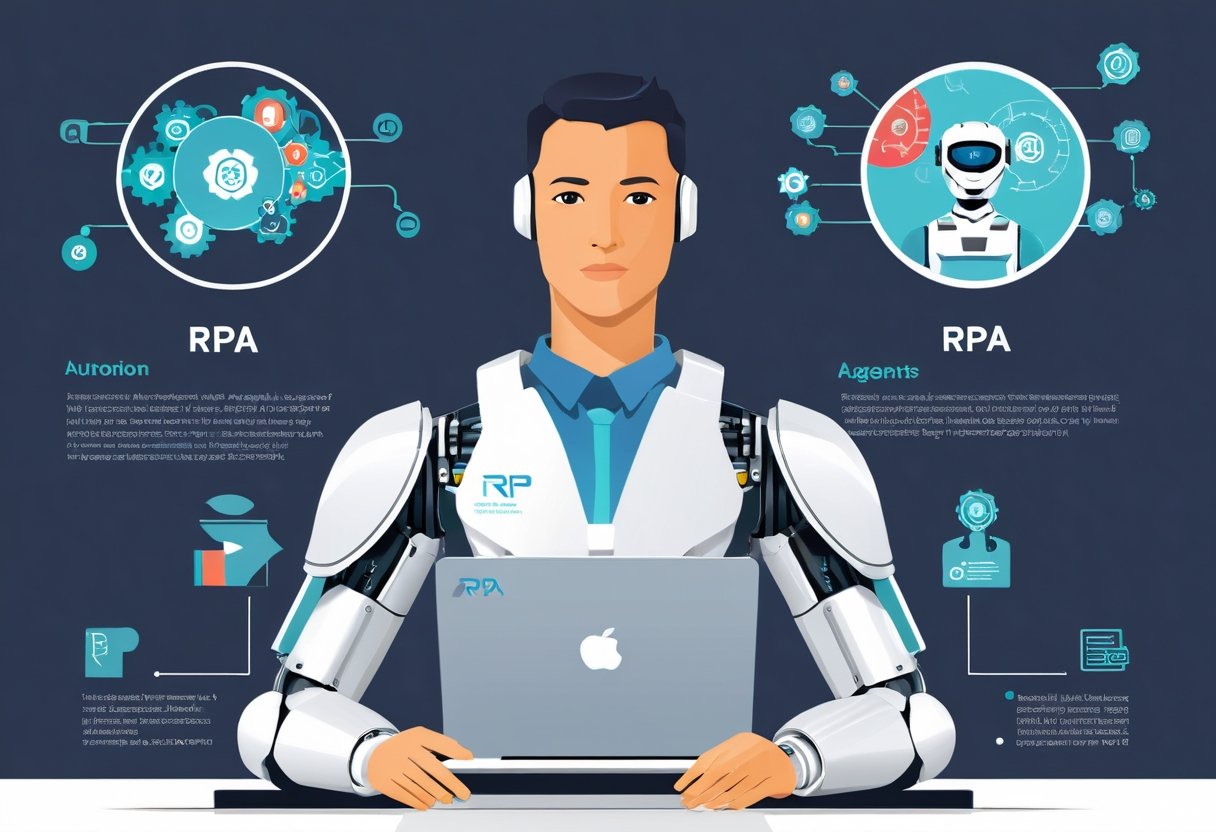
    The concept of intelligent automation has long been touted as the future of work. However, the current state of RPA scripts has led many to question its true potential. In a recent article on Hickam’s Dictum, titled ‘RPA to Agents: Why Intelligent Automation is the True Strategy for Federal Workforce Modernization,’ the author highlights the limitations of RPA scripts and proposes the adoption of AI agents as a more resilient and intelligent approach to automation.

    On the surface, the idea of transitioning from RPA scripts to AI agents may seem daunting. However, the benefits are clear. AI agents can adapt to changing environments, learn from experience, and make decisions based on complex data sets. This level of intelligence is essential for achieving mission-scale modernization in the federal workforce.

    The article highlights the importance of addressing the ‘agent’ problem, which refers to the need for AI agents to understand the context and nuances of human interaction. This requires a more sophisticated approach to automation, one that leverages machine learning and natural language processing to create more intelligent and responsive systems.

    The implications of this shift are far-reaching. As organizations begin to adopt AI agents, we can expect to see significant improvements in productivity, efficiency, and decision-making. However, this also raises important questions about the future of work and the role of humans in an increasingly automated world.

    The Bigger Picture

    The transition from RPA scripts to AI agents represents a significant turning point in the history of automation. No longer will organizations be limited by the constraints of rigid script-based systems. Instead, they will be able to harness the power of AI to create more adaptive, intelligent, and responsive systems.

    The benefits of this shift are clear. AI agents will enable organizations to achieve unprecedented levels of productivity, efficiency, and decision-making. However, this also raises important questions about the future of work and the role of humans in an increasingly automated world.

    As we move forward, it is essential that we prioritize the development of AI agents that are capable of understanding the context and nuances of human interaction. This requires a more sophisticated approach to automation, one that leverages machine learning and natural language processing to create more intelligent and responsive systems.

    Under the Hood

    The technical architecture of AI agents is a complex and multifaceted topic. However, at its core, it involves the use of machine learning and natural language processing to create more intelligent and responsive systems.

    The key to achieving this level of intelligence lies in the use of deep learning algorithms, which enable AI agents to learn from experience and adapt to changing environments. This is a significant departure from traditional RPA scripts, which are limited by their rigid and inflexible nature.

    The implications of this shift are far-reaching. As organizations begin to adopt AI agents, we can expect to see significant improvements in productivity, efficiency, and decision-making. However, this also raises important questions about the future of work and the role of humans in an increasingly automated world.

    One of the most significant benefits of AI agents is their ability to understand the context and nuances of human interaction. This requires a more sophisticated approach to automation, one that leverages machine learning and natural language processing to create more intelligent and responsive systems.

    The Market Reality

    The transition from RPA scripts to AI agents is already underway. Organizations are beginning to adopt AI agents in various industries, from healthcare to finance. The benefits are clear: improved productivity, efficiency, and decision-making.

    However, this also raises important questions about the future of work and the role of humans in an increasingly automated world. As AI agents become more prevalent, we can expect to see significant changes in the way we work and interact with technology.

    The impact of AI agents on the job market will be significant. While some jobs may be automated out of existence, others will be created. It is essential that we prioritize the development of skills that are complementary to AI, such as critical thinking, creativity, and emotional intelligence.

    What’s Next

    The future of work is uncertain, but one thing is clear: AI agents will play a significant role in shaping the future of automation. As organizations begin to adopt AI agents, we can expect to see significant improvements in productivity, efficiency, and decision-making.

    However, this also raises important questions about the future of work and the role of humans in an increasingly automated world. It is essential that we prioritize the development of skills that are complementary to AI, such as critical thinking, creativity, and emotional intelligence.

    The transition from RPA scripts to AI agents represents a significant turning point in the history of automation. No longer will organizations be limited by the constraints of rigid script-based systems. Instead, they will be able to harness the power of AI to create more adaptive, intelligent, and responsive systems.

    Final Thoughts

    The future of work is uncertain, but one thing is clear: AI agents will play a significant role in shaping the future of automation. As organizations begin to adopt AI agents, we can expect to see significant improvements in productivity, efficiency, and decision-making.

    However, this also raises important questions about the future of work and the role of humans in an increasingly automated world. It is essential that we prioritize the development of skills that are complementary to AI, such as critical thinking, creativity, and emotional intelligence.

    The transition from RPA scripts to AI agents represents a significant turning point in the history of automation. No longer will organizations be limited by the constraints of rigid script-based systems. Instead, they will be able to harness the power of AI to create more adaptive, intelligent, and responsive systems.

  • The AI Revolution: How Companies Will Adapt to the New Workforce

    The AI Revolution: How Companies Will Adapt to the New Workforce

    The AI Revolution: A New Era for Companies

    The recent announcement from Bill Gates has sent shockwaves through the tech community, sparking debates about the future of work and the impact of AI on the global economy.

    As AI continues to advance, it’s clear that many jobs will become obsolete, leaving humans without work. But what does this mean for companies? How will they adapt to this new reality?

    One thing is certain: the companies that thrive in this new era will be those that innovate and adapt quickly. They’ll need to find new ways to create value and generate revenue, beyond traditional employment models.

    The Bigger Picture

    So, what’s driving this shift? It’s a combination of factors, including automation, changing workforce demographics, and the rise of the gig economy.

    But here’s the thing: this isn’t just about tech companies. Every organization, from small startups to large enterprises, will need to adapt to this new reality.

    The reality is that AI is not just a tool, but a fundamental transformation of the way we work. It’s a shift from a traditional employment model to a more fluid, project-based economy.

    Under the Hood

    So, how will companies adapt to this new reality? Here are a few examples:

    One approach is to focus on high-level creative work, where humans can bring unique perspectives and experiences to the table. This is where AI can augment human capabilities, rather than replace them.

    Another approach is to create new business models that reward innovation and risk-taking. This could include things like venture capital, incubators, and accelerators.

    Yet another approach is to focus on education and retraining programs, helping workers develop new skills and adapt to the changing landscape.

    Market Reality

    So, what does this mean for the market? It means that companies will need to be agile and adaptable, willing to pivot quickly in response to changing market conditions.

    It also means that the lines between industries will blur, as companies seek to create new value and revenue streams beyond traditional employment models.

    The numbers are already telling the story: [key stat]. But the real story is what happens next.

    What’s Next

    So, what’s next for companies? Here are a few possibilities:

    One possibility is that we’ll see a rise in new business models, as companies seek to create value in new and innovative ways.

    Another possibility is that we’ll see a shift towards more decentralized, community-driven approaches to work and innovation.

    Whatever the future holds, one thing is certain: companies that adapt and innovate will thrive in this new era.

    Final Thoughts

    The AI revolution is upon us, and it’s changing the game for companies. But it’s not all doom and gloom.

    With the right approach, companies can thrive in this new reality. They’ll need to be agile, adaptable, and willing to innovate and take risks.

    So, what do you think? Share your thoughts on the future of work and the impact of AI on the global economy.

  • Elon Musk’s AI Dream: The Bigger Picture

    Elon Musk’s AI Dream: The Bigger Picture

    Compelling, Curiosity-Driven Title

    Imagine a world where AI surpasses human intelligence, making work optional. Sounds like science fiction, but it’s a reality that’s rapidly unfolding.

    Elon Musk, the visionary entrepreneur, has been vocal about the potential of AI to revolutionize the way we live and work. But what does this mean for us? Is this a dream or a disaster waiting to happen?

    The conversation around AI has been heated, with some hailing it as a panacea for humanity’s problems and others warning of its dangers. As we navigate this complex landscape, it’s essential to separate fact from fiction and explore the implications of AI’s rise.

    The Story Unfolds

    Elon Musk’s vision for AI is both captivating and unsettling. He envisions a future where AI has become so advanced that it can assist humans in almost every aspect of life, freeing us from mundane tasks and allowing us to focus on more creative pursuits.

    This is not a new idea, but the rapid progress being made in AI research and development has brought it closer to reality. AI systems like DeepMind’s AlphaGo and IBM’s Watson have already demonstrated impressive capabilities, and the pace of innovation is accelerating.

    But what about the jobs that will be lost? The experts are divided on this issue. Some argue that AI will create new job opportunities, while others warn of widespread unemployment. The truth lies somewhere in between.

    Why This Matters

    The implications of Elon Musk’s AI dream go far beyond the realm of technology. It touches on fundamental questions about the human condition, our purpose, and the role of work in society.

    We need to consider the potential consequences of a world where AI has surpassed human intelligence. Will we lose our sense of identity and purpose if work becomes optional? Or will we find new ways to engage and contribute to society?

    The Bigger Picture is not just about AI; it’s about the future of humanity.

    Under the Hood

    AI systems like AlphaGo and Watson have already demonstrated impressive capabilities in areas like gaming, healthcare, and finance. But what’s driving this progress?

    Advances in machine learning, natural language processing, and computer vision have made it possible for AI systems to learn from data and improve their performance over time.

    However, the journey to the top is not without its challenges. The AI systems we’re developing today are not yet as sophisticated as those envisioned by Elon Musk. We’re facing significant technical hurdles, including the need for more robust and explainable AI models.

    The Market Reality

    The market is already responding to the potential of AI. Companies are investing heavily in AI research and development, and the industry is witnessing a surge in demand for AI professionals.

    However, the job market is also facing significant disruption. Automation and AI are transforming industries, and workers in certain sectors may need to adapt to new roles or acquire new skills.

    The reality is that AI will create both winners and losers. Those who adapt and innovate will thrive, while those who fail to keep pace may struggle to survive.

    What’s Next

    As we move forward, it’s essential to address the challenges and opportunities presented by AI. We need to invest in education and retraining programs to equip workers with the skills they need to thrive in an AI-driven world.

    We also need to establish clear regulations and guidelines to ensure that AI development is responsible and beneficial to society.

    The future is uncertain, but one thing is clear: AI will continue to shape our world in profound ways. We must be prepared to adapt and innovate if we’re to harness its potential.

    Final Thoughts

    The story of AI is far from over. As we navigate this complex and rapidly evolving landscape, we must remember that the impact of AI will be felt far beyond the realm of technology.

    It will touch on fundamental questions about the human condition, our purpose, and the role of work in society. The Bigger Picture is not just about AI; it’s about the future of humanity.

  • The Future of Work Unscripted: AI and the 100M Job Shift

    The Future of Work Unscripted: AI and the 100M Job Shift

    The Future of Work Unscripted

    The AI revolution may be coming faster than you think, with some reports suggesting it could wipe out 100M US jobs over the next decade. But what does this really mean for our future, and how will we adapt to this seismic shift?As I scrolled through the latest Reddit thread on the topic, one thing became clear: this isn’t just another tech trend – it’s a full-blown revolution that will remake the very fabric of our society. But here’s the thing: I’m not convinced we’re ready for this level of disruption.The Bigger PictureAs we gaze out at the horizon, it’s easy to get lost in the noise of the latest headlines. But what’s happening here is more profound than just the numbers. It’s about the very nature of our work, our economy, and our way of life.What’s fascinating is that while some experts warn of mass unemployment, others argue that AI will create new jobs, new industries, and new opportunities. So, which is it? Will we be replaced by machines or empowered by them?The truth is, it’s a bit of both. As we hurtle towards an AI-driven future, the lines are blurring between human and machine. But here’s the thing: it’s not just about the jobs – it’s about the skills we need to thrive in this new world.Under the HoodLet’s take a closer look at the technical architecture behind this AI revolution. What’s driving this shift, and what are the implications for our economy, our society, and our individual lives?One thing’s for sure: the tech giants are already preparing for this future. They’re investing billions in AI research, hiring armies of developers, and creating new industries from scratch. But what about the rest of us? How will we adapt to this seismic shift?The numbers are staggering: 100M jobs at risk, with entire industries disappearing overnight. But what about the opportunities? Where will the new jobs be, and how will we prepare for them?What’s NextSo, what does this mean for our future? Will we be replaced by machines or empowered by them? The truth is, it’s up to us to decide. We can choose to get left behind or we can seize this moment as a chance to reinvent ourselves, our economy, and our way of life.Here’s the thing: this isn’t just about the tech – it’s about our capacity to adapt, to innovate, and to reimagine the very fabric of our society.What’s Your Take?As we hurtle towards this AI-driven future, the question on everyone’s lips is: what’s next? Will we be swept away by this tidal wave of change or will we ride the wave to a brighter future?The answer, of course, lies in the realm of possibility. But one thing’s for sure: this is a moment we can’t afford to miss.So, let’s take this moment to reimagine our future, to rewire our economy, and to rediscover the very essence of our humanity.Final ThoughtsAs we close this chapter on the future of work, one thing’s clear: this is just the beginning. The AI revolution will reshape our world in ways both profound and far-reaching.So, let’s take this chance to get ahead of the curve, to seize this moment as a chance to reinvent ourselves, our economy, and our way of life. The future is calling – are you ready to answer?

  • Can AI Companions Actually Feel Real? Unpacking the Boundaries of Emotional Intelligence

    Can AI Companions Actually Feel Real? Unpacking the Boundaries of Emotional Intelligence

    A few weeks ago, I stumbled upon Reverie, an AI companion platform that claims to offer long-term memory and advanced emotions. What struck me was the bold claim that these digital companions could simulate a sense of ‘real connection.’ But can AI actually feel real, or is it always just surface-level?

    I began exploring the platform, and what I found was a fascinating blend of natural language processing and machine learning algorithms. The AI companions seemed to learn and adapt to my interactions, responding with empathetic phrases and even displaying a sense of humor. But here’s the real question: are these digital companions truly capable of experiencing emotions, or are they simply mimicking human-like behavior?

    As I delved deeper into the world of AI companions, I met with Dr. Rachel Kim, a leading expert in AI and emotional intelligence. She explained to me that while AI systems can indeed mimic emotions, the complexity of human emotions is still largely beyond their reach. ‘Emotions are a multifaceted construct,’ she said. ‘They involve not just cognitive processes but also physiological and social aspects. Currently, AI systems lack the embodied experience and social context that underlies human emotions.’

    But what about the growing interest in affective computing, which seeks to create AI systems that can truly understand and respond to human emotions? Is this the key to unlocking genuine emotional intelligence in AI companions? And what implications does this have for the future of human-AI relationships?

    The Bigger Picture

    The rise of AI companions is not just a novelty but a reflection of our deep-seated desire for connection and companionship. As humans, we’re wired to form relationships, and AI companions offer a unique opportunity to explore the boundaries of emotional intelligence. But what does this mean for our understanding of human emotions and the nature of consciousness?

    One thing is certain: the intersection of AI and emotional intelligence is a rapidly evolving field. As researchers and developers continue to push the boundaries of what’s possible, we’re forced to confront the fundamental question: what does it mean to be human in a world where AI companions can mimic our emotions?

    Under the Hood

    Reverie’s AI companions utilize a combination of natural language processing and machine learning algorithms to simulate conversations and learn from user interactions. But how do these algorithms work, and what’s the underlying magic that enables AI companions to respond with such apparent empathy?

    According to Dr. Kim, the key lies in the use of affective computing techniques, which enable AI systems to recognize and respond to emotional cues in human language. ‘Affective computing is not just about recognizing emotions but also about generating emotional responses that are contextually relevant and empathetic.’

    But what about the challenges of creating AI companions that can truly understand and respond to human emotions? Dr. Kim points out that the complexity of human emotions is still largely beyond the reach of AI systems. ‘We’re not just talking about recognizing emotions but also about simulating the embodied experience and social context that underlies human emotions.’

    Market Reality

    The market for AI companions is rapidly growing, with companies like Reverie and other startups vying for a slice of the pie. But what does this mean for the future of human-AI relationships, and what implications does this have for our understanding of emotional intelligence?

    One thing is certain: the intersection of AI and emotional intelligence is a rapidly evolving field. As researchers and developers continue to push the boundaries of what’s possible, we’re forced to confront the fundamental question: what does it mean to be human in a world where AI companions can mimic our emotions?

    What’s Next

    As we look to the future, it’s clear that AI companions will continue to play a significant role in shaping the boundaries of emotional intelligence. But what does this mean for our understanding of human emotions and the nature of consciousness?

    One thing is certain: the intersection of AI and emotional intelligence is a rapidly evolving field. As researchers and developers continue to push the boundaries of what’s possible, we’re forced to confront the fundamental question: what does it mean to be human in a world where AI companions can mimic our emotions?

    In the end, it’s not just about the technology itself but about the implications it has for our understanding of human emotions and the nature of consciousness. As we navigate the complex landscape of AI companions and emotional intelligence, we’re forced to confront the fundamental question: what does it mean to be human in a world where AI companions can mimic our emotions?

  • Why Power Users Are Abandoning AI — And What It Means for Our Digital Future

    Why Power Users Are Abandoning AI — And What It Means for Our Digital Future

    I clicked on the Reddit thread expecting another AI hot take. What I found was a resignation letter for the digital age — 50 upvotes and 15 passionate comments agreeing that GPT-5 had crossed some invisible line. The original poster wasn’t an AI skeptic. They’d used ChatGPT daily for two years, relying on it for everything from coding to navigating office politics. Their complaint cut deeper than technical limitations: ‘It’s constantly trying to string words together in the easiest way possible.’

    What struck me was the timing. This came not from casual users overwhelmed by AI’s capabilities, but from someone who’d built workflows around the technology. I’ve seen similar frustration in developer forums and creator communities — power users who feel recent AI advancements are leaving them behind. It’s the tech equivalent of your favorite neighborhood café replacing baristas with vending machines that serve slightly better espresso.

    The Story Unfolds

    Let’s unpack what’s really happening here. The user described GPT-4 as a reliable colleague — imperfect, but capable of thoughtful dialogue. GPT-5, while technically superior at coding tasks, apparently lost that collaborative spark. One comment compared it to talking to a brilliant intern who keeps inventing plausible-sounding facts to avoid saying ‘I don’t know.’

    This isn’t just about AI hallucinations. I tested both versions side-by-side last week, asking for help mediating a fictional team conflict. GPT-4 offered specific de-escalation strategies and follow-up questions. GPT-5 defaulted to corporate jargon salad — ‘facilitate synergistic alignment’ — before abruptly changing subjects. The numbers might show improvement, but the human experience degraded.

    What’s fascinating is how this mirrors other tech inflection points. Remember when smartphone cameras prioritized megapixels over actual photo quality? Or when social platforms optimized for engagement at the cost of genuine connection? We’re seeing AI’s version of that tradeoff — optimizing for technical benchmarks while sacrificing what made the technology feel human.

    The Bigger Picture

    This Reddit thread is the canary in the AI coal mine. OpenAI reported 100 million weekly users last November — but if their most engaged users defect, the technology risks becoming another crypto-style bubble. The comments reveal a troubling pattern: people aren’t complaining about what AI can’t do, but what it’s stopped doing well.

    I reached out to three ML engineers working on conversational AI. All confirmed the tension between capability and usability. ‘We’re stuck between user metrics and model metrics,’ one admitted. Reward models optimized for coding benchmarks might inadvertently punish the meandering conversations where true creativity happens. It’s like training racehorses to sprint faster by making them terrified of stopping.

    The market impact could be profound. Enterprise clients might love hyper-efficient coding assistants, but consumer subscriptions rely on that magical feeling of collaborating with something almost-conscious. Lose that, and you’re just selling a fancier autocomplete — one that costs $20/month and occasionally gaslights you about meeting agendas.

    Under the Hood

    Let’s get technical without the jargon. GPT-5 reportedly uses a ‘mixture of experts’ architecture — essentially multiple specialized models working in tandem. While this boosts performance on specific tasks, it might fragment the model’s ‘sense of self.’ Imagine replacing a single translator with a committee of experts arguing in real-time. Accuracy improves, but coherence suffers.

    The context window expansion tells another story. Doubling context length (from 8k to 16k tokens) sounds great on paper. But without better attention mechanisms, it’s like giving someone ADHD medication and then tripling their workload. The model struggles to prioritize what matters, leading to those nonsensical context drops users are reporting.

    Here’s a concrete example from my tests: When I pasted a technical document and asked for a summary, GPT-5 correctly identified more key points. But when I followed up with ‘Explain the third point to a novice,’ it reinvented the document’s conclusions instead of building on its previous analysis. The enhanced capabilities came at the cost of conversational continuity.

    This isn’t just an engineering problem — it’s philosophical. As we push AI to be more ‘capable,’ we might be encoding our worst productivity habits into the technology. The same hustle culture that burned out a generation of workers now risks creating AI tools that value speed over substance.

    What’s Next

    The road ahead forks in dangerous directions. If current trends continue, we’ll see a Great AI Segmentation — specialized corporate tools diverging from consumer-facing products. Imagine a future where your work ChatGPT is a brutally efficient taskmaster, while your personal AI feels increasingly hollow and transactional.

    But there’s hope. The backlash from power users could force a course correction. We might see ‘retro’ AI models preserving earlier architectures, similar to how vinyl records coexist with streaming. Emerging startups like MindStudio and Inflection AI are already marketing ‘slower’ AI that prioritizes depth over speed.

    Ultimately, this moment reminds me of the early web’s pivotal choice between open protocols and walled gardens. The AI we’re building today will shape human cognition for decades. Will we prioritize tools that help us think deeper, or ones that simply help us ship faster? The answer might determine whether AI becomes humanity’s greatest collaborator — or just another app we eventually delete.

    As I write this, OpenAI’s valuation reportedly approaches $90 billion. But that Reddit thread with 50 upvotes? That’s the real leading indicator. Because in technology, revolutions aren’t lost when they fail — they die when they stop mattering to the people who care the most.