Tag: Gen Z

  • GDP Data Confirms Jobless Growth Era

    GDP Data Confirms Jobless Growth Era

    Introduction to Jobless Growth

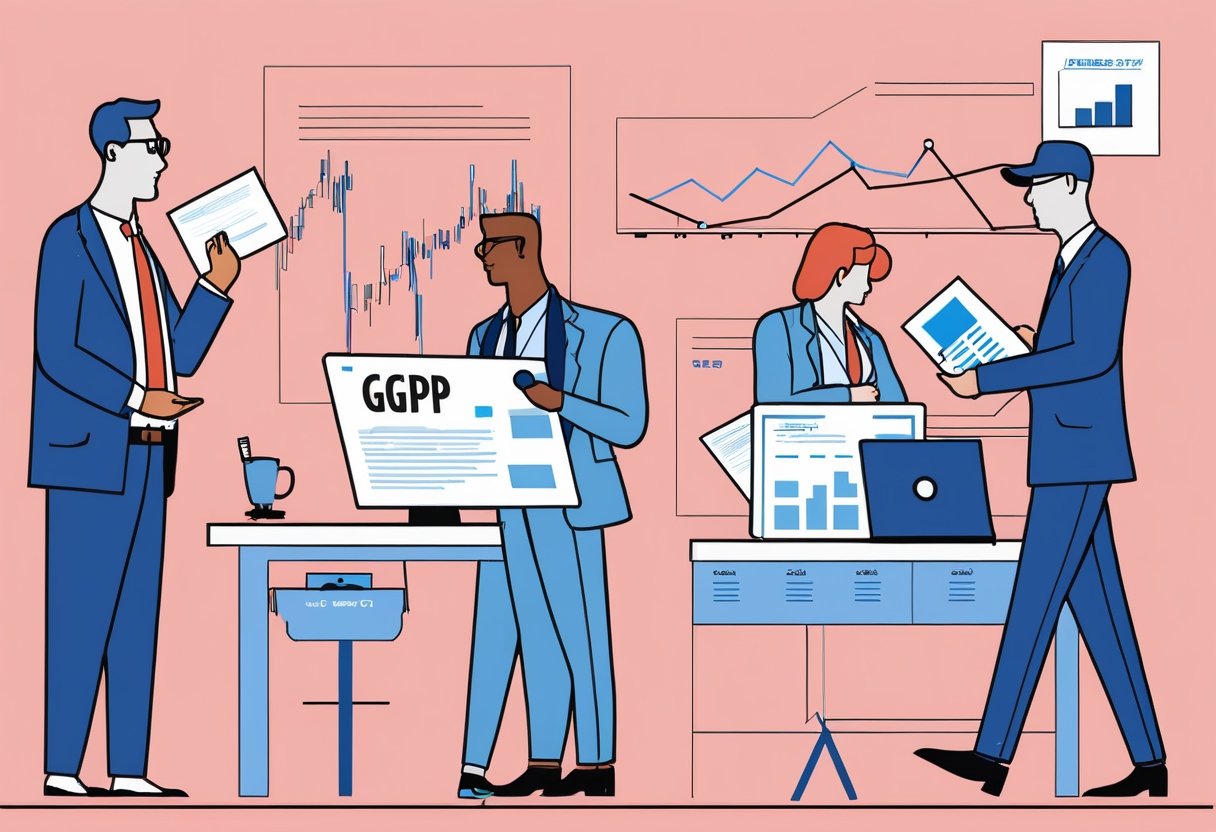
    The recent GDP data has confirmed what many have been fearing: the era of jobless growth is here. As reported by Eva Roytburg on Yahoo Finance, the GDP number arrived just before Christmas, wrapped like good news, but the lived economy does not reflect this optimism. The term ‘jobless growth’ refers to an economy where GDP climbs, but hiring doesn’t. This phenomenon is largely driven by AI-driven productivity rather than fresh hires.

    Understanding the K-Shaped Economy

    The concept of a K-shaped economy, where some groups thrive while others struggle, is becoming increasingly relevant. According to Fortune, the next era of workplace innovation is here, and the old playbook is being rewritten. The K-shaped economy is characterized by a divergence in the fortunes of different groups, with some experiencing significant growth while others face stagnation or decline.

    The Impact on Gen Z

    Gen Z is disproportionately affected by the era of jobless growth. As Goldman Sachs economists argue, most of the growth will come from AI-driven productivity rather than fresh hires. This means that younger workers, including Gen Z, face significant challenges in finding entry-level roles. The data is sobering, with job growth outside healthcare turning negative, despite a strong GDP.

    Low-Hire, Low-Fire Economy

    The concept of a ‘low-hire, low-fire’ economy, coined by Goldman Sachs, suggests that companies will keep their existing employees but stop hiring new ones. This is largely driven by AI, which is driving productivity up by 15% but squeezing out entry-level roles. As a result, young workers face the biggest challenge, with tech roles being especially at risk.

    Practical Takeaways

    So, what can be done to mitigate the effects of jobless growth? Firstly, it’s essential to develop skills that are complementary to AI, such as critical thinking, creativity, and emotional intelligence. Secondly, companies must prioritize innovation and invest in employee development programs. Finally, policymakers must implement policies that support workers who are displaced by automation.
  • The Digital Detox Revolution

    The Digital Detox Revolution


    The Rise of Digital Detox

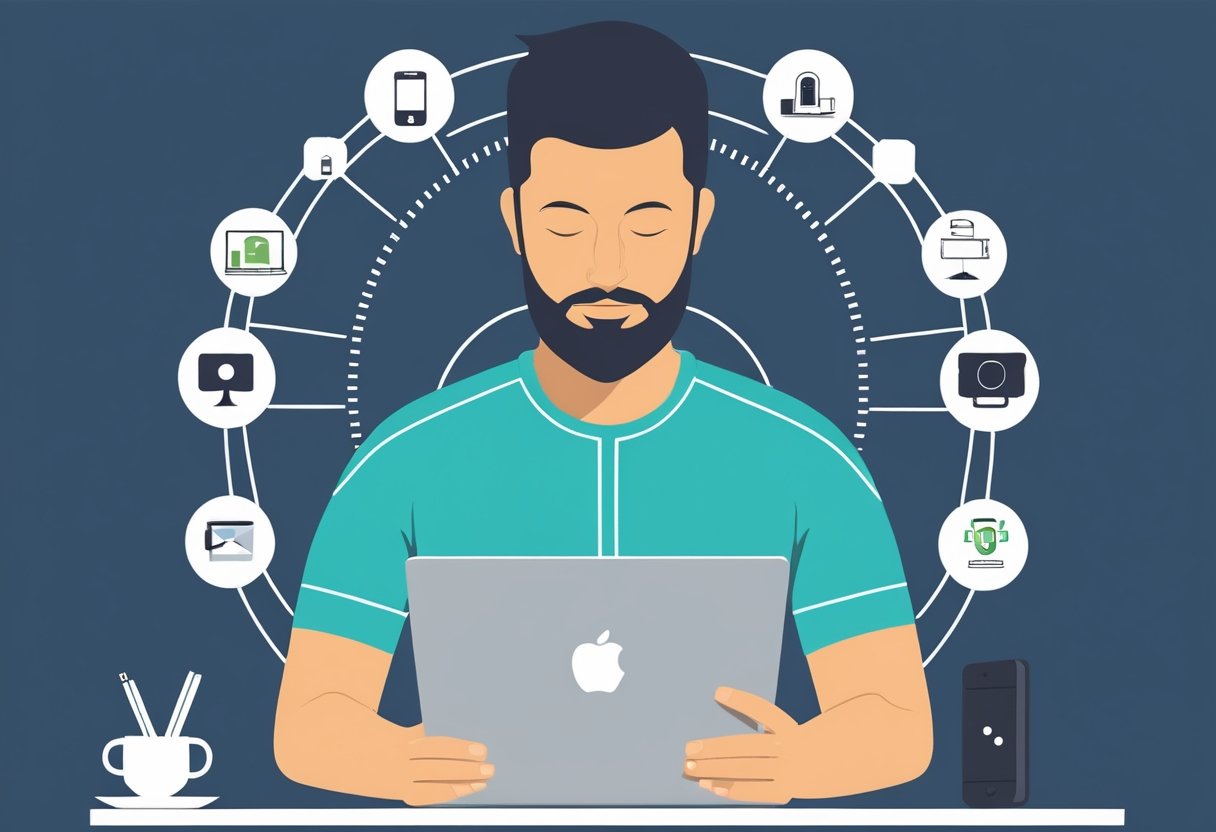
    In a world that never stops scrolling, a quiet rebellion is emerging. From “no-phone Sundays” to “offline weekends,” Gen Z is leading the charge toward digital detoxing — redefining what it means to be truly connected. According to a 2024 study from Pew, nearly half of American teens are online “almost constantly.” However, it seems they are taking matters into their own hands, with searches for a “digital detox vision board” trending up by 273%, and “digital detox ideas” also up by 72% (Source: Fast Company).

    What is a Digital Detox?

    The purpose of a digital detox is to allow ourselves time to experience real life without distractions. It’s a way to reconnect with individuals personally rather than through a screen and take time to de-stress and step away from all that connectedness (Source: Brown Health).

    The Benefits of Digital Detox

    A digital detox can have numerous benefits, including improved mental health, increased productivity, and better sleep. According to a study by NuVoodoo, 43% of total respondents say they have intentionally reduced screen time in the past six months, with Millennials and Gen Z being the most likely to make this effort (Source: NuVoodoo).

    Practical Takeaways

    So, how can you start your digital detox journey? Here are a few practical takeaways: set aside device-free time each day, plan offline activities, and consider a digital detox retreat. Remember, it’s all about finding a balance and being mindful of your screen time (Source: Apogee Behavioral Medicine).

  • How Gen Z Made Wellness a Daily Ritual

    How Gen Z Made Wellness a Daily Ritual

    In a world that never stops scrolling, slowing down has become an act of rebellion.
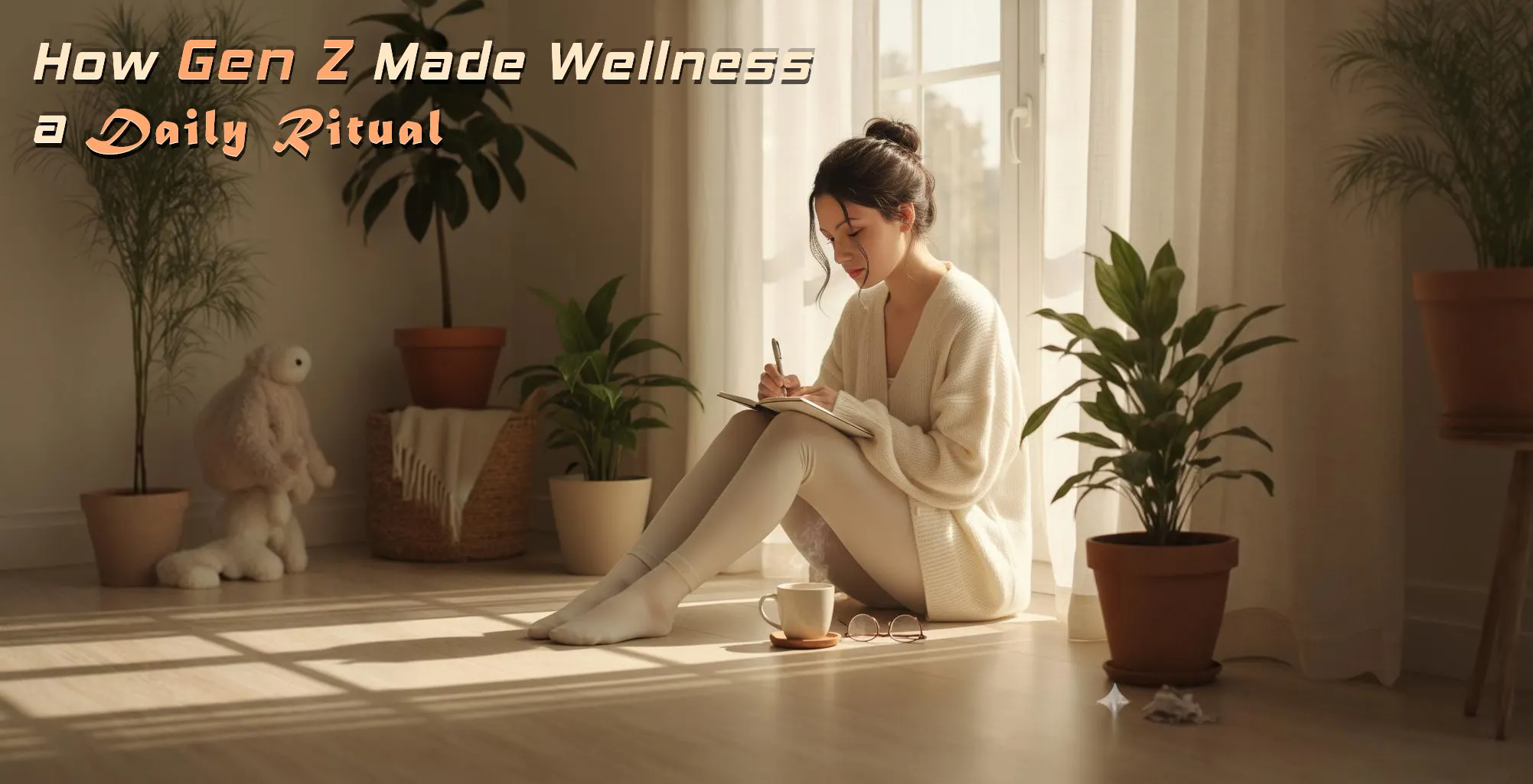
    From journaling before bed to brewing herbal teas with intention, Gen Z is redefining wellness — one mindful ritual at a time.
    This isn’t luxury self-care; it’s personal healing, made simple.

    The Rise of Everyday Rituals

    Wellness is no longer about expensive retreats or spa days. Gen Z has transformed self-care into something intimate and accessible — done at home, without filters. Social media trends on TikTok and Pinterest now glorify journaling corners, incense rituals, and slow mornings.
    These aren’t trends built on consumption — they’re rooted in small, meaningful habits.

    What’s Driving the DIY Wellness Movement

    Behind the candles and crystals lies a deeper truth: burnout, anxiety, and information overload are pushing young people to seek peace in analog ways. Instead of outsourcing calm, they’re crafting it themselves.

    Here’s what’s fueling the movement:

    • 🧘‍♀️ Digital Overload Fatigue: More people are unplugging to feel present.
    • 🕯️ Accessible Calm: Self-care doesn’t require luxury — it’s about consistency.
    • 📖 Creativity as Healing: Writing, sketching, and crafting are forms of therapy.
    • 🌿 Return to Nature: Herbal teas, essential oils, and plants reconnect people with the physical world.
    • 🕰️ Ritual over Routine: Turning ordinary habits — like skincare or tea-time — into mindful moments of reflection.

    Why It Matters

    The DIY wellness trend signals a broader cultural reset. In redefining what peace looks like, Gen Z is proving that wellness doesn’t come in a box or app — it’s created through intention and balance.

    Maybe true luxury today isn’t time off — it’s time in.

    🌐 Connect with Casi Borg
    📸 Instagram: @casi_borg
    🦋 BlueSky: casi-borg.bsky.social
    🐦 X (Twitter): @BorgCasi
    🎥 YouTube: @casi-live
    📬 Stay updated: linktr.ee/casi.borg

Oh hi there 👋
It’s nice to meet you.

Sign up to receive awesome content in your inbox, every Day.

We don’t spam! Read our privacy policy for more info.