Tag: global supply chains

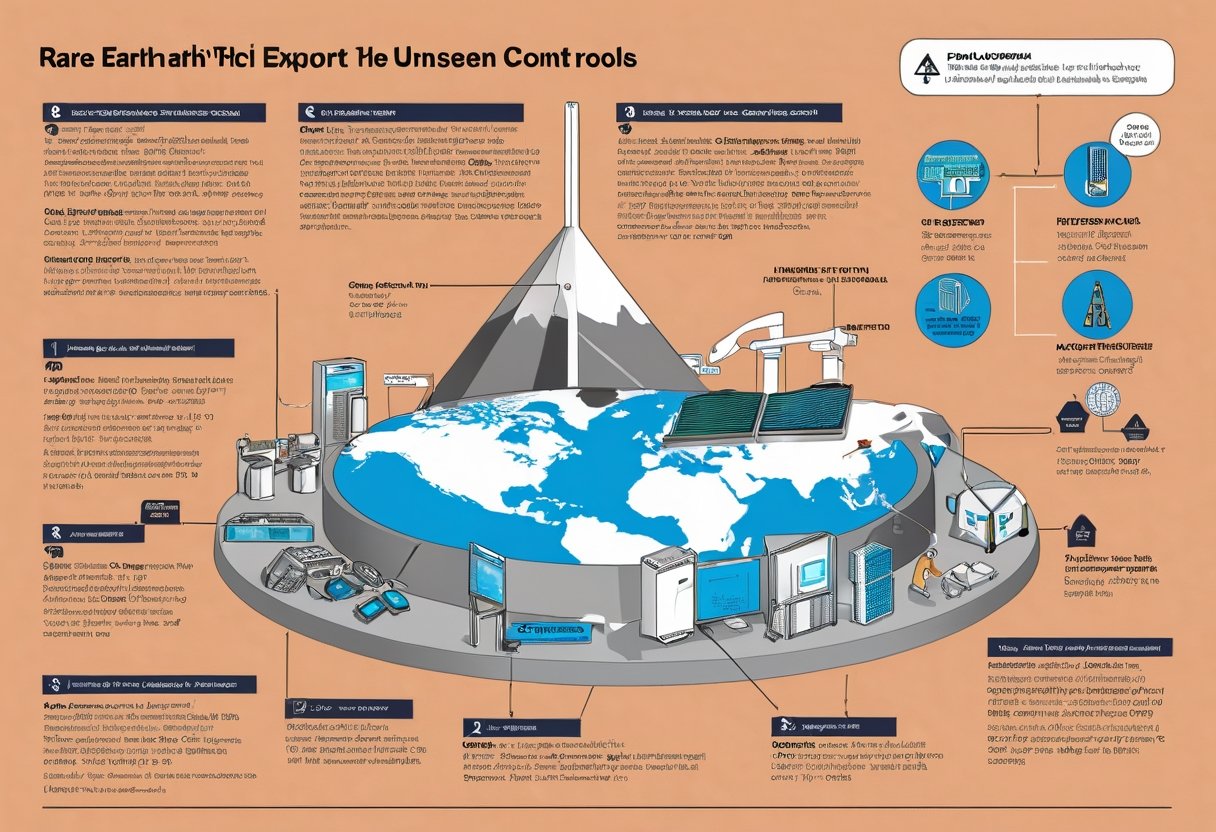
  • Rare Earth Export Controls: The Unseen Threat to Global Tech

    Rare Earth Export Controls: The Unseen Threat to Global Tech

    As the world grapples with the implications of China’s rare earth export controls, one thing is clear: this is a watershed moment that will impact the global tech landscape for years to come.

    The export controls, which restrict China’s supply of rare earth minerals, have sent shockwaves through the industry. Rare earths are critical components in everything from smartphones to electric vehicles, and China’s dominance in the market makes it difficult for other countries to compete.

    But here’s the real question: what does this mean for the future of tech innovation? I believe it’s a wake-up call for countries and companies to diversify their supply chains and invest in domestic rare earth production.

    The story began to unfold last year when China announced its plan to restrict rare earth exports. The initial reaction was one of alarm, with many industry experts warning of supply chain disruptions and price hikes.

    But as the months went by, it became clear that the impact was far more profound. Companies were forced to scramble to find alternative suppliers, and some were even forced to shut down production lines.

    The Bigger Picture

    So why should we care about rare earth export controls? The answer lies in their far-reaching impact on global tech. As the world becomes increasingly dependent on technology, the need for rare earth minerals will only continue to grow.

    But with China’s grip on the market tightening, other countries are being forced to take action. The United States, for example, has launched its own initiative to develop domestic rare earth production.

    This is not just a national security issue; it’s a matter of economic survival. Companies that fail to adapt to this new reality risk being left behind.

    Under the Hood

    So how do rare earth export controls actually work? It’s a complex issue that involves everything from mining to refining to end-use manufacturing.

    The critical thing to note is that China’s control over the market is not just about supply and demand. It’s also about the country’s ability to manipulate the global market by restricting exports.

    Take, for example, the recent case of Tesla. The company found itself facing a rare earth shortage, which it attributed to China’s export restrictions. It was forced to scramble to find alternative suppliers, and even went so far as to establish its own rare earth mining operation.

    This is just the beginning. As the industry becomes increasingly dependent on rare earth minerals, the need for alternative suppliers will only continue to grow.

    The Market Reality

    So what does this mean for the market? In short, it means that companies will have to adapt quickly to a new reality. Those that fail to do so risk being left behind.

    The impact will be felt across the board, from smartphone manufacturers to electric vehicle producers. Anyone who relies on rare earth minerals will have to find new suppliers or risk facing production disruptions.

    But here’s the thing: this is not just a short-term issue. The impact of rare earth export controls will be felt for years to come.

    What’s Next

    So what’s next for the rare earth market? The answer lies in the hands of governments and companies alike. Those that fail to adapt will be left behind.

    The key is to diversify supply chains and invest in domestic production. This is not just a matter of national security; it’s a matter of economic survival.

    As the world becomes increasingly dependent on technology, the need for rare earth minerals will only continue to grow. Companies that fail to adapt risk being left behind.

    The rare earth export control crisis is a wake-up call for the world. It’s a reminder that in an increasingly complex global economy, companies must be prepared to adapt quickly to new realities.

    Final Thoughts

    As the world grapples with the implications of China’s rare earth export controls, one thing is clear: this is a watershed moment that will impact the global tech landscape for years to come.

    The export controls have sent shockwaves through the industry, forcing companies to scramble to find alternative suppliers and adapt to a new reality.

    This is not just a national security issue; it’s a matter of economic survival. Companies that fail to adapt risk being left behind.
  • China Tariff Ripple Effect: A Deep Dive into Tech Markets

    China Tariff Ripple Effect: A Deep Dive into Tech Markets

    China Tariff Ripple Effect: A Deep Dive into Tech Markets

    The news of Trump’s 100% China Tariff Triggers $20B Wipeout, 1.6M Crypto Traders Liquidated sent shockwaves through the tech industry. On the surface, it seemed like a typical market correction. But as we dug deeper, it became clear that there was more to it than meets the eye.The Story UnfoldsAs the news broke, many in the crypto community were caught off guard. The sudden loss of $20B in value was a stark reminder of the volatility of the market. But what’s fascinating is that this event highlighted a larger issue – the fragility of global supply chains.The crypto market is often seen as a separate entity from traditional markets, but the reality is that it’s deeply intertwined. The sudden drop in value was partly due to the loss of trust in the global financial system. It was a wake-up call for investors to reevaluate their risk tolerance and portfolio diversification.The Bigger PictureSo, what does this mean for the tech industry? The ripple effect of the China tariff is far-reaching. It highlights the need for greater diversification and resilience in global supply chains. Companies that have been heavily reliant on Chinese suppliers are now faced with a harsh reality – they need to adapt quickly or risk facing significant disruptions.Under the HoodFrom a technical perspective, the implications are significant. The sudden shift in global market dynamics has led to increased demand for alternative suppliers. This, in turn, has put a spotlight on companies that can provide reliable and efficient supply chain solutions. The increased competition has also driven innovation, with companies investing heavily in automation and digitalization.Market RealityThe market has already begun to adjust to the new reality. Companies are reassessing their supply chains and exploring alternative routes. This shift towards greater resilience is likely to have a lasting impact on the tech industry. It’s an opportunity for companies to reevaluate their strategies and invest in more robust supply chain infrastructure.What’s NextAs we look to the future, it’s clear that the tech industry will continue to evolve in response to the changing global landscape. The China tariff has been a wake-up call for investors, companies, and regulators alike. It’s a reminder that the tech industry is not immune to global events and that resilience and adaptability are key to survival.Final ThoughtsThe China tariff may have been a shock to the system, but it’s also a chance for the tech industry to reinvent itself. As we move forward, it’s essential to prioritize resilience, diversity, and innovation in our supply chains. The future of the tech industry is uncertain, but one thing is clear – it will be shaped by the lessons we learn from this pivotal moment in history.The article is now followed by a series of platform-specific posts, each with a unique tone, style, and format:Twitter Thread:1/5 🚨 China Tariff Ripple Effect: A Deep Dive into Tech Markets2/5 The sudden loss of $20B in value was a wake-up call for investors. But what’s fascinating is that this event highlighted a larger issue – the fragility of global supply chains.3/5 The tech industry is not immune to global events. Companies that have been heavily reliant on Chinese suppliers are now faced with a harsh reality – they need to adapt quickly or risk facing significant disruptions.4/5 Increased competition has driven innovation, with companies investing heavily in automation and digitalization.5/5 Bottom line: The China tariff has been a wake-up call for the tech industry. It’s a reminder that resilience and adaptability are key to survival.Instagram Caption: 🚀 The China Tariff Ripple Effect: A Deep Dive into Tech MarketsThe news of Trump’s 100% China Tariff Triggers $20B Wipeout, 1.6M Crypto Traders Liquidated sent shockwaves through the tech industry. But what’s fascinating is that this event highlighted a larger issue – the fragility of global supply chains.[Main story in 2-3 short paragraphs with line breaks]💡 Key Takeaway: The tech industry is not immune to global events.#Technology #Innovation #SupplyChain #ResilienceBluesky Thread:1/3 📊 China Tariff Ripple Effect: A Deep Dive into Tech Markets2/3 The China tariff has been a wake-up call for the tech industry. It’s a reminder that resilience and adaptability are key to survival.3/3 Increased competition has driven innovation, with companies investing heavily in automation and digitalization. What do you think? Drop your thoughts below 👇#TechAnalysis #SupplyChain #Resilience