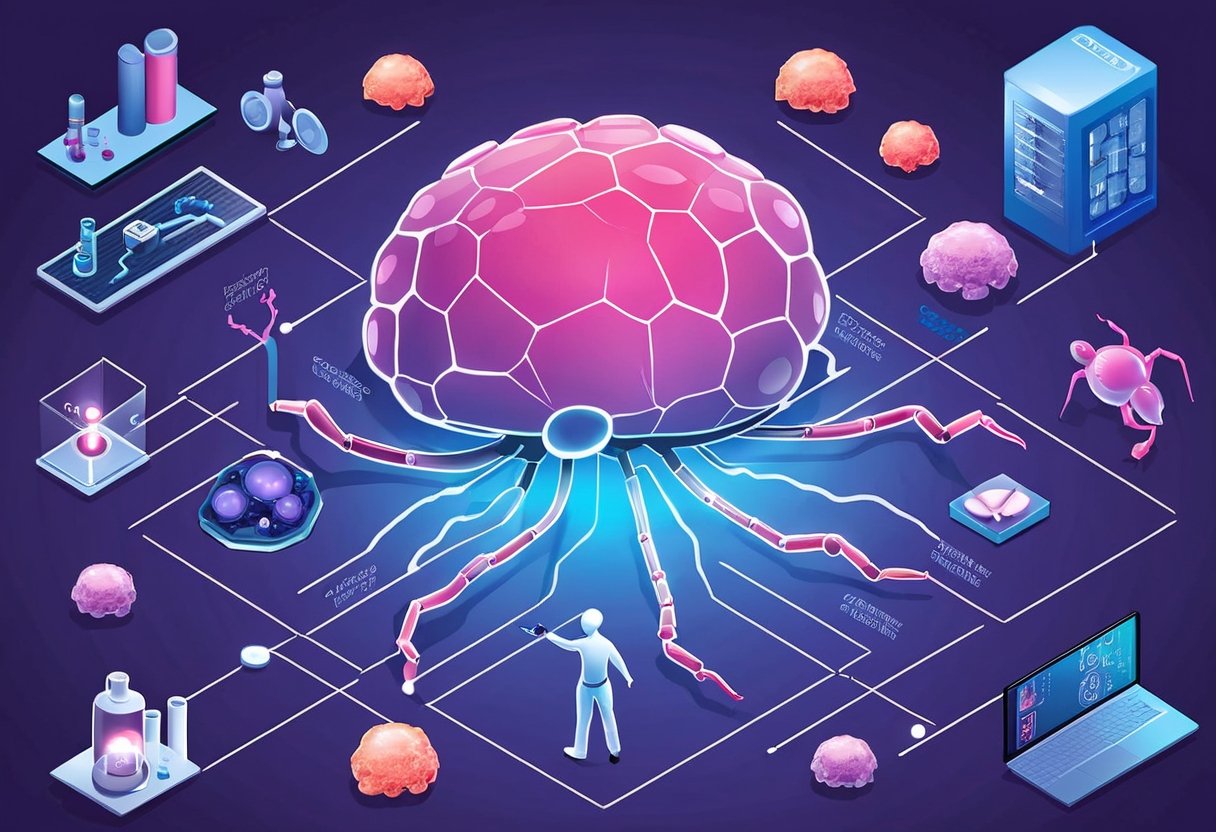
Tag: google c2s-scale 27b

  • Google’s $50 Million Investment in Mental Health AI

    Google’s $50 Million Investment in Mental Health AI

    Introduction to Google’s Mental Health AI Initiative

    Google has recently invested $50 million in mental health AI research, marking a significant step forward in the use of artificial intelligence to improve mental health outcomes. This investment is part of Google’s broader efforts to apply AI to some of humanity’s most pressing challenges.

    Background on Mental Health and AI

    Mental health is a critical issue that affects millions of people worldwide. According to the World Health Organization (WHO), approximately 1 in 4 people will experience a mental health disorder each year. The use of AI in mental health has the potential to revolutionize the way we approach diagnosis, treatment, and prevention.

    Google’s AI Initiatives in Mental Health

    Google has launched two global initiatives to explore how AI can enhance access to mental health care and support the development of new treatments for conditions such as anxiety, depression, and psychosis. The first initiative focuses on advancing research into mental health treatment, while the second initiative aims to improve access to mental health care through the use of AI-powered tools.

    Partnerships and Collaborations

    Google is collaborating with several organizations, including the Wellcome Trust, to support multi-year research projects that explore more precise, objective, and individualized assessments of anxiety, depression, and psychosis. These projects will also investigate new therapeutic approaches, including the development of novel medications.

    Implications and Future Directions

    The implications of Google’s investment in mental health AI are significant. By leveraging AI to improve mental health outcomes, we may see improved diagnosis, treatment, and prevention of mental health disorders. Additionally, the use of AI-powered tools may help to increase access to mental health care, particularly in underserved communities.

    Conclusion

    In conclusion, Google’s $50 million investment in mental health AI research is a significant step forward in the use of AI to improve mental health outcomes. As we move forward, it will be important to continue to explore the potential of AI in mental health and to address the challenges and limitations of this technology.
  • Google Ends Support for 25-Year-Old Sega Dreamcast Browser

    Google Ends Support for 25-Year-Old Sega Dreamcast Browser

    Introduction to the Sega Dreamcast and PlanetWeb 3.0

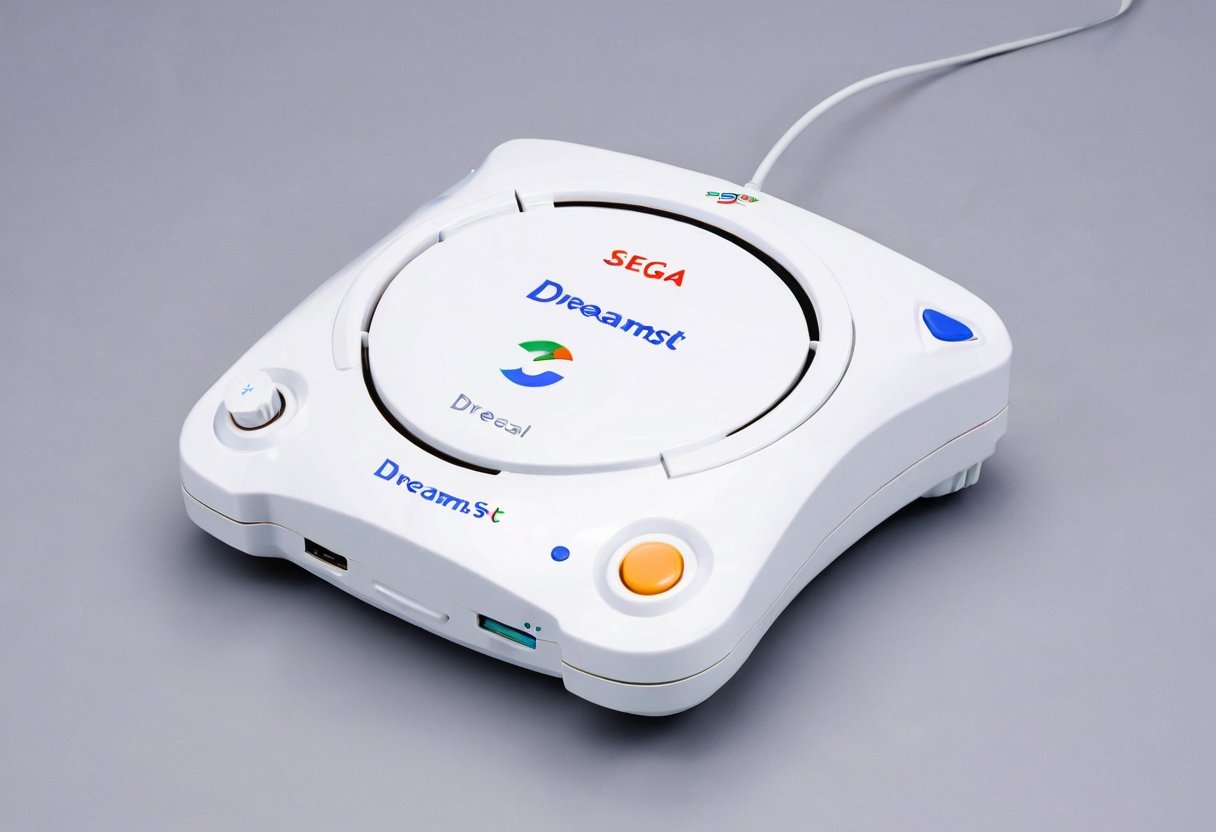
    The Sega Dreamcast, released in 1998, was a pioneering console that brought internet browsing to the living room. Its built-in web browser, PlanetWeb 3.0, allowed users to surf the web, a novel feature at the time. As noted by Notebookcheck, this browser was a significant part of the Dreamcast’s appeal.

    The End of an Era: Google Discontinues Support

    Recently, Google announced the end of support for the PlanetWeb 3.0 browser, effectively cutting off web access for the Sega Dreamcast. This decision was confirmed by Tom’s Hardware, stating that Google’s latest update has rendered the browser redundant.

    Impact on the Retro Gaming Community

    The discontinuation of support for PlanetWeb 3.0 has significant implications for the retro gaming community. Dedicated fans who have kept the Dreamcast alive through private servers and workarounds will no longer be able to access Google services using the console’s built-in browser. As XDA Developers points out, this marks the end of an era for a piece of gaming history.

    Technical Analysis and Market Impact

    From a technical standpoint, the PlanetWeb 3.0 browser’s demise is a result of its inability to meet modern web standards, including advanced CSS, encryption requirements, and heavy JavaScript. This is a common issue faced by legacy browsers and aging hardware. The market impact is relatively minimal, given the niche nature of the Dreamcast community, but it underscores the challenges of maintaining compatibility with outdated technology.

    Future Implications and Takeaways

    The end of support for the PlanetWeb 3.0 browser serves as a reminder of the ever-evolving nature of technology. As companies like Google continue to update and secure their services, older systems are often left behind. For retro gamers and enthusiasts, this means finding alternative methods to keep their beloved consoles connected, such as through community-driven projects or emulator software.

  • Apple and Google Sound Alarm on Rising Spyware Threats

    Apple and Google Sound Alarm on Rising Spyware Threats


    Introduction to the Threat

    In a sweeping escalation of global cybersecurity tensions, both Google and Apple have issued high-confidence alerts to users across the globe, warning them of potential spyware threats. According to Times of India, these tech giants have notified users in over 150 countries, signaling a significant rise in state-backed hacking and commercial spyware operations.

    Google’s Alert on Intellexa Spyware

    Google announced on December 3 that it had sent notifications to all known users targeted by Intellexa spyware, a firm sanctioned by the US government. Reuters reports that this effort involved several hundred accounts across various countries, including Pakistan, Kazakhstan, Angola, Egypt, Uzbekistan, Saudi Arabia, and Tajikistan. This move by Google underscores the growing concern over the proliferation of commercial spyware and government-backed surveillance campaigns.

    Apple’s Notification Efforts

    Apple has also been proactive in issuing threat notifications. As Livemint notes, Apple’s notifications reached users in over 150 countries, highlighting the ongoing efforts to combat sophisticated surveillance operations. While the specifics of Apple’s notifications are not detailed, the fact that both Apple and Google are taking these steps indicates a coordinated response to the escalating threat landscape.

    Impact and Implications

    The issuance of these alerts by Apple and Google not only serves as a warning to potential victims but also imposes costs on cyber spies by alerting victims, as noted by Citizen Lab researcher John Scott-Railton. This can lead to investigations and discoveries that may result in real accountability around spyware abuses.

    Conclusion and Takeaways

    In conclusion, the recent alerts by Apple and Google over rising spyware threats are a critical reminder of the evolving cybersecurity landscape. Users must remain vigilant and proactive in protecting their devices and data. As Cybernews suggests, individuals from high-risk groups, such as journalists, activists, and political figures, are particularly at risk and should take extra precautions.

  • Uncovering Google’s Image Generation AI Secrets

    Uncovering Google’s Image Generation AI Secrets

    Introduction to Google’s Image Generation AI

    Google’s image generation AI has been making waves in the tech community, with its ability to create realistic images that are almost indistinguishable from real photos. However, many of us can’t help but feel a sense of déjà vu when we see these images. The poses, the lighting, the random vacation-style smiling family – it’s all too familiar.

    The Role of Google Photos in Training AI

    While Google hasn’t explicitly confirmed that it uses Google Photos to train its image generation AI, it’s likely that the company is leveraging its vast repository of user-uploaded images to improve its AI models. After all, Google Photos has been around since 2015 and has amassed a staggering number of high-quality images.

    Technical Analysis of Image Generation AI

    Google’s image generation AI uses a combination of machine learning algorithms and neural networks to generate images. The process involves training the AI model on a large dataset of images, which allows it to learn patterns and relationships between different visual elements.

    Market Impact and Future Implications

    The implications of Google’s image generation AI are far-reaching. For one, it has the potential to revolutionize the field of computer vision, enabling applications such as self-driving cars and facial recognition technology. However, it also raises important questions about data privacy and the ethics of using user-generated content to train AI models.

    Practical Takeaways and Expert Insights

    So what can we learn from Google’s image generation AI? For starters, it’s clear that the company is committed to pushing the boundaries of what’s possible with AI. However, it’s also important to consider the potential risks and implications of this technology, particularly when it comes to data privacy and user consent.

  • Google Denies Misleading Reports on Gmail AI Training

    Google Denies Misleading Reports on Gmail AI Training


    Introduction to the Controversy

    Recent reports have surfaced claiming that Google is using Gmail emails to train its artificial intelligence (AI) model, Gemini. However, Google has come out to deny these claims, stating that they are misleading and that the company has not changed anyone’s settings. According to a spokesperson for Google, Gmail Smart Features have existed for many years, and we do not use your Gmail content for training our Gemini AI model (Source: The Verge).

    Understanding Gmail Smart Features

    Gmail Smart Features are a set of tools designed to make emailing easier and more efficient. These features include smart compose, which helps users write emails faster, and AI-generated replies, which suggest potential responses to emails. While these features do use machine learning algorithms to improve their functionality, Google assures users that they do not use email content to train their Gemini AI model.

    Addressing the Rumors

    Despite Google’s denials, some users have reported being mysteriously re-enrolled in smart features they had previously disabled. This has added fuel to the privacy concerns and led to allegations that Google is not transparent about its data usage practices. However, as Snopes points out, these reports are misleading, and Google has not changed its policies regarding the use of email content for AI training.

    Implications and Takeaways

    The controversy surrounding Gmail and AI training highlights the importance of transparency in data usage practices. While Google has denied the allegations, the incident serves as a reminder for users to be aware of their privacy settings and to understand how their data is being used. As Malwarebytes notes, even if Google’s promises of strong privacy measures are upheld, the use of email content for AI training can still be a concern for those handling sensitive or confidential information.

    Practical Steps for Users

    Users can take several steps to protect their privacy and ensure they are comfortable with how their data is being used. Firstly, reviewing and adjusting privacy settings is crucial. Users should also be cautious of viral social media posts and instead rely on credible sources for information. Lastly, understanding the technology behind AI training and its implications can help users make informed decisions about their data.

  • The Cancer Cure Catalyst: A Leap Forward in Deep Tech

    The Cancer Cure Catalyst: A Leap Forward in Deep Tech

    The Cancer Cure Catalyst: A Leap Forward in Deep Tech

    I’ve spent years studying the intersection of technology and medicine, but the recent breakthrough in cancer research using Google’s C2S-Scale 27B (based on Gemma) model has left me speechless. This innovation is a testament to human ingenuity and the power of collaboration.The Google C2S-Scale 27B model is a massive 27 billion parameter foundation model built on the Gemma family of open models. Its unprecedented scale and capabilities have allowed researchers to identify a novel hypothesis about cancer cellular behavior. This discovery could potentially pave the way for a new cancer therapy pathway. The model and its resources are now available on Hugging Face and GitHub, making it easier for the scientific community to build upon this groundbreaking work.The potential applications of this technology are vast and exciting. Imagine a future where cancer treatments are tailored to individual patients’ needs, reducing the need for trial and error. The impact on public health could be significant.But here’s the real question: what does this breakthrough mean for the future of cancer research? Will we see a new wave of targeted therapies emerge from this technology? The possibilities are endless.As we continue to push the boundaries of what’s possible with deep tech, it’s essential to consider the broader implications of this innovation. The Google C2S-Scale 27B model is a prime example of how collaboration, open-source development, and technological advancements can drive progress in fields like medicine.But what about the technical architecture behind this model? How does it work, and what are the potential trade-offs? Let’s take a closer look under the hood.The Google C2S-Scale 27B model is built using a combination of deep learning architectures and transfer learning. This approach allows the model to learn from a vast amount of data and apply it to new, unseen problems. The use of transfer learning also enables the model to leverage pre-existing knowledge and speed up the learning process.One of the most significant implications of this technology is its potential to democratize access to cutting-edge cancer research. By making the model and its resources available to the scientific community, Google is opening doors for researchers around the world to build upon this breakthrough.But what does this mean for the future of cancer research? Will we see a new wave of targeted therapies emerge from this technology? As we continue to push the boundaries of what’s possible with deep tech, it’s essential to consider the broader implications of this innovation.In the near future, we can expect to see the development of more targeted cancer therapies that leverage the power of the Google C2S-Scale 27B model. This could lead to better treatment outcomes, reduced side effects, and improved patient quality of life.But the benefits of this technology extend far beyond cancer research. The Google C2S-Scale 27B model can be applied to a wide range of fields, from genomics to materials science. Its potential impact on humanity is vast and exciting.The Google C2S-Scale 27B model is a testament to human ingenuity and the power of collaboration. As we continue to push the boundaries of what’s possible with deep tech, it’s essential to consider the broader implications of this innovation. The possibilities are endless, and the future is bright.As we reflect on the potential of the Google C2S-Scale 27B model, it’s clear that this breakthrough has the power to transform the field of cancer research. The future is bright, and the possibilities are endless.The cancer cure catalyst is just the beginning. What’s next?

    What’s Next?

    As we continue to push the boundaries of what’s possible with deep tech, it’s essential to consider the broader implications of this innovation. The Google C2S-Scale 27B model is a prime example of how collaboration, open-source development, and technological advancements can drive progress in fields like medicine.The potential applications of this technology are vast and exciting. Imagine a future where cancer treatments are tailored to individual patients’ needs, reducing the need for trial and error. The impact on public health could be significant.But the benefits of this technology extend far beyond cancer research. The Google C2S-Scale 27B model can be applied to a wide range of fields, from genomics to materials science. Its potential impact on humanity is vast and exciting.

    Final Thoughts

    The Google C2S-Scale 27B model is a testament to human ingenuity and the power of collaboration. As we continue to push the boundaries of what’s possible with deep tech, it’s essential to consider the broader implications of this innovation. The possibilities are endless, and the future is bright.In the near future, we can expect to see the development of more targeted cancer therapies that leverage the power of the Google C2S-Scale 27B model. This could lead to better treatment outcomes, reduced side effects, and improved patient quality of life.The cancer cure catalyst is just the beginning. What’s next? The possibilities are endless, and the future is bright.

Oh hi there 👋
It’s nice to meet you.

Sign up to receive awesome content in your inbox, every Day.

We don’t spam! Read our privacy policy for more info.