Tag: Gourmet Sustainability

  • Ohio Suspends Data Center Tax Break Amid AI Power Struggles

    Ohio Suspends Data Center Tax Break Amid AI Power Struggles

    Introduction to the Crisis

    Ohio, a leading destination for data centers, has suspended a critical tax break aimed at attracting massive facilities that power and train artificial intelligence (AI) chatbots. This move, initiated by Republican Gov. Mike DeWine, reflects growing pressure on tech firms to bear the full costs of their computing warehouses, which are essential for AI but strain state budgets and the electrical grid.

    Background and Context

    According to WFTV, the tax break suspension is a response to the escalating utilization of the tax break and the state Legislature’s new research undertaking. This decision comes as Policy Matters Ohio reports that data centers use large amounts of electricity, placing stress on the electrical grid, and as the Ohio Consumers’ Counsel notes, tech giants like Amazon, Google, Microsoft, and Meta (Facebook) have opposed settlements that would shift more costs onto residential consumers.

    Impact on the Environment and Economy

    The suspension also highlights concerns over the environmental impact and the economic benefits of these data centers. Signal Ohio reports that the tax break cost $1 billion more than expected in 2025, with data centers receiving $2.5 billion in public subsidies between 2017 and 2024, and contributing $3.7 billion to Ohio’s GDP.

    Expert Insights and Technical Analysis

    Experts like AI Now Institute suggest that the issue is not just about tax breaks but about the power dynamics at play, with data centers fueling a new gold rush while communities bear the costs. Technically, the rapid growth of data centers to support AI is driving an increase in data center power demand, as noted by Goldman Sachs.

    Market Impact and Future Implications

    The market impact is significant, with states like Virginia facing budget negotiations hung up over a $1.6 billion annual tax break for data centers. The future implications suggest a need for a balanced approach that considers both the economic benefits and the environmental and social costs of data center expansion. As WFTV reports, residents are trying to bypass the GOP-controlled Legislature to get a referendum on the midterm election ballot that would ban hyperscale data centers, indicating a growing public awareness and demand for action.

    Conclusion and Practical Takeaways

    In conclusion, the suspension of the data center tax break in Ohio reflects a broader debate about the role of tech firms in shouldering the costs of their operations, especially as AI technology continues to evolve and demand more resources. Practical takeaways include the need for policymakers to reassess tax incentives, for tech firms to invest in sustainable practices, and for communities to be involved in decision-making processes regarding data center development.

  • Handmade Products Trending in 2026: A Shift Towards Authenticity

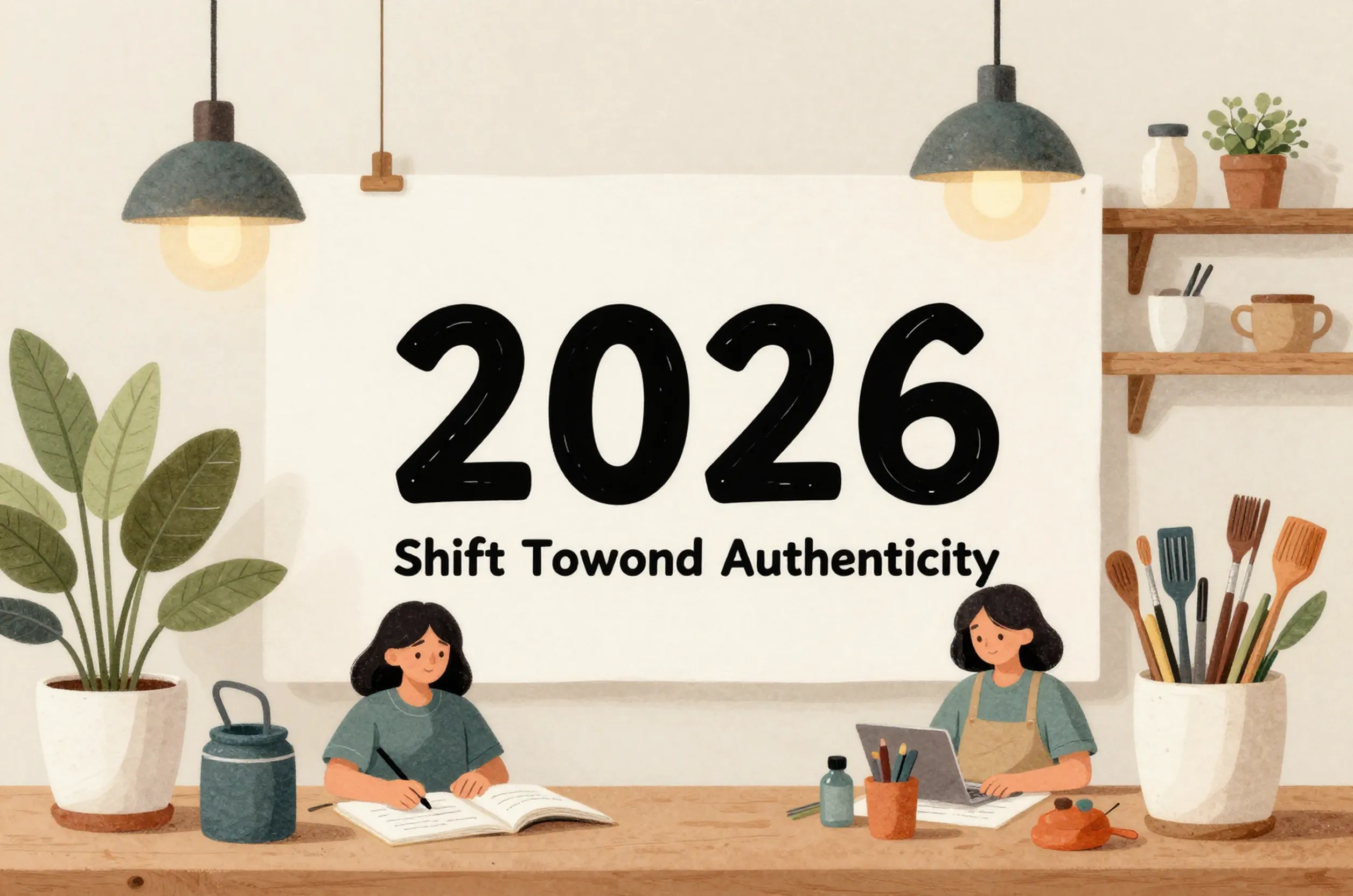
    Handmade Products Trending in 2026: A Shift Towards Authenticity

    Introduction to the Handmade Market

    The global handicraft market is experiencing a significant cultural shift, with buyers increasingly seeking authentic, handmade products over mass-produced alternatives. According to Sterling from Cactus Lady Creation, this trend is driven by a desire for personalization and uniqueness. In fact, 59% of online shoppers are more likely to buy from a brand that offers product customization, as reported by Customcy.

    Trending Handmade Products in 2026

    Several sources, including Cactus Lady Creation and Qartaj, have identified key trends in the handmade market for 2026. These include customizable crochet wearables, slow craft, and functional crafts. The rise of slow craft, in particular, reflects a growing appreciation for handmade products that prioritize quality and sustainability over speed and quantity.

    Market Growth and Projections

    The global handicrafts market is projected to reach $983.12 billion by 2030, growing at a compound annual growth rate (CAGR) of 4.9% from 2025 to 2030, according to Grand View Research. The arts and crafts market is also expected to experience strong growth, with a projected size of $67.39 billion by 2030 at a CAGR of 7.4%, as reported by Research and Markets.

    Key Takeaways for Handmade Sellers

    For handmade sellers, the key takeaway is to focus on offering customizable, high-quality products that prioritize sustainability and uniqueness. By doing so, sellers can capitalize on the growing demand for authentic, handmade products and establish a loyal customer base.

  • Catastrophic 2.6C Temperature Rise Looms Ahead

    Catastrophic 2.6C Temperature Rise Looms Ahead

    Introduction to Climate Change

    The world is on track for a catastrophic 2.6C temperature rise by the end of the century, according to recent reports from the UN Environment Programme (UNEP) and the World Meteorological Organization. This is far above the 1.5C limit that would avoid the worst impacts of climate change.

    Current Pledges and Emissions

    The UNEP report finds that current pledges under the Paris Agreement put the world on track for a 2.5-2.9°C temperature rise above pre-industrial levels this century. The report also finds that none of the G20 countries are reducing emissions at a pace consistent with their net-zero targets.

    Consequences of Inaction

    If countries do not increase their ambition and start delivering immediately, the world will face debilitating impacts, including more frequent and severe heatwaves, droughts, and storms. The report highlights the need for urgent action to limit global warming and avoid the worst impacts of climate change.

    Path Forward

    To get on track for 1.5°C, countries need to increase their ambition and start delivering immediately. This includes reducing emissions by 42% by 2030 and 57% by 2035. The report calls for all nations to deliver economy-wide, low-carbon development and to fully implement their Nationally Determined Contributions (NDCs).

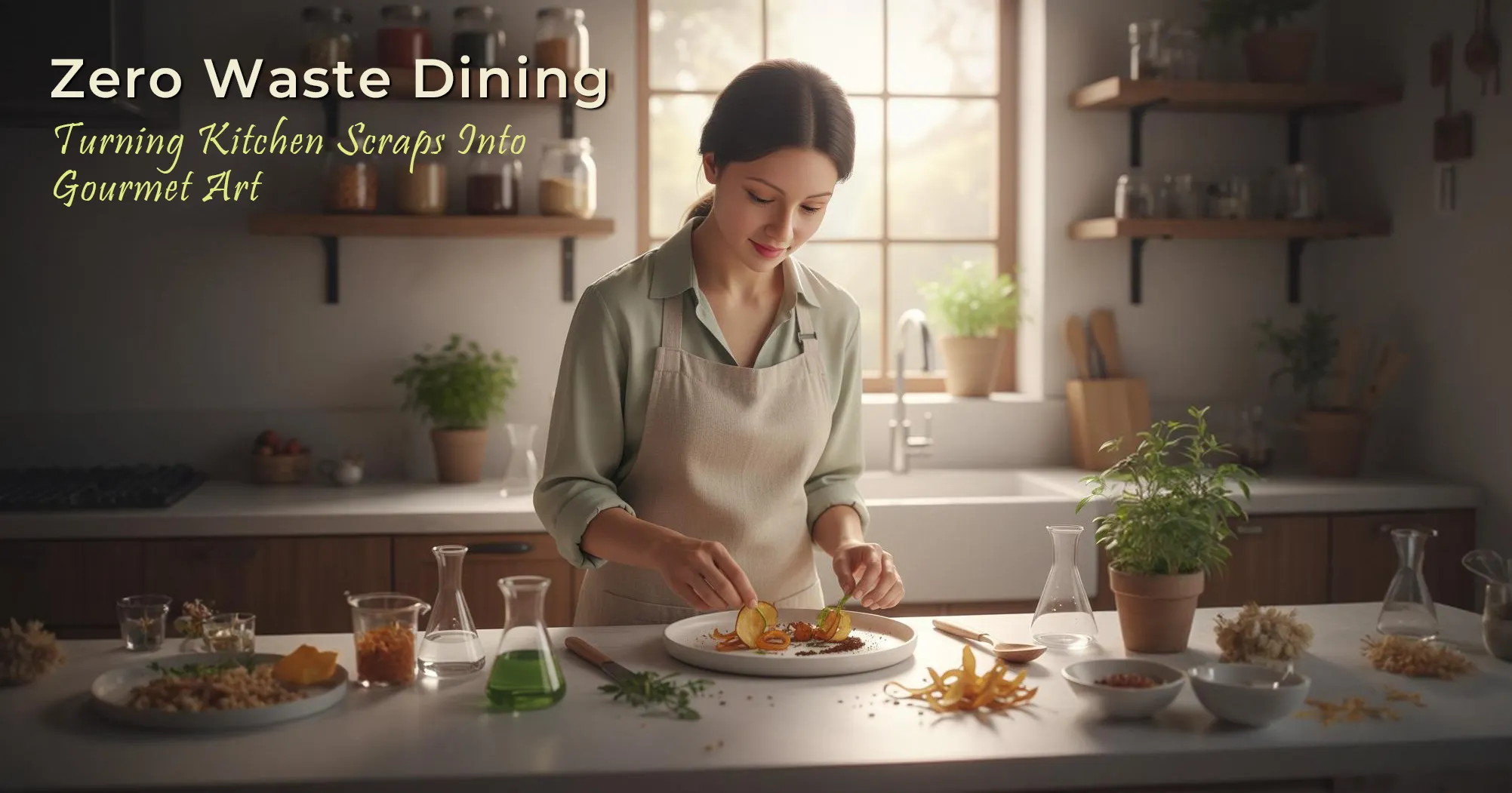
  •  Zero-Waste Dining: Turning Kitchen Scraps Into Gourmet Art

     Zero-Waste Dining: Turning Kitchen Scraps Into Gourmet Art

    Luxury isn’t about excess anymore — it’s about intention.
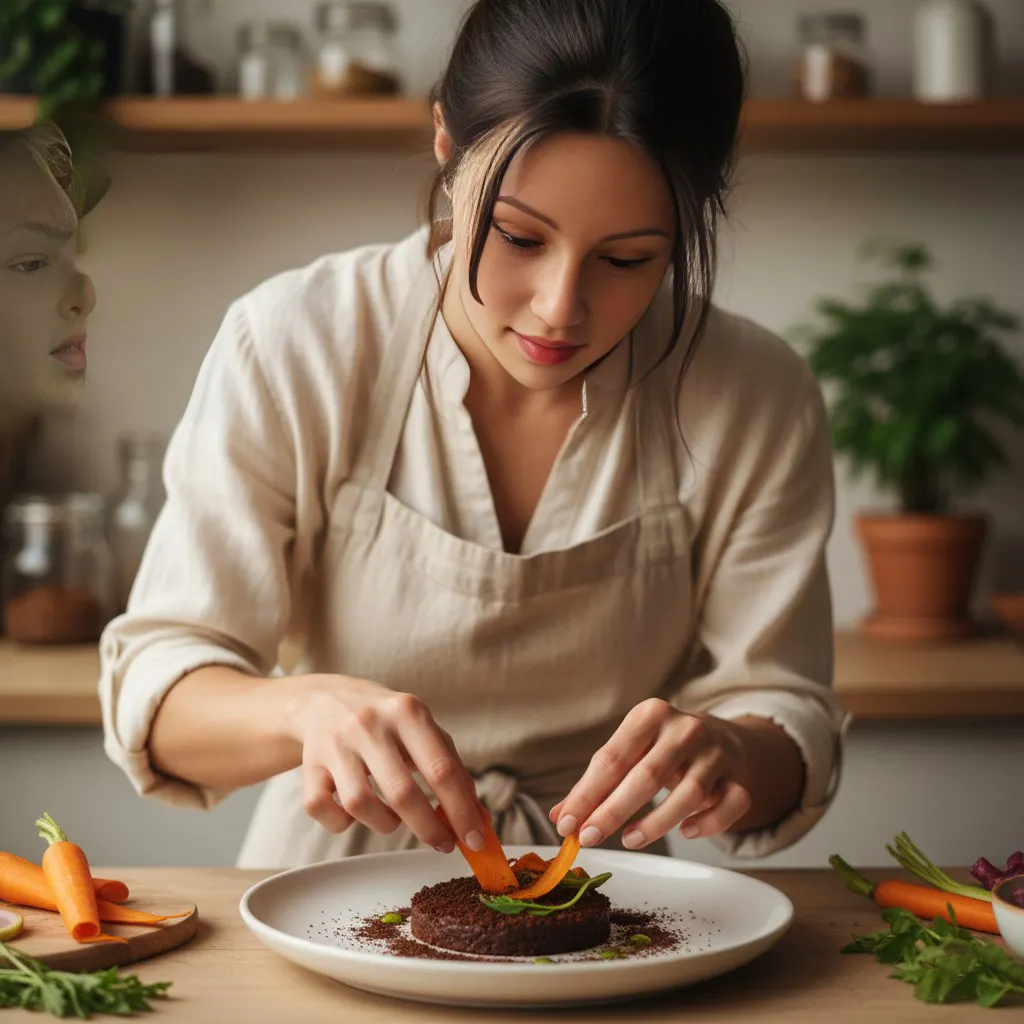
    Across the world, chefs are redefining fine dining by using what was once thrown away. Welcome to the era of zero-waste dining, where potato peels become crisps, coffee grounds turn into desserts, and sustainability meets sophistication.

    🥦 Why Zero-Waste Dining Is Taking Over

    Food waste has become one of the world’s most urgent environmental challenges — nearly one-third of all food produced goes to waste. But rather than seeing “scraps” as trash, modern chefs are treating them as creative opportunities.

    Key factors driving the trend:

    • 🌍 Sustainability Shift: Climate awareness and consumer pressure are pushing restaurants to rethink waste. Every peel, stem, and shell counts.
    • 👩‍🍳 Culinary Innovation: Michelin-star chefs and small cafés alike are experimenting with fermentation, dehydrating, and reusing ingredients.
    • 💸 Economic Sense: Using every part of the ingredient reduces cost and increases profit margins — a win for both planet and plate.
    • 💚 Social Influence: Food creators on TikTok and Instagram are showcasing “ugly produce” recipes, normalizing imperfect beauty.
    • 🧠 Tech Integration: AI-driven kitchen tools now track inventory and predict spoilage to minimize waste before it happens.

    🍽️ From Waste to Wow

    What was once “leftovers” is now becoming a status symbol in high-end cuisine. Restaurants like Silo in London and Blue Hill in New York lead the way — serving zero-waste tasting menus where even the décor is upcycled.
    Beyond luxury, home cooks are joining the movement by composting, regrowing vegetables, and making stock from kitchen scraps. It’s sustainability served with style.

    🔄 The Future of Conscious Eating

    Zero-waste dining isn’t just a fad — it’s a culinary philosophy. As climate awareness grows, expect this trend to shape menus, restaurant supply chains, and even food education programs.

    The next time you cook, pause before tossing that peel. You might be holding tomorrow’s recipe for change.

    🌐 Connect with Casi Borg
    📸 Instagram: @casi_borg
    🦋 BlueSky: casi-borg.bsky.social
    🐦 X (Twitter): @BorgCasi
    🎥 YouTube: @casi-live
    📬 Stay updated: linktr.ee/casi.borg

Oh hi there 👋
It’s nice to meet you.

Sign up to receive awesome content in your inbox, every Day.

We don’t spam! Read our privacy policy for more info.