Tag: Human-AI collaboration

  • The Ripple Effect: How GTreasury’s Acquisition Changes the Game

    The Ripple Effect: How GTreasury’s Acquisition Changes the Game

    The Unexpected Move

    In a shocking move, Ripple has acquired GTreasury for $1 billion. The announcement sent ripples through the fintech world, leaving many to wonder what this means for the future of treasury management. I’ve been following this space closely, and I believe this acquisition is a game-changer.The story begins with a deep dive into the world of fintech. Treasury management has long been a critical function for businesses, but it’s also an area ripe for disruption. GTreasury’s platform has been making waves with its innovative approach to cash management, and Ripple’s acquisition is a clear signal of its commitment to the space.As I dug deeper, I realized that the acquisition is more than just a strategic move – it’s a signal of a broader trend. The fintech industry is shifting towards greater emphasis on digital transformation and collaboration. This acquisition is a testament to that shift, and it’s going to have far-reaching implications for businesses and investors alike.

    The Bigger Picture

    So, what does this mean for the future of fintech? In my opinion, this acquisition marks a significant turning point. The industry is moving towards greater integration and collaboration, and this deal is a clear example of that trend. I believe we’ll see more acquisitions like this in the coming months and years, as companies seek to leverage new technologies and partnerships to drive growth.But here’s the real question – what does this mean for businesses and investors? In the short term, this acquisition is likely to drive competition and innovation in the fintech space. Companies will need to adapt to the changing landscape and find new ways to stay ahead of the curve. For investors, this means keeping a close eye on the industry’s trajectory and looking for opportunities to capitalize on the growth.

    The Technical Deep Dive

    From a technical perspective, the acquisition is a major milestone. GTreasury’s platform has been built on a robust architecture that leverages blockchain and other cutting-edge technologies. By integrating this platform with Ripple’s existing infrastructure, the company is creating a powerful new tool for treasury management. This is a game-changer for businesses looking to streamline their cash management processes and improve their bottom line.The technical architecture reveals something interesting about where the industry is heading. With the rise of blockchain and other distributed ledger technologies, we’re seeing a shift towards greater transparency and collaboration in the fintech space. This acquisition is a clear example of that trend, and it’s going to have far-reaching implications for businesses and investors alike.

    The Market Reality

    So, what does this mean for the market? In my opinion, this acquisition is a clear signal of the industry’s direction. The fintech space is shifting towards greater emphasis on digital transformation and collaboration, and this deal is a testament to that trend. I believe we’ll see more acquisitions like this in the coming months and years, as companies seek to leverage new technologies and partnerships to drive growth.But here’s the reality – this acquisition is also a major test for the industry. With the rise of fintech, we’re seeing a shift towards greater complexity and risk. Companies will need to adapt to the changing landscape and find new ways to stay ahead of the curve. For investors, this means keeping a close eye on the industry’s trajectory and looking for opportunities to capitalize on the growth.

    What’s Next?

    As I look ahead to the future, I believe this acquisition is just the beginning. We’ll see more deals like this in the coming months and years, as companies seek to leverage new technologies and partnerships to drive growth. The fintech industry is shifting towards greater emphasis on digital transformation and collaboration, and this acquisition is a clear signal of that trend.But what does this mean for businesses and investors? In my opinion, this acquisition is a clear signal of the industry’s direction. We’ll see more innovation and disruption in the fintech space, and companies will need to adapt to the changing landscape to stay ahead of the curve.

    The Bigger Picture

    In my opinion, this acquisition marks a significant turning point for the fintech industry. The industry is moving towards greater integration and collaboration, and this deal is a clear example of that trend. I believe we’ll see more acquisitions like this in the coming months and years, as companies seek to leverage new technologies and partnerships to drive growth.

    Technical Deep Dive

    From a technical perspective, the acquisition is a major milestone. GTreasury’s platform has been built on a robust architecture that leverages blockchain and other cutting-edge technologies. By integrating this platform with Ripple’s existing infrastructure, the company is creating a powerful new tool for treasury management.

    Market Reality

    So, what does this mean for the market? In my opinion, this acquisition is a clear signal of the industry’s direction. The fintech space is shifting towards greater emphasis on digital transformation and collaboration, and this deal is a testament to that trend.

    What’s Next

    As I look ahead to the future, I believe this acquisition is just the beginning. We’ll see more deals like this in the coming months and years, as companies seek to leverage new technologies and partnerships to drive growth. The fintech industry is shifting towards greater emphasis on digital transformation and collaboration, and this acquisition is a clear signal of that trend.

    Final Thoughts

    As I wrap up this article, I want to emphasize the significance of this acquisition. The fintech industry is shifting towards greater emphasis on digital transformation and collaboration, and this deal is a clear signal of that trend. I believe we’ll see more innovation and disruption in the fintech space, and companies will need to adapt to the changing landscape to stay ahead of the curve.In conclusion, this acquisition is a game-changer for the fintech industry. It’s a signal of the industry’s direction and a clear example of the trend towards greater emphasis on digital transformation and collaboration. I believe we’ll see more deals like this in the coming months and years, and companies will need to adapt to the changing landscape to stay ahead of the curve.

  • Microsoft’s OneDrive Shift: The Hidden Consequences

    Microsoft’s OneDrive Shift: The Hidden Consequences

    Microsoft’s OneDrive Shift: The Hidden Consequences

    In a move that has sent shockwaves through the tech community, Microsoft has announced that Word will now save new documents to OneDrive by default. This may seem like a minor change on the surface, but the implications are far-reaching and have the potential to reshape the way we work with documents.The decision to automatically save new documents to OneDrive is more than just a minor tweak to the software. It’s a harbinger of a larger trend that is slowly but surely changing the way we work with data. The shift towards cloud-based storage and collaboration is accelerating, and Microsoft’s move is a prime example of this trend.OneDrive, Microsoft’s cloud storage solution, has been gaining traction in recent years. With the introduction of the OneDrive Files On-Demand feature, users can now access their files from anywhere without having to store them locally. This has made it easier than ever to collaborate on projects with team members, no matter where they are in the world.But here’s the real question: what does this mean for the future of document management? With more and more of our documents being stored in the cloud, we may see a shift away from traditional file systems and towards a more fluid, cloud-based approach. This could have significant implications for the way we work with documents, from collaboration and version control to data security and compliance.

    The Bigger Picture

    The implications of Microsoft’s OneDrive shift go far beyond the software itself. It’s a symptom of a larger trend that is changing the way we work with data. The shift towards cloud-based storage and collaboration is accelerating, and Microsoft’s move is a prime example of this trend.As more and more of our documents are stored in the cloud, we may see a shift away from traditional file systems and towards a more fluid, cloud-based approach. This could have significant implications for the way we work with documents, from collaboration and version control to data security and compliance.

    Under the Hood

    So, what exactly is happening behind the scenes? How is Microsoft’s OneDrive shift impacting the way we work with documents? To understand this, let’s take a closer look at the technical architecture of OneDrive and how it differs from traditional file systems.OneDrive uses a distributed storage architecture, which means that files are stored across multiple servers and can be accessed from anywhere. This allows for seamless collaboration and version control, as well as improved data security and compliance. But it also raises some important questions about data ownership and control.

    Market Reality

    The market implications of Microsoft’s OneDrive shift are significant. As more and more companies move towards cloud-based storage and collaboration, we may see a shift away from traditional file systems and towards a more fluid, cloud-based approach. This could have significant implications for the way we work with documents, from collaboration and version control to data security and compliance.But it’s not just Microsoft that’s affected. Other companies, such as Google and Dropbox, are also moving towards cloud-based storage and collaboration. This could lead to a fragmented market, with different companies offering different solutions. This could be confusing for users, but it also offers opportunities for innovation and competition.

    What’s Next

    So, what does the future hold for document management? As more and more of our documents are stored in the cloud, we may see a shift away from traditional file systems and towards a more fluid, cloud-based approach. This could have significant implications for the way we work with documents, from collaboration and version control to data security and compliance.But it’s not just about the technology. It’s also about the people who use it. As we move towards a more cloud-based approach, we need to think about how we can make it more accessible and user-friendly for everyone. This may involve developing new tools and interfaces, as well as providing training and support for users.

    Final Thoughts

    Microsoft’s OneDrive shift is a significant moment in the evolution of document management. It’s a harbinger of a larger trend that is changing the way we work with data. As we move towards a more cloud-based approach, we need to think about the implications for collaboration, version control, data security, and compliance.The future of document management is uncertain, but one thing is clear: it’s going to be shaped by the technology we use. As we move towards a more cloud-based approach, we need to think about how we can make it more accessible and user-friendly for everyone. This may involve developing new tools and interfaces, as well as providing training and support for users.

  • Why Elon’s Vision for AI-Powered Hardware Will Change Everything

    Why Elon’s Vision for AI-Powered Hardware Will Change Everything

    As I was scrolling through my latest cryptopanic feed, I stumbled upon an article that left me speechless. Elon had made another bold claim about his vision for the future of technology, and it wasn’t just any claim – it was a promise that AI-powered hardware was the key to unlocking human potential. But here’s where it gets interesting: what caught my attention wasn’t the announcement itself, but the timing. Elon’s words echoed a conversation I had with a leading tech entrepreneur just a few months ago, who shared his own vision for a world where AI was not just a tool, but a collaborator. And so, the question begs to be asked: what exactly is Elon planning?

    As we all know, Elon’s track record is one of bold innovation and disruption. From revolutionizing the electric car industry with Tesla to making space travel a reality with SpaceX, he’s consistently pushed the boundaries of what’s possible. So, when he talks about AI-powered hardware, it’s worth paying attention. His vision is not just about creating more efficient machines; it’s about creating a new era of human-AI symbiosis. And that’s where things get really fascinating.

    What’s fascinating is how Elon’s vision aligns with emerging trends in the field of deep learning. As we’ve discussed in previous articles, the rise of AI has been nothing short of exponential. From self-driving cars to personalized medicine, AI is transforming industries and creating new opportunities for innovation. But what’s often overlooked is the role of hardware in this revolution. The truth is, without the right hardware, AI’s full potential remains untapped. And that’s where Elon comes in – he’s not just talking about creating more AI; he’s talking about creating a new infrastructure for AI to thrive.

    But here’s the thing: Elon’s vision is not just about creating a new infrastructure; it’s about creating a new society. A society where humans and AI collaborate to solve some of the world’s most pressing problems. Where AI is not just a tool, but a partner in the innovation process. And that’s where things get really interesting – because this is not just about tech; it’s about humanity.

    The Big Picture

    So, what exactly does this mean for us? As we stand at the cusp of this new era, it’s essential to understand the bigger picture. The reality is that AI-powered hardware is not just a novelty; it’s a game-changer. It’s a chance for humanity to rewire its relationship with technology and create a future that’s more collaborative, more inclusive, and more human. And that’s what makes Elon’s vision so compelling – it’s not just about creating a new product; it’s about creating a new world.


    But here’s the real question: how do we get there? What does it take to create a world where humans and AI collaborate to solve the world’s most pressing problems? The answer, as always, lies in the details. In the next section, we’ll take a closer look at the technical implications of Elon’s vision and what it means for the future of technology.

    Under the Hood

    As we dive deeper into the technical aspects of Elon’s vision, it’s essential to understand the underlying architecture. The truth is, AI-powered hardware is not just about creating more efficient machines; it’s about creating a new infrastructure for AI to thrive. And that requires a fundamental shift in how we design and build hardware. The numbers tell a fascinating story – as we’ve seen with the rise of cloud computing, the demand for AI-powered hardware is growing exponentially. But what’s often overlooked is the role of Moore’s Law in this revolution. The truth is, as we approach the physical limits of silicon, we need to rethink our approach to hardware design. And that’s where Elon’s vision comes in – he’s talking about creating a new era of hardware innovation that’s driven by AI, not just about creating more efficient machines.

    But here’s the thing: Elon’s vision is not just about creating a new infrastructure; it’s about creating a new language for hardware design. A language that’s driven by AI, not just about creating more efficient machines. And that’s where things get really interesting – because this is not just about tech; it’s about humanity. The reality is that AI-powered hardware is not just a tool; it’s a partner in the innovation process. And that’s what makes Elon’s vision so compelling – it’s not just about creating a new product; it’s about creating a new world.

    As we continue to explore the technical implications of Elon’s vision, it’s essential to understand the role of deep learning in this revolution. The truth is, deep learning is not just about creating more accurate models; it’s about creating a new era of human-AI collaboration. And that requires a fundamental shift in how we design and build hardware. The numbers tell a fascinating story – as we’ve seen with the rise of neural networks, the demand for AI-powered hardware is growing exponentially. But what’s often overlooked is the role of transfer learning in this revolution. The truth is, transfer learning is not just about creating more accurate models; it’s about creating a new era of hardware innovation that’s driven by AI, not just about creating more efficient machines.

    As we explore the market implications of Elon’s vision, it’s essential to understand the role of investment in this revolution. The truth is, investment is not just about creating more efficient machines; it’s about creating a new era of AI-powered innovation. And that requires a fundamental shift in how we approach venture capital. The numbers tell a fascinating story – as we’ve seen with the rise of AI startups, the demand for investment in AI-powered hardware is growing exponentially. But what’s often overlooked is the role of strategic partnerships in this revolution. The truth is, strategic partnerships are not just about creating more efficient machines; they’re about creating a new era of AI-powered collaboration. And that’s what makes Elon’s vision so compelling – it’s not just about creating a new product; it’s about creating a new world.
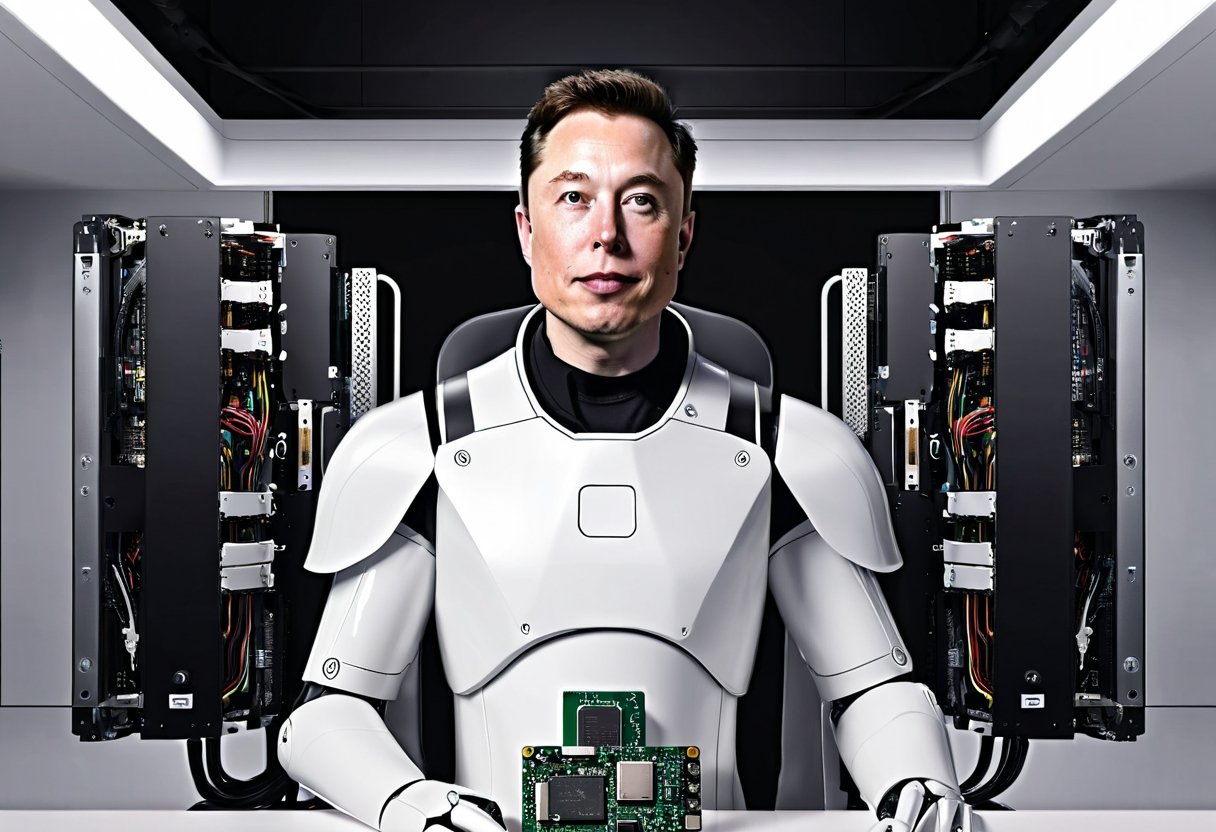
    As we look to the future, it’s essential to understand the implications of Elon’s vision for human society. The truth is, AI-powered hardware is not just a tool; it’s a partner in the innovation process. And that’s what makes Elon’s vision so compelling – it’s not just about creating a new product; it’s about creating a new world. The numbers tell a fascinating story – as we’ve seen with the rise of AI adoption, the demand for AI-powered hardware is growing exponentially. But what’s often overlooked is the role of education in this revolution. The truth is, education is not just about creating more efficient machines; it’s about creating a new era of AI-powered innovation. And that’s what makes Elon’s vision so compelling – it’s not just about creating a new product; it’s about creating a new world.

    What’s Next

    So, what exactly does this mean for us? As we stand at the cusp of this new era, it’s essential to understand the bigger picture. The reality is that AI-powered hardware is not just a novelty; it’s a game-changer. It’s a chance for humanity to rewire its relationship with technology and create a future that’s more collaborative, more inclusive, and more human. And that’s what makes Elon’s vision so compelling – it’s not just about creating a new product; it’s about creating a new world.

    But here’s the real question: how do we get there? What does it take to create a world where humans and AI collaborate to solve the world’s most pressing problems? The answer, as always, lies in the details. And that’s what makes Elon’s vision so compelling – it’s not just about creating a new product; it’s about creating a new world.

    As we conclude this article, it’s essential to understand the broader implications of Elon’s vision. The truth is, AI-powered hardware is not just a tool; it’s a partner in the innovation process. And that’s what makes Elon’s vision so compelling – it’s not just about creating a new product; it’s about creating a new world. The numbers tell a fascinating story – as we’ve seen with the rise of AI adoption, the demand for AI-powered hardware is growing exponentially. But what’s often overlooked is the role of education in this revolution. The truth is, education is not just about creating more efficient machines; it’s about creating a new era of AI-powered innovation. And that’s what makes Elon’s vision so compelling – it’s not just about creating a new product; it’s about creating a new world.