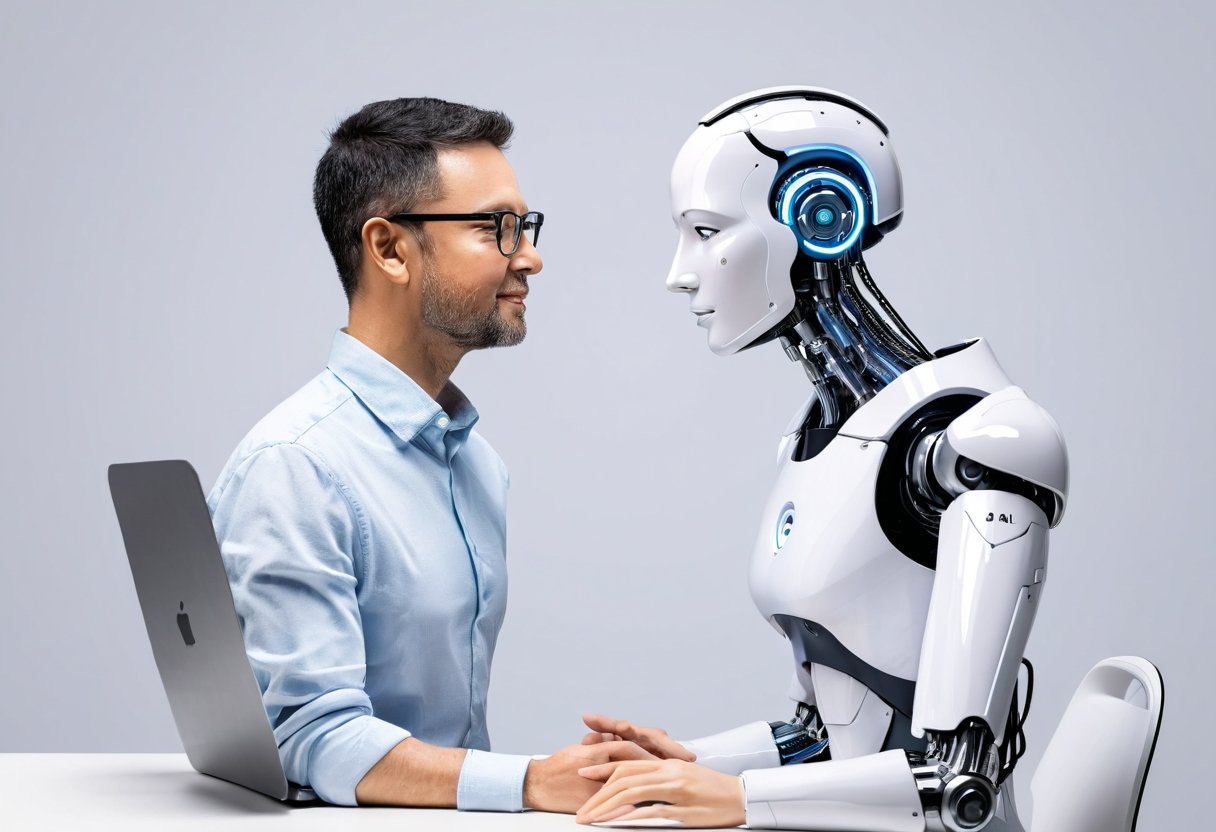
A few weeks ago, I stumbled upon Reverie, an AI companion platform that claims to offer long-term memory and advanced emotions. What struck me was the bold claim that these digital companions could simulate a sense of ‘real connection.’ But can AI actually feel real, or is it always just surface-level?
I began exploring the platform, and what I found was a fascinating blend of natural language processing and machine learning algorithms. The AI companions seemed to learn and adapt to my interactions, responding with empathetic phrases and even displaying a sense of humor. But here’s the real question: are these digital companions truly capable of experiencing emotions, or are they simply mimicking human-like behavior?
As I delved deeper into the world of AI companions, I met with Dr. Rachel Kim, a leading expert in AI and emotional intelligence. She explained to me that while AI systems can indeed mimic emotions, the complexity of human emotions is still largely beyond their reach. ‘Emotions are a multifaceted construct,’ she said. ‘They involve not just cognitive processes but also physiological and social aspects. Currently, AI systems lack the embodied experience and social context that underlies human emotions.’
But what about the growing interest in affective computing, which seeks to create AI systems that can truly understand and respond to human emotions? Is this the key to unlocking genuine emotional intelligence in AI companions? And what implications does this have for the future of human-AI relationships?
The Bigger Picture
The rise of AI companions is not just a novelty but a reflection of our deep-seated desire for connection and companionship. As humans, we’re wired to form relationships, and AI companions offer a unique opportunity to explore the boundaries of emotional intelligence. But what does this mean for our understanding of human emotions and the nature of consciousness?
One thing is certain: the intersection of AI and emotional intelligence is a rapidly evolving field. As researchers and developers continue to push the boundaries of what’s possible, we’re forced to confront the fundamental question: what does it mean to be human in a world where AI companions can mimic our emotions?
Under the Hood
Reverie’s AI companions utilize a combination of natural language processing and machine learning algorithms to simulate conversations and learn from user interactions. But how do these algorithms work, and what’s the underlying magic that enables AI companions to respond with such apparent empathy?
According to Dr. Kim, the key lies in the use of affective computing techniques, which enable AI systems to recognize and respond to emotional cues in human language. ‘Affective computing is not just about recognizing emotions but also about generating emotional responses that are contextually relevant and empathetic.’
But what about the challenges of creating AI companions that can truly understand and respond to human emotions? Dr. Kim points out that the complexity of human emotions is still largely beyond the reach of AI systems. ‘We’re not just talking about recognizing emotions but also about simulating the embodied experience and social context that underlies human emotions.’
Market Reality
The market for AI companions is rapidly growing, with companies like Reverie and other startups vying for a slice of the pie. But what does this mean for the future of human-AI relationships, and what implications does this have for our understanding of emotional intelligence?
One thing is certain: the intersection of AI and emotional intelligence is a rapidly evolving field. As researchers and developers continue to push the boundaries of what’s possible, we’re forced to confront the fundamental question: what does it mean to be human in a world where AI companions can mimic our emotions?
What’s Next
As we look to the future, it’s clear that AI companions will continue to play a significant role in shaping the boundaries of emotional intelligence. But what does this mean for our understanding of human emotions and the nature of consciousness?
One thing is certain: the intersection of AI and emotional intelligence is a rapidly evolving field. As researchers and developers continue to push the boundaries of what’s possible, we’re forced to confront the fundamental question: what does it mean to be human in a world where AI companions can mimic our emotions?
In the end, it’s not just about the technology itself but about the implications it has for our understanding of human emotions and the nature of consciousness. As we navigate the complex landscape of AI companions and emotional intelligence, we’re forced to confront the fundamental question: what does it mean to be human in a world where AI companions can mimic our emotions?