
Tag: inflation

  • Kevin Warsh Proves He’s No Sock Puppet

    Kevin Warsh Proves He’s No Sock Puppet

    Introduction to Kevin Warsh

    Kevin Warsh, a former Federal Reserve governor, has been making headlines with his recent statements on monetary policy. As a potential candidate to replace Jerome Powell as Fed chair, Warsh’s views on inflation and interest rates have been closely watched by investors and policymakers alike.

    The Hawkish Stance

    Warsh has been known for his hawkish stance on inflation, advocating for higher interest rates to keep prices in check. This stance has been at odds with President Trump’s desire for lower interest rates to boost economic growth. However, according to Jon Hilsenrath, the former Wall Street Journal reporter known as the ‘Fed whisperer,’ Warsh’s recent statements suggest that he is not afraid to take a tough stance on inflation, even if it means going against the president’s wishes.

    Market Reaction

    The market reaction to Warsh’s statements has been negative, with investors fearing that his hawkish stance could lead to higher interest rates and slower economic growth. However, as Hilsenrath notes, ‘it’s probably in everyone’s interest in the long run if we put some speed bumps on this boom.’ This suggests that Warsh’s stance may be seen as a necessary check on the economy’s growth, even if it means slower growth in the short term.

    Expert Insights

    Experts such as Jennifer Schonberger, a senior reporter at Yahoo Finance, have noted that Warsh’s tenure as Fed governor was shaped by his concerns about inflation and central bank credibility. Warsh’s speeches and policy meeting transcripts show that he was a data-driven practitioner who was willing to take a tough stance on inflation, even if it meant going against the majority view.

    Conclusion

    In conclusion, Kevin Warsh’s recent statements suggest that he is a hawkish policymaker who is not afraid to take a tough stance on inflation. While his views may be at odds with President Trump’s desires, they may be seen as a necessary check on the economy’s growth. As the market continues to watch Warsh’s moves, it will be important to consider the potential implications of his policies on the economy and investors.
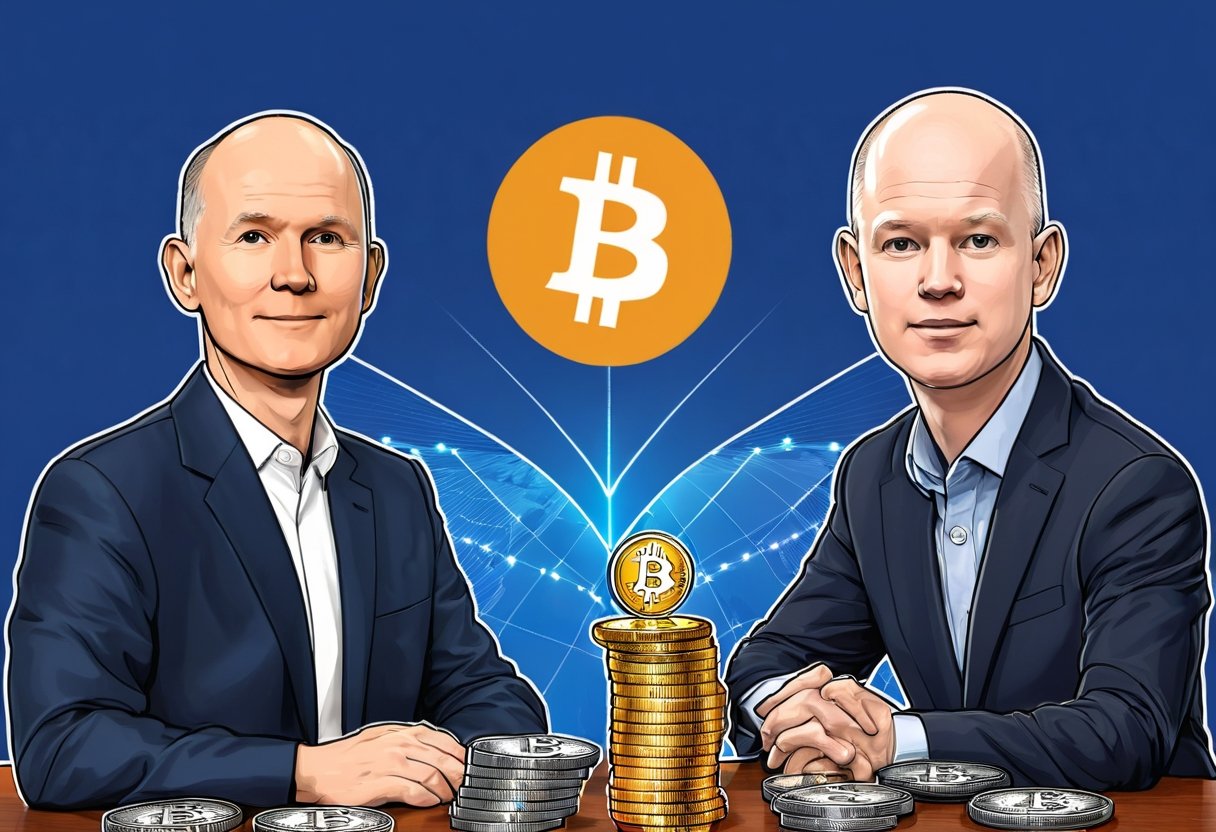
  • Bitcoin vs Dollar: Coinbase CEO on Inflation and Stablecoins

    Bitcoin vs Dollar: Coinbase CEO on Inflation and Stablecoins


    Introduction to the Debate

    The relationship between Bitcoin and the US dollar has been a subject of intense debate. While some view Bitcoin as a direct threat to the dollar, others, including Coinbase CEO Brian Armstrong, argue that Bitcoin could actually strengthen the dollar by promoting fiscal discipline and transparency. This article delves into the insights from industry leaders and explores the potential impact of Bitcoin on the US dollar.

    Bitcoin as a Check and Balance

    Brian Armstrong, in a recent podcast, suggested that Bitcoin acts as a “check and balance” on the US dollar, rather than being an existential rival. He emphasized that if there’s too much deficit spending or inflation, people will turn to Bitcoin, thereby forcing governments to be more mindful of their fiscal policies. This perspective is supported by the idea that Bitcoin introduces discipline into a system where political incentives often lead to unchecked spending.

    Inflation and Fiscal Discipline

    Armstrong warned that inflation persistently outpacing GDP growth could erode confidence in the dollar. He also noted that rival powers, such as China, could challenge the US reserve currency dominance over time. By providing an alternative store of value, Bitcoin encourages governments to pay closer attention to fiscal policy, potentially reducing the need for monetary inflation.

    Stablecoins and Their Role

    Stablecoins, which are pegged to the value of the dollar, can also play a significant role in this context. According to Coinbase CEO, banks will eventually demand interest-paying stablecoins, which could further integrate cryptocurrencies into the traditional financial system. This integration could lead to a more efficient and transparent monetary system, potentially benefiting the dollar by reducing the risk of inflation.

    Market Feedback and Fiscal Policy

    Bitcoin provides market feedback that traditional fiscal systems lack. By giving people an alternative, Bitcoin forces governments to consider the market’s response to their fiscal policies, potentially leading to more responsible decision-making. This mechanism could indirectly strengthen the dollar by promoting a more stable and predictable economic environment.

    Conclusion and Future Implications

    In conclusion, the relationship between Bitcoin and the US dollar is more complex than a simple rivalry. Bitcoin, and cryptocurrencies more broadly, can serve as a catalyst for fiscal discipline and transparency, potentially benefiting the dollar in the long run. As the financial landscape continues to evolve, it will be crucial to monitor how governments, institutions, and individuals respond to the challenges and opportunities presented by cryptocurrencies.

  • Bitcoin as a Hedge Against Inflation

    Bitcoin as a Hedge Against Inflation


    Introduction to Inflation and Bitcoin

    According to OSL, Bitcoin has solidified its position as a potential hedge against inflation in the modern investment landscape. Its scarcity, decentralized nature, and independence from traditional economic systems make it an attractive option for those seeking to protect their wealth.

    Understanding Bitcoin’s Properties

    As Proton explains, Bitcoin’s annual inflation rate is hard-coded and cannot be changed or manipulated by governments. The halving, which cuts the number of coins added by mining in half every four years, means the inflationary pressures will progressively diminish until the last coin is mined.

    How Bitcoin Works as a Hedge

    Paystand notes that Bitcoin’s core principles—decentralization and scarcity—remain intact, making it resistant to inflationary pressures. Unlike fiat currencies, which can be devalued through excessive money printing, Bitcoin maintains scarcity.

    Practical Takeaways

    Investors seeking to protect their wealth from inflation should consider Bitcoin as part of their portfolio. It’s crucial to remain aware of the risks involved, but Bitcoin’s unique properties make it an attractive option for those looking to safeguard against economic uncertainty.

Oh hi there 👋
It’s nice to meet you.

Sign up to receive awesome content in your inbox, every Day.

We don’t spam! Read our privacy policy for more info.