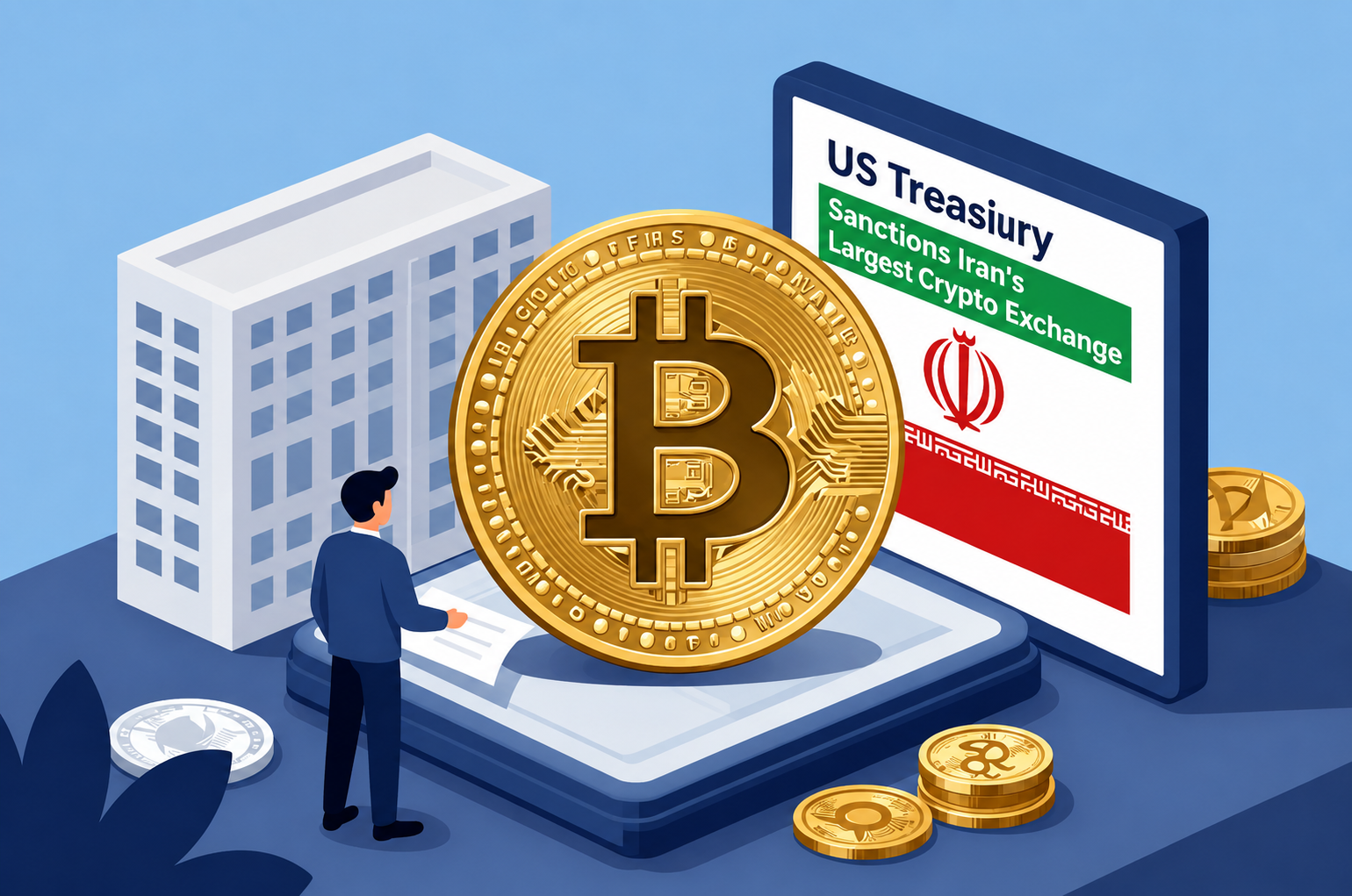
I was scrolling through crypto news when a headline stopped me cold: Israel moving to seize $1.5 million in Tether allegedly tied to Iran. Not bombs. Not banks. Not even Bitcoin. Tether – the stablecoin we’ve all debated at crypto meetups. This wasn’t just another regulatory skirmish. It felt like the first shots in a hidden financial war conducted through ERC-20 tokens and blockchain explorers.
What’s fascinating isn’t just the ‘what,’ but the ‘how.’ For years, governments treated cryptocurrency like digital contraband – something to ban or ignore. Now they’re weaponizing blockchain’s inherent transparency against its users. The same pseudo-anonymity that attracted libertarians and activists is becoming a double-edged sword, with nation-states learning to follow the money through Etherscan trails.
The Story Unfolds
Let’s unpack the timeline. On Tuesday, Israeli authorities filed paperwork to freeze three Ethereum wallets holding USDT. The alleged connection to Iran? A series of transactions routed through mixers and decentralized exchanges, eventually landing in wallets linked to Iranian infrastructure companies. But here’s what most reports miss – the wallets contained less than 0.01% of Tether’s daily trading volume. This isn’t about the money. It’s about setting precedent.
I spoke with Maya Zehavi, a Web3 legal expert who’s tracked similar cases: ‘What we’re seeing is jurisdictional arbitrage meeting blockchain forensics. Governments finally realized they don’t need to ban crypto – they can just outsource chain analysis to firms like Chainalysis and freeze assets through compliant stablecoin issuers.’
The Bigger Picture
The real story isn’t Israel vs Iran. It’s how nation-states are colonizing decentralized finance. Last month, the U.S. seized $2.3 million in Tether from Russian darknet markets. The EU’s MiCA regulations now require stablecoin issuers to freeze suspicious transactions. Even decentralized protocols face pressure to implement backdoors – look at Tornado Cash’s OFAC sanctions.
This creates a paradox. Stablecoins were meant to be neutral infrastructure. But when 73% of crypto transactions involve USDT or USDC, their issuers become de facto financial SWAT teams. Circle (USDC) froze $100k in Ukraine-related wallets within hours of government requests last year. Now Tether’s following suit – albeit reluctantly.
Under the Hood
Let’s geek out on the mechanics. The targeted wallets used a classic peel chain structure – splitting funds across hundreds of addresses. But Israel’s cyber unit tracked the initial transaction to an Iranian VPN IP address that momentarily leaked through a mobile wallet app. Chainalysis’ Reactor software then mapped the entire asset trail.
Here’s where it gets clever: By targeting ERC-20 Tether instead of native Ethereum, authorities exploited the token’s centralization paradox. Unlike ETH itself, USDT can be frozen at the contract level. Tether complied within 43 minutes of the court order – faster than most traditional banks respond to subpoenas.
Market Reality
Investors should watch two trends. First, the ‘sanctions-compliant stablecoin’ arms race. PayPal’s PYUSD now openly markets OFAC adherence as a feature. Second, the rise of non-USD stablecoins – from the UAE’s digital dirham to China’s e-CNY. As geopolitical tensions rise, expect more countries to push local alternatives to circumvent dollar-based surveillance.
But there’s an irony here. While regulators target crypto, traditional finance handles 99%+ of illicit flows according to UN data. The $1.5 million seizure is PR theater. What it really signals is that crypto’s becoming important enough to warrant political theater.
What’s Next
We’ll see copycat actions within 6 months. Southeast Asian governments are already practicing similar seizures for drug trafficking cases. The bigger question – articulated by Ethereum researcher Virgil Griffith before his own legal troubles – is whether proof-of-stake chains will develop resistance to these tactics. Could validators refuse governance-driven transactions? It’s technically possible, but economically unlikely.
My prediction? The next battleground is privacy pools. Protocols like Aztec and Zcash face existential pressure. Projects that balance auditability with selective disclosure will thrive. As one anonymous developer told me: ‘We’re building the TLS of money – encryption that’s transparent enough for regulators, private enough for users.’ Whether that’s possible may define crypto’s next decade.
As I write this, the frozen Tether remains in limbo – a digital ghost ship floating in Ethereum’s mempool. But look closer, and you’ll see the outlines of a new world order. Nation-states aren’t fighting crypto anymore. They’re co-opting it brick by brick, turning Satoshi’s creation into something more familiar – and more controllable. The question isn’t whether decentralized finance can resist. It’s whether we’ll even recognize it when the dust settles.