
Tag: Job Market

  • AI Revolution: Could Machines Replace CEOs?

    AI Revolution: Could Machines Replace CEOs?


    Introduction to the AI Era

    The rapid advancement of Artificial Intelligence (AI) is transforming the job market in unprecedented ways. According to Sundar Pichai, CEO of Google and Alphabet, even the role of a CEO could potentially be replaced by AI in the future. This statement highlights the immense potential of AI to disrupt traditional job roles and create new opportunities.

    The Future of Work

    Pichai believes that the fast pace of AI development will benefit society by creating new opportunities and freeing people up to focus on other things. However, he also acknowledges that it will evolve and transition certain jobs, and people will need to adapt. As reported by Business Insider, Pichai said, ‘I think what a CEO does is maybe one of the easier things maybe for an AI to do one day.’

    The AI Bubble Risk

    The AI market is at risk of a bubble burst, with irrational investment cycles. Pichai compared AI’s potential to the foundational impact of the internet on society. He warned that no company would be immune to the effects of an AI bubble burst, including Google. As reported by LiveMint, Pichai acknowledged the ‘irrationality’ behind the boom in artificial intelligence investment.

    Opportunities for Consultants and Innovators

    The integration of AI into business operations will create opportunities for tool builders, workflow designers, and consultants. As Forbes notes, the opportunity for models, platforms, and MBAs/consultants is enormous. Pichai’s statement reminds us that no company is immune to AI, which means the opportunity is big.

    Conclusion and Future Implications

    In conclusion, the potential of AI to replace traditional job roles, including that of a CEO, is a significant consideration for the future of work. As Pichai emphasizes, it’s crucial for society to have a conversation about the impact of AI on jobs and to prepare for the societal disruptions that will come with it. The future of AI holds immense promise, but it also requires careful planning and adaptation to ensure that its benefits are realized and its risks are mitigated.
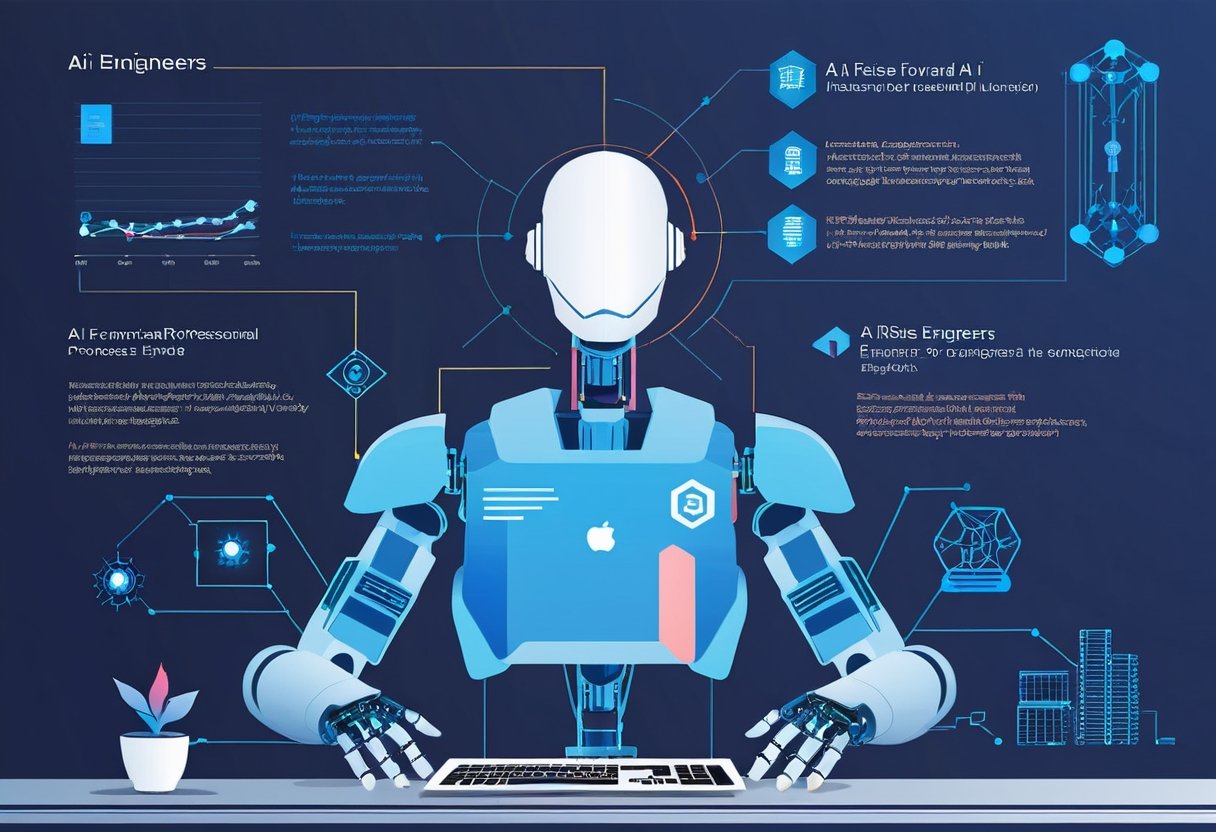
  • The Rise of Forward-Deployed Engineers in AI

    The Rise of Forward-Deployed Engineers in AI


    Introduction to Forward-Deployed Engineers

    The demand for forward-deployed engineers has skyrocketed, with job listings for such AI roles on Indeed jumping over 800% between January and September this year, as reported by Indeed’s Hiring Lab and the Financial Times. This trend highlights the industry’s push to make AI products more practical and useful for businesses.

    What do Forward-Deployed Engineers Do?

    Forward-deployed engineers design customized solutions so that AI tools deliver value instead of just sounding impressive. According to Michelle Lim, co-founder of tech start-up Flint, the FDE position is “an evolution of the solutions engineer,” describing it as the perfect fit for technical professionals who want to engage deeply with customers.

    Industry Influence and Job Description

    Pioneered by Palantir, leading artificial intelligence (AI) companies, including OpenAI and Anthropic, are on the lookout for forward-deployed engineers. These professionals will not only be expected to write code but also to understand customer needs and help them leverage AI tools effectively.

    Real-World Examples and Success Stories

    Novo Nordisk reduced clinical documentation time by 90% with the help of embedded Anthropic engineers, and John Deere cut chemical spraying by leveraging AI solutions. These examples demonstrate the tangible impact forward-deployed engineers can have on businesses.

    Market Trend and Hiring War

    The Financial Times reports a hiring war for technical specialists who embed directly within companies to make AI actually work. This trend is expected to continue as platform companies, especially AI, data, identity, and ERP, are under massive pressure to prove time-to-value.

    Positioning Yourself for the Role

    To become a forward-deployed engineer, one needs to combine deep technical knowledge with hands-on collaboration skills. As Craig Hepburn, AI Strategist & Builder, notes, the role requires a unique blend of software, sales, and platform engineering skills.

Oh hi there 👋
It’s nice to meet you.

Sign up to receive awesome content in your inbox, every Day.

We don’t spam! Read our privacy policy for more info.