Tag: JPMorgan Chase

  • Stablecoins: The Future of Global Payments or Just Better Crypto Liquidity Tools

    Stablecoins: The Future of Global Payments or Just Better Crypto Liquidity Tools

    Introduction to Stablecoins

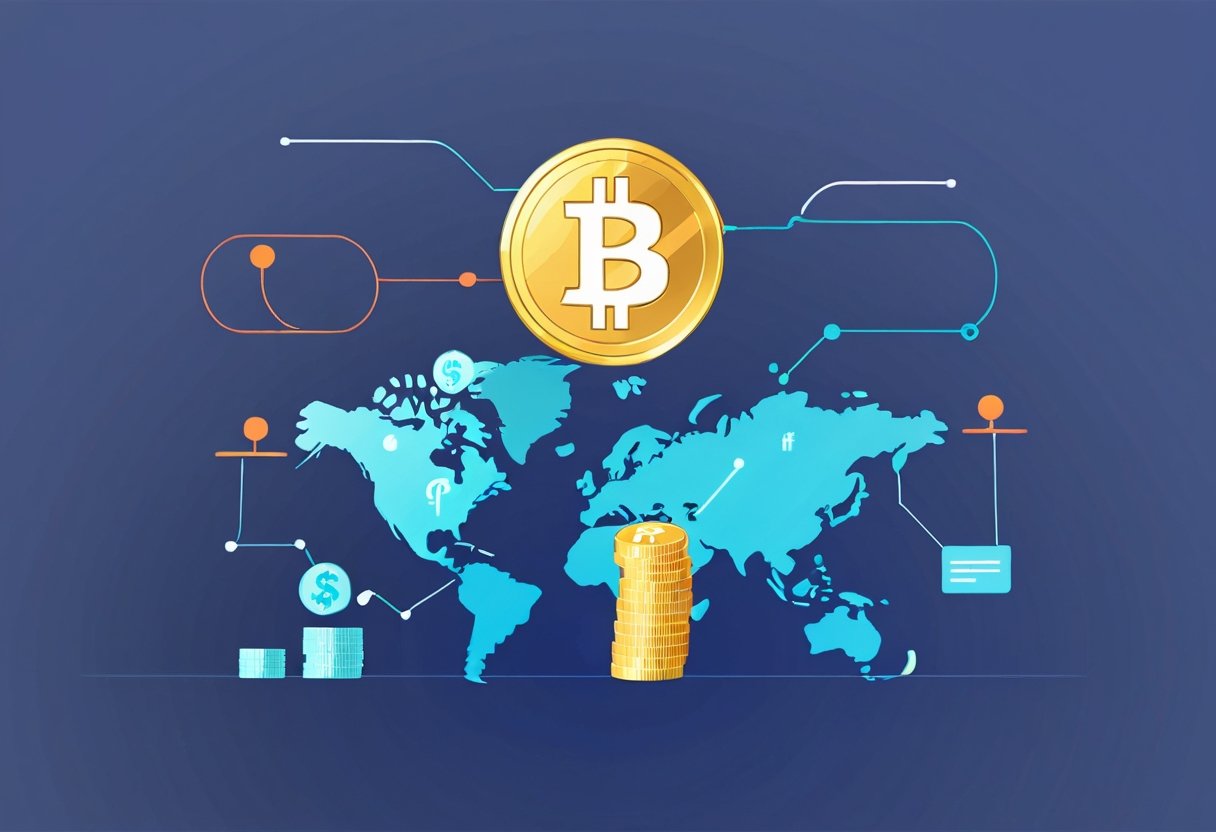
    Stablecoins have been projected as the future of global payments, but JPMorgan’s latest stablecoin market forecast tells a different story. According to JPMorgan, the stablecoin market is unlikely to reach a $1 trillion valuation in the next few years. In this article, we will explore the current state of stablecoins, their use cases, and their potential impact on the global financial system.

    Current State of Stablecoins

    The stablecoin market has grown significantly in recent years, with the total market capitalization reaching $308 billion. Tether’s USDT and Circle’s USDC are the largest stablecoins by market capitalization. However, JPMorgan notes that the stablecoin market is still primarily driven by crypto trading and collateral needs, rather than payments.

    Use Cases for Stablecoins

    Stablecoins have several use cases, including crypto trading, payments, and decentralized finance (DeFi). They offer faster, more transparent, and more efficient transactions than traditional payment systems. Companies like Worldpay, Deel, and Flywire have integrated stablecoins into their platforms to streamline global payroll, B2B settlements, and merchant transactions.

    Regulatory Environment

    The regulatory environment for stablecoins is still evolving. While some countries have issued guidelines for stablecoin issuers, others have banned them altogether. JPMorgan notes that regulatory frameworks will play a crucial role in shaping the future of stablecoins.

    Conclusion

    In conclusion, stablecoins are becoming an essential part of the global financial system. While they may not reach a $1 trillion valuation in the next few years, they have the potential to disrupt traditional payment systems and offer faster, more efficient transactions. As the regulatory environment evolves, we can expect to see more widespread adoption of stablecoins.
  • JPMorgan Enters On-Chain Finance With MONY

    JPMorgan Enters On-Chain Finance With MONY


    Introduction to JPMorgan’s MONY

    JPMorgan Asset Management has introduced the My OnChain Net Yield Fund (MONY), a tokenized money market fund available on the Ethereum blockchain. This move signals a new phase of institutional adoption of blockchain technology, as JPMorgan brings traditional money market funds on-chain. According to CCN.com, MONY sets a blueprint for future on-chain investment products.

    How MONY Differs from Traditional Funds

    Unlike traditional funds, MONY issues tokenized shares on Ethereum, allowing near-instant settlement, greater transparency, and potential integration with digital finance platforms. As reported by Coindesk, the fund is seeded with $100 million from JPMorgan’s asset management division and is set to open to external, qualified investors.

    Benefits and Implications

    The launch of MONY reflects the industry’s growing shift toward tokenization of assets on public networks. As demand for tokenized assets grows, tokenized money market funds can help meet investor needs while introducing new features enabled by blockchain technology. Yahoo Finance notes that JPMorgan built MONY on Kinexys Digital Assets, the bank’s in-house tokenization platform.

    Expert Insights and Analysis

    According to J.P. Morgan Asset Management, MONY invests only in traditional U.S. Treasury securities, and repurchase agreements fully collateralized by U.S. Treasury securities, allowing qualified investors to earn yield while holding the token on the blockchain. This move marks JPMorgan’s first tokenized money market fund, making it the largest GSIB to launch such a vehicle on a public blockchain.

    Conclusion and Future Implications

    The launch of MONY is a significant development in the adoption of blockchain technology by traditional financial institutions. As Coindesk reports, this move could spur further adoption and long-term value for blockchain-based financial products. With the growing demand for tokenized assets, it is likely that we will see more institutions following JPMorgan’s lead in the near future.

  • JPMorgan Brings Short-Term Debt to Solana Blockchain

    JPMorgan Brings Short-Term Debt to Solana Blockchain

    Introduction to Blockchain-Based Finance

    JPMorgan has made a significant move in the financial sector by arranging a short-term bond for Galaxy Digital Holdings on the Solana blockchain. This move marks a substantial step in the broader institutional adoption of digital assets, as reported by Reuters. The deal involves the issuance of commercial paper, a short-term and unsecured debt instrument, which was purchased by Coinbase Global and Franklin Templeton.

    Details of the Transaction

    The transaction is notable for being one of the earliest to use blockchain for the issue and service of securities. JPMorgan acted as the arranger in the deal and created the on-chain USCP token. Both the issuance and redemption proceeds will be paid in USDC, a stablecoin issued by Circle, as mentioned in Reuters and Yahoo Finance. This development showcases the growing interest of legacy finance institutions in blockchain platforms like Solana, which offer high speed and low transaction costs.

    Implications for Institutional Finance

    This landmark transaction demonstrates the capability to securely bring new instruments on-chain in a complex legal and regulatory environment via Solana, according to Scott Lucas, Head of Markets Digital Assets at J.P. Morgan. It marks a major step in bringing the security and efficiency of public blockchains to institutional finance, as noted by Nick Ducoff, Head of Institutional Growth, Solana Foundation.

    Market Impact and Future Implications

    The successful arrangement of this commercial paper issuance on the Solana blockchain underscores JPMorgan’s push into blockchain and tokenized assets. As Coindesk reports, JPMorgan has been an early mover in this space, developing JPM Coin in 2019 and launching its blockchain unit, Onyx, in 2020. This move is expected to pave the way for more institutions to explore the use of blockchain for financial transactions, potentially leading to increased efficiency and reduced costs in the financial sector.

    Conclusion and Expert Insights

    In conclusion, JPMorgan’s move to bring short-term debt to the Solana blockchain is a significant development in the adoption of digital assets by institutions. As Yahoo Finance highlights, this transaction marks a new era in the intersection of traditional finance and blockchain technology. Expert insights suggest that this is just the beginning of a broader trend towards the tokenization of financial instruments and the use of blockchain for securities issuance and servicing.

  • Bitcoin’s 9-Day Absorption into Traditional Finance

    Bitcoin’s 9-Day Absorption into Traditional Finance

    Introduction to Bitcoin’s Mainstream Move

    Between November 24 and December 2, 2025, the landscape of Bitcoin and traditional finance underwent a significant shift. Three major moves by JPMorgan, Nasdaq, and Vanguard marked Bitcoin’s absorption into the traditional financial system. This article delves into the specifics of these moves and their implications for the future of cryptocurrency and finance.

    JPMorgan’s Leveraged Notes

    JPMorgan filed to launch leveraged structured notes tied to BlackRock’s iShares Bitcoin Trust ETF, as reported by TradingView. These notes offer up to 1.5x returns on the ETF through 2028, targeting sophisticated investors seeking amplified exposure to Bitcoin while retaining legal protections. However, investors are also exposed to significant downside risk, including potential principal loss if the ETF declines by roughly 40% or more.

    Nasdaq’s Proposal to Quadruple Limits

    Nasdaq proposed to raise the position limit on BlackRock’s iShares Bitcoin Trust (IBIT) options from 250,000 contracts to 1 million, as detailed in Decrypt and Yahoo Finance. This move would place IBIT options in the same tier as major equities and ETFs, signaling the growing demand for Bitcoin derivatives among institutional investors. The increased limit would enable dealers to hedge their exposures more effectively, facilitating the creation of more complex financial products tied to Bitcoin.

    Vanguard’s Reversal on Crypto

    Vanguard, known for its cautious approach to cryptocurrency, reversed its stance, as noted by Coinpedia. This shift, combined with the moves by JPMorgan and Nasdaq, completes the mainstream funnel for Bitcoin, integrating it deeper into traditional financial structures. The implications of these moves are multifaceted, affecting not only the cryptocurrency market but also the broader financial landscape.

    Implications for the Market and Users

    The absorption of Bitcoin into traditional finance has several key implications. Firstly, it underscores the growing acceptance of cryptocurrency as a legitimate asset class. Secondly, it opens up new avenues for investment and risk management, potentially attracting more institutional capital into the space. However, it also introduces new regulatory challenges and risks, particularly for retail investors who may not fully understand the complexities of leveraged financial products.

    Conclusion and Future Outlook

    The nine-day period between November 24 and December 2, 2025, will be remembered as a pivotal moment in the history of Bitcoin and its relationship with traditional finance. As the cryptocurrency market continues to evolve, it’s essential for investors, regulators, and market participants to stay informed about these developments and their potential impacts on the financial system.

  • Mortgage Data Breach Hits JPMorgan, Citi, and Morgan Stanley

    Mortgage Data Breach: A Growing Concern

    A recent cyberattack on SitusAMC, a technology vendor for real estate lenders, has potentially compromised sensitive data from major banks such as JPMorgan Chase, Citigroup, and Morgan Stanley. The breach, detected on November 12, involves crucial personal information tied to residential mortgages, including Social Security numbers.

    Impact on Major Banks

    According to Reuters, the affected data included corporate information tied to some clients’ dealings with the company, including items like accounting documents and legal contracts. JPMorgan Chase, Citi, and Morgan Stanley did not immediately respond to requests for comment. The New York-based vendor for real estate lenders did not identify any of its affected clients.

    GuruFocus reported that the breach has raised concerns due to SitusAMC’s pivotal role in loan origination and fund management. The incident has sparked an investigation by the FBI, as reported by The New York Times.

    Technical Analysis

    The cyberattack on SitusAMC highlights the importance of robust cybersecurity measures in the financial sector. As technology vendors play a critical role in supporting banking operations, it is essential for these vendors to prioritize data protection and invest in advanced security systems.

    Market Impact

    The breach may have significant implications for the mortgage industry, as it may lead to increased scrutiny of technology vendors and their cybersecurity practices. Additionally, the incident may result in a loss of customer trust and potential financial losses for the affected banks.

    Future Implications

    The mortgage data breach serves as a wake-up call for the financial sector to re-evaluate its cybersecurity protocols and invest in more robust protection measures. As the use of technology vendors continues to grow, it is crucial for banks and lenders to prioritize data security and ensure that their vendors adhere to the highest standards of cybersecurity.

    Practical takeaways from this incident include the importance of regular security audits, employee training, and incident response planning. By prioritizing cybersecurity, financial institutions can minimize the risk of data breaches and protect their customers’ sensitive information.

Oh hi there 👋
It’s nice to meet you.

Sign up to receive awesome content in your inbox, every Day.

We don’t spam! Read our privacy policy for more info.