Tag: lifestyle

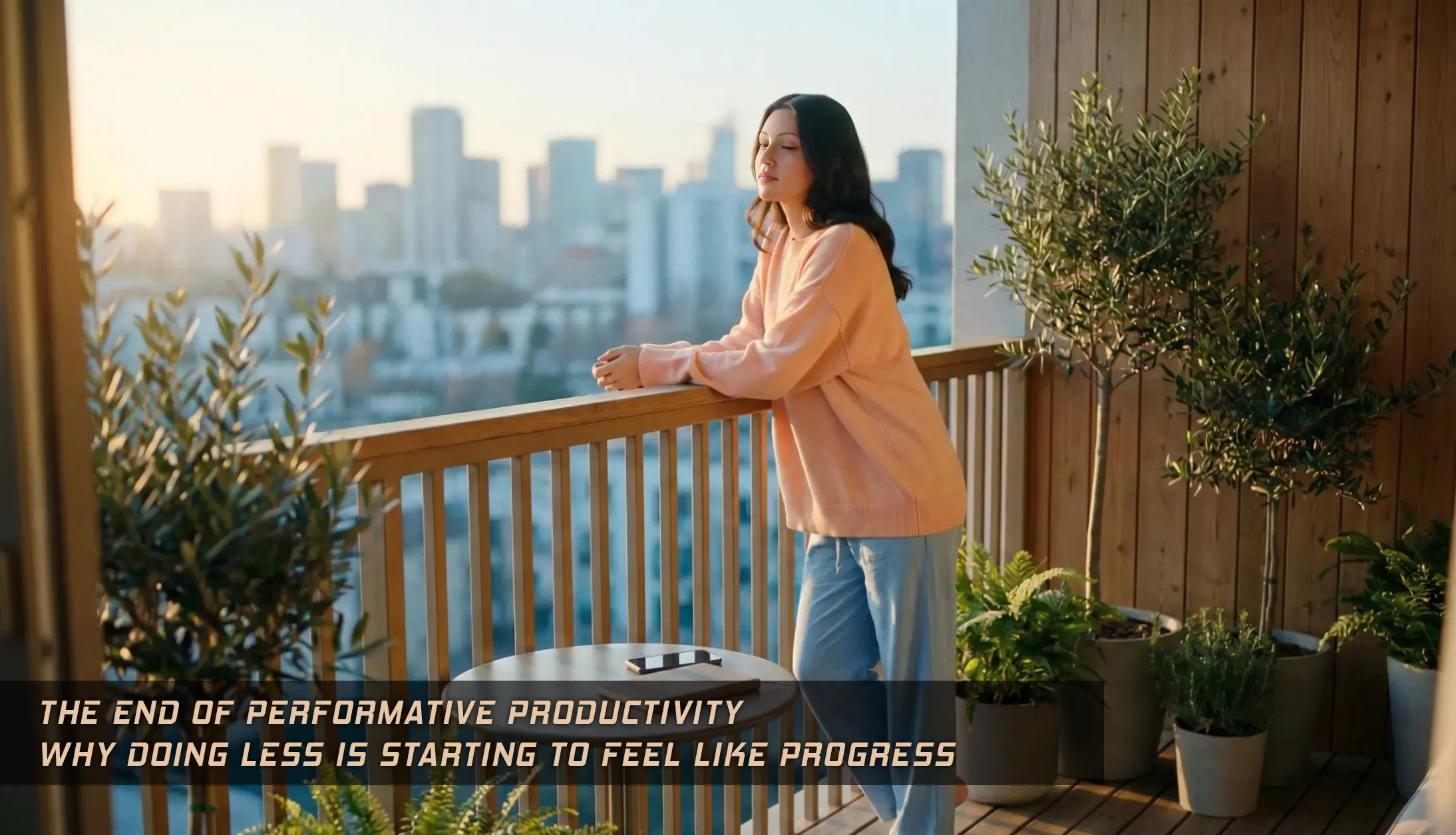
  • The End of Performative Productivity: Why Doing Less Is Starting to Feel Like Progress

    The End of Performative Productivity: Why Doing Less Is Starting to Feel Like Progress

    For years, productivity was something to be displayed. Now, many people are quietly opting out of the performance.

    When Being Busy Became the Point

    There was a time when productivity meant output. Work completed. Value created. Results delivered.

    Somewhere along the way, it became something else entirely.

    Busyness turned visible. Calendars became public. To-do lists were shared. Work spilled into identity. Productivity wasn’t just about what you did — it was about being seen doing it.

    This was performative productivity: the constant signaling of effort, availability, and momentum.

    And it’s losing its grip.

    The Fatigue Behind the Performance

    The shift isn’t sudden. It’s emotional.

    People are tired of optimizing every hour, tracking every habit, and framing rest as something that must be justified. The pressure to appear productive — even when no meaningful work is happening — has become quietly exhausting.

    You can see the pushback in small but telling ways:

    • Turning off “online” indicators
    • Shorter workdays without explanation
    • Fewer productivity tools, not more
    • A growing discomfort with hustle language

    The performance no longer feels worth the energy it consumes.

    Productivity Without an Audience

    What’s emerging in its place isn’t laziness or disengagement. It’s privacy.

    More people are choosing to work in ways that are less visible but more effective. Fewer check-ins. Less real-time reporting. More trust in outcomes over optics.

    This kind of productivity doesn’t translate well to dashboards or social feeds — and that’s exactly why it works.

    When no one is watching, work changes. It becomes quieter. Deeper. Less fragmented.

    The Redefinition of “Enough”

    Performative productivity thrived on excess: more hours, more goals, more ambition layered on top of itself.

    Now, a different question is surfacing: What is enough?

    Enough work for the day. Enough progress for the week. Enough ambition for this season of life.

    This reframing isn’t about lowering standards. It’s about aligning effort with reality rather than expectation.

    Rest Without Justification

    Perhaps the clearest sign that performative productivity is fading is the changing relationship with rest.

    Rest is no longer being framed solely as recovery for more work. It’s becoming a standalone value. Something that doesn’t need to be earned, optimized, or explained.

    Silence. Gaps in the schedule. Untracked time. These used to feel unproductive. Now, they feel necessary.

    Used to measure my worth in how busy I looked. Now I measure it in how peaceful I feel.

    What Comes After the Performance

    The end of performative productivity doesn’t mean the end of ambition.

    It means ambition is becoming quieter.

    More internal. More selective. Less interested in applause. People are choosing work that fits into life rather than consumes it — even if it means fewer visible wins.

    In a culture that once rewarded exhaustion, choosing sustainability becomes a subtle form of confidence.

    The most meaningful work often happens offstage. And increasingly, that’s where people are choosing to stay.

    🔗 Follow & Read More:
    Medium: https://medium.com/@casiborg
    X (Twitter): https://x.com/casiborg
    📬 Stay updated: https://linktr.ee/casi.borg
    📰 Subscribe to our newsletter for weekly crypto insights, AI analysis, and market intelligence

    💭 When did being productive start feeling like a performance for you — and what would change if no one was watching?

  • How Gen Z Made Wellness a Daily Ritual

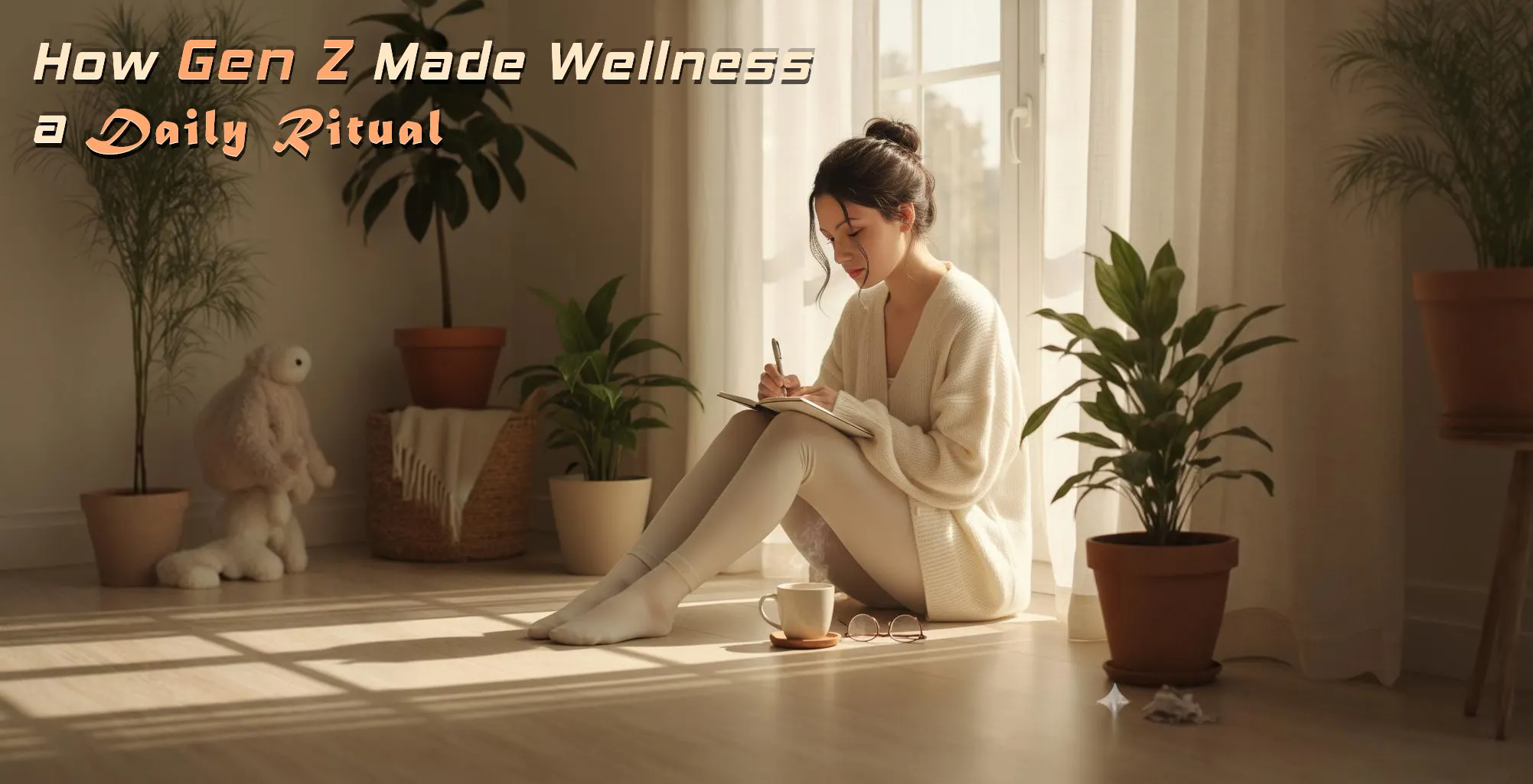
    How Gen Z Made Wellness a Daily Ritual

    In a world that never stops scrolling, slowing down has become an act of rebellion.
    From journaling before bed to brewing herbal teas with intention, Gen Z is redefining wellness — one mindful ritual at a time.
    This isn’t luxury self-care; it’s personal healing, made simple.

    The Rise of Everyday Rituals

    Wellness is no longer about expensive retreats or spa days. Gen Z has transformed self-care into something intimate and accessible — done at home, without filters. Social media trends on TikTok and Pinterest now glorify journaling corners, incense rituals, and slow mornings.
    These aren’t trends built on consumption — they’re rooted in small, meaningful habits.

    What’s Driving the DIY Wellness Movement

    Behind the candles and crystals lies a deeper truth: burnout, anxiety, and information overload are pushing young people to seek peace in analog ways. Instead of outsourcing calm, they’re crafting it themselves.

    Here’s what’s fueling the movement:

    • 🧘‍♀️ Digital Overload Fatigue: More people are unplugging to feel present.
    • 🕯️ Accessible Calm: Self-care doesn’t require luxury — it’s about consistency.
    • 📖 Creativity as Healing: Writing, sketching, and crafting are forms of therapy.
    • 🌿 Return to Nature: Herbal teas, essential oils, and plants reconnect people with the physical world.
    • 🕰️ Ritual over Routine: Turning ordinary habits — like skincare or tea-time — into mindful moments of reflection.

    Why It Matters

    The DIY wellness trend signals a broader cultural reset. In redefining what peace looks like, Gen Z is proving that wellness doesn’t come in a box or app — it’s created through intention and balance.

    Maybe true luxury today isn’t time off — it’s time in.

    🌐 Connect with Casi Borg
    📸 Instagram: @casi_borg
    🦋 BlueSky: casi-borg.bsky.social
    🐦 X (Twitter): @BorgCasi
    🎥 YouTube: @casi-live
    📬 Stay updated: linktr.ee/casi.borg

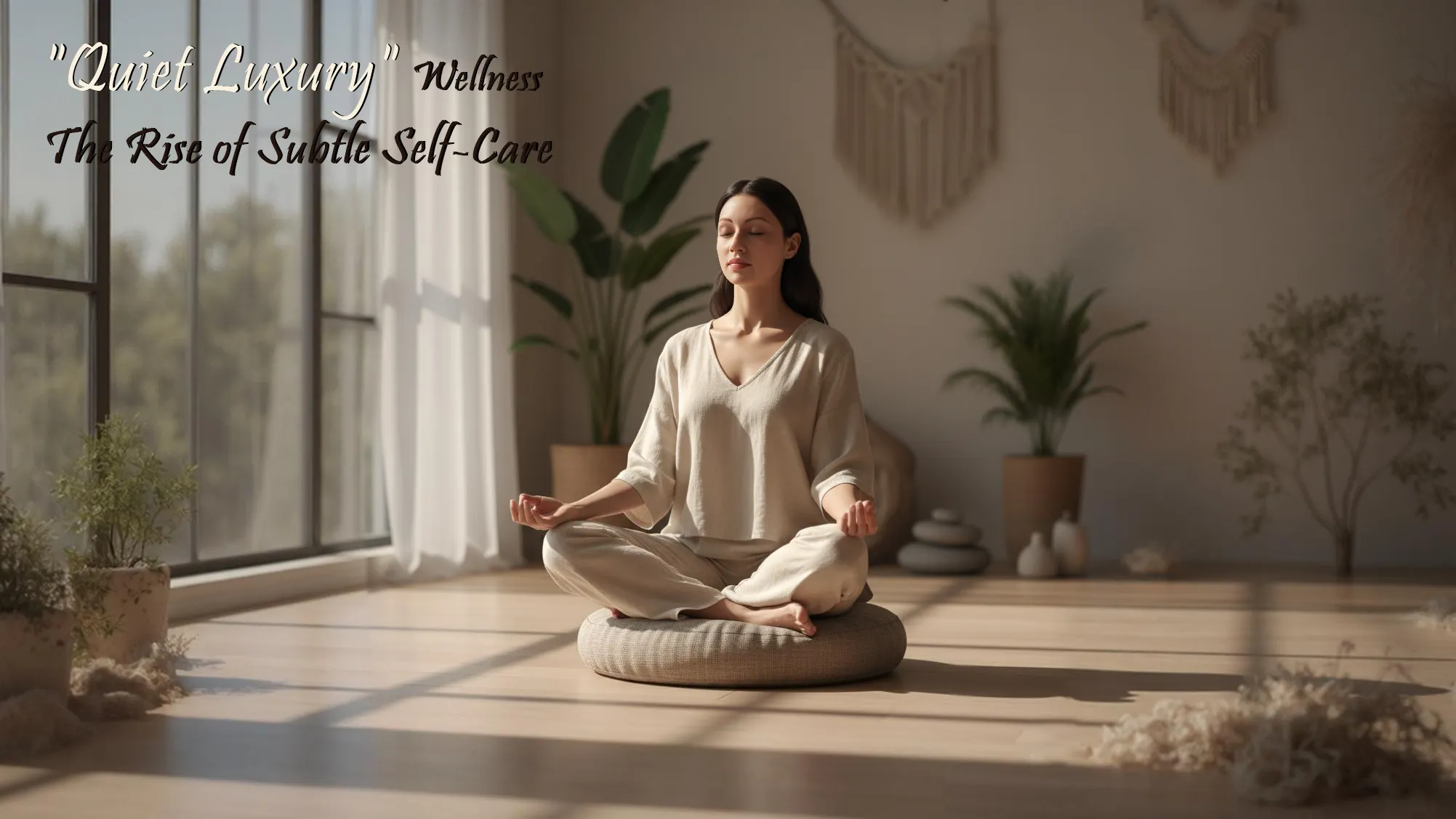
  • 🌿 “Quiet Luxury” Wellness — The Rise of Subtle Self-Care

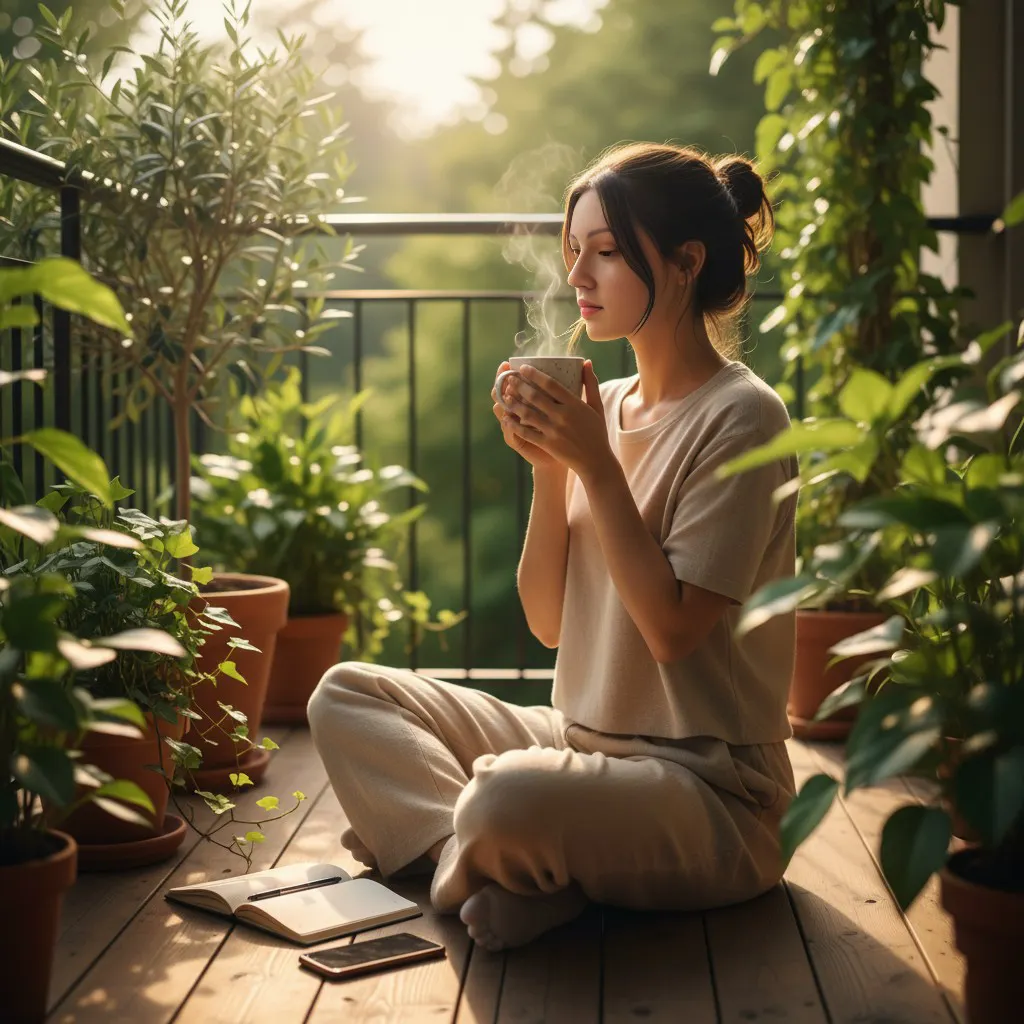
    🌿 “Quiet Luxury” Wellness — The Rise of Subtle Self-Care

    Wellness is going minimalist. The new era of “quiet luxury” celebrates calm, slowness, and inner peace over showy self-care trends.

    In 2025, the wellness world is shifting away from bold detox teas and influencer boot camps. Instead, people are embracing mindfulness studios, neutral aesthetics, and simple routines that feel luxurious in their stillness. “Quiet luxury” wellness is less about buying more and more about being present.

    High-end spas and wellness brands are now focusing on serenity — natural materials, soft lighting, and rituals rooted in balance. This understated elegance speaks to a global desire for authenticity and peace in an overstimulated world.

    Why “Quiet Luxury” Is the Future of Wellness

    • Simplicity Wins: Minimal routines with maximum calm.
    • Mindful Design: Spaces built for reflection, not display.
    • Sustainable Indulgence: Eco-friendly materials and conscious consumption.
    • Emotional Detox: Prioritizing inner peace over productivity.
    • Natural Beauty: Embracing slow, grounded living.

    Luxury is no longer loud — it’s the sound of your own breath. In 2025, true wellness whispers.

    🌐 Connect with Casi Borg

    📸 Instagram: @casi_borg
    🦋 BlueSky: 
    casi-borg.bsky.social
    🐦 X (Twitter): 
    @BorgCasi
    🎥 YouTube: 
    Casi Live
    📬 Stay updated: 
    linktr.ee/casiborg

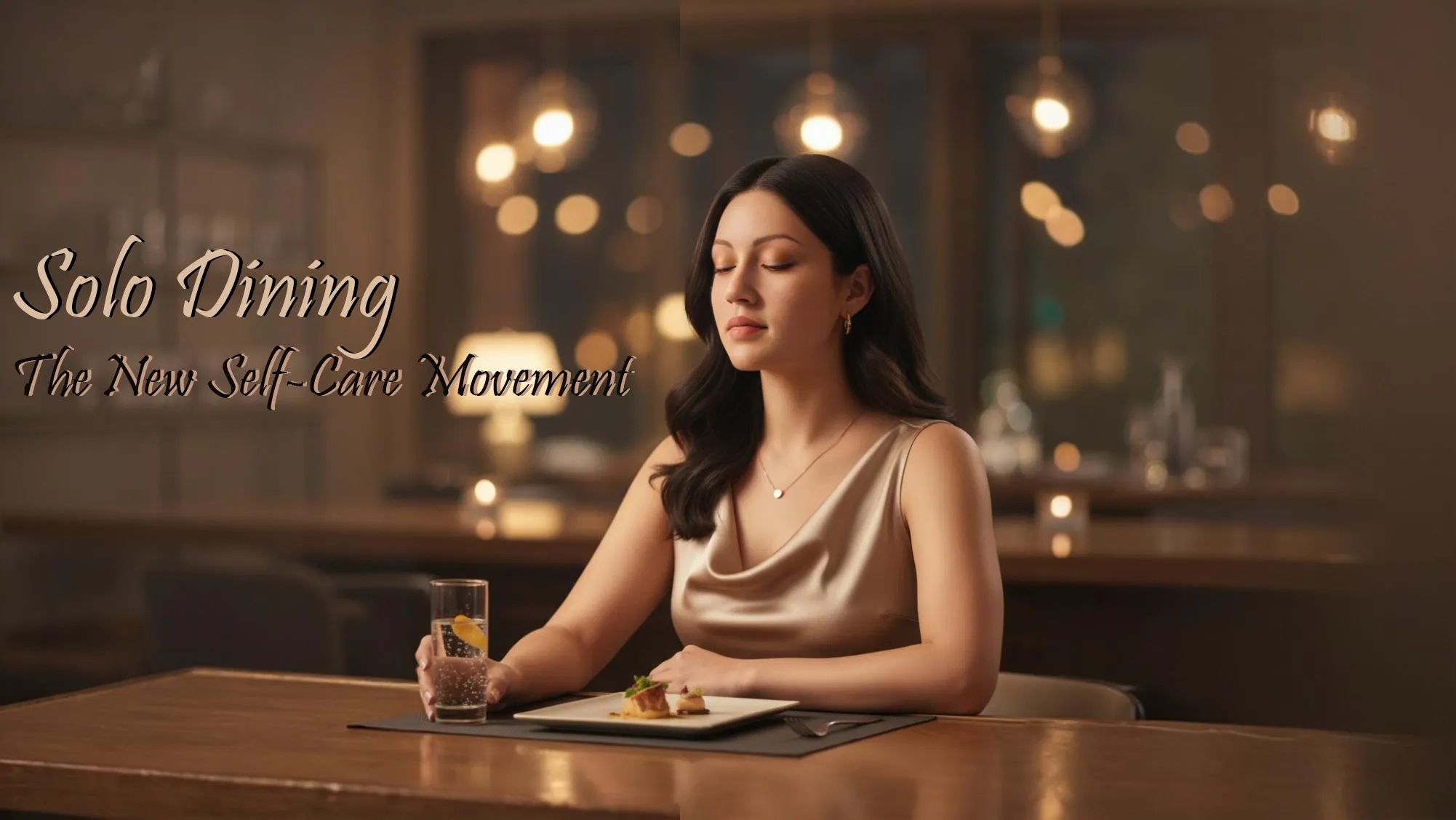
  • 🍽️ Solo Dining — The New Self-Care Movement

    🍽️ Solo Dining — The New Self-Care Movement

    Gone are the days when dining alone was seen as awkward. In 2025, solo dining has become a global self-care ritual — celebrating independence, mindfulness, and quality time with oneself.

    🍷 The Rise of Solo Dining

    Restaurants across New York, Seoul, and Paris are reimagining spaces for solo eaters — cozy single-seat corners, open kitchen bars, and personalized tasting menus. The idea is to make eating alone not just acceptable, but enjoyable.

    • Social media has turned it into an empowering trend: #SoloDining has crossed 400 million views on TikTok.
    • Gen Z and millennials say it helps them “reconnect with themselves” away from social noise.
    • Luxury hotels now offer “table for one” experiences designed for reflection and calm.

    🌍 Why It’s Catching On

    After years of hyper-connectivity, many are finding peace in solitude. Solo dining is no longer about being alone — it’s about choosing yourself.

    • Freedom: Eat what you want, when you want.
    • Mindfulness: Savor every bite without distraction.
    • Confidence: Learn to be comfortable in your own company.

    In Japan, the culture of “ohitorisama” — enjoying activities alone — has long existed. Now the rest of the world is embracing it too, especially as wellness and independence merge in modern lifestyles.

    🥗 Tips for a Great Solo Dining Experience

    1. Pick restaurants with bar seating or calm ambiance.
    2. Leave your phone aside — bring a book or journal instead.
    3. Try tasting menus or chef’s specials — focus on flavors.
    4. Reflect, breathe, and treat it as a mini self-date.

    Solo dining is no longer about loneliness — it’s a mindful, luxurious pause in a chaotic world. As more people seek inner peace and independence, this movement is here to stay.

    🌐 Connect with Casi Borg

    📸 Instagram: @casi_borg
    🦋 BlueSky: 
    casi-borg.bsky.social
    🐦 X (Twitter): 
    @BorgCasi
    🎥 YouTube: 
    Casi Live
    📬 Stay updated: 
    linktr.ee/casiborg

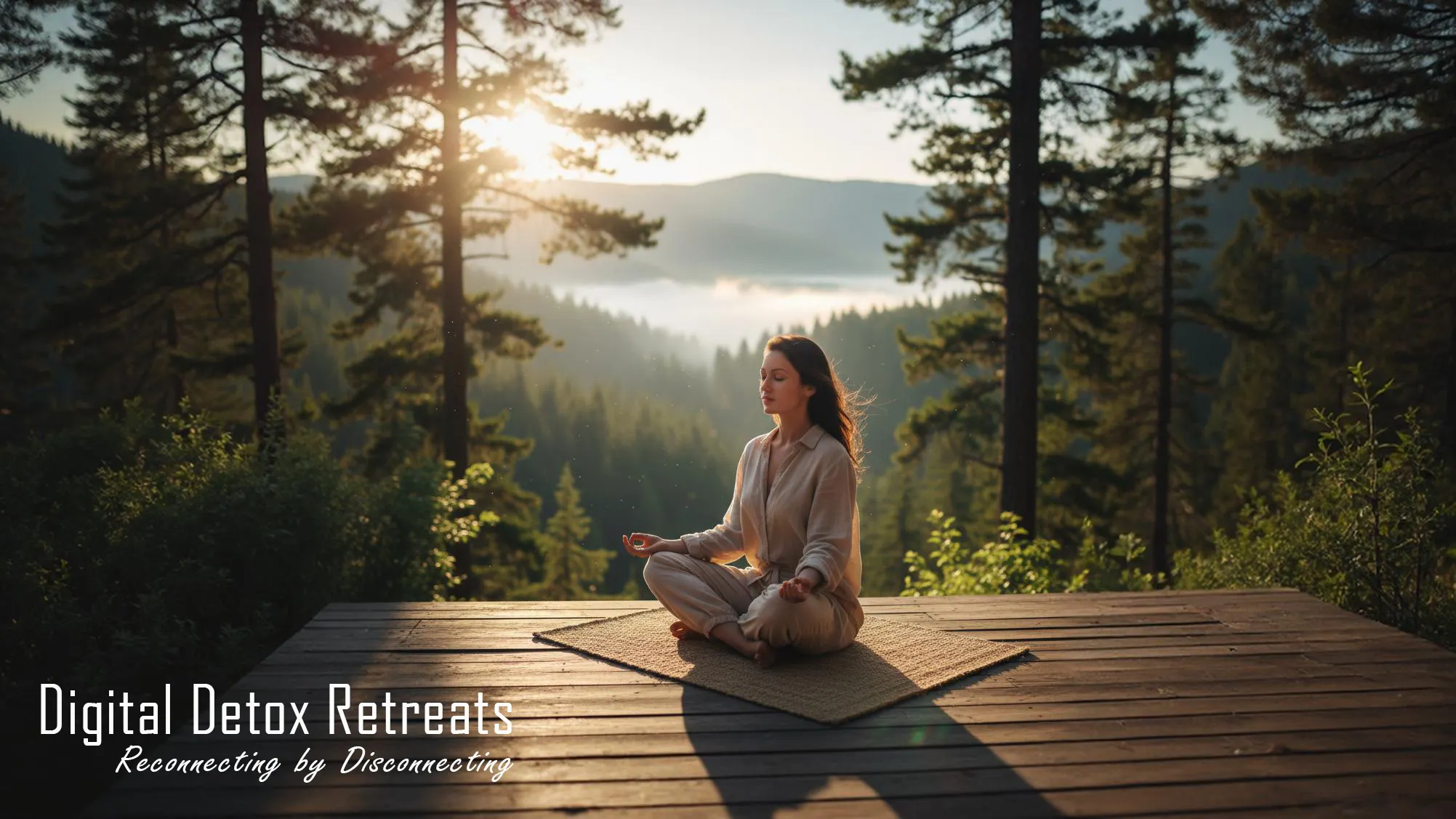
  • 🌿 Digital Detox Retreats: Reconnecting by Disconnecting

    🌿 Digital Detox Retreats: Reconnecting by Disconnecting

    n a world of endless notifications and digital fatigue, a quiet revolution is taking shape — the rise of Digital Detox Retreats.

    More people are escaping to serene destinations that promise something rare — disconnection. These retreats, often set in mountains, forests, or beaches, encourage participants to lock away phones and immerse themselves in mindfulness, creativity, and real-world interaction.

    After years of hyper-connectivity, burnout and anxiety have become common. A digital detox isn’t just about switching off screens — it’s about switching on awareness. Attendees report better focus, deeper sleep, and renewed emotional balance after just a few days offline.

    Why Digital Detox Retreats Are Booming

    • Mental Reset: Reduces stress and improves clarity by breaking the notification cycle.
    • Enhanced Creativity: Quiet spaces and nature help ideas flow naturally.
    • Quality Connections: Without screens, conversations become deeper and more authentic.
    • Health Benefits: Better posture, sleep, and reduced eye strain.
    • Mindful Living: Encourages living in the moment rather than capturing it.

    As 2025 unfolds, these retreats are becoming global wellness staples — from Bali’s jungle lodges to Icelandic spas. In a hyper-digital age, perhaps the truest luxury is silence.

    🌐 Connect with Casi Borg

    📸 Instagram: @casi_borg
     🦋 BlueSky:
    casi-borg.bsky.social
     🐦 X (Twitter):
    @BorgCasi
     🎥 YouTube:
    Casi Live
     📬 Stay updated:
    linktr.ee/casiborg

  • 💧 Functional Water Craze: The New Wave of Wellness

    💧 Functional Water Craze: The New Wave of Wellness

    Plain water is out; enhanced hydration is in. The “Functional Water” trend is reshaping how people think about drinking healthy.

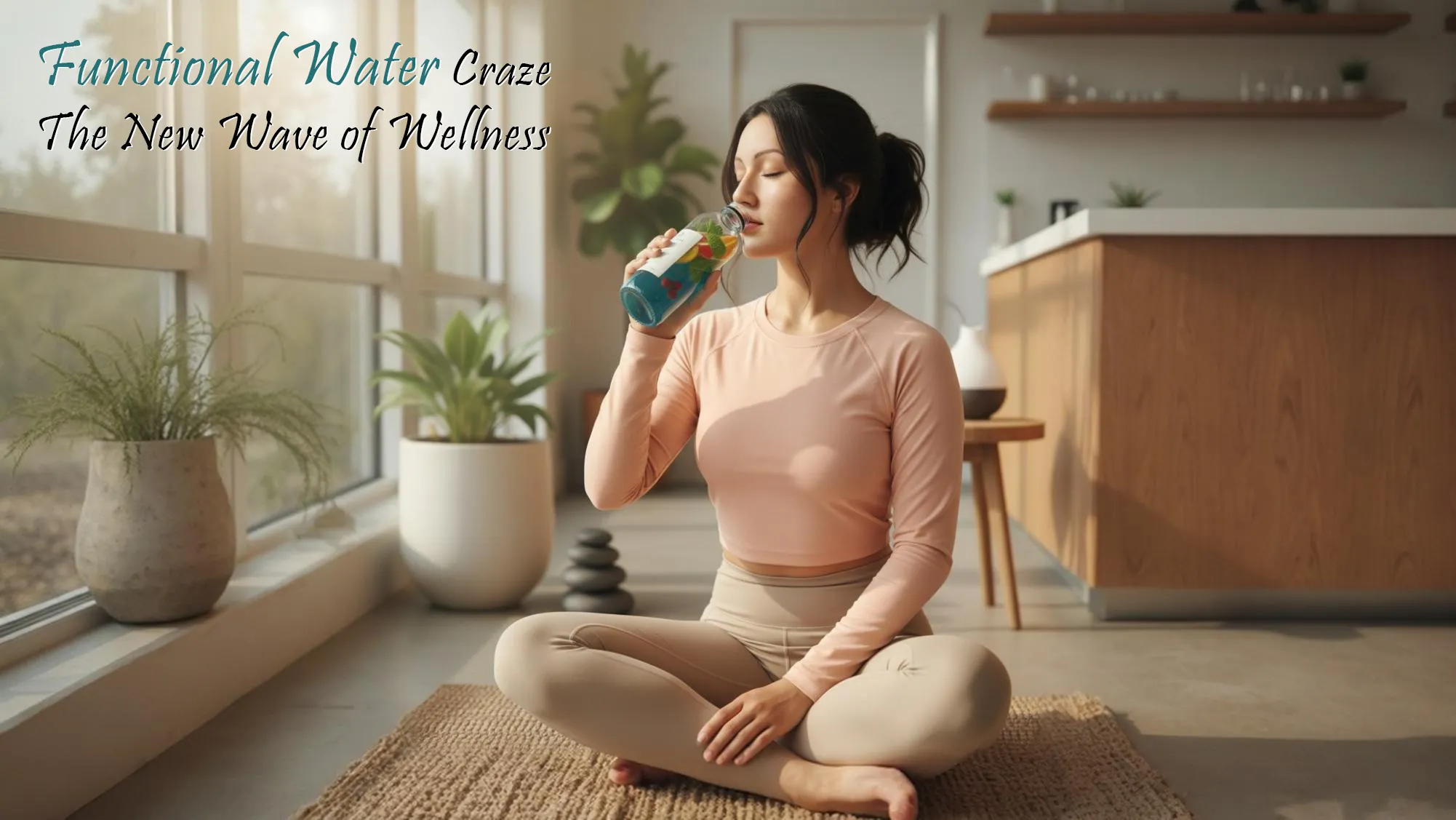
    Across cafes, gyms, and supermarkets, colorful bottles of vitamin-infused, collagen-boosted, and adaptogen-enriched waters are taking over. These beverages claim to improve focus, beauty, and recovery — combining hydration with health benefits.

    The rise of functional water comes from the growing demand for convenient wellness. Consumers want products that work smarter — and promise visible results without drastic lifestyle changes.

    What’s Powering the Functional Water Boom

    • Adaptogens & Botanicals: Reduce stress and improve energy naturally.
    • Collagen Infusions: Support skin, nails, and joint health.
    • Electrolyte Blends: Perfect for post-workout recovery.
    • Low Sugar, High Function: A healthier alternative to soft drinks.
    • Sustainability Factor: Many brands use eco-friendly packaging and sourcing.

    From Los Angeles to Tokyo, hydration has turned high-tech. Functional water isn’t just a drink — it’s a lifestyle statement.

Oh hi there 👋
It’s nice to meet you.

Sign up to receive awesome content in your inbox, every Day.

We don’t spam! Read our privacy policy for more info.